Why Am I Gaining Weight as a Woman?
Weight gain in women often comes from thyroid slowdown, insulin resistance, or perimenopause shifts. Targeted labs available at Quest—no referral needed.






Weight gain in women is often driven by a few repeat offenders: your thyroid slowing down, your body needing more insulin to handle carbs (insulin resistance), or hormone shifts during perimenopause that change where you store fat and how hungry you feel. Stress, poor sleep, and certain medications can amplify all of that, even if you swear you have not changed your routine. The fastest way to stop guessing is to pair your symptoms with a few targeted labs so you can see which pattern fits your body. This is a frustrating symptom because it feels personal, but it is usually biology plus environment, not “willpower.” Your brain, hormones, and muscle cells constantly negotiate how much energy you burn and how much you store, and that negotiation changes across your 30s, 40s, and beyond. Below, you will see the most common medical reasons weight creeps up in women, what actually helps depending on the cause, and which blood tests tend to clarify the picture. If you want help sorting your specific pattern, PocketMD can talk it through with you, and Vitals Vault labs can help you confirm what is going on with real numbers.
Why you might be gaining weight (even if you feel like nothing changed)
Your thyroid is underactive
If your thyroid is running low (hypothyroidism), your cells burn energy more slowly, and you can feel puffy, tired, and “stuck” no matter how hard you try. The scale may rise from a mix of true fat gain and extra water retention, which is why your rings or face can look fuller too. A key clue is that the weight gain comes with cold intolerance, constipation, dry skin, or hair thinning. The takeaway is simple: do not guess based on symptoms alone, because a TSH test can quickly tell you if your thyroid is likely part of the story.
Insulin resistance is building
Insulin is the hormone that helps move sugar from your blood into your muscles, but when your cells stop listening well, your body compensates by making more. Higher insulin levels make it easier to store calories as fat and harder to access stored fat between meals, which can feel like constant hunger or intense cravings a couple hours after eating. Many women notice more belly weight, energy crashes, or skin changes like darkening in body folds. If this sounds familiar, fasting insulin and A1c can show whether your metabolism is shifting before diabetes ever appears.
Perimenopause changes appetite and fat storage
During the menopause transition, estrogen levels swing and gradually fall, and that changes how your brain regulates hunger and how your body partitions fat. You may feel like you are eating the same, but your satiety signals can get quieter while your stress hormone response gets louder, which nudges you toward more snacking and more abdominal fat storage. This is also when sleep often gets worse, and poor sleep alone can raise appetite the next day. The practical takeaway is that timing matters: weight gain that starts in your 40s with cycle changes, night sweats, or new sleep issues often needs a different strategy than weight gain in your 20s.
Medications are quietly pushing weight up
Some common meds change appetite, fluid balance, or how your body uses glucose, and the weight gain can start weeks to months after you begin them. Antidepressants, some birth control methods, steroids, and certain migraine or seizure medications are frequent culprits, and the pattern is often a steady climb that does not respond to your usual fixes. This is not a moral failure, and you should not stop a medication abruptly. The actionable step is to bring a simple timeline to your clinician that shows when the medication started and when the weight began to shift, because alternatives or dose adjustments may exist.
Chronic stress and poor sleep reset your set point
When you are stressed or sleeping badly, your body leans on stress hormones like cortisol, which can increase appetite and make high-calorie foods feel unusually rewarding. At the same time, fatigue reduces spontaneous movement, so you burn fewer calories without realizing it, even if you still do your “workout.” You might notice evening snacking, waking at 3 a.m., or feeling wired and tired at the same time. The takeaway is that if your weight gain started alongside burnout, insomnia, or shift work, treating sleep and stress is not “extra,” it is often the main lever.
What actually helps with weight gain (based on the cause)
Match your plan to your labs
If you are trying random fixes, you can end up working hard in the wrong direction. A high TSH points you toward thyroid evaluation, while a high fasting insulin or A1c points you toward insulin resistance strategies and sometimes medication support. Seeing your numbers also helps you set realistic expectations, because “slow loss” can be appropriate when hormones are shifting. Start by choosing one hypothesis to test, then build your plan around what the results actually show.
Use protein to calm hunger signals
When your meals are light on protein, your brain gets the message that you are not “done,” even if you ate plenty of calories. A practical target is 25–35 grams of protein at breakfast and lunch, because that is where many women accidentally under-shoot. This tends to reduce late-afternoon cravings and makes it easier to maintain a calorie deficit without white-knuckling it. If you are unsure what 30 grams looks like, think of a palm-sized portion of chicken or tofu plus a Greek yogurt, not a tiny sprinkle.
Lift weights to protect metabolism
Muscle is metabolically active tissue, and it is also where a lot of glucose disposal happens, which matters if insulin resistance is part of your picture. Strength training two to three times per week helps preserve or build muscle during weight loss, so you are less likely to plateau and regain. You do not need fancy equipment, but you do need progression, which means the last few reps should feel challenging. If you are perimenopausal, this is one of the most reliable ways to push back against the “softening” many women notice.
Tighten up your carb timing, not your life
If your insulin is running high, the goal is often to reduce the number of daily glucose spikes rather than ban carbs forever. Many women do well by moving most starchy carbs to the meal after activity, and by pairing carbs with fiber and protein so the rise is slower. This can look like swapping a pastry breakfast for eggs and fruit, then having rice or potatoes with dinner after a walk. Track how your hunger and energy respond for two weeks, because your body gives fast feedback here.
Review meds and hormones with a clinician
If your weight gain began after a new antidepressant, steroid course, or contraception change, you deserve a conversation about options. Sometimes the best “weight loss plan” is switching to a weight-neutral alternative or adjusting the dose, especially if the medication is also affecting sleep or appetite. If you are in perimenopause, discussing symptom control can indirectly help weight by improving sleep and reducing stress eating. Bring specifics, including dates and what you have already tried, so the visit stays practical.
Useful biomarkers to discuss with your clinician
TSH
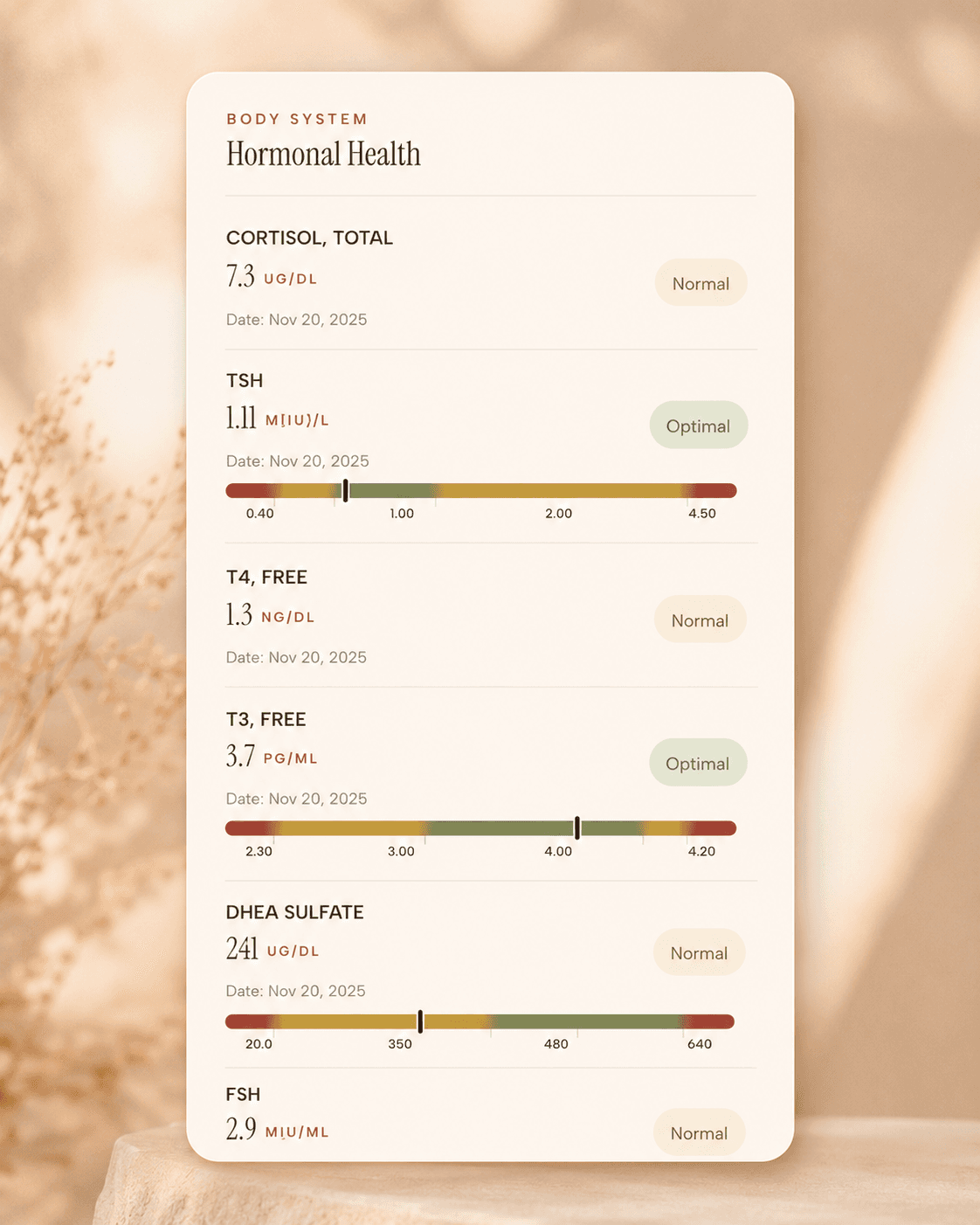
TSH is the master regulator of thyroid function, controlling the production of thyroid hormones T4 and T3. In functional medicine, we use narrower TSH ranges than conventional medicine to identify subclinical thyroid dysfunction early. Even mildly elevated TSH can indicate thyroid insufficiency, leading to fatigue, weight gain, depression, and metabolic dysfunction. TSH levels are influenced by stress, nutrient deficiencies, autoimmune conditions, and environmental toxins. Optimal TSH supports energy, metabolism…
Learn moreInsulin
Insulin is a master metabolic hormone that regulates glucose uptake, fat storage, and numerous cellular processes. In functional medicine, fasting insulin levels are one of the earliest and most sensitive markers of metabolic dysfunction. Elevated insulin (hyperinsulinemia) often precedes diabetes by years or decades and is central to metabolic syndrome. High insulin levels promote fat storage, inflammation, and contribute to numerous chronic diseases including cardiovascular disease, PCOS, and certain cancers.…
Learn moreHemoglobin A1C
Hemoglobin A1C (HbA1c) reflects average blood glucose levels over the past 2-3 months by measuring the percentage of hemoglobin proteins that have glucose attached. In functional medicine, HbA1c is a cornerstone marker for metabolic health, insulin sensitivity, and diabetes risk assessment. Optimal levels (4.6-5.3%) indicate excellent blood sugar regulation and reduced risk of metabolic disease. Levels above 5.4% but below 5.7% suggest early metabolic dysfunction and increased cardiovascular risk, even before pr…
Learn moreLab testing
Get TSH, fasting insulin, and A1c checked at Quest
starting from $99 panel with 100+ tests, one visit
No referral needed
About 1 week
Schedule online — results typically within a week
Clear next steps
Guidance included, with follow-up care available
HSA / FSA
Eligible for pre-tax health spending accounts
Pro Tips
Do a two-week “truth log” before you change everything: weigh yourself 3 mornings per week, track your waist at the navel once per week, and write down sleep hours and cycle day. Patterns jump out fast, especially around ovulation, the week before your period, or after poor sleep.
If you suspect insulin resistance, try a 10–15 minute walk right after your biggest carb meal for two weeks. It is boring, but it often lowers cravings and improves next-morning hunger more reliably than adding another workout.
If your weight gain feels sudden, check your bathroom scale against a known weight (like a dumbbell) and then weigh at the same time of day. You would be shocked how many “mystery gains” are water shifts plus inconsistent weighing.
Build one “default breakfast” you can repeat on autopilot that hits 25–35 grams of protein. Decision fatigue is real, and a consistent first meal makes the rest of the day easier to steer.
When you talk to a clinician, bring a one-page timeline that includes major stressors, sleep changes, new meds, and cycle changes. A good timeline often shortens the path to the right lab tests and saves you months of trial and error.
Frequently Asked Questions
Why am I gaining weight even though I’m eating the same?
Your body can burn fewer calories without you noticing when sleep worsens, stress rises, muscle mass drops, or hormones shift during perimenopause. Insulin resistance can also make you hungrier and more prone to storing calories as fat, even if your meals look “normal.” Checking fasting insulin, A1c, and TSH can quickly show whether metabolism or thyroid changes are contributing. If the gain is rapid or comes with new fatigue, cold intolerance, or swelling, make labs your next step.
What are signs my weight gain is hormonal?
Hormonal weight gain often comes with other clues, like cycle changes, new belly fat, stronger cravings, sleep disruption, or symptoms of low thyroid such as constipation and feeling cold. Insulin resistance can show up as energy crashes after meals or increased hunger soon after eating. Labs help separate look-alike problems, so consider TSH for thyroid and fasting insulin plus A1c for insulin resistance. Bring your symptom timeline and cycle stage to your appointment so the interpretation fits your context.
Can hypothyroidism cause weight gain, and how much?
Yes, an underactive thyroid can contribute to weight gain, although the amount varies and is often partly water retention. If your TSH is clearly elevated, treating the thyroid issue can make weight loss more achievable because your energy and metabolism improve. Many people also notice less puffiness once thyroid levels are corrected. Ask for a TSH test and follow-up if it is high rather than trying to “diet through” thyroid symptoms.
What fasting insulin level suggests insulin resistance?
There is no single perfect cutoff, but many clinicians view fasting insulin above about 10–12 µIU/mL as a strong sign your body is compensating for insulin resistance, even if glucose is still normal. A fasting insulin under about 8 µIU/mL is often a healthier target, especially when paired with an A1c around 5.0–5.4%. Because lab “normal” ranges can be wide, trends over time matter a lot. If your fasting insulin is high, focus on strength training, post-meal walking, and carb pairing, then recheck in 8–12 weeks.
When should I worry about sudden weight gain?
If you gain more than about 5–10 pounds in a month without a clear reason, or you notice swelling in your legs, shortness of breath, chest discomfort, or severe fatigue, you should get checked promptly. Sudden gain can be fluid retention from medication effects, thyroid changes, or less commonly heart, kidney, or liver issues. Even when it is not dangerous, quick changes deserve a medical look because the fix is often specific. Start by documenting the timeline and arranging basic labs, including TSH and metabolic markers.