Insulin Resistance in Women: Causes, Symptoms, and Lab Tests
Insulin resistance in women is usually driven by PCOS hormones, visceral fat inflammation, or poor sleep. Targeted labs available at Quest—no referral needed.





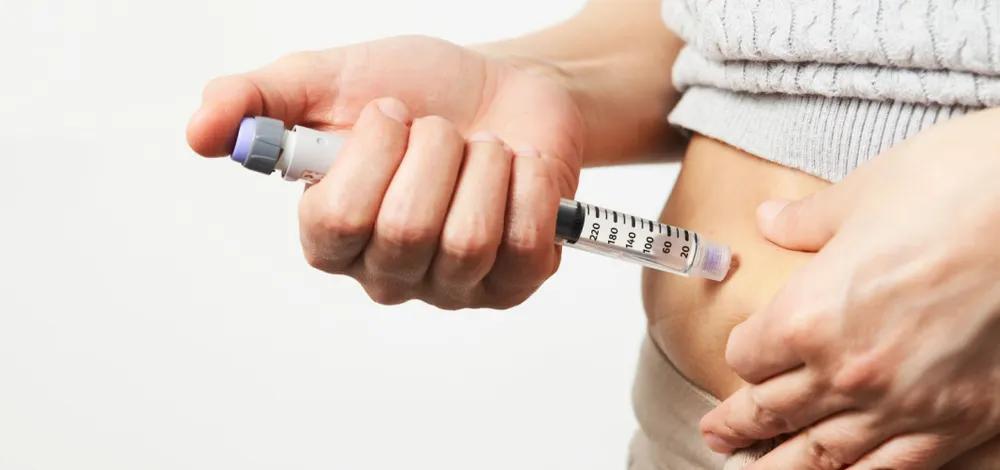
Insulin resistance in women usually means your cells are not responding well to insulin, so your body has to make more of it to keep blood sugar stable. The most common drivers are PCOS-related hormone patterns, extra fat stored around your organs (visceral fat), and lifestyle factors that quietly raise insulin all day, like poor sleep or frequent snacking. Simple labs can often show whether you are mainly dealing with high insulin, rising average glucose, or a PCOS pattern. This can feel incredibly unfair because you might be eating “pretty well” and still gain weight easily, crave carbs, or crash hard a couple hours after meals. Insulin is not just a blood sugar hormone; it is also a storage signal, which is why high insulin can make fat loss feel like pushing a boulder uphill. The good news is that insulin resistance is often reversible, especially when you match your plan to your actual pattern. If you want help connecting your symptoms, cycle history, and labs, PocketMD can talk it through with you, and Vitals Vault can help you order targeted tests without a referral.
Why insulin resistance happens in women
PCOS hormone pattern
With polycystic ovary syndrome (PCOS), higher “male-type” hormones can make your muscles and liver less responsive to insulin, so your pancreas compensates by making more. That higher insulin can then worsen acne, unwanted hair growth, and irregular cycles, which is why it can feel like your metabolism and hormones are stuck in a loop. If your periods are unpredictable or you have signs of androgen excess, ask specifically about a PCOS evaluation and don’t rely on weight alone to judge what’s happening.
Visceral fat drives inflammation
Fat stored deep in your belly is metabolically active, which means it releases signals that make insulin work less effectively. You might notice your waistline changing even if the scale barely moves, and your energy after meals can get more “roller coaster.” A practical takeaway is that even a small waist reduction can improve insulin sensitivity, so track waist circumference monthly rather than obsessing over daily weight.
Sleep loss and stress hormones
When you are short on sleep or under chronic stress, your body leans on stress hormones like cortisol, which keeps more glucose available “just in case.” That is useful in an emergency, but day after day it can push insulin higher and make cravings louder, especially at night. If your worst cravings happen after a bad sleep, treat sleep as part of your insulin plan, not a side project.
Frequent insulin spikes from grazing
If you are eating or drinking calories every couple of hours, your insulin never really gets a break, even if the foods are “healthy.” Over time, that constant signaling can make your cells tune insulin out, which can look like stubborn weight gain and hunger that feels urgent. A simple experiment is to keep your usual foods but create clear meal windows for two weeks and see whether your hunger and afternoon crashes improve.
Certain meds and life stages
Some medications can raise blood sugar or insulin needs, and life stages like postpartum and perimenopause can shift where you store fat and how your muscles handle glucose. You might feel like your body changed “overnight,” but it is often a real physiology shift rather than a willpower problem. If symptoms started after a new medication, pregnancy, or a major cycle change, bring that timeline to your clinician because it helps narrow the cause quickly.
What actually helps insulin resistance
Build meals around protein first
Starting with a solid protein portion at meals tends to blunt the glucose rise and keeps you full longer, which means fewer cravings and less snacking pressure later. For many women, aiming for roughly 25–35 grams of protein at breakfast is the difference between steady energy and a mid-morning crash. If breakfast is usually carbs-only, change just that one meal for a week and watch what happens to your appetite by 2–3 pm.
Strength training 2–3 times weekly
Muscle is a major “sink” for glucose, so adding strength training improves insulin sensitivity even if your weight does not change right away. You often feel this as fewer energy dips and less intense carb cravings because your muscles are using glucose more efficiently. Start with two full-body sessions per week and track performance goals, like adding a rep or a little weight, because progress there often shows up before the scale does.
A 10-minute walk after meals
A short, easy walk after eating helps your muscles pull glucose out of your bloodstream without needing as much insulin. This is one of the simplest ways to reduce post-meal spikes, especially if you sit for work. Pick your biggest-carb meal of the day and attach a 10-minute walk to it as a non-negotiable habit.
Time your carbs to your day
Many women do better when most starchy carbs are eaten earlier in the day or around workouts, when your muscles are primed to use them. That can mean fewer nighttime cravings and better morning fasting numbers because you are not going to bed with elevated insulin. You do not have to ban carbs; you are just choosing the timing that makes your body handle them more calmly.
Medication support when appropriate
If your A1C is rising or PCOS symptoms are significant, medications like metformin or GLP-1 receptor agonists can lower insulin demand and make lifestyle changes finally “stick.” This is not a failure; it is using a tool that changes the biology so your efforts pay off. If you are trying hard and your labs are still worsening, ask directly whether medication could be a temporary bridge while you build sustainable habits.
Useful biomarkers to discuss with your clinician
Insulin
Insulin is a master metabolic hormone that regulates glucose uptake, fat storage, and numerous cellular processes. In functional medicine, fasting insulin levels are one of the earliest and most sensitive markers of metabolic dysfunction. Elevated insulin (hyperinsulinemia) often precedes diabetes by years or decades and is central to metabolic syndrome. High insulin levels promote fat storage, inflammation, and contribute to numerous chronic diseases including cardiovascular disease, PCOS, and certain cancers.…
Learn moreGlucose
Fasting glucose is a fundamental marker of glucose metabolism and insulin function. In functional medicine, we recognize that even 'normal' glucose levels in the upper range may indicate early insulin resistance. Optimal fasting glucose reflects efficient glucose regulation and insulin sensitivity. Elevated fasting glucose suggests the body's inability to maintain normal glucose levels overnight, indicating hepatic insulin resistance or insufficient insulin production. This marker is essential for early detectio…
Learn moreHemoglobin A1C
Hemoglobin A1C (HbA1c) reflects average blood glucose levels over the past 2-3 months by measuring the percentage of hemoglobin proteins that have glucose attached. In functional medicine, HbA1c is a cornerstone marker for metabolic health, insulin sensitivity, and diabetes risk assessment. Optimal levels (4.6-5.3%) indicate excellent blood sugar regulation and reduced risk of metabolic disease. Levels above 5.4% but below 5.7% suggest early metabolic dysfunction and increased cardiovascular risk, even before pr…
Learn moreLab testing
Check fasting insulin, A1C, and triglyceride/HDL at Quest
starting from $99 panel with 100+ tests, one visit
No referral needed
About 1 week
Schedule online — results typically within a week
Clear next steps
Guidance included, with follow-up care available
HSA / FSA
Eligible for pre-tax health spending accounts
Pro Tips
Run a two-week “crash log”: write down what you ate for lunch, then rate your energy and cravings at 2 hours and 4 hours after. If the crash reliably follows a higher-carb lunch, you have a clear lever to pull without changing your whole life.
If mornings are your hardest time, try a protein-forward breakfast for seven days before changing anything else. When your first meal is steady, the rest of the day usually gets easier because you are not chasing energy.
Measure your waist at the level of your belly button once a month, on the same day of your cycle if you can. Waist trends often reflect insulin resistance changes sooner than scale weight, especially if you are strength training.
If you suspect PCOS, track cycle length for three months and note acne or hair changes alongside it. Bringing that pattern to an appointment is often what turns a vague conversation into a targeted plan.
Pick one “anchor habit” that lowers insulin without willpower, like a 10-minute walk after dinner. When that becomes automatic, add the next habit, because stacking small wins beats a perfect plan you cannot maintain.
Frequently Asked Questions
What are the early signs of insulin resistance in women?
Early signs often include strong carb cravings, feeling shaky or sleepy a couple hours after eating, and weight gain around your midsection even when your habits have not changed. You might also notice darker, velvety skin in body folds (acanthosis nigricans) or worsening acne if PCOS is part of the picture. If these sound familiar, checking fasting insulin and A1C can show whether your body is compensating with high insulin.
Can you have insulin resistance with normal blood sugar?
Yes, and it is common early on because your pancreas can make extra insulin to keep glucose in the “normal” range. That is why fasting insulin can be helpful when fasting glucose looks fine but you still have symptoms like crashes and stubborn weight. If fasting insulin is elevated, it is worth acting on it now rather than waiting for A1C to rise.
What fasting insulin level is considered high?
Labs vary, but many reference ranges allow values that are higher than ideal for metabolic health. A lot of clinicians aim for fasting insulin in the single digits, often under about 8 µIU/mL, while persistently higher numbers suggest your body is working too hard to control glucose. Use the number alongside A1C and your symptoms, and recheck after 8–12 weeks of targeted changes.
Is insulin resistance the same as PCOS?
They are not the same, but they overlap a lot. Many women with PCOS have insulin resistance, and high insulin can worsen PCOS symptoms by stimulating ovarian androgen production. If you have irregular cycles plus signs like acne or unwanted hair growth, it is reasonable to evaluate both PCOS and insulin resistance rather than treating them as separate mysteries.
How long does it take to reverse insulin resistance?
You can see measurable changes in fasting insulin or triglycerides within 8–12 weeks when the plan fits your pattern, especially with strength training and post-meal walking. A1C moves more slowly because it reflects about 2–3 months of averages, so it is a good “trend” marker rather than a weekly scorecard. Pick two changes you can actually maintain, then retest to confirm your body is responding.
Research worth knowing about
International evidence-based guideline for PCOS (2023) emphasizes screening for metabolic risk and insulin resistance
ADA Standards of Care in Diabetes—2025: definitions and testing for prediabetes and diabetes (A1C, fasting glucose, OGTT)
Lifestyle intervention prevents progression to type 2 diabetes in high-risk adults (Diabetes Prevention Program)