Why Do You Wake Up Tired in Your 50s?
Waking up tired in your 50s is often from sleep apnea, hormone shifts, or low iron. Targeted blood tests at Quest are available—no referral needed.






Waking up tired in your 50s usually means your sleep is getting interrupted or your body is working harder overnight, even if you’re in bed for 7–8 hours. The most common culprits are breathing problems during sleep (like sleep apnea), hormone shifts that fragment deep sleep, and “silent” medical issues such as low iron or thyroid imbalance. A few targeted labs and the right screening questions can help you figure out which one fits your pattern. This symptom is frustrating because it can look like “just getting older,” but it often has a fixable driver. In your 50s, changes in weight distribution, alcohol tolerance, medications, stress load, and menopause or testosterone shifts can all change sleep quality without changing sleep duration. Below, you’ll see the most likely causes, what actually helps, and which blood tests are worth doing first. If you want help connecting your specific symptoms to the most likely next step, PocketMD can walk you through it, and Vitals Vault labs can help you check the common medical contributors without a referral.
Why you wake up tired in your 50s
Sleep apnea breaks your sleep
With sleep apnea, your airway narrows during sleep, so your brain has to briefly “wake you up” to breathe again. You might not remember these micro-awakenings, but they can wipe out deep sleep and REM, which is why you wake up feeling like you barely slept. If you snore, wake with a dry mouth, get morning headaches, or feel sleepy while driving, ask for a sleep study or at least do a validated screening like STOP-BANG with your clinician.
Menopause-related sleep fragmentation
In your 50s, shifting estrogen and progesterone can make your sleep lighter and more easily disrupted, even when you fall asleep quickly. Hot flashes, night sweats, and a racing “wired” feeling at 3 a.m. are common clues, but some people just notice unrefreshing sleep and irritability. If this fits you, track whether symptoms cluster around heat, alcohol, or stress, because those triggers often become more powerful during this transition.
Low iron stores without anemia
You can have low iron reserves even when your basic blood count looks “normal,” and that can leave your muscles and brain under-fueled. It often shows up as morning heaviness, low exercise tolerance, restless legs at night, or feeling like caffeine is the only thing that gets you moving. Ferritin is the test that reflects iron storage, and it’s worth checking before you assume your fatigue is purely sleep-related.
Thyroid slowing your metabolism
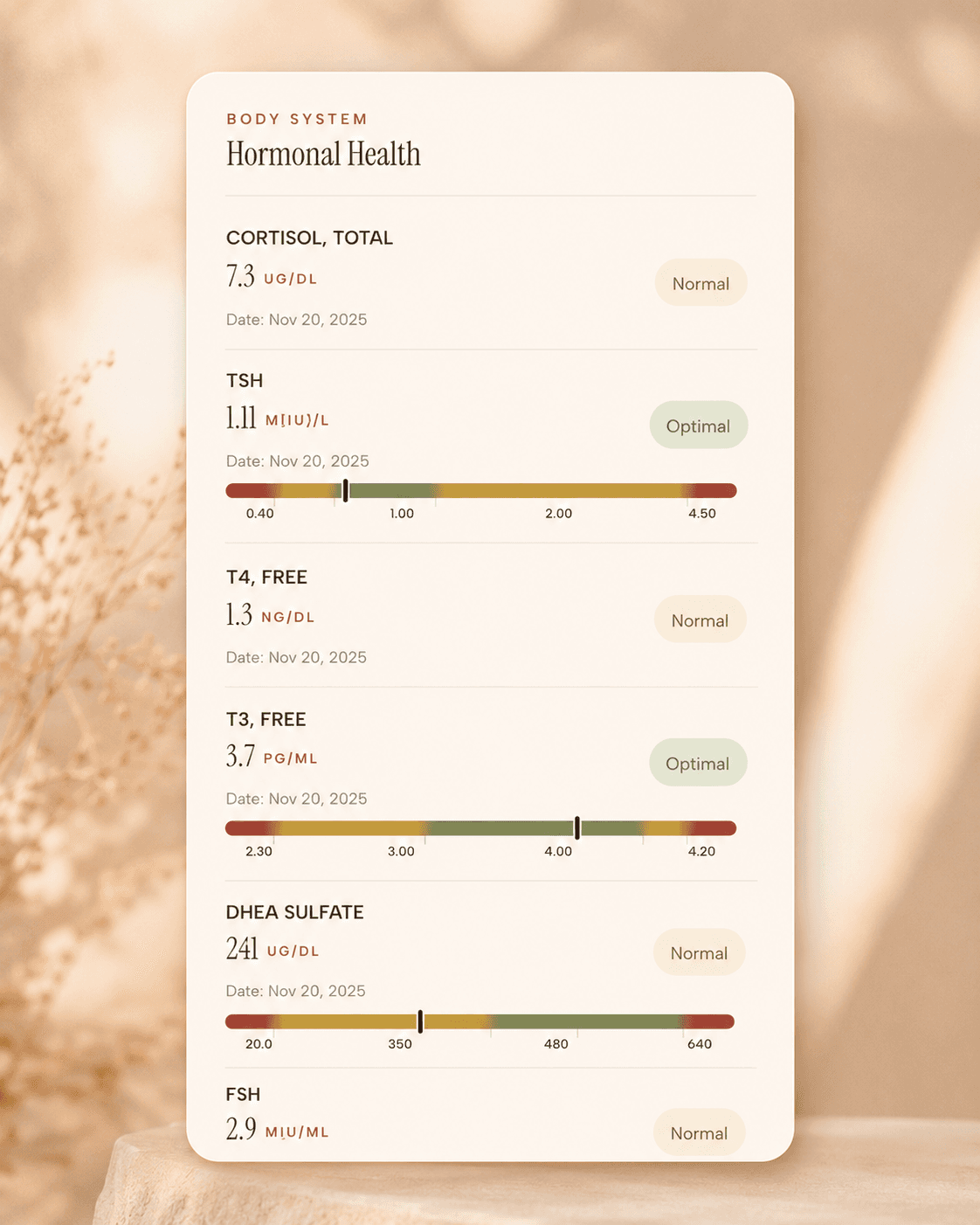
When your thyroid is underactive, your body tends to run in a lower-energy mode, which can feel like waking up already behind. People often notice cold intolerance, constipation, dry skin, or a subtle “brain fog,” but sometimes the only sign is that sleep doesn’t feel restorative. A TSH test is a good first screen, and if it’s abnormal, your clinician may add free T4 to clarify what’s going on.
Blood sugar swings overnight
If your blood sugar is running high or fluctuating a lot, you can wake up tired because your body is doing extra work overnight. Some people wake up thirsty, need to urinate at night, or feel shaky and hungry early in the morning, which can point to glucose issues. Checking HbA1c helps you see your average blood sugar over about three months, which is more useful than a single fasting number when your main complaint is morning exhaustion.
What actually helps you wake up rested
Treat breathing issues first
If sleep apnea is even a moderate possibility, prioritize confirming it, because no supplement or sleep hack can outwork repeated oxygen drops. A home sleep apnea test is often enough to get started, and treatment might be CPAP, an oral appliance, or targeted weight and sleep-position changes depending on severity. Many people notice improvement within days to weeks once breathing is stabilized.
Make your bedroom a “cool cave”
When hormones make your temperature regulation twitchy, a small heat rise can kick you into lighter sleep. Keep the room cool, use breathable bedding, and consider a fan or cooling mattress pad if you wake sweaty. If you’re waking at the same time nightly, try lowering the thermostat by 1–2°F and see if that reduces awakenings over a week.
Move caffeine earlier, not “less”
In your 50s, caffeine often hangs around longer, which means an afternoon coffee can still be affecting deep sleep at midnight. Instead of trying to quit cold turkey, set a firm “caffeine curfew,” such as no caffeine after 10–11 a.m., and keep the dose consistent for two weeks so you can judge the effect. If you suddenly wake up less groggy, you’ve found a lever you can actually control.
Fix restless legs and nighttime cramps
Restless legs and leg cramps can fragment sleep without fully waking you, so you wake up tired and can’t explain why. Low iron stores are a common contributor, and certain medications can worsen symptoms, so it’s worth connecting the dots rather than just stretching more. If you feel an urge to move your legs at night that improves with walking, bring it up and consider checking ferritin.
Use light to reset your mornings
Morning light is a strong signal to your brain’s sleep-wake clock (circadian rhythm), and it can make your sleep deeper the following night. Get outside within 30 minutes of waking for 10–15 minutes, even if it’s cloudy, and keep indoor lights bright in the first hour. This is especially helpful if you’re drifting later, waking at 3–4 a.m., or feeling “jet-lagged” without traveling.
Lab tests that help explain waking up tired in your 50s
Ferritin
Ferritin is your body's iron storage protein, reflecting total iron stores in the body. In functional medicine, ferritin assessment is crucial for identifying both iron deficiency and iron overload, conditions that can significantly impact energy levels and overall health. Low ferritin is the earliest sign of iron deficiency, often occurring before anemia develops. This can cause fatigue, weakness, restless leg syndrome, and cognitive impairment. Conversely, elevated ferritin may indicate iron overload, inflamma…
Learn moreTSH
TSH is the master regulator of thyroid function, controlling the production of thyroid hormones T4 and T3. In functional medicine, we use narrower TSH ranges than conventional medicine to identify subclinical thyroid dysfunction early. Even mildly elevated TSH can indicate thyroid insufficiency, leading to fatigue, weight gain, depression, and metabolic dysfunction. TSH levels are influenced by stress, nutrient deficiencies, autoimmune conditions, and environmental toxins. Optimal TSH supports energy, metabolism…
Learn moreIron Binding Capacity
TIBC helps distinguish between different causes of abnormal iron levels. High TIBC indicates iron deficiency (the body increases transferrin to capture more iron), while low TIBC suggests iron overload or chronic disease. It's essential for accurate iron status assessment. Total Iron Binding Capacity (TIBC) measures the blood's capacity to bind iron with transferrin, the main iron transport protein. It indirectly reflects transferrin levels and iron status.
Learn moreLab testing
Check TSH, ferritin, and HbA1c at Quest
starting from $99 panel with 100+ tests, one visit
No referral needed
About 1 week
Schedule online — results typically within a week
Clear next steps
Guidance included, with follow-up care available
HSA / FSA
Eligible for pre-tax health spending accounts
Pro Tips
Do a two-week “rested score” log: each morning rate how restored you feel from 0–10, and write down whether you snored, woke to pee, drank alcohol, or had late caffeine. Patterns show up faster than you’d think, and they point you toward the right fix.
Try the “side-sleep experiment” for one week if you snore: use a body pillow or a backpack-with-a-pillow trick to keep yourself off your back. If your morning energy noticeably improves, it’s a strong clue that airway collapse is part of the story.
If you wake up with a headache or dry mouth, put a glass of water by the bed and note whether you’re breathing through your mouth overnight. Mouth breathing often travels with nasal congestion or sleep apnea, and treating the cause can change your mornings.
If you suspect low iron, don’t start high-dose iron blindly. Get ferritin checked first, then recheck after 8–12 weeks of a plan, because too much iron is also a problem and you want to know you’re moving the number.
Pick one “anchor wake time” and keep it within 30 minutes every day for two weeks, even on weekends. This stabilizes your sleep drive so you’re more likely to get deeper sleep rather than long, light sleep that leaves you tired.
Frequently Asked Questions
Why do I sleep 8 hours and still wake up exhausted?
Usually it’s because your sleep is fragmented, not because you’re “not sleeping enough.” Sleep apnea, hot flashes, restless legs, and blood sugar issues can all cause repeated micro-awakenings that you don’t remember, but your brain does. If you snore or feel sleepy during the day, prioritize a sleep apnea screen and consider checking TSH, ferritin, and HbA1c to look for common medical contributors.
What are the signs of sleep apnea in your 50s?
Loud snoring, gasping or choking at night, morning headaches, dry mouth, and feeling sleepy while driving are classic signs. Some people also notice mood changes, higher blood pressure, or waking up to urinate more than once. If you have these symptoms, ask for a home sleep apnea test or a sleep clinic referral, because treatment can improve energy quickly.
Can menopause make you wake up tired even without night sweats?
Yes. Hormone shifts can make your sleep lighter and reduce deep sleep even when you are not drenched in sweat, so you wake up feeling unrefreshed and irritable. If you also have new anxiety, early-morning awakenings, or heat sensitivity, menopause-related sleep fragmentation becomes more likely. Track symptoms for two weeks and bring the pattern to your clinician to discuss options.
What ferritin level is too low for energy?
Labs often flag ferritin as “low” only at very low numbers, but fatigue and restless legs can show up earlier. For sleep-related symptoms, many clinicians consider ferritin below about 30 ng/mL clearly low, and many people feel better when ferritin is above 50 ng/mL if iron repletion is safe for them. The actionable step is to test ferritin first, then treat and recheck rather than guessing.
Which blood tests are most useful for waking up tired?
A practical first trio is TSH for thyroid-related low energy, ferritin for low iron stores that can worsen sleep quality, and HbA1c for blood sugar patterns that disrupt sleep and recovery. These tests don’t diagnose sleep apnea, but they can explain why you feel drained even when sleep time looks “good.” If results are normal and you still wake exhausted, a sleep study is often the next highest-yield step.