Why You Wake Up Tired in Your 60s (Even After 8 Hours)
Waking up tired in your 60s often comes from sleep apnea, low thyroid, or low iron. Targeted labs and screening can pinpoint it—no referral needed.






Waking up tired in your 60s usually means your sleep looked “long enough” on the clock, but it was fragmented or low-quality because of sleep apnea, restless legs, or a body issue like low thyroid or low iron. Medications, alcohol, and late-day caffeine can also quietly block deep sleep, so you wake up feeling like you never fully shut down. A few targeted labs and the right kind of sleep screening can help you figure out which bucket you’re in. This symptom is frustrating because it can feel like a character flaw when it’s often a biology problem. Sleep changes with age, and you may spend less time in deep sleep, but you should still be able to wake up reasonably refreshed most days. The goal of this page is to help you connect the dots between what’s happening at night and how you feel in the morning, and to give you a plan you can actually try. If you want help sorting your pattern, PocketMD can walk through your symptoms, and Vitals Vault labs can help you check common “hidden” contributors without waiting weeks for an appointment.
Why you wake up tired in your 60s
Sleep apnea breaks your sleep
With obstructive sleep apnea, your airway narrows during sleep, so your brain keeps “nudging” you awake to breathe even if you don’t remember it. That constant micro-waking blocks deep, restorative sleep, which is why you can get 7–8 hours and still feel wiped out at 8 a.m. If you snore, wake with a dry mouth, or feel sleepy while reading or watching TV, ask for a sleep study rather than trying to “sleep harder.”
Restless legs keeps you half-awake
Restless legs syndrome is that uncomfortable urge to move your legs when you’re trying to relax, and it often comes with leg kicks during sleep that you never notice. Your body keeps shifting out of deeper sleep stages, so you wake up feeling like you were “on call” all night. Low iron stores are a common driver, so checking ferritin can be more useful than a basic iron level if this sounds like you.
Low thyroid slows your system
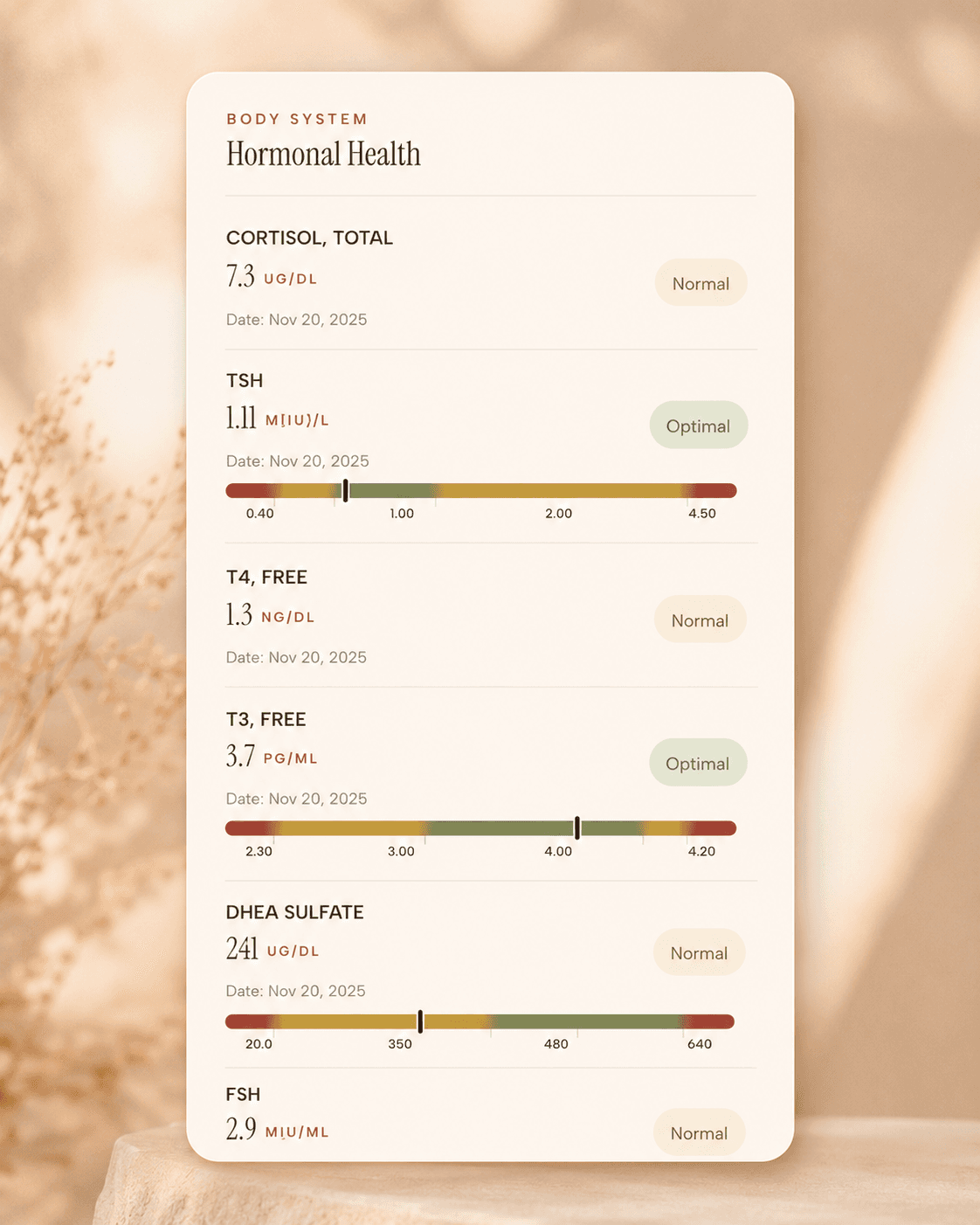
When your thyroid is underactive, your metabolism runs at a lower gear, which can feel like heavy morning fatigue, brain fog, and a body that takes longer to “boot up.” The tricky part is that this fatigue can look like depression or just “getting older,” so it gets missed. A TSH test is the usual starting point, and if it is off, your clinician may add free T4 to confirm what’s going on.
Low iron or B12 reduces oxygen
If you are low on iron or vitamin B12, your body may struggle to make healthy red blood cells, which means your tissues get less oxygen and your muscles feel weak or achy in the morning. In your 60s, this can come from slow blood loss, stomach issues that reduce absorption, or diet changes. The takeaway is simple: if you also get short of breath on stairs or feel your heart pounding with small efforts, it’s worth checking ferritin and B12 instead of assuming it’s “just sleep.”
Alcohol, caffeine, and meds disrupt sleep
Alcohol can make you fall asleep faster, but it tends to fragment sleep in the second half of the night, which is exactly when you want steady deep sleep and REM for mental clarity. Late-day caffeine can linger longer as you age, so your brain stays more alert even if you feel tired. Some common medications in your 60s, including certain antidepressants, steroids, and beta blockers, can also change sleep architecture, so bring a full medication list to your next visit and ask, “Could any of these be making my sleep lighter?”
What actually helps you wake up rested
Screen for sleep apnea early
If sleep apnea is on the table, the most effective “sleep improvement” is treating the breathing problem, not adding more supplements. A home sleep apnea test is often enough to diagnose moderate to severe cases, and treatment like CPAP or an oral appliance can change your mornings within days to weeks. While you’re waiting, try side-sleeping and elevating the head of your bed a few inches, because both can reduce airway collapse for some people.
Shift caffeine earlier than you think
In your 60s, caffeine can hang around longer, so a 2 p.m. coffee can still be affecting your 10 p.m. brain. Try a two-week experiment where your last caffeine is no later than 10 a.m., and keep the dose the same so you’re only changing timing. If your sleep becomes deeper but you feel a little headachy for a few days, that is a sign the experiment is actually testing something real.
Treat restless legs at the root
If your legs feel jumpy at night, start by checking iron stores and correcting them if ferritin is low, because that can reduce symptoms without long-term medication. Gentle calf stretching and a warm shower 60–90 minutes before bed can also calm the “need to move” feeling for some people. If symptoms are frequent, ask specifically about restless legs treatment options, because the right plan depends on whether your main issue is discomfort, sleep disruption, or both.
Build a consistent wake-up anchor
When you wake at wildly different times, your body clock gets confused, and you can feel groggy even after enough hours. Choose a wake time you can keep at least 6 days a week, then get 10–15 minutes of outdoor light within the first hour, because morning light is a strong signal that improves nighttime sleep drive. This is not about willpower; it is about giving your brain a reliable schedule so it stops “light sleeping” in anticipation.
Review meds with a sleep lens
If your fatigue started after a new prescription or dose change, that timing matters. Ask your clinician whether the medication can cause insomnia, vivid dreams, nighttime urination, or morning grogginess, and whether changing the dose timing could help. Do not stop heart, blood pressure, or mood medications on your own, but do treat sleep side effects as fixable rather than something you have to tolerate.
Useful biomarkers to discuss with your clinician
TSH
TSH is the master regulator of thyroid function, controlling the production of thyroid hormones T4 and T3. In functional medicine, we use narrower TSH ranges than conventional medicine to identify subclinical thyroid dysfunction early. Even mildly elevated TSH can indicate thyroid insufficiency, leading to fatigue, weight gain, depression, and metabolic dysfunction. TSH levels are influenced by stress, nutrient deficiencies, autoimmune conditions, and environmental toxins. Optimal TSH supports energy, metabolism…
Learn moreFerritin
Ferritin is your body's iron storage protein, reflecting total iron stores in the body. In functional medicine, ferritin assessment is crucial for identifying both iron deficiency and iron overload, conditions that can significantly impact energy levels and overall health. Low ferritin is the earliest sign of iron deficiency, often occurring before anemia develops. This can cause fatigue, weakness, restless leg syndrome, and cognitive impairment. Conversely, elevated ferritin may indicate iron overload, inflamma…
Learn moreVitamin B12
Vitamin B12 (cobalamin) is essential for DNA synthesis, red blood cell formation, neurological function, and energy metabolism. In functional medicine, we recognize that B12 deficiency is surprisingly common, especially in older adults, vegetarians, vegans, and those with digestive issues. B12 deficiency can cause irreversible neurological damage if left untreated. The vitamin is crucial for methylation reactions, which affect cardiovascular health, detoxification, and gene expression. Even subclinical deficienc…
Learn moreLab testing
Check TSH, ferritin, and vitamin B12 at Quest
starting from $99 panel with 100+ tests, one visit
No referral needed
About 1 week
Schedule online — results typically within a week
Clear next steps
Guidance included, with follow-up care available
HSA / FSA
Eligible for pre-tax health spending accounts
Pro Tips
Do a 14-day “morning score” log: rate how rested you feel from 1–10 within five minutes of waking, and write one sentence about the night (snoring, bathroom trips, leg restlessness, alcohol, or late caffeine). Patterns show up faster than you expect.
If you wake up with a headache, dry mouth, or sore throat, treat that as a sleep apnea clue rather than a random annoyance. Try side-sleeping with a pillow behind your back for a week and see if mornings improve while you arrange proper screening.
If your legs feel uncomfortable at night, test ferritin before you buy another magnesium. If ferritin is low, correcting iron stores often helps more than any bedtime routine.
Try a “first-hour rule” for two weeks: no phone scrolling in bed, and get bright outdoor light within 60 minutes of waking. It sounds small, but it can tighten your sleep rhythm and reduce that foggy, half-awake feeling.
If you nap, keep it short and early: aim for 15–25 minutes and finish before 2 p.m. Longer or later naps can steal sleep pressure from the night and make you wake up tired again the next day.
Frequently Asked Questions
Why do I wake up tired even after 8 hours of sleep?
Usually it is because your sleep was broken up, not because you lacked hours. Sleep apnea, restless legs, alcohol, and some medications can cause repeated micro-awakenings that you do not remember, which blocks deep sleep. If you also snore, wake with a dry mouth, or feel sleepy during quiet daytime activities, ask for sleep apnea screening.
Is waking up tired in your 60s normal aging or a problem?
Sleep does change with age, but routinely waking up exhausted is not something you have to accept as “normal.” In your 60s, treatable issues like sleep apnea, low thyroid (TSH), and low iron stores (ferritin) become more common and can mimic aging. If this is happening most mornings for more than 2–3 weeks, it is worth a focused workup rather than guessing.
What are the signs of sleep apnea besides snoring?
Common signs include waking up with a headache, dry mouth, or sore throat, needing to urinate at night, and feeling unusually sleepy while reading or watching TV. Some people also notice mood changes or trouble concentrating in the morning because their brain never gets steady deep sleep. If a partner has seen breathing pauses or gasping, that is a strong reason to request a sleep study.
What blood tests should I get for morning fatigue?
A practical starting trio is TSH for thyroid function, ferritin for iron stores, and vitamin B12 for nerve and red blood cell support. These tests help catch common, fixable contributors to unrefreshing sleep and low morning energy, especially in your 60s. If any result is abnormal, follow up with your clinician to interpret it in context and decide what to treat first.
How long does it take to feel better after treating the cause?
It depends on the driver, but you often see early changes within 1–2 weeks when sleep fragmentation improves. CPAP for sleep apnea can improve morning clarity quickly, while iron or B12 repletion may take several weeks as your body rebuilds stores and healthy blood cells. Pick one change to start this week, track your morning score daily, and use that data to guide the next step.