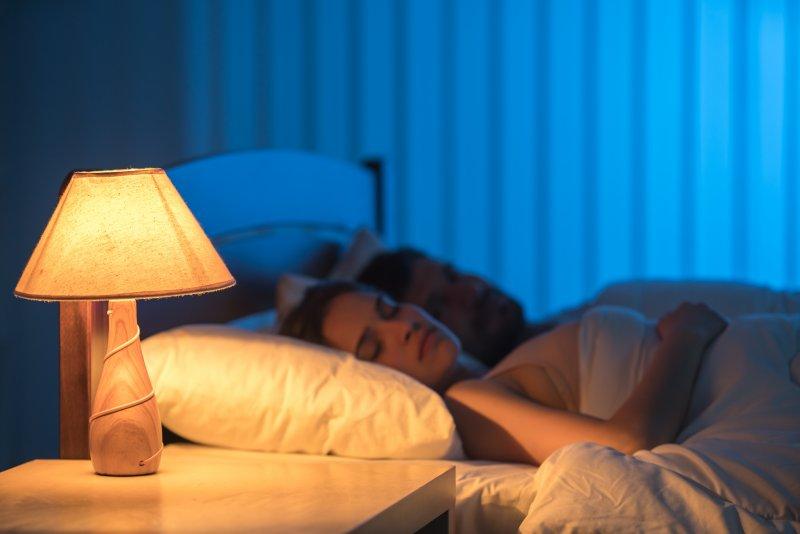
Why Is Your Sleep Getting Worse in Your 50s?
Poor sleep in your 50s often comes from hormone shifts, sleep apnea, or thyroid changes. Targeted labs can help—no referral needed.






Poor sleep in your 50s is usually your brain getting “lighter” sleep because of hormone shifts, breathing disruptions like sleep apnea, or an underlying body change such as thyroid imbalance. It can feel like you are doing everything right and still waking up at 2–4 a.m. or lying there wired. A few targeted labs and the right kind of sleep evaluation can help you pinpoint which bucket you are in. This decade is a perfect storm because your sleep drive is a little weaker than it used to be, your stress system can run hotter, and new health issues can quietly show up in the background. The good news is that most of the common causes are fixable once you name them, and you do not have to guess your way through supplements and sleep aids. If you want help sorting your pattern, PocketMD can walk through your symptoms and risks, and Vitals Vault labs can help you check the most common medical contributors.
Why Is Your Sleep Getting Worse in Your 50s?
Hormone shifts change sleep depth
In your 50s, changing estrogen and progesterone can make sleep lighter and more fragmented, and testosterone shifts can do something similar for some men. You might fall asleep fine but wake up too easily, or you might get hot, sweaty, and then fully awake. If your sleep got worse around new hot flashes, night sweats, or cycle changes, that timing is a clue worth bringing to a clinician because targeted treatment can help.
Sleep apnea disrupts your oxygen
Obstructive sleep apnea happens when your airway narrows during sleep, so your brain keeps “micro-waking” you to breathe. You may not remember waking up, but you wake unrefreshed, with a dry mouth, morning headaches, or you need naps you never used to need. If you snore, gasp, or your partner notices pauses in breathing, ask about a home sleep study, because treating apnea often improves sleep within days to weeks.
Stress system stays switched on
When your stress response is running high, your body releases more alerting hormones at night, which makes your mind feel busy and your heart feel a little too present in your chest. This is why you can be exhausted but still feel “tired and wired,” especially after a demanding day or a late-night email spiral. The takeaway is that the fix is not willpower—it is retraining your sleep system with a structured approach like CBT-I rather than chasing sedation.
Thyroid imbalance keeps you alert
An overactive thyroid can make you feel revved up, sweaty, and restless, while an underactive thyroid can worsen fatigue and mood in a way that still disrupts sleep quality. In real life, it often shows up as new heat intolerance, palpitations, anxiety-like feelings, or unexplained weight change alongside insomnia. A simple TSH test is a good starting point, because thyroid-related sleep problems improve when the thyroid is treated.
Low iron affects restless legs
If your iron stores are low, your legs can feel creepy-crawly or achy at night, and moving them becomes the only thing that brings relief. That pattern is common in restless legs syndrome, and it can keep you from falling asleep or wake you repeatedly. The useful step here is checking ferritin, because many people feel better when ferritin is brought up into a more sleep-friendly range rather than just barely “normal.”
What Actually Helps You Sleep Again
Use CBT-I, not just “hygiene”
CBT-I (cognitive behavioral therapy for insomnia) works because it rebuilds the link between your bed and sleep, and it resets the timing of your sleep drive. It usually includes a consistent wake time, a temporary sleep window, and a plan for what to do when you are awake so you stop training your brain to be alert in bed. If you have had insomnia for more than three months, CBT-I is one of the highest-impact steps you can take.
Screen for sleep apnea early
If apnea is on the table, the most helpful “sleep tip” is getting tested rather than trying to out-hack it with mouth tape or extra pillows. A home sleep test can confirm whether breathing disruptions are fragmenting your sleep, and treatment can be as simple as CPAP, a dental device, or positional therapy depending on severity. You will know it is working when morning headaches, nighttime bathroom trips, and daytime sleepiness start to ease.
Time caffeine like a medication
In your 50s, caffeine can linger longer, which means a 2 p.m. coffee can still be active at bedtime even if it never used to bother you. Try a two-week experiment where you keep your total caffeine the same but move your last dose earlier, ideally before noon, and watch what happens to sleep onset and 3 a.m. wake-ups. If sleep improves, you have found a lever that costs nothing and does not require quitting coffee entirely.
Treat hot flashes and night sweats
If heat is what wakes you, you will not fix your sleep until you fix the heat. Cooling the bedroom helps, but so does addressing the underlying trigger with options like hormone therapy when appropriate, or non-hormonal prescription choices for vasomotor symptoms. A practical first step is tracking whether awakenings follow sweating or a sudden “rush of heat,” because that pattern points you toward menopause-focused treatment rather than insomnia-only treatment.
Be strategic with sleep meds
Sleep medications can be useful for short-term stabilization, but they can also leave you foggy, worsen balance, or mask an underlying issue like apnea. If you are relying on nightly antihistamines, alcohol, or increasing doses of sleep aids, it is worth having a plan to taper and replace them with CBT-I or targeted treatment. Ask specifically about options that match your problem—sleep onset versus sleep maintenance—so you are not taking the wrong tool for your pattern.
Useful biomarkers to discuss with your clinician
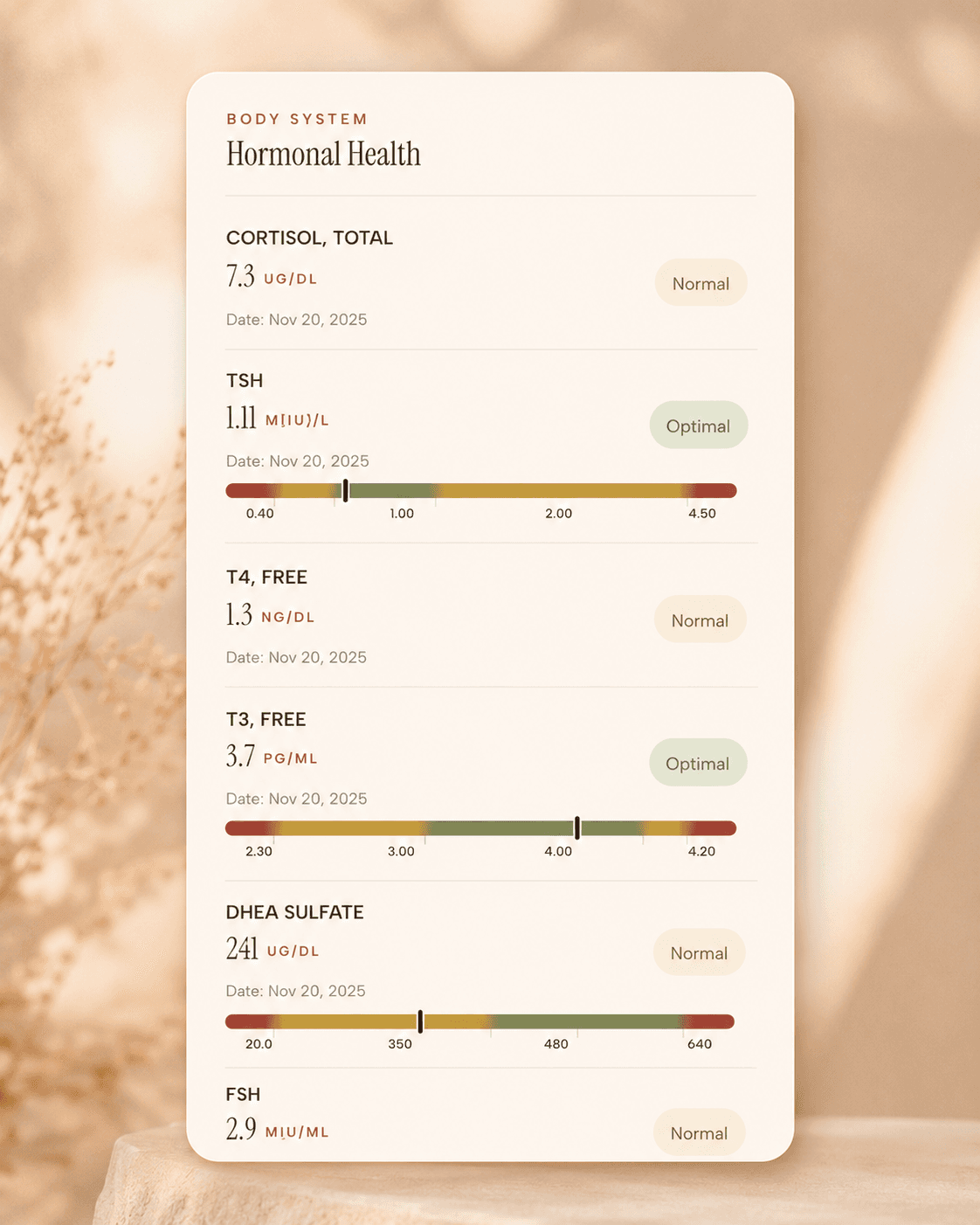
TSH
TSH is the master regulator of thyroid function, controlling the production of thyroid hormones T4 and T3. In functional medicine, we use narrower TSH ranges than conventional medicine to identify subclinical thyroid dysfunction early. Even mildly elevated TSH can indicate thyroid insufficiency, leading to fatigue, weight gain, depression, and metabolic dysfunction. TSH levels are influenced by stress, nutrient deficiencies, autoimmune conditions, and environmental toxins. Optimal TSH supports energy, metabolism…
Learn moreTestosterone, Total, Ms
Total testosterone is the primary male sex hormone responsible for muscle mass, bone density, libido, energy levels, and cognitive function. In functional medicine, we recognize testosterone as a key marker of vitality and aging. Low testosterone (hypogonadism) affects up to 40% of men over 45 and is linked to metabolic syndrome, cardiovascular disease, depression, and reduced quality of life. Optimal testosterone levels support healthy body composition, sexual function, motivation, and overall masculine vitalit…
Learn moreEstradiol
Estradiol in men is produced from testosterone via aromatase enzyme. In functional medicine, we recognize that men need optimal estradiol levels for bone health, cognitive function, and cardiovascular protection. However, excessive estradiol can suppress testosterone production and cause feminizing effects. The testosterone-to-estradiol ratio is crucial for male health, with optimal balance supporting vitality while preventing estrogen dominance. Balanced estradiol levels in men support bone health and cognitive…
Learn moreLab testing
Get thyroid, iron, and vitamin D checked at Quest
starting from $99 panel with 100+ tests, one visit
No referral needed
About 1 week
Schedule online — results typically within a week
Clear next steps
Guidance included, with follow-up care available
HSA / FSA
Eligible for pre-tax health spending accounts
Pro Tips
Try a “same wake time” experiment for 14 days, even on weekends, because a stable wake time strengthens your sleep drive more reliably than an early bedtime does.
If you wake up and feel wide awake, get out of bed after about 20 minutes and do something boring in dim light until you feel sleepy again, because staying in bed awake trains your brain that bed equals thinking.
If you suspect night sweats, keep a simple note for one week of whether you woke up hot versus neutral, because that single detail often separates menopause-related awakenings from classic insomnia.
If your legs feel restless at night, write down whether movement relieves the sensation and whether it is worse in the evening, because that pattern makes ferritin testing and targeted iron replacement much more likely to help.
If you snore or wake with a dry mouth, record a short audio clip overnight or ask a partner what they notice, because real-world evidence of gasping or pauses makes it easier to get a sleep study approved quickly.
Frequently Asked Questions
Why do I keep waking up at 3 a.m. in my 50s?
In your 50s, 3 a.m. wake-ups are often driven by lighter sleep from hormone shifts, a stress response that spikes in the early morning, or breathing disruptions like sleep apnea. If you wake hot and sweaty, think vasomotor symptoms; if you wake with a dry mouth or headaches, think apnea; if you wake with racing thoughts, think hyperarousal insomnia. Track the pattern for a week and bring it to a clinician so you can match the fix to the cause.
Is it normal to sleep less in your 50s?
It is common for sleep to become lighter with age, but it is not “normal” to feel chronically exhausted or to need sleep aids just to function. Many people still need around 7–9 hours, but they may need more consistent routines to get it. If your sleep change is new or paired with loud snoring, mood changes, or weight change, it is worth evaluating rather than accepting it.
What labs should I get for insomnia in my 50s?
The most useful starting labs for poor sleep in this decade often include TSH for thyroid balance, ferritin for iron stores that affect restless legs, and 25-hydroxy vitamin D for overall recovery and mood support. Abnormal results do not automatically “explain everything,” but they can identify fixable contributors that make insomnia harder to treat. If you also have heavy snoring or gasping, add a sleep study, because labs cannot diagnose apnea.
Can menopause cause insomnia even if I don’t have hot flashes?
Yes. Hormone shifts can change sleep architecture so you spend less time in deeper stages, which can feel like you are sleeping but not restoring. Hot flashes make the connection obvious, but mood changes, anxiety, and nighttime awakenings can happen even without noticeable sweating. If the timing matches perimenopause or menopause, ask about menopause-focused options alongside CBT-I.
What is the best treatment for chronic insomnia at this age?
For chronic insomnia, CBT-I is considered first-line because it treats the underlying sleep system rather than just sedating you. Medications can be helpful as a short-term bridge, but they work best when paired with a plan and when sleep apnea has been ruled out. If you have had insomnia for more than three months, look for a CBT-I program or a clinician who offers it and commit to at least 4–8 weeks.