Why You Wake Up Tired in Your 30s (Even After 8 Hours)
Waking up tired in your 30s is often from sleep apnea, low iron, or thyroid slowdown. Pinpoint it with targeted labs—no referral needed.






Waking up tired in your 30s usually means your sleep wasn’t as restorative as it looked on the clock, often because your breathing was disrupted (sleep apnea), your body couldn’t carry oxygen well (low iron), or your metabolism slowed (thyroid issues). Stress and alcohol can also fragment deep sleep so you wake up “technically rested” but still feel wrecked. A few targeted labs and the right screening questions can help pinpoint which one fits you. This is a frustrating symptom because you can do “everything right” and still feel like you got hit by a truck at 7 a.m. In your 30s, work stress, parenting, late-night screens, and creeping weight changes can all quietly shift sleep quality without changing total hours. The goal of this page is to help you match your pattern to the most likely causes, then choose a next step that actually moves the needle—whether that’s a sleep study, a specific habit change, or checking a couple of labs through VitalsVault. If you want help sorting your story into a plan, PocketMD can walk through it with you in plain language.
Why you wake up tired in your 30s
Breathing pauses during sleep (apnea)
If your airway narrows at night, your brain has to partially “wake up” to reopen it, even if you don’t remember it. That repeated micro-arousal steals deep sleep, which is the part that makes you feel restored, so you can wake up with a headache, dry mouth, or a heavy, foggy body. A big clue is loud snoring, gasping, or feeling worse after a full night than after a shorter one. If this sounds familiar, ask your clinician about a home sleep apnea test, because treating apnea often improves mornings fast.
Low iron stores (low ferritin)
You can have “normal” hemoglobin and still have low iron reserves, which means your muscles and brain are running on a thinner oxygen and energy buffer. In real life that can feel like waking up with lead limbs, needing caffeine just to function, or getting short of breath on stairs that used to be easy. Heavy periods, frequent blood donation, and endurance training make this more likely in your 30s. Ferritin is the lab that usually tells the story, and many people feel best when ferritin is roughly above 50 ng/mL, not just barely in range.
Thyroid slowdown (hypothyroidism)
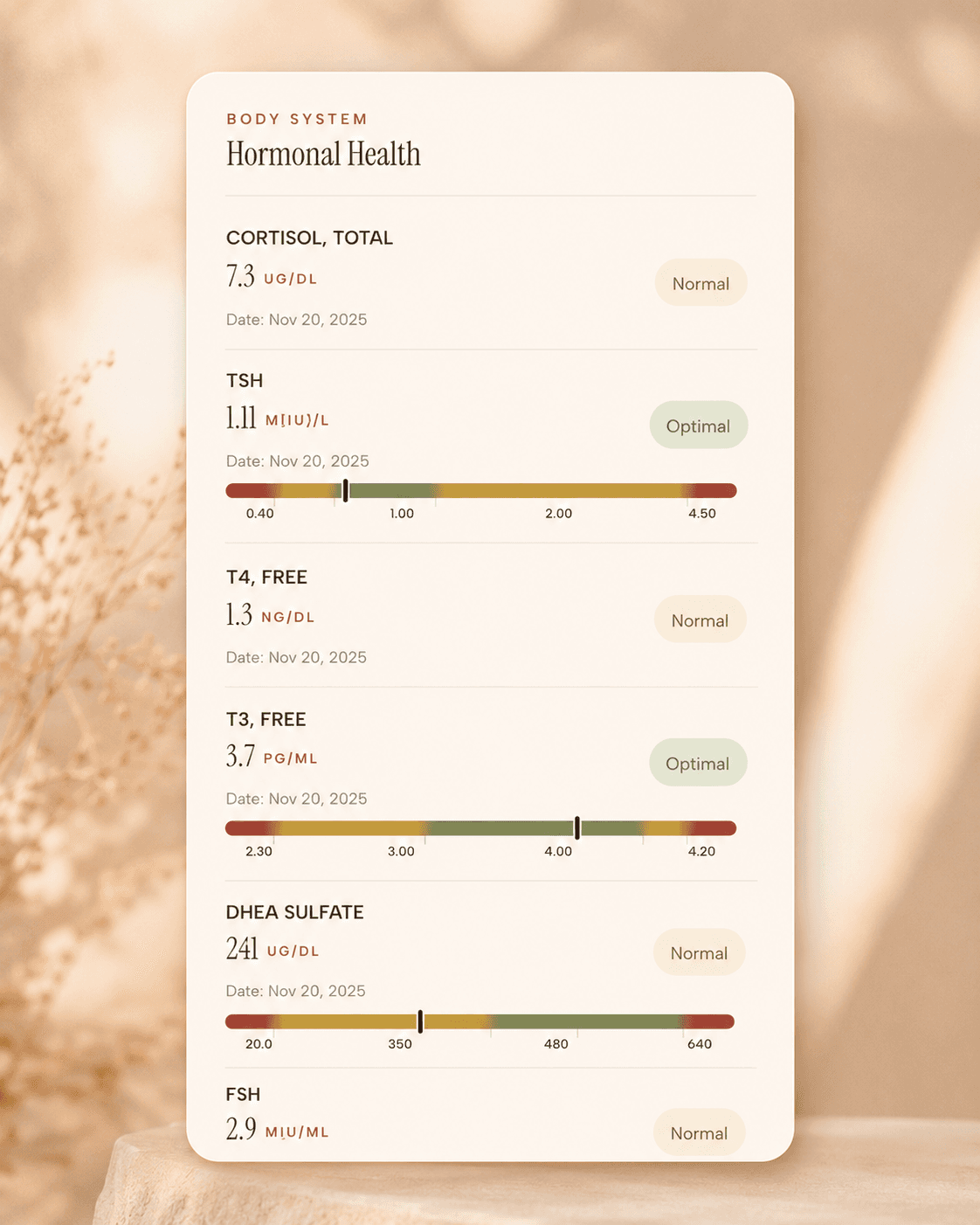
When your thyroid is underactive, your cells turn fuel into energy more slowly, which can make sleep feel like it never “charged the battery.” You might also notice feeling cold, constipation, dry skin, or gradual weight gain that doesn’t match your habits. The tricky part is that mild thyroid changes can look like burnout at first, especially in busy 30-something life. A TSH test is a good starting point, and if it’s off, your clinician may add free T4 to confirm what’s going on.
Blood sugar swings overnight
If your blood sugar rises and falls more than it should, your body releases stress hormones to stabilize it, and those hormones can make sleep lighter and more fragmented. Some people wake up at 3–4 a.m. with a wired feeling, while others sleep through but wake up drained and hungry. This can show up with increased thirst, more frequent urination, or a mid-afternoon crash that feels like a wall. An HbA1c test helps spot early insulin resistance, which is common in the 30s even in people who don’t “look” like they have it.
Alcohol, cannabis, or sleep meds
These can help you fall asleep, but they often reduce the quality of the second half of the night, when your brain normally gets more REM sleep and your body finishes recovery. The result is a classic pattern: you pass out quickly, then wake up too early or wake up tired with a dull mood and poor focus. Even one or two drinks within a few hours of bed can do this, especially as your 30s metabolism changes. A practical test is a two-week “clean sleep” experiment where you avoid alcohol and THC on weeknights and see if your mornings noticeably improve.
What actually helps you wake up rested
Screen for sleep apnea on purpose
If you snore, wake up with a headache, or feel sleepy while driving, don’t just blame stress—treat it like a solvable problem. Ask for a home sleep apnea test, or use a validated screener like STOP-Bang to decide how urgent it is. If apnea is confirmed, CPAP, oral appliances, and targeted weight loss can all improve morning energy because they stop the repeated oxygen dips. The key is that “more sleep” won’t fix apnea, but treating apnea often fixes the tired mornings.
Build a 30-minute wind-down that sticks
Your brain can’t drop into deep sleep if you go from work stress straight into bed, even if you’re exhausted. Pick a short routine you can repeat: dim lights, put your phone on a charger outside the bed, and do something boring and calming like a shower or a paperback. This matters because deep sleep is front-loaded in the night, so the first hour after you fall asleep is when you most want your body to feel safe and settled. If you only change one thing, change the last 30 minutes before bed.
Use caffeine like a tool, not a rescue
When you wake up tired, it’s tempting to slam caffeine immediately, but that can backfire by pushing your natural morning alertness hormones into a messy pattern. Try delaying your first caffeine by 60–90 minutes after waking, then keep it earlier in the day so it doesn’t steal deep sleep later. If you need caffeine after 2 p.m. just to stay functional, treat that as a clue that something upstream needs fixing. A simple rule is “caffeine early, not constantly.”
Treat iron deficiency if labs support it
If ferritin is low, food alone often takes a long time to rebuild stores, especially if heavy periods continue. Your clinician may recommend an iron supplement schedule that you can actually tolerate, and taking it away from calcium and with vitamin C can improve absorption. You should expect energy changes to be gradual, not overnight, because your body is rebuilding reserves. Recheck ferritin after about 8–12 weeks so you know you’re moving in the right direction.
Anchor your mornings with light and movement
If you feel groggy for hours, your body clock may be drifting later, which makes waking feel like jet lag. Get outdoor light in your eyes within 30 minutes of waking, and add 5–10 minutes of easy movement like a brisk walk or mobility work. This helps your brain set a clear “daytime” signal, which often improves sleep pressure that night. It sounds small, but it can change how quickly you feel human in the morning.
Lab tests that help explain waking up tired in your 30s
Ferritin
Ferritin is your body's iron storage protein, reflecting total iron stores in the body. In functional medicine, ferritin assessment is crucial for identifying both iron deficiency and iron overload, conditions that can significantly impact energy levels and overall health. Low ferritin is the earliest sign of iron deficiency, often occurring before anemia develops. This can cause fatigue, weakness, restless leg syndrome, and cognitive impairment. Conversely, elevated ferritin may indicate iron overload, inflamma…
Learn moreTSH
TSH is the master regulator of thyroid function, controlling the production of thyroid hormones T4 and T3. In functional medicine, we use narrower TSH ranges than conventional medicine to identify subclinical thyroid dysfunction early. Even mildly elevated TSH can indicate thyroid insufficiency, leading to fatigue, weight gain, depression, and metabolic dysfunction. TSH levels are influenced by stress, nutrient deficiencies, autoimmune conditions, and environmental toxins. Optimal TSH supports energy, metabolism…
Learn moreGlucose
Fasting glucose is a fundamental marker of glucose metabolism and insulin function. In functional medicine, we recognize that even 'normal' glucose levels in the upper range may indicate early insulin resistance. Optimal fasting glucose reflects efficient glucose regulation and insulin sensitivity. Elevated fasting glucose suggests the body's inability to maintain normal glucose levels overnight, indicating hepatic insulin resistance or insufficient insulin production. This marker is essential for early detectio…
Learn moreLab testing
Check ferritin, TSH, and HbA1c at Quest
starting from $99 panel with 100+ tests, one visit
No referral needed
About 1 week
Schedule online — results typically within a week
Clear next steps
Guidance included, with follow-up care available
HSA / FSA
Eligible for pre-tax health spending accounts
Pro Tips
Do a two-week “morning score” log: rate how you feel 30 minutes after waking (0–10), and write down bedtime, alcohol/THC use, and whether you snored or woke with a dry mouth. Patterns show up faster than you’d think.
If you suspect apnea, record 30 seconds of your breathing during sleep with a phone app or ask a partner what they notice. Hearing gasps or long pauses is often the push people need to get tested.
Try a protein-forward breakfast for seven days, even if you’re not hungry. A simple option like Greek yogurt or eggs can smooth mid-morning crashes that make the whole day feel like you “woke up tired.”
If you wake up at the same early time most nights, get out of bed after about 20 minutes of being awake and do something dim and boring until you feel sleepy again. This retrains your brain to link your bed with sleeping, not with frustrated wakefulness.
If you have heavy periods and you’re waking up exhausted, don’t guess—check ferritin. If it’s low, treating the iron problem is often more effective than changing your entire sleep routine.
Frequently Asked Questions
Why do I wake up tired even after 8 hours of sleep?
Because 8 hours on the clock does not guarantee enough deep sleep and uninterrupted breathing. Sleep apnea, alcohol close to bedtime, and stress-related micro-awakenings can all fragment sleep so you wake up foggy. If you also snore, wake with a headache, or feel sleepy while driving, ask about a home sleep apnea test. If the pattern is more “heavy and sluggish,” checking ferritin and TSH can be a smart next step.
How do I know if I have sleep apnea or I’m just stressed?
Stress usually makes it hard to fall asleep or keeps your mind racing, while sleep apnea often looks like you sleep “fine” but wake up unrefreshed. Loud snoring, gasping, dry mouth, and morning headaches point more toward apnea. A quick screen like STOP-Bang can estimate risk, but a home sleep apnea test is what confirms it. If you’re unsure, bring your symptoms and a week of sleep notes to a clinician and ask directly about testing.
What vitamin deficiency causes waking up tired?
Low iron stores are one of the most common and most missed reasons, and ferritin is the test that usually catches it. Vitamin B12 and vitamin D can contribute to fatigue too, but they are less specifically tied to “unrefreshing sleep” than iron deficiency or sleep apnea. If you have heavy periods, frequent blood donation, or restless legs, ferritin is a high-yield place to start. Don’t supplement high-dose iron without a lab result, because too much iron can be harmful.
What ferritin level is too low for energy?
Many people start feeling noticeably better when ferritin is above about 50 ng/mL, even if the lab’s “normal” range starts lower. Restless legs symptoms also become more likely when ferritin is under about 50–75 ng/mL. The right target depends on your history, inflammation status, and other labs, but “barely normal” is not always optimal. If your ferritin is low, ask what might be causing it and when to recheck after treatment.
When should I worry about waking up exhausted?
It’s worth taking seriously if you’re nodding off while driving, waking up choking or gasping, or having new severe morning headaches, because those can signal sleep apnea or other problems that need prompt attention. Also pay attention if fatigue is paired with chest pain, fainting, or rapid unintentional weight loss, because those are not “just sleep.” If it’s been going on for more than a month and it’s affecting work, mood, or safety, make a plan: screen for apnea and consider labs like ferritin, TSH, and HbA1c to narrow the cause.