Why You Wake Up Tired in Your 20s (Even After 8 Hours)
Waking up tired in your 20s is often from sleep apnea, iron deficiency, or thyroid issues. Pinpoint it with targeted labs—no referral needed.






Waking up tired in your 20s usually means your sleep isn’t as restorative as it looks on paper, even if you’re in bed for 7–8 hours. The most common culprits are breathing disruptions like sleep apnea, low iron stores that limit oxygen delivery, and hormone slowdowns like an underactive thyroid. A few targeted labs can help you figure out which one fits your body instead of guessing. This symptom is frustrating because it can feel like a personal failure when it’s often a physiology problem. You can be “doing everything right” and still wake up with heavy limbs, brain fog, and a need for caffeine that starts before you’ve even stood up. The good news is that unrefreshing sleep has patterns, and once you spot yours, the fix is usually more specific than “sleep more.” If you want help sorting your pattern, PocketMD can walk through your symptoms with you, and Vitals Vault labs can help confirm (or rule out) common medical causes.
Why you wake up tired in your 20s
Sleep apnea or snoring-related arousals
If your airway narrows during sleep, your brain has to “micro-wake” you to breathe again, even if you don’t remember waking up. That fragments deep sleep, which is the part that makes you feel physically restored, so you can wake up with a headache, dry mouth, or a foggy, heavy feeling. This can happen in your 20s even if you’re not overweight, especially if you have nasal congestion, a small jaw, or you sleep on your back. If you snore, wake up gasping, or feel sleepy while driving, a sleep study (including home testing) is worth prioritizing.
Low iron stores (iron deficiency)
Iron is what your body uses to move oxygen around and to run energy-making enzymes, so when your iron stores run low, sleep can feel like it “doesn’t work.” You might notice restless legs at night, a racing heart with stairs, or feeling wiped out after workouts that used to be easy. Heavy periods, frequent blood donation, and endurance training are common reasons this shows up in your 20s. Ferritin is the key test here because hemoglobin can look normal while your iron tank is already empty.
Thyroid running slow (hypothyroidism)
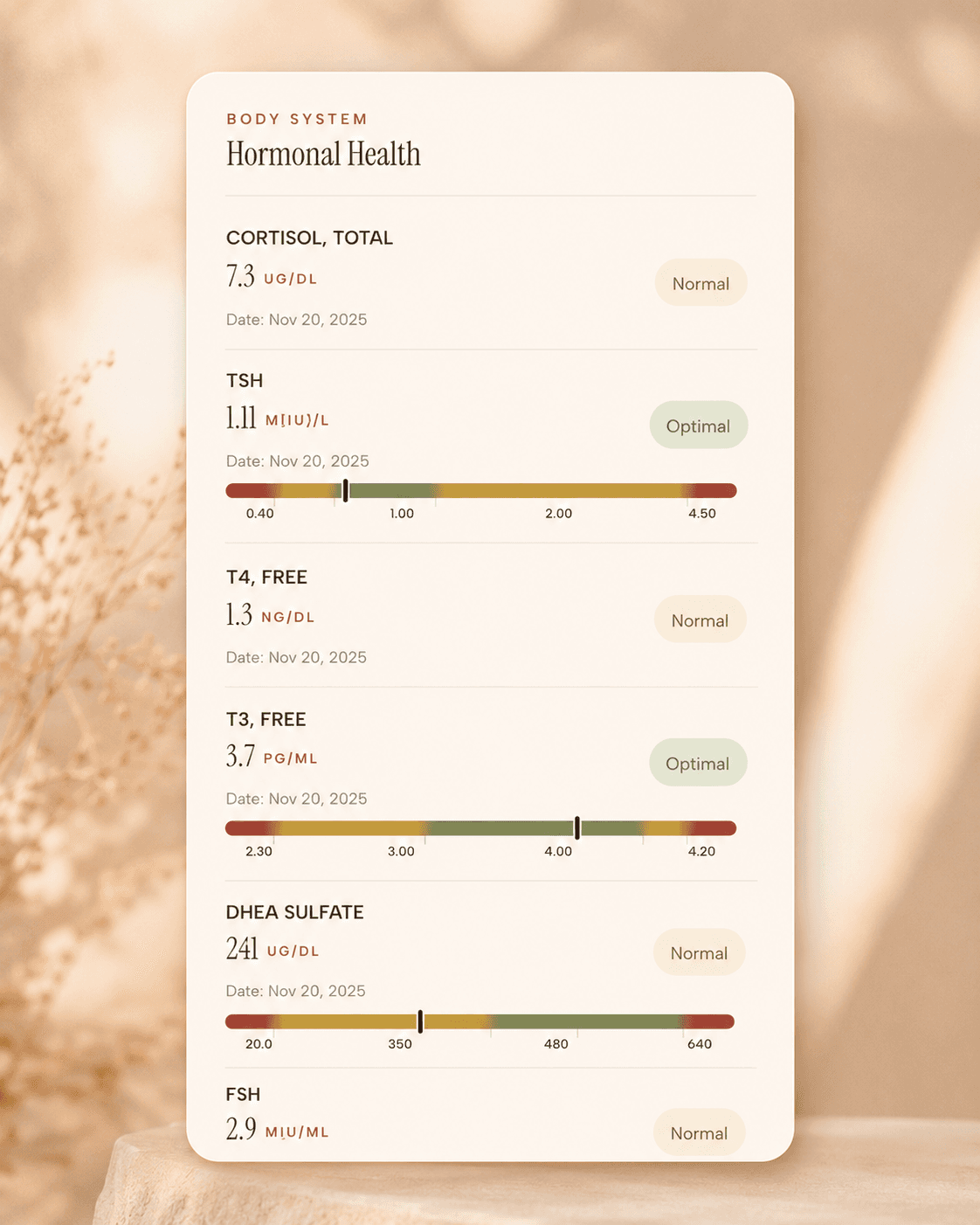
When your thyroid is underactive, your whole system runs at a lower idle, which can feel like waking up with a weighted blanket on your body. You may also notice constipation, feeling colder than other people, dry skin, or a mood dip that looks like “I’m just tired all the time.” Because thyroid changes can be subtle at first, you can still fall asleep fine and still wake up exhausted. Checking a TSH can quickly tell you whether your thyroid deserves more attention.
Circadian mismatch and social jet lag
In your 20s, your natural sleep timing often runs later, but work or school can force an early wake-up, which means you’re waking during your biological night. That’s why you can get 8 hours and still feel hungover in the morning, especially if you sleep in on weekends and then “reset” again on Monday. The clue is that you feel much better when you can wake naturally without an alarm. A consistent wake time and bright morning light can shift your body clock more effectively than going to bed earlier and staring at the ceiling.
Anxiety, hypervigilance, or nighttime rumination
You can be asleep and still not fully “downshifted” if your stress system stays on guard, which keeps sleep lighter and more easily disrupted. This often shows up as waking early with a busy mind, vivid dreams, jaw clenching, or feeling tired but wired by late morning. It matters because the fix is different: you’re not lacking willpower, you’re lacking a reliable off-switch. If you notice this pattern, focusing on a wind-down routine that calms your nervous system and limiting late-night stimulation usually helps more than adding supplements.
What actually helps you wake up rested
Screen for sleep apnea the smart way
If you have loud snoring, witnessed pauses in breathing, morning headaches, or you’re sleepy in passive situations, treat that as a real lead, not a personality trait. Try side-sleeping and nasal support (saline rinse or a nasal strip) for a week, because some people have position- or congestion-driven airway collapse. But don’t stop there if the signs are strong, because a home sleep test can confirm the problem and open the door to treatments that actually restore deep sleep. The goal is fewer arousals, not just more hours in bed.
Build a “real wake-up” routine
If you roll from bed to phone to coffee, your brain can stay in a half-awake state longer than you think. Within 10 minutes of waking, get bright light in your eyes for 5–10 minutes, ideally outdoors, because that tells your brain clock that the day has started. Then do two minutes of movement that raises your breathing a little, such as brisk stairs or a short walk, because it boosts alertness without needing caffeine. Save caffeine for 60–90 minutes after waking if you can, since that timing often reduces the afternoon crash.
Fix iron deficiency with a plan
If ferritin is low, the solution is not “eat spinach and hope.” Iron repletion usually takes weeks to months, and the way you take it matters because your gut blocks absorption when doses are too frequent. Many people do better with a lower dose taken every other day, paired with vitamin C, and kept away from calcium, tea, or coffee. If you have heavy periods, addressing the bleeding is part of the fix, otherwise you keep bailing water out of a leaking boat.
Protect deep sleep from late-night hits
Alcohol and THC can make you fall asleep faster, but they often reduce deep sleep and increase early-morning wake-ups, which is exactly the “I slept but I didn’t” feeling. Try a two-week experiment where you avoid alcohol within four hours of bedtime and keep cannabis earlier in the evening or pause it entirely. If your mornings improve noticeably, you’ve learned something important about your sleep architecture. That data is more useful than any sleep score.
Treat the mind-racing pattern directly
If your brain starts solving life at 1 a.m., give it a container earlier in the evening. Spend 10 minutes writing down tomorrow’s top three tasks and any worries, then write one next action for each, because your brain relaxes when it sees a plan. If you wake and can’t fall back asleep within about 20 minutes, get up briefly and do something boring in low light until you feel sleepy again, instead of training your bed to be a thinking chair. If anxiety is persistent or panic shows up at night, it’s worth talking with a clinician because targeted therapy can improve sleep faster than “trying harder.”
Useful biomarkers to discuss with your clinician
Ferritin
Ferritin is your body's iron storage protein, reflecting total iron stores in the body. In functional medicine, ferritin assessment is crucial for identifying both iron deficiency and iron overload, conditions that can significantly impact energy levels and overall health. Low ferritin is the earliest sign of iron deficiency, often occurring before anemia develops. This can cause fatigue, weakness, restless leg syndrome, and cognitive impairment. Conversely, elevated ferritin may indicate iron overload, inflamma…
Learn moreTSH
TSH is the master regulator of thyroid function, controlling the production of thyroid hormones T4 and T3. In functional medicine, we use narrower TSH ranges than conventional medicine to identify subclinical thyroid dysfunction early. Even mildly elevated TSH can indicate thyroid insufficiency, leading to fatigue, weight gain, depression, and metabolic dysfunction. TSH levels are influenced by stress, nutrient deficiencies, autoimmune conditions, and environmental toxins. Optimal TSH supports energy, metabolism…
Learn moreIron Binding Capacity
TIBC helps distinguish between different causes of abnormal iron levels. High TIBC indicates iron deficiency (the body increases transferrin to capture more iron), while low TIBC suggests iron overload or chronic disease. It's essential for accurate iron status assessment. Total Iron Binding Capacity (TIBC) measures the blood's capacity to bind iron with transferrin, the main iron transport protein. It indirectly reflects transferrin levels and iron status.
Learn moreLab testing
Get ferritin, TSH, and vitamin B12 checked at Quest
starting from $99 panel with 100+ tests, one visit
No referral needed
About 1 week
Schedule online — results typically within a week
Clear next steps
Guidance included, with follow-up care available
HSA / FSA
Eligible for pre-tax health spending accounts
Pro Tips
Do a 14-day “unrefreshing sleep” log where you rate morning energy from 0–10 and write down only three things: bedtime, wake time, and whether you snored or woke with a dry mouth. Patterns show up faster when the log is simple enough to actually keep.
If you suspect apnea, try a one-week side-sleep experiment using a pillow behind your back or a backpack trick so you don’t roll onto your back. If your morning headaches and grogginess improve, that is a strong clue to take to a sleep clinician.
If you rely on caffeine, move your first dose later by 15 minutes every two days until you’re at 60–90 minutes after waking. Many people notice fewer jitters and a smaller afternoon crash without cutting total caffeine.
If you wake at the same early time every day, stop checking the clock. Turn the clock face away and keep your phone out of reach, because clock-watching trains your brain to associate waking with threat and problem-solving.
If you have heavy periods and you’re waking exhausted, don’t just treat the fatigue. Track how many pads or tampons you use on your heaviest day and bring that number to your clinician, because treating heavy bleeding can be the long-term fix for low ferritin.
Frequently Asked Questions
Why do I wake up tired even after 8 hours of sleep?
Because time in bed is not the same as restorative sleep. Breathing disruptions (like sleep apnea), low iron stores, and a misaligned body clock can all reduce deep sleep or make you wake during your biological night. If this happens most days for more than 2–3 weeks, it’s worth checking ferritin and TSH and considering a sleep apnea screen.
Can sleep apnea happen in your 20s if you’re not overweight?
Yes. Airway anatomy, nasal congestion, alcohol close to bedtime, and sleeping on your back can trigger airway collapse regardless of weight. Clues include loud snoring, waking up gasping, morning headaches, and feeling sleepy while driving. If those fit, ask about a home sleep apnea test so you’re not guessing.
What ferritin level causes fatigue or unrefreshing sleep?
There isn’t one magic number, but fatigue becomes more likely when ferritin drops below about 30 ng/mL, even if hemoglobin is still normal. People with restless legs, heavy periods, or endurance training often feel better when ferritin is closer to 50–100 ng/mL. If your ferritin is low, also look for the reason, especially heavy menstrual bleeding.
Is it normal to feel exhausted every morning in your 20s?
Occasional groggy mornings are normal, but feeling unrefreshed most days is a signal, not a personality trait. In your 20s, the most common patterns are circadian mismatch, anxiety-driven light sleep, and hidden medical issues like low ferritin or thyroid problems. If you’re also falling asleep unintentionally during the day or feeling unsafe driving, move sleep apnea screening to the top of your list.
What’s the best first lab test for waking up tired?
If you want a high-yield starting point, ferritin and TSH cover two common, fixable causes: low iron stores and thyroid slowdown. Adding vitamin B12 is useful if you have brain fog, tingling, vegetarian diet, or certain meds like metformin. Bring your results plus a short symptom timeline to a clinician so the numbers get interpreted in context.