Why You Get Swelling With Anxiety (And When It’s Not “Just Stress”)
Swelling with anxiety often comes from stress hormones, salt-related fluid shifts, or hyperventilation effects. Targeted labs available—no referral needed.





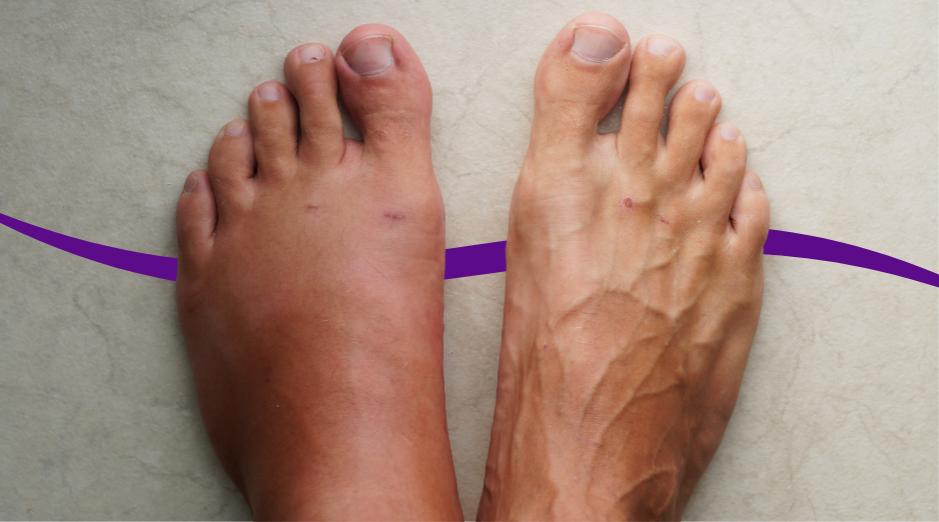
Swelling with anxiety is often real fluid shifting in your tissues, not “in your head.” Stress hormones can make you hold onto salt and water, anxious breathing can change blood chemistry and trigger tingling or hand tightness, and anxiety can also push habits that cause puffiness, like salty convenience foods or poor sleep. A few targeted labs can help separate stress-related swelling from kidney, liver, thyroid, or heart-related causes. The tricky part is that anxiety can be both a trigger and a reaction. You might notice puffy eyelids after a rough night, tight rings during a stressful week, or ankle swelling that makes you worry something is seriously wrong, which then ramps up the anxiety even more. This page walks you through the most common mechanisms, the red flags that deserve urgent care, and the tests that can clarify what’s going on. If you want help sorting your specific pattern, PocketMD can help you think through timing, location, and risk factors before you decide on next steps.
Why swelling can show up with anxiety
Stress hormones make you retain fluid
When you’re anxious, your body turns up stress signals like adrenaline and cortisol, which can nudge your kidneys to hold onto sodium and water. That extra fluid often shows up as morning puffiness in your face or hands, or as “tight” shoes by evening. The practical takeaway is to look for a time link: swelling that tracks with high-stress weeks, poor sleep, and higher-salt eating is often driven by this stress-retention loop.
Hyperventilation changes blood chemistry
Fast, shallow breathing during anxiety can lower carbon dioxide in your blood, which shifts calcium binding and can cause tingling, cramps, and a feeling of tightness in your hands or around your mouth. It can feel like swelling even when there isn’t much true fluid buildup, and that sensation can be scary. If your “swelling” comes with lightheadedness and pins-and-needles during panic, slow breathing with longer exhales is both a test and a tool.
Salt swings after stress eating
Anxiety can push you toward packaged or restaurant foods, and those meals can contain far more sodium than your body is used to. Sodium pulls water into your bloodstream and then into tissues, which can make your fingers puffy and your ankles feel heavy for a day or two. If you notice swelling after takeout or salty snacks, a 24–48 hour reset with lower-sodium meals and normal hydration often makes the pattern obvious.
Medication side effects you notice more
Some medicines that people take during anxious periods can cause swelling, including certain blood pressure drugs, anti-inflammatories, and a few antidepressants. The swelling is usually gradual and can be worse in the ankles by the end of the day, which makes it easy to blame on stress alone. If swelling started within weeks of a new medication or a dose change, bring that timeline to your clinician because a switch can sometimes fix the problem without adding new meds.
A real medical cause plus anxiety
Sometimes swelling and anxiety happen together because the swelling has a medical driver, and the worry is a completely reasonable response. One-sided leg swelling, swelling with shortness of breath, or swelling that is new and steadily worsening deserves prompt evaluation because blood clots, heart strain, kidney problems, and low blood protein can all show up this way. If you also have chest pain, sudden trouble breathing, or one calf that is painful and larger than the other, treat that as urgent.
What actually helps (and what to watch)
Do a quick “pitting” check
Press your thumb into the swollen area for 10 seconds and then release. If a dent stays for a while, that suggests true fluid swelling (pitting edema), which is more likely to relate to salt balance, veins, kidneys, or heart than to a pure sensation from panic. Take a photo and note the time of day, because that simple evidence helps you and your clinician track whether it’s improving.
Use breathing that lowers CO2 loss
If your swelling feeling comes with panic symptoms, try a 3–5 minute drill: inhale gently through your nose for about 4 seconds, then exhale for about 6–8 seconds, keeping your shoulders relaxed. Longer exhales reduce over-breathing and often ease hand tightness and tingling within minutes, which tells you hyperventilation is part of the story. If you can’t slow your breathing because you feel air-hungry, that’s a sign to get checked rather than pushing through.
Run a 7-day sodium experiment
For one week, keep sodium steady and lower than your usual by cooking at home more and choosing “no added salt” options, while keeping your water intake normal. If your rings fit better and your ankles look less puffy by day 3–5, you’ve learned that sodium swings are a major lever for you. The goal is not “no salt forever,” but finding your personal threshold so you can predict and prevent flare-ups.
Move your calf muscle “pump”
Anxiety can keep you sitting still for long stretches, and that reduces the calf-muscle pump that normally pushes fluid back up from your legs. A practical fix is to set a timer for every hour and do two minutes of walking, or 20 slow heel raises while holding a counter. If your swelling is mostly in the ankles and worse at night, this simple circulation habit can make a noticeable difference within a week.
Know when compression is smart
If you get predictable ankle swelling from standing or sitting, knee-high compression socks can reduce fluid pooling and that heavy, tight feeling by evening. They are not a fix for sudden one-sided swelling, and they should not be your first move if you’re short of breath or have chest pain. Use them for pattern-based, day-to-day swelling, and size them correctly so they feel supportive rather than painful.
Useful biomarkers to discuss with your clinician
Sodium
Sodium is the primary extracellular electrolyte essential for fluid balance, nerve transmission, muscle contraction, and blood pressure regulation. In functional medicine, sodium balance reflects kidney function, adrenal health, and hydration status. Low sodium (hyponatremia) can cause neurological symptoms and may indicate SIADH, adrenal insufficiency, or excessive water intake. High sodium may indicate dehydration, diabetes insipidus, or excessive salt intake. Optimal sodium levels support cellular energy prod…
Learn moreCarbon Dioxide
Carbon dioxide (CO2) in blood chemistry represents bicarbonate levels and is crucial for acid-base balance. In functional medicine, CO2 levels indicate respiratory and metabolic function, kidney health, and cellular metabolism efficiency. Low CO2 may indicate metabolic acidosis, hyperventilation, or kidney disease. High CO2 may indicate respiratory acidosis, lung disease, or metabolic alkalosis. Optimal CO2 levels ensure proper cellular pH and oxygen delivery. CO2 levels reflect acid-base balance and respiratory…
Learn moreCortisol, Total
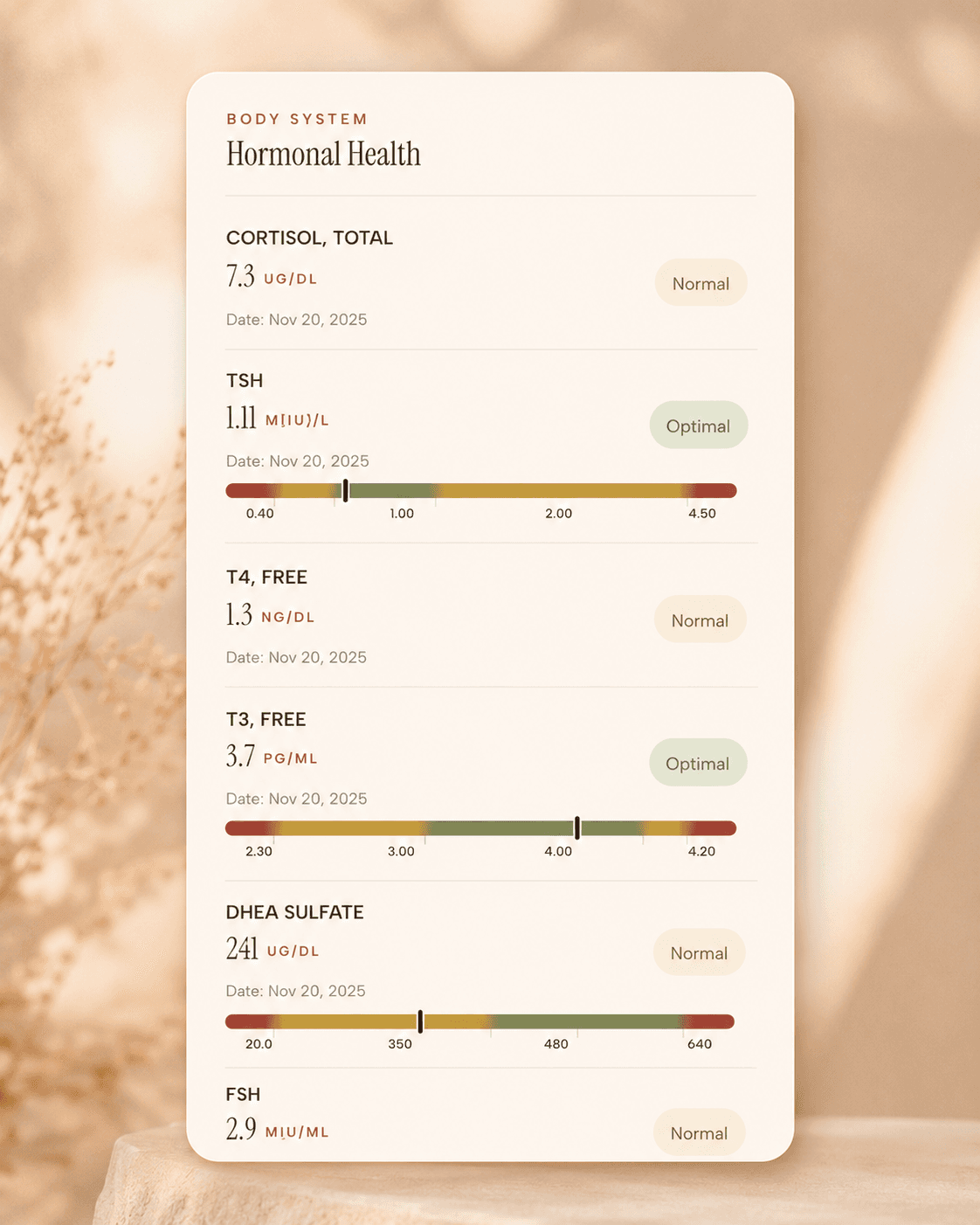
Cortisol is the primary stress hormone that regulates metabolism, immune function, and blood pressure. In functional medicine, cortisol assessment is crucial for understanding stress response and its impact on overall health. Chronic elevation suppresses testosterone production and immune function, while low cortisol indicates adrenal insufficiency. Optimal cortisol rhythm supports energy, mood stability, and hormone balance. Cortisol orchestrates the body's stress response and daily energy rhythms. Balanced cor…
Learn moreLab testing
Check kidney function, thyroid, and protein levels
starting from $99 panel with 100+ tests, one visit
No referral needed
About 1 week
Schedule online — results typically within a week
Clear next steps
Guidance included, with follow-up care available
HSA / FSA
Eligible for pre-tax health spending accounts
Pro Tips
Measure, don’t guess: take a morning and evening photo of your ankles or hands for 3 days, and note whether the swelling is worse after standing, sitting, or salty meals. Patterns beat worry.
If your rings feel tight, try the “cold-water reset” for comfort: cool (not icy) water on your hands for 1–2 minutes, then elevate your hands above heart level for 5 minutes. If that helps quickly, fluid shifting is likely part of it.
When you’re anxious, aim for “steady salt,” not “zero salt.” Keeping sodium consistent day to day often reduces the dramatic puffiness swings that make you feel out of control.
If swelling is mostly in your legs, do heel raises while brushing your teeth and again before bed. That tiny habit targets the calf pump that moves fluid out of your ankles.
Write down any new meds, supplements, or dose changes from the last 6–8 weeks and match them to when swelling started. That timeline is one of the most useful things you can bring to a visit.
Frequently Asked Questions
Can anxiety really cause swelling and water retention?
Yes, anxiety can contribute to real water retention because stress hormones can push your body to hold onto sodium and water, especially when sleep and diet are also disrupted. Anxiety can also make you breathe faster, which can create a strong sensation of tightness in your hands that feels like swelling. If the swelling is new, persistent, or one-sided, it’s worth checking basics like a CMP, albumin, and TSH to rule out medical causes.
Why do my hands feel swollen during a panic attack?
During panic, you may hyperventilate, which lowers carbon dioxide and can cause tingling, cramping, and a “tight glove” feeling in your hands. That sensation can be intense even without much visible swelling. Try slowing your breathing with a longer exhale for 3–5 minutes; if the hand tightness eases, hyperventilation is likely a major driver.
Is swelling from anxiety usually in the face or legs?
Stress-related fluid retention often shows up as morning facial puffiness or hand swelling, while ankle swelling is more influenced by gravity and how long you sit or stand. Leg swelling that is worse at the end of the day can still be benign, but it deserves more attention if it is new, painful, or clearly worse on one side. A quick pitting check and a simple photo log can help you describe the pattern accurately.
When is swelling an emergency if I also have anxiety?
Treat it as urgent if you have sudden shortness of breath, chest pain, coughing up blood, fainting, or one leg that becomes painful and noticeably larger than the other. Those patterns can point to a blood clot or heart/lung strain, and anxiety can mimic some symptoms but should not be used to explain them away. If you’re unsure, err on the side of getting checked the same day.
What labs should I ask for if I have swelling and anxiety?
A practical starting set is a comprehensive metabolic panel (CMP) to look at kidney function and electrolytes, albumin to check whether low blood protein is letting fluid leak into tissues, and TSH to screen for thyroid-related puffiness. Abnormal results do not automatically mean something severe, but they tell you which direction to investigate next. If your swelling persists beyond 2–3 weeks or keeps worsening, bring your symptom timeline and these results to a clinician.