Swelling After Eating: What It Usually Means and What To Do
Swelling after eating is often from salt-driven fluid shifts, food reactions, or heart/kidney strain. Targeted blood tests available—no referral needed.





Swelling after eating usually happens because your body holds onto extra salt and water, your blood vessels get “leakier” during an allergic-type reaction, or your heart or kidneys are struggling to move fluid the way they should. The pattern matters: swelling in your face and lips points you one direction, while swelling in your ankles after a salty meal points you another. Basic labs can help you sort out whether this is mostly sodium-driven water retention, low blood protein, or organ strain. It’s unsettling to watch your rings get tight or your shoes feel smaller after a meal, especially if you’re already worried about your heart or kidneys. The tricky part is that “swelling” can mean different things in different places, and some causes are annoying but harmless while others deserve quick attention. This guide walks you through the most common mechanisms, what you can try at home, and which blood tests are most useful. If you want help matching your exact pattern to the right next step, PocketMD can talk it through with you, and Vitals Vault labs can help you confirm what’s going on.
Why you swell after eating
Salt-driven water retention
A salty meal pulls water into your bloodstream and then your body holds onto that extra fluid to keep sodium balanced. If you’re salt-sensitive, you can feel puffy in your fingers, face, or ankles within hours, and your weight can jump by a pound or two overnight even though you didn’t “gain fat.” A practical clue is that swelling is worse after restaurant food, soups, sauces, deli meats, or snacks, and it improves after a day or two of lower-sodium eating.
Food allergy swelling (angioedema)
Sometimes swelling after eating is your immune system releasing histamine and related chemicals, which makes small blood vessels leak fluid into the tissues. This tends to show up as sudden puffiness of the lips, eyelids, tongue, or face, and it can come with hives or itching. If you ever have trouble breathing, throat tightness, or a voice change after eating, treat it as an emergency and call for help right away.
Carb refeed and insulin shifts
After a higher-carb meal, your insulin rises, and insulin tells your kidneys to hold onto sodium. That sodium retention brings water with it, so you can feel “bloated” and also look a bit swollen, especially if you’ve been eating very low carb and then suddenly reintroduce carbs. If this is your pattern, the swelling is usually temporary and tracks with carb swings more than with a specific food.
Low blood protein (albumin)
Your blood protein level, especially albumin, helps keep fluid inside your blood vessels. When albumin is low, fluid escapes more easily into your legs, feet, or belly, and meals can make it more noticeable because blood flow to your gut increases after you eat. Low albumin is not a diagnosis by itself, but it’s a strong clue that you need to look for causes such as kidney protein loss, liver disease, or poor absorption.
Heart or kidney fluid overload
If your heart isn’t pumping strongly enough or your kidneys aren’t filtering well, extra fluid and salt from meals can tip you into visible swelling. You might notice ankle swelling that’s worse by evening, shortness of breath when lying flat, or needing to prop yourself up on pillows. This is one of the situations where the “after eating” timing can be real, but the underlying issue is bigger than the meal, so it’s worth getting evaluated promptly.
What actually helps (and what to try first)
Run a 7-day sodium experiment
For one week, aim for roughly 1,500–2,000 mg of sodium per day by cooking at home and skipping packaged sauces, soups, and restaurant meals. If your swelling noticeably improves, you’ve learned something powerful about your personal salt sensitivity. After that, you can reintroduce your usual foods and watch which meals bring the puffiness back.
Use location to guide your next step
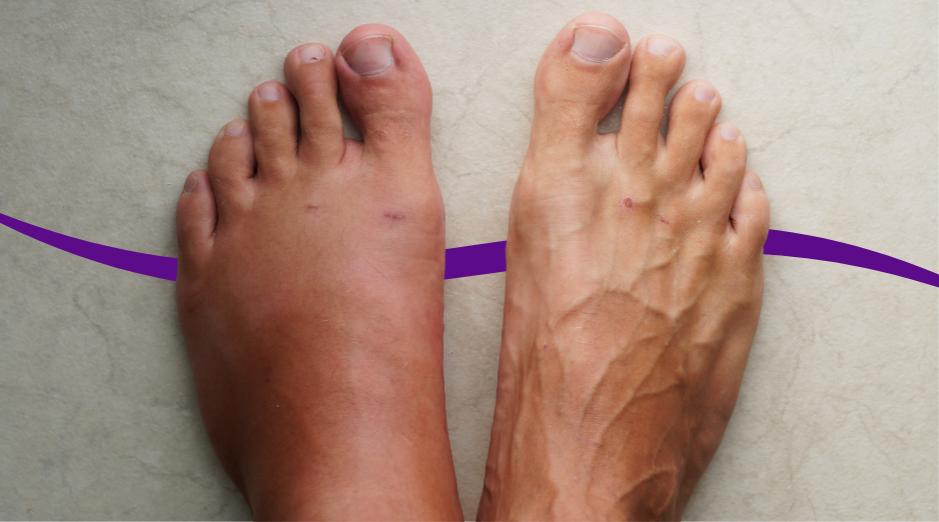
Swelling in your lips, tongue, or around your eyes points toward an allergic-type reaction, while swelling in your ankles and shins points more toward fluid retention or circulation issues. If the swelling is one-sided, painful, or warm, that is a different category and should be checked urgently because a clot or infection can look like “swelling.” Take a clear photo when it happens so you can show a clinician the exact pattern.
Balance carbs instead of swinging
If you notice swelling after “cheat meals” or after coming off keto, try spreading carbs more evenly across the day for two weeks rather than doing big carb spikes. Pairing carbs with protein and fiber tends to blunt the insulin surge, which can reduce that temporary sodium-and-water hold. The goal is not zero carbs; it’s fewer dramatic swings that make your body yo-yo fluid.
Talk to your clinician about meds
Some blood pressure medicines, especially certain calcium channel blockers, can cause ankle swelling that feels worse after meals because you’re upright and blood pools in the legs. Anti-inflammatories like ibuprofen can also make you retain salt and water, which can show up as puffiness after a salty dinner. If the timing fits a new medication, ask about alternatives rather than just “pushing through” the swelling.
Know when swelling is urgent
Get same-day care if swelling comes with chest pain, new shortness of breath, coughing up frothy sputum, or fainting. Also get urgent help if your face or throat is swelling after eating, even if you’re not sure it’s an allergy, because airway swelling can escalate quickly. If it’s milder but persistent for more than two weeks, labs and a focused exam are a smart next step.
Useful biomarkers to discuss with your clinician
Albumin
Albumin is the most abundant protein in blood plasma, produced exclusively by the liver. In functional medicine, albumin serves as a marker of liver synthetic function, nutritional status, and overall health. Albumin maintains oncotic pressure (keeping fluid in blood vessels), transports hormones and nutrients, and serves as an antioxidant. Low albumin may indicate liver disease, malnutrition, chronic inflammation, or kidney disease. Since albumin has a half-life of about 20 days, it reflects longer-term nutriti…
Learn moreSodium
Sodium is the primary extracellular electrolyte essential for fluid balance, nerve transmission, muscle contraction, and blood pressure regulation. In functional medicine, sodium balance reflects kidney function, adrenal health, and hydration status. Low sodium (hyponatremia) can cause neurological symptoms and may indicate SIADH, adrenal insufficiency, or excessive water intake. High sodium may indicate dehydration, diabetes insipidus, or excessive salt intake. Optimal sodium levels support cellular energy prod…
Learn moreInsulin
Insulin is a master metabolic hormone that regulates glucose uptake, fat storage, and numerous cellular processes. In functional medicine, fasting insulin levels are one of the earliest and most sensitive markers of metabolic dysfunction. Elevated insulin (hyperinsulinemia) often precedes diabetes by years or decades and is central to metabolic syndrome. High insulin levels promote fat storage, inflammation, and contribute to numerous chronic diseases including cardiovascular disease, PCOS, and certain cancers.…
Learn moreLab testing
Check kidney function, albumin, and BNP at Quest
starting from $99 panel with 100+ tests, one visit
No referral needed
About 1 week
Schedule online — results typically within a week
Clear next steps
Guidance included, with follow-up care available
HSA / FSA
Eligible for pre-tax health spending accounts
Pro Tips
Do a “ring and shoe check” at the same times each day for a week, like right after waking and again after dinner, because consistent timing makes patterns obvious. If your swelling is mostly evening-only, that points more toward fluid pooling and retention than an allergy.
If you suspect salt is the driver, compare two matched meals: one homemade version and one restaurant version of the same dish. When the restaurant meal triggers swelling and the homemade one does not, the difference is usually sodium, not the food itself.
Take one photo of the swollen area next to a stable reference, like your watch band notch or a ruler, because swelling is hard to describe in words. That picture is often the fastest way for a clinician to take you seriously and triage correctly.
If you wake up puffy after a high-carb day, try a two-week plan where you keep carbs steady and avoid big late-night carb loads. You are testing your fluid response to insulin swings, not trying to “be perfect” with your diet.
If you have known heart failure or kidney disease, weigh yourself every morning after you pee and before breakfast, using the same scale. A gain of about 2–3 pounds in 24 hours or 5 pounds in a week is a practical threshold to call your care team, because it often reflects fluid, not food.
Frequently Asked Questions
Why do my hands and feet swell after eating salty food?
Salt makes your body hold onto water to keep sodium levels stable, and that extra fluid can show up in your fingers, ankles, and feet within hours. If you’re salt-sensitive, restaurant meals and packaged foods can trigger noticeable puffiness even when your blood pressure is otherwise “fine.” Try a 7-day lower-sodium experiment and see if the swelling reliably improves.
Is swelling after eating a sign of kidney problems?
It can be, especially if swelling is persistent, worse in the legs, or paired with foamy urine, high blood pressure, or fatigue. Kidney issues can cause fluid retention and can also lead to protein loss, which lowers albumin and makes swelling easier to trigger. A CMP (creatinine and eGFR) plus albumin is a practical starting point to discuss with your clinician.
Why does my face swell after eating, but my ankles don’t?
Face and lip swelling after eating is more suggestive of an allergic-type reaction, where blood vessels become leaky and fluid moves into the tissues quickly. It often comes with itching or hives, but it doesn’t have to. If you ever get tongue swelling, throat tightness, or trouble breathing, treat it as an emergency and seek care immediately.
Can carbs make you retain water and look swollen?
Yes. Higher-carb meals raise insulin, and insulin signals your kidneys to retain sodium, which pulls water with it, so you can look puffier the next day. This is especially noticeable when you swing from very low carb to high carb. Keeping carbs more consistent for two weeks is a good way to test whether insulin-driven fluid shifts are your main trigger.
What blood tests are best for swelling after eating?
A CMP helps check kidney function and electrolytes, albumin helps identify low-protein swelling, and BNP or NT-proBNP helps assess whether heart strain and fluid overload are likely. These tests don’t replace an exam, but they can quickly narrow the possibilities when your swelling pattern is confusing. If you track when swelling happens and where it shows up, bring that log with your results for a faster, more accurate next step.
Research and guidelines worth knowing about
2022 AHA/ACC/HFSA Guideline for the Management of Heart Failure (includes edema evaluation and BNP use)
EAACI/WAO guideline update on angioedema and urticaria (how food-triggered swelling is assessed and treated)
KDIGO 2024 Clinical Practice Guideline for the Evaluation and Management of Chronic Kidney Disease (fluid retention and kidney testing)