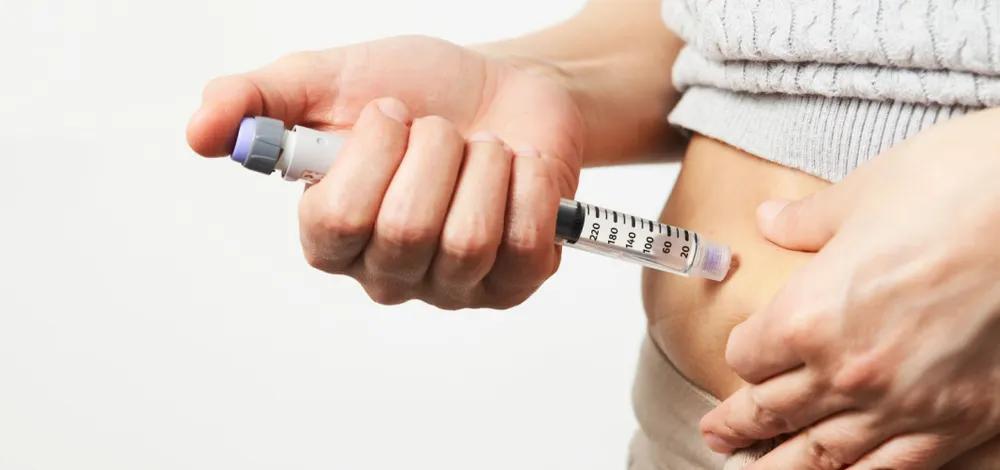
Why Do You Gain Weight After Eating?
Weight gain after eating is often water retention, insulin spikes, or slow thyroid. Pinpoint your driver with targeted labs—no referral needed.





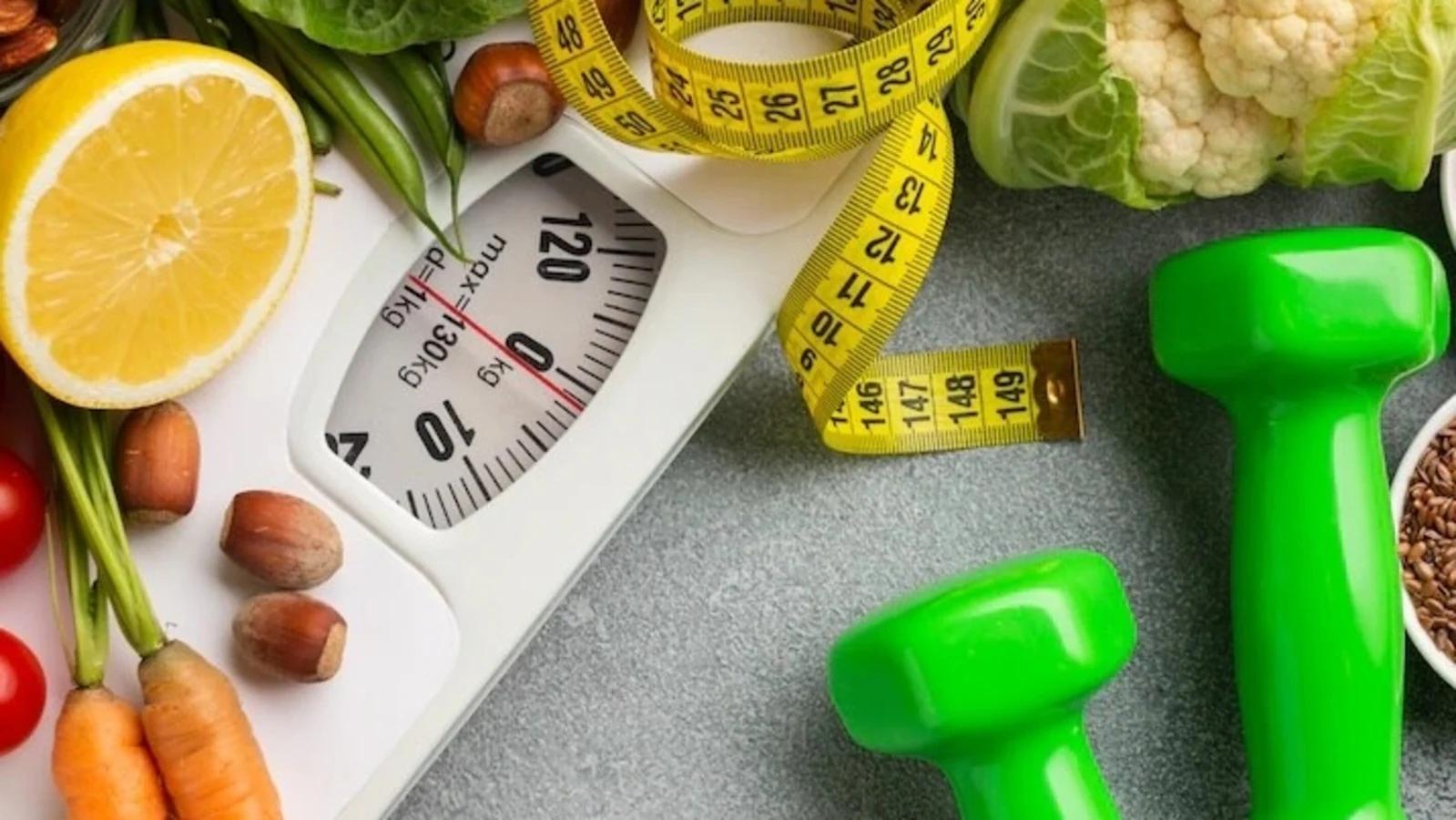
Weight gain after eating is usually not instant fat gain. It is most often a mix of water shifts from salt and carbs, a bigger-than-expected insulin response that drives hunger and rebound eating, or a slower thyroid that makes your baseline burn rate lower. A few targeted labs can help you figure out which pattern fits your body instead of guessing. It is also a uniquely frustrating symptom because the scale can jump within hours, which makes you feel like your body is “breaking the rules.” Sometimes it is just normal digestion and glycogen storage, but sometimes it is a clue that your blood sugar control, thyroid, or stress hormones are working harder than they should. Below, you will learn the most common mechanisms, what they feel like day to day, and what to try first. If you want help connecting your specific meal pattern to likely causes, PocketMD can walk through it with you, and Vitals Vault labs can help confirm the driver.
Why you “gain weight” after meals
Carbs and salt pull in water
After a higher-carb or higher-sodium meal, your body stores more glycogen, and glycogen holds water. That can move the scale up by 1–5 pounds in a day even though you did not gain fat overnight. The takeaway is to compare your weight at the same time of day for a week, because single post-meal weigh-ins mostly measure water, not progress.
Insulin spikes drive rebound hunger
If your body needs a lot of insulin to handle a meal, your blood sugar can rise and then drop faster than you expect, which can feel like shakiness, irritability, or intense cravings a couple hours later. That “crash” often leads to extra snacking that does add calories, even when you feel like you ate a normal meal. A practical clue is timing: if you feel hungry again within 2–3 hours after a carb-heavy meal, insulin resistance is worth considering.
Slow thyroid lowers your baseline burn
When your thyroid is underactive (hypothyroidism), your resting energy use drops, and you can gain weight even without obvious overeating. Meals can make this feel worse because digestion already slows down, so you may feel heavy, puffy, and constipated after eating. If you also feel colder than other people, notice dry skin, or your heart rate runs low, checking TSH is a high-yield next step.
Stress hormones push you to store
Chronic stress and poor sleep can raise your stress signal (cortisol), which nudges your body toward higher appetite and easier fat storage, especially around your midsection. It also makes you more likely to reach for quick carbs after meals because your brain is looking for fast energy. If your “weight gain after eating” shows up most during high-stress weeks, the most useful experiment is improving sleep consistency for two weeks and watching whether cravings and evening snacking calm down.
Bloating feels like weight gain
Sometimes the scale change is small, but your abdomen feels bigger because gas and slowed movement stretch your gut. This can happen with lactose intolerance, fructose sensitivity, or irritable bowel patterns, and it often shows up as tight waistbands, burping, or discomfort that peaks later in the day. A targeted takeaway is to do a short, structured trial: remove one common trigger (like lactose) for 10–14 days and see if the “after eating” swelling improves.
What actually helps after-meal weight jumps
Use a 3-day scale rule
Weighing right after a meal will mostly reflect food volume and water, so it can make you feel defeated for no reason. Instead, weigh once daily in the morning after using the bathroom, and judge change by a 3-day average. This simple rule separates true trend from normal post-meal noise.
Build meals that blunt insulin
If you start with protein and fiber, your blood sugar rises more slowly, which usually means fewer cravings later. Try a plate that begins with a protein anchor (eggs, Greek yogurt, tofu, chicken, beans) and then add high-fiber carbs like lentils or oats rather than refined bread or sweets. If you want a quick check, notice whether you can go 4–5 hours comfortably after that meal without getting “hangry.”
Tighten sodium without going extreme
If your weight jumps most after restaurant meals or packaged foods, sodium-driven water retention is a likely culprit. For one week, keep the same calories but swap two high-sodium meals for home-prepped versions, and aim for potassium-rich foods like potatoes, beans, and leafy greens to balance fluid shifts. You are not trying to eliminate salt; you are trying to stop the big spikes that make you feel puffy overnight.
Time your carbs to your activity
Your muscles soak up glucose better after movement, which can reduce both the insulin spike and the later crash. A 10–20 minute walk after your biggest meal is surprisingly effective, and it is easier to stick with than intense workouts. If you cannot walk, even light housework or standing and moving around helps more than sitting still.
Treat constipation like a root cause
If you are not having regular, easy bowel movements, you can feel heavier after every meal because your gut is already backed up. Increase fiber gradually over 1–2 weeks, and pair it with enough fluid so it does not worsen bloating. If constipation is new, severe, or paired with blood in stool or unexplained anemia, that is a reason to check in with a clinician rather than just “power through” with supplements.
Useful biomarkers to discuss with your clinician
Insulin
Insulin is a master metabolic hormone that regulates glucose uptake, fat storage, and numerous cellular processes. In functional medicine, fasting insulin levels are one of the earliest and most sensitive markers of metabolic dysfunction. Elevated insulin (hyperinsulinemia) often precedes diabetes by years or decades and is central to metabolic syndrome. High insulin levels promote fat storage, inflammation, and contribute to numerous chronic diseases including cardiovascular disease, PCOS, and certain cancers.…
Learn moreGlucose
Fasting glucose is a fundamental marker of glucose metabolism and insulin function. In functional medicine, we recognize that even 'normal' glucose levels in the upper range may indicate early insulin resistance. Optimal fasting glucose reflects efficient glucose regulation and insulin sensitivity. Elevated fasting glucose suggests the body's inability to maintain normal glucose levels overnight, indicating hepatic insulin resistance or insufficient insulin production. This marker is essential for early detectio…
Learn moreTSH
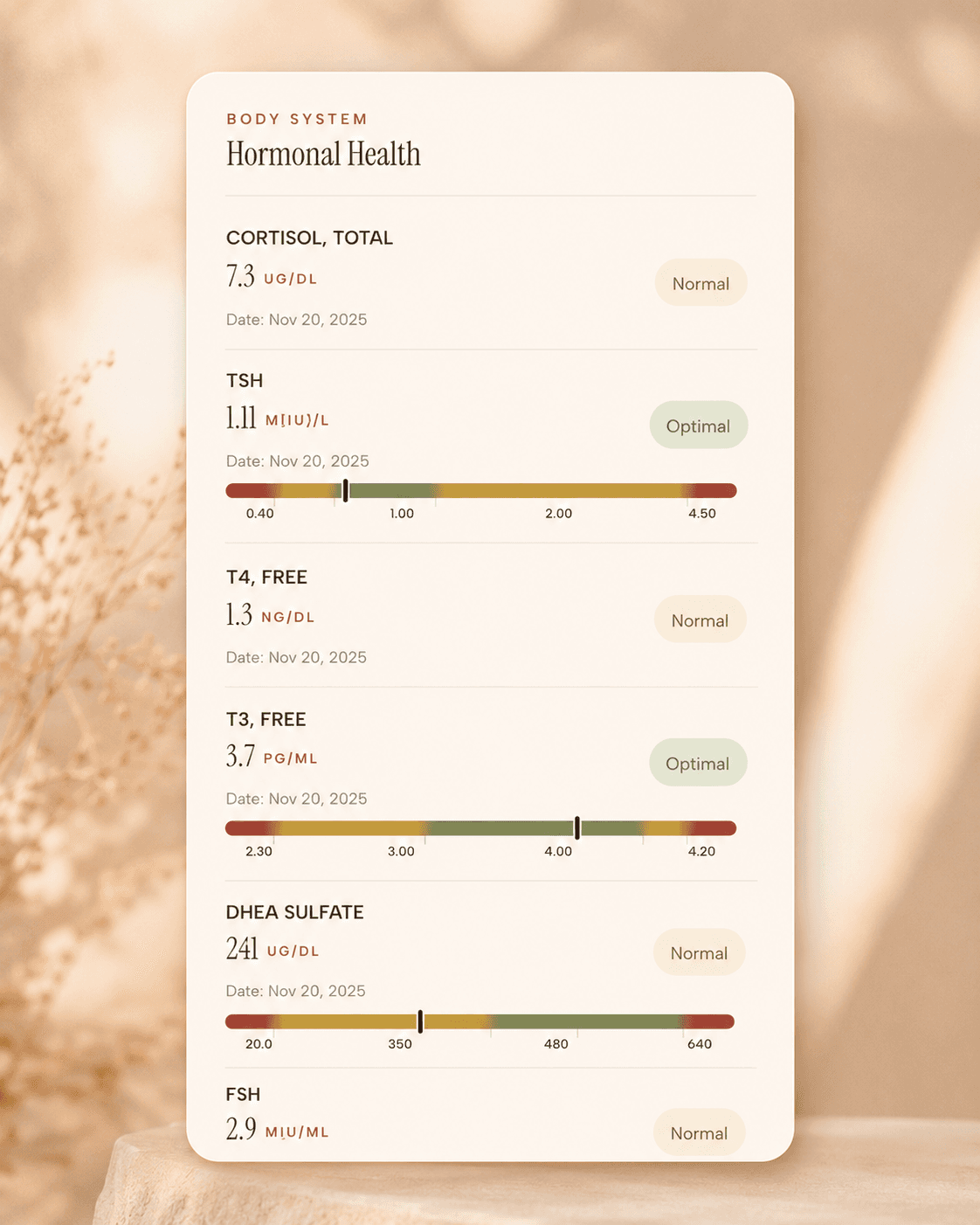
TSH is the master regulator of thyroid function, controlling the production of thyroid hormones T4 and T3. In functional medicine, we use narrower TSH ranges than conventional medicine to identify subclinical thyroid dysfunction early. Even mildly elevated TSH can indicate thyroid insufficiency, leading to fatigue, weight gain, depression, and metabolic dysfunction. TSH levels are influenced by stress, nutrient deficiencies, autoimmune conditions, and environmental toxins. Optimal TSH supports energy, metabolism…
Learn moreLab testing
Get fasting insulin, HbA1c, and TSH checked at Quest
starting from $99 panel with 100+ tests, one visit
No referral needed
About 1 week
Schedule online — results typically within a week
Clear next steps
Guidance included, with follow-up care available
HSA / FSA
Eligible for pre-tax health spending accounts
Pro Tips
Do a “same dinner” experiment: eat the same dinner for three nights, then change only one variable (like swapping rice for lentils). If the scale and cravings change, you have a clear lever you can use.
If restaurant meals reliably add 2–4 pounds the next morning, assume it is sodium water weight and plan for it. Drink normally, return to your usual routine, and re-check your 3-day average instead of trying to “compensate” with extreme restriction.
Try a 10-minute walk timer right after you finish eating, even if it is slow. The goal is to help your muscles use glucose so you feel less sleepy and less snacky later.
If you suspect a specific food intolerance, test it cleanly by removing one food group for 10–14 days and then reintroducing it for 2–3 days. Randomly avoiding foods makes it impossible to know what is actually helping.
When cravings hit 2–3 hours after a meal, treat it like data, not a willpower failure. Write down what you ate and how long you stayed full, because that pattern often predicts whether fasting insulin will be high.
Frequently Asked Questions
Can you really gain fat right after eating?
Not in a few hours in the way the scale makes it seem. Immediate changes are mostly food volume in your gut plus water shifts from glycogen and sodium, which can easily be 1–5 pounds. If your weight is trending up over weeks, that is when calories, insulin patterns, thyroid function, and sleep start to matter—track a 3-day average to see the real direction.
Why do I gain 3 pounds overnight after dinner?
The most common reason is water retention from a salty or high-carb meal, especially if it was restaurant food. Glycogen storage pulls water with it, and sodium makes your kidneys hold onto fluid, so the scale jumps fast. If it usually resolves within 24–72 hours, it is almost certainly water—compare morning weights across several days instead of reacting to one number.
What labs should I get for weight gain after eating?
A practical starting trio is fasting insulin, HbA1c, and TSH because they map to insulin resistance, longer-term blood sugar exposure, and thyroid slowdown. If fasting insulin is elevated or A1c is rising, meal composition and post-meal movement become higher-impact than “eating less.” If TSH is persistently above about 2.5–3.0 mIU/L with symptoms, ask about a fuller thyroid workup.
Why am I hungry again 2 hours after eating?
That pattern often happens when your blood sugar rises quickly and then drops, which can be a sign your body is using a lot of insulin for that meal. It feels like sudden cravings, irritability, or needing something sweet even though you ate enough. Try adding 25–35 grams of protein and more fiber at that meal for a week, and see if you can comfortably go 4–5 hours.
Is weight gain after eating a thyroid problem?
It can be, but it is not the only explanation. Hypothyroidism often comes with fatigue, constipation, feeling cold, dry skin, and a steady upward trend rather than only a post-meal jump. Checking TSH is a reasonable first step, and if it is abnormal, follow up with a clinician to interpret it in context and decide whether additional thyroid tests are needed.