Why Your Metabolism Feels Slow in the Morning
Slow metabolism in the morning is often from poor sleep, low thyroid hormone, or insulin resistance. Targeted labs available at Quest—no referral needed.





Slow metabolism in the morning usually isn’t your body “broken” — it is your system running in low gear because of poor sleep and a shifted body clock, low thyroid hormone, or blood-sugar/insulin issues that make you feel heavy and hungry. The right labs can help you tell the difference, because the fixes are not the same. A lot of people describe this as waking up cold, puffy, and unmotivated, with a stubborn scale that barely moves even when you are trying hard. Morning sluggishness can also show up after dieting cycles, with aging, or when stress and sleep debt pile up. This page walks you through the most common medical and lifestyle drivers, what tends to help in real life, and which blood tests are most useful. If you want help matching your exact pattern to the most likely cause, PocketMD can talk it through with you, and Vitals Vault labs can give you objective data to work with.
Why your metabolism feels slow in the morning
Sleep debt slows your burn
When you sleep too little or your sleep is fragmented, your body shifts toward energy conservation the next day. You often feel colder, hungrier, and less willing to move, which can look like a “slow metabolism” even if your resting burn only changes modestly. The giveaway is that your mornings improve after a few nights of consistent sleep, especially if you keep the same wake time.
Your body clock is misaligned
Your metabolism follows a daily rhythm, and it expects food and activity at certain times. If you wake at one time on weekdays and a very different time on weekends, or you eat late at night, your body clock can drift so mornings feel like jet lag. Light exposure within the first hour of waking is one of the fastest ways to nudge that rhythm back into place.
Low thyroid hormone (hypothyroidism)
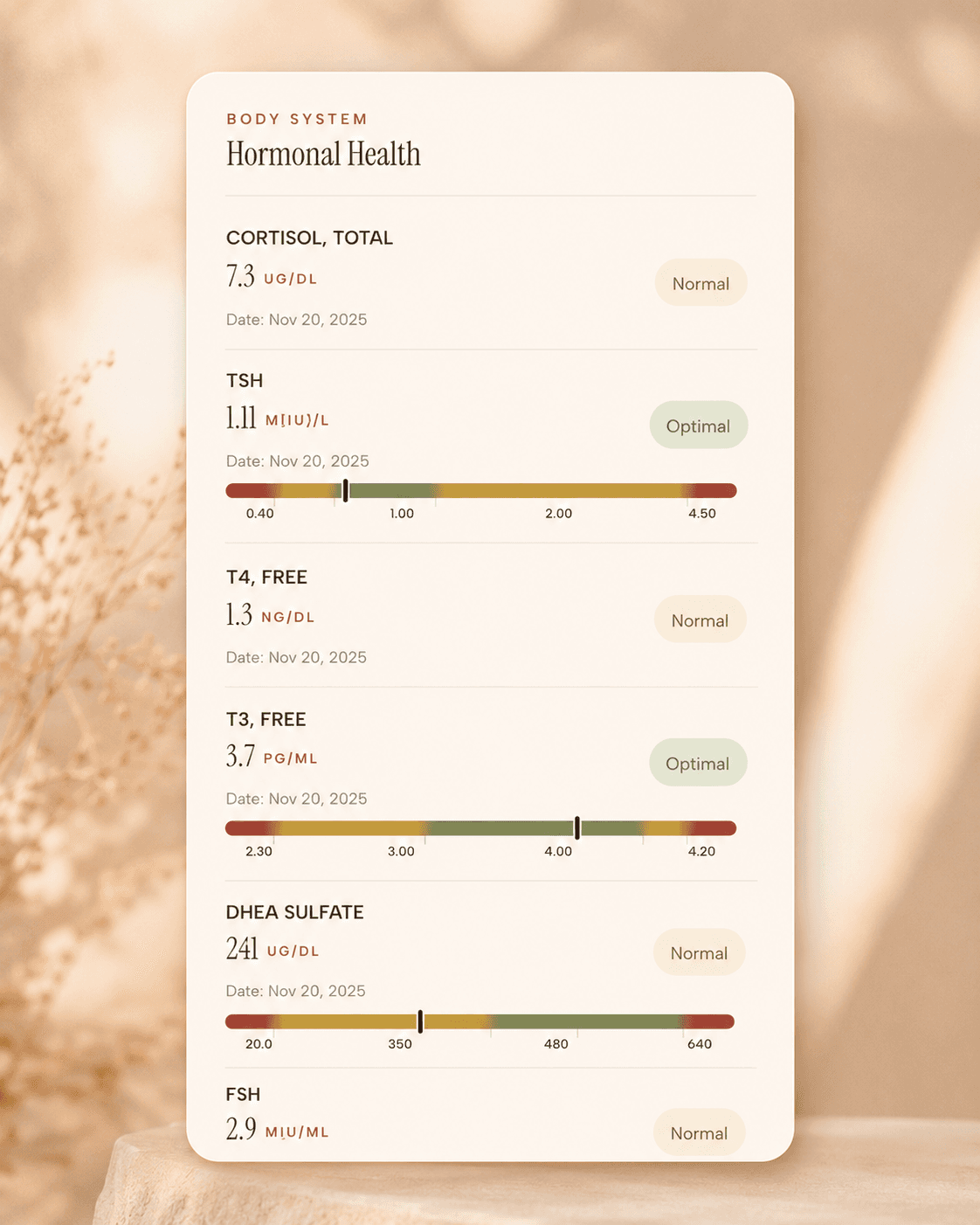
Thyroid hormone is like the “idle speed” setting for many tissues, so when it is low you can feel slow, cold, constipated, and puffy in the morning. You might also notice dry skin, hair changes, or a lower-than-usual heart rate. If this is your pattern, a thyroid panel is worth it, because the goal is not just a normal lab flag — it is a level that matches how you function.
Insulin resistance after overnight fasting
If your cells do not respond well to insulin, your liver may keep releasing glucose overnight, and your pancreas has to push out more insulin to keep up. That can leave you waking up foggy, ravenous, or shaky, and it can make weight loss feel unfairly hard. A fasting insulin paired with fasting glucose can show whether your “morning metabolism” problem is really a blood-sugar regulation problem.
Dieting history lowers energy output
After repeated weight-loss cycles, your body can adapt by unconsciously reducing movement and lowering how much energy you burn at rest, which is sometimes called metabolic adaptation. In real life it feels like you are doing “the same plan” that used to work, but now you wake up flat and your progress stalls. The most helpful takeaway is to stop chasing bigger deficits and instead rebuild consistency with protein, strength training, and a sustainable calorie range for several weeks.
What actually helps you feel “revved up”
Anchor your wake time and light
Pick a wake time you can keep within about an hour every day, because your body clock cares more about consistency than perfection. Then get bright outdoor light in your eyes for 5–10 minutes soon after waking, even if it is cloudy. This simple combo often improves morning temperature, appetite control, and energy within 1–2 weeks.
Use a “protein-first” breakfast
A breakfast with 25–35 grams of protein tends to reduce mid-morning cravings and can blunt the blood-sugar swing that makes you feel sluggish. If you usually do coffee alone, try adding protein before caffeine for a week and see if your hunger and focus change. This is especially useful if you suspect insulin resistance or you get shaky when you wait to eat.
Move early, but keep it easy
A 10–20 minute walk or gentle bike ride soon after waking can raise body temperature and improve insulin sensitivity without spiking stress hormones. If you force intense training when you are sleep-deprived, you may feel more drained and hungrier later. Think “wake your muscles up,” not “punish your body,” and you will usually get better results.
Review thyroid meds timing
If you take thyroid hormone, timing and interactions matter more than most people realize. Taking it with coffee, calcium, iron, or a high-fiber supplement can reduce absorption and make mornings feel slow even on the same dose. A practical move is to take it with water and wait 30–60 minutes before coffee or breakfast, then recheck labs after your routine is stable.
Stop the late-night eating loop
Eating close to bedtime can keep insulin elevated and push your body clock later, which often makes mornings feel heavy and unmotivated. Try a 2–3 hour gap between your last meal and sleep for two weeks, and keep the meal earlier in the evening rather than just smaller. If you wake up hungry at 3 a.m., that is a sign to adjust dinner composition, not to white-knuckle it.
Lab tests that help explain slow metabolism in the morning
TSH
TSH is the master regulator of thyroid function, controlling the production of thyroid hormones T4 and T3. In functional medicine, we use narrower TSH ranges than conventional medicine to identify subclinical thyroid dysfunction early. Even mildly elevated TSH can indicate thyroid insufficiency, leading to fatigue, weight gain, depression, and metabolic dysfunction. TSH levels are influenced by stress, nutrient deficiencies, autoimmune conditions, and environmental toxins. Optimal TSH supports energy, metabolism…
Learn moreInsulin
Insulin is a master metabolic hormone that regulates glucose uptake, fat storage, and numerous cellular processes. In functional medicine, fasting insulin levels are one of the earliest and most sensitive markers of metabolic dysfunction. Elevated insulin (hyperinsulinemia) often precedes diabetes by years or decades and is central to metabolic syndrome. High insulin levels promote fat storage, inflammation, and contribute to numerous chronic diseases including cardiovascular disease, PCOS, and certain cancers.…
Learn moreGlucose
Fasting glucose is a fundamental marker of glucose metabolism and insulin function. In functional medicine, we recognize that even 'normal' glucose levels in the upper range may indicate early insulin resistance. Optimal fasting glucose reflects efficient glucose regulation and insulin sensitivity. Elevated fasting glucose suggests the body's inability to maintain normal glucose levels overnight, indicating hepatic insulin resistance or insufficient insulin production. This marker is essential for early detectio…
Learn moreLab testing
Check thyroid and insulin markers at Quest
starting from $99 panel with 100+ tests, one visit
No referral needed, and you can compare results to symptom-focused targets
About 1 week
Schedule online — results typically within a week
Clear next steps
Guidance included, with follow-up care available
HSA / FSA
Eligible for pre-tax health spending accounts
Pro Tips
Do a 7-day “morning baseline” experiment: wake at the same time, get outdoor light within 60 minutes, and take a 10-minute walk. If your mornings improve noticeably, your body clock and sleep quality were probably the main levers.
If you drink coffee first thing, try delaying caffeine by 60–90 minutes for one week. Many people feel less jittery and less ravenous mid-morning because the natural morning cortisol peak is not being amplified.
Track your first meal for protein, not calories, for two weeks. Hitting 25–35 grams at breakfast is often the difference between steady energy and a late-morning crash that feels like “slow metabolism.”
If you are on levothyroxine or similar thyroid medication, set a repeating reminder for “water only” dosing and keep calcium or iron supplements for later in the day. Then recheck TSH and free T4 after 6–8 weeks of consistent timing.
If you wake up cold and puffy, take your morning temperature and resting heart rate for five days before changing anything. A consistently low temperature and low resting heart rate can be a useful clue to bring to a thyroid-focused lab review.
Frequently Asked Questions
Is “slow metabolism in the morning” a real thing?
Your metabolism does run on a daily rhythm, and it is usually lower during sleep and ramps up after you wake. If you feel unusually cold, foggy, or heavy for hours, it often points to sleep disruption, thyroid hormone issues, or insulin resistance rather than a mysterious “broken metabolism.” A short symptom log plus tests like TSH, free T4, and fasting insulin can help you pinpoint which one fits.
Why do I wake up cold and sluggish even after 8 hours?
Eight hours in bed is not always eight hours of restorative sleep, especially if you snore, wake frequently, or have inconsistent sleep timing. Low thyroid hormone can also make you feel cold and slow even with decent sleep, which is why TSH and free T4 are useful when this keeps happening. If you also have loud snoring, morning headaches, or daytime sleepiness, ask about sleep apnea screening.
Can hypothyroidism make it hard to lose weight even with diet and exercise?
Yes, because low thyroid hormone can reduce resting energy use and can make you move less without realizing it, which adds up over a day. The key is confirming it with labs, because symptoms alone overlap with stress and sleep debt. If your TSH is high and free T4 is low or low-normal, talk with a clinician about treatment targets and rechecking labs after any dose or routine change.
What fasting insulin number suggests insulin resistance?
There is no single cutoff that fits everyone, but fasting insulin in the high single digits or above is often a red flag when paired with weight gain, cravings, or a high-normal fasting glucose. Many clinicians aiming for metabolic health like to see fasting insulin around 2–6 µIU/mL, although context matters. If yours is elevated, the most effective next step is usually a structured plan around protein, strength training, and meal timing rather than extreme calorie cuts.
Should I eat breakfast to “boost metabolism”?
Breakfast does not magically speed metabolism for everyone, but the right breakfast can make your morning feel dramatically better. If you wake up shaky, ravenous, or foggy, a protein-forward breakfast within 1–2 hours of waking often stabilizes energy and reduces overeating later. If you feel fine fasting, you can keep doing it, but consider checking fasting insulin if weight loss is resistant.
Research worth knowing about
AHA scientific statement on insulin resistance and cardiometabolic risk (background for fasting insulin and lifestyle targets)
American Thyroid Association guidelines for hypothyroidism in adults (how TSH and free T4 are interpreted)
Circadian timing affects metabolism and weight regulation (why sleep and meal timing change morning energy)