Why Your Metabolism Feels Slower at Night
Slow metabolism at night is usually from circadian slowdown, thyroid underactivity, or insulin resistance. Targeted labs available—no referral needed.





Slow metabolism at night is often normal because your body is designed to burn fewer calories when it’s preparing for sleep, but it can feel exaggerated if your thyroid is underactive, your blood sugar runs high in the evening, or your sleep is fragmented. Those issues can leave you feeling cold, puffy, hungry, or “stuck” with weight loss even when you’re doing the right things. A few targeted labs can help sort out which pattern fits you. The tricky part is that “metabolism” is not one dial you can turn up. It is a mix of your resting energy burn, how you handle food, how much you move without noticing, and how your hormones respond to stress and sleep. Nighttime is also when habits collide with biology: late meals, screens, alcohol, and short sleep can all push your system toward storing rather than burning. If you want help connecting your symptoms to a likely cause, PocketMD can walk through your story, and VitalsVault labs can give you objective data to work with.
Why your metabolism feels slower at night
Your body downshifts for sleep
Your internal clock (circadian rhythm) naturally lowers your core temperature and energy burn in the evening, which is part of how you fall asleep and stay asleep. That can feel like “my metabolism shuts off,” especially if you notice you get colder, slower, or more snacky after dinner. The takeaway is that nighttime is a poor time to judge whether your metabolism is “broken,” because the downshift is supposed to happen.
Low thyroid function slows everything
If your thyroid is underactive (hypothyroidism), your cells get a weaker “go” signal, so you burn fewer calories at rest and you often feel cold, tired, and constipated. Many people notice it most at night because the normal evening slowdown stacks on top of an already-low baseline. If you also have dry skin, hair thinning, or a slower heart rate, thyroid labs are a high-yield next step.
Evening insulin resistance drives storage
Your body tends to handle carbs a little worse later in the day, and that effect is stronger if you already have insulin resistance. When insulin stays higher after a late meal, your body is nudged toward storing energy and away from releasing it, which can feel like heavy fatigue and persistent hunger even after eating. If you crave sweets at night or wake up hungry, it is worth checking fasting insulin and A1c rather than guessing.
Poor sleep raises hunger hormones
When your sleep is short or broken, your appetite signals shift: you feel less satisfied after meals and more drawn to quick calories, even if your willpower is strong. That can look like “my metabolism is slow at night,” but what is really happening is that your brain is pushing you to eat more and move less the next day. If you snore loudly, wake up with headaches, or feel unrefreshed, sleep apnea is a common hidden driver to ask about.
Dieting lowers your resting burn
If you have been in a calorie deficit for a long time, your body often adapts by reducing non-exercise movement and lowering resting energy use, which is sometimes called metabolic adaptation. You might notice it most at night because you feel wiped out early, your hands and feet run cold, and your usual routine feels harder. The practical takeaway is that more restriction is not always the answer; a structured maintenance phase and strength training can help protect your baseline burn.
What actually helps at night
Move after dinner for 10 minutes
A short, easy walk after your last meal helps your muscles soak up glucose without needing as much insulin, which can reduce the “heavy” feeling and late-night cravings. You do not need a workout; you need consistency. If walking is hard, try slow stairs or a gentle stationary bike while you watch a show.
Shift dinner earlier by 1–2 hours
Eating closer to bedtime makes it more likely that digestion and insulin are still active when your body wants to be in sleep mode. Moving dinner earlier often improves reflux, sleep quality, and next-morning appetite, which indirectly supports weight loss. Start small by sliding the meal 30 minutes earlier for a week, then adjust again.
Build a protein-first evening meal
Protein increases fullness and has a higher “processing cost” for your body than refined carbs, so it tends to reduce nighttime grazing. A simple rule that works is to anchor dinner around a palm-sized protein and add fiber-rich plants, then choose carbs intentionally instead of automatically. If you are waking up hungry, adding protein at dinner is often more effective than adding more volume of low-calorie foods.
Treat the sleep problem, not willpower
If your sleep is fragmented, your body will keep pushing hunger and fatigue signals no matter how disciplined you are. A consistent wake time, dimmer lights in the last hour, and keeping the bedroom cool can make a measurable difference within two weeks. If you suspect sleep apnea, getting evaluated can be a bigger “metabolism fix” than any supplement.
Adjust thyroid treatment with labs
If you are already on thyroid medication, the goal is not just “in range” but “you feel well,” and that usually means checking TSH and free T4 and matching results to symptoms. Many people feel best with a TSH roughly around 0.5–2.5 mIU/L, although the right target depends on age, pregnancy status, and heart history. Bring your results and your symptom timeline to a clinician so dose changes are thoughtful rather than reactive.
Useful biomarkers to discuss with your clinician
TSH
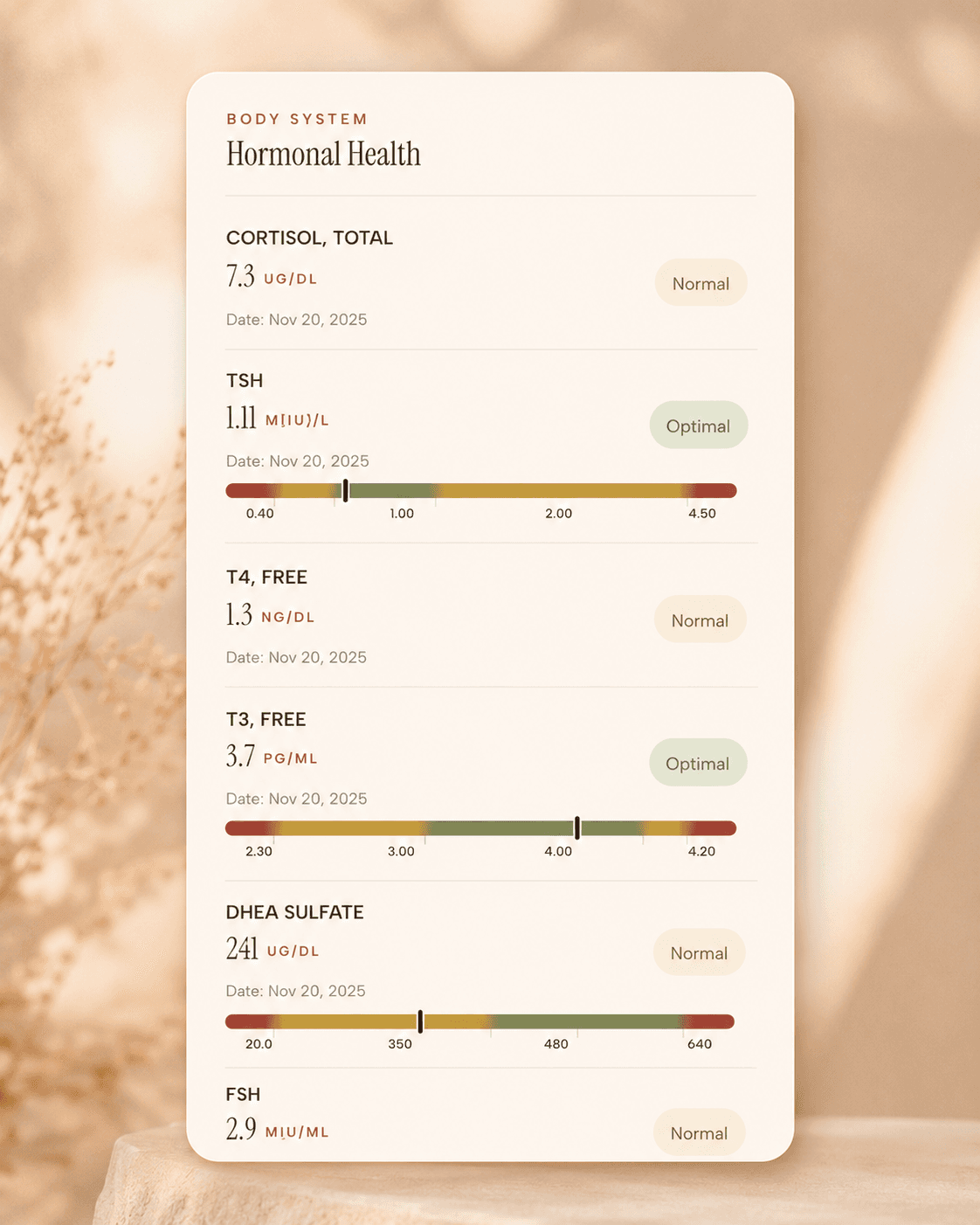
TSH is the master regulator of thyroid function, controlling the production of thyroid hormones T4 and T3. In functional medicine, we use narrower TSH ranges than conventional medicine to identify subclinical thyroid dysfunction early. Even mildly elevated TSH can indicate thyroid insufficiency, leading to fatigue, weight gain, depression, and metabolic dysfunction. TSH levels are influenced by stress, nutrient deficiencies, autoimmune conditions, and environmental toxins. Optimal TSH supports energy, metabolism…
Learn moreInsulin
Insulin is a master metabolic hormone that regulates glucose uptake, fat storage, and numerous cellular processes. In functional medicine, fasting insulin levels are one of the earliest and most sensitive markers of metabolic dysfunction. Elevated insulin (hyperinsulinemia) often precedes diabetes by years or decades and is central to metabolic syndrome. High insulin levels promote fat storage, inflammation, and contribute to numerous chronic diseases including cardiovascular disease, PCOS, and certain cancers.…
Learn moreGlucose
Fasting glucose is a fundamental marker of glucose metabolism and insulin function. In functional medicine, we recognize that even 'normal' glucose levels in the upper range may indicate early insulin resistance. Optimal fasting glucose reflects efficient glucose regulation and insulin sensitivity. Elevated fasting glucose suggests the body's inability to maintain normal glucose levels overnight, indicating hepatic insulin resistance or insufficient insulin production. This marker is essential for early detectio…
Learn moreLab testing
Check TSH, free T4, fasting insulin, and A1c at Quest
starting from $99 panel with 100+ tests, one visit
No referral needed
About 1 week
Schedule online — results typically within a week
Clear next steps
Guidance included, with follow-up care available
HSA / FSA
Eligible for pre-tax health spending accounts
Pro Tips
Try a 7-day “evening experiment”: keep dinner the same, but add a 10-minute walk right after eating and note whether cravings, reflux, or sleep quality change by day 3.
If you feel cold at night, take your temperature before bed for a week and write down your bedtime and alcohol intake too; patterns often show whether sleep disruption is driving the symptom.
If you snack at night, set a specific “kitchen closed” time and replace the habit with a planned option like herbal tea or brushing your teeth, because decision fatigue is strongest in the evening.
If you suspect thyroid issues, write down three concrete symptoms with timing (for example: constipation for 6 months, hair shedding since winter, needing socks to sleep) so your clinician can connect labs to your real life.
If you are dieting hard and feel wiped out at night, consider a 2-week maintenance-calorie phase while keeping protein high and lifting 2–3 times per week; it often restores energy without derailing progress.
Frequently Asked Questions
Is it normal for metabolism to slow down at night?
Yes, some slowdown is normal because your circadian rhythm lowers body temperature and energy use as you approach sleep. It becomes a problem when the slowdown feels extreme or comes with symptoms like persistent cold intolerance, constipation, or major fatigue. If that’s you, checking TSH and free T4 can help rule in or out thyroid involvement.
Can hypothyroidism make you feel worse at night?
It can, because the normal evening downshift stacks on top of an already-low baseline, so you notice the sluggishness more. People often describe feeling chilled, heavy, and mentally foggy after dinner. Ask for TSH and free T4, and bring your symptom timeline so results are interpreted in context.
Why do I crave sugar at night even after dinner?
Nighttime cravings often come from a mix of poor sleep and higher evening insulin, which can make your brain look for quick energy. If you regularly crave sweets after dinner, fasting insulin and A1c are useful because they can show insulin resistance even when fasting glucose looks “fine.” A practical first step is protein-first dinner plus a 10-minute post-meal walk for two weeks.
Does eating late at night slow your metabolism?
Eating late does not “damage” your metabolism, but it can worsen how your body handles glucose and it can disrupt sleep, which then affects appetite the next day. Many people do better when dinner ends at least 2–3 hours before bed. If late eating is unavoidable, keep the meal lighter and take a short walk afterward.
What labs should I get for slow metabolism and weight loss resistance?
A focused starting point is TSH and free T4 for thyroid function, plus fasting insulin for insulin resistance. If those are abnormal, your clinician may add tests like A1c, lipids, or thyroid antibodies depending on your story. The most useful move is to get the labs and review them alongside your symptoms and sleep pattern, not in isolation.