Why Your Skin Looks Paler in Your 60s
Pale skin in your 60s is often from anemia, low B12, or reduced skin blood flow. Check targeted labs and symptoms—no referral needed.





Pale skin in your 60s is most often a sign that your blood is carrying less oxygen than usual (anemia), that you are low on vitamin B12, or that blood flow to your skin is reduced by circulation or medication effects. The right labs can quickly sort out whether this is a low hemoglobin problem, a nutrient absorption issue, or something else entirely. Paleness is tricky because lighting, skin tone, and normal aging changes can fool you, but a real change in your “usual color” often comes with clues like fatigue, shortness of breath on stairs, dizziness, or feeling cold. Sometimes it is slow and subtle, and sometimes it shows up fast after bleeding or an illness. In this guide, you will learn the most common causes in your 60s, what you can do at home right now, and which blood tests are most useful. If you want help matching your exact pattern of symptoms to the most likely cause, PocketMD can talk it through with you, and targeted labs through Vitals Vault can help confirm what is going on.
Why your skin looks paler in your 60s
Iron-deficiency anemia from slow bleeding
In your 60s, iron deficiency is often not from diet alone, but from slow blood loss over time, which can happen from the stomach or intestines. When iron runs low, your body cannot make enough hemoglobin, so less oxygen gets delivered to tissues and your skin can look washed out. You might also notice new fatigue, getting winded more easily, or restless legs at night. The takeaway is simple but important: if your ferritin is low, you should ask your clinician to look for a bleeding source rather than just “taking iron and moving on.”
Vitamin B12 deficiency (pernicious anemia)
Vitamin B12 helps your bone marrow make healthy red blood cells, and it also supports nerves, which is why low B12 can cause both paleness and odd sensations like tingling in your feet. In older adults, B12 can drop because your stomach makes less acid, because you take acid blockers, or because your immune system attacks the stomach lining (pernicious anemia). You may feel tired and foggy, and you might notice balance changes that you cannot explain. If you suspect this, do not rely on food alone, because absorption is often the problem and treatment may need higher-dose oral B12 or injections.
Anemia of chronic inflammation
Long-term inflammation from conditions like kidney disease, autoimmune disease, chronic infections, or even some cancers can “lock iron away” so your body cannot use it well, even if you have iron stored. This tends to cause a steady, low-grade tiredness and paleness that creeps in rather than hitting overnight. The key detail is that ferritin can look normal or high in this situation, which can be confusing if you are only thinking about iron deficiency. If your CBC shows anemia but ferritin is not low, it is worth asking about kidney function, inflammatory markers, and your overall medical picture.
Reduced skin blood flow and circulation
Sometimes you look pale because less blood is reaching the tiny vessels near the surface of your skin, not because your blood count is low. Cold exposure, dehydration, low blood pressure, and circulation problems can all shift blood away from the skin to protect your core organs. You might notice that your hands and feet are colder than usual, or that your color improves after warming up or drinking fluids. A practical takeaway is to check your blood pressure when you feel pale, especially if you recently changed blood pressure medicines or diuretics.
Sudden blood loss or serious illness
A fast change in color can happen when you lose blood quickly or when your body is under major stress, such as a severe infection. This kind of paleness often comes with other red flags, like fainting, chest pressure, black or bloody stools, vomiting blood, confusion, or a racing heartbeat that does not settle. This is not the time to “watch and wait,” because the problem can be dangerous even if you are not in pain. If you have sudden paleness with any of those symptoms, seek urgent care or emergency evaluation.
What actually helps (and what to do next)
Do a quick self-check in good light
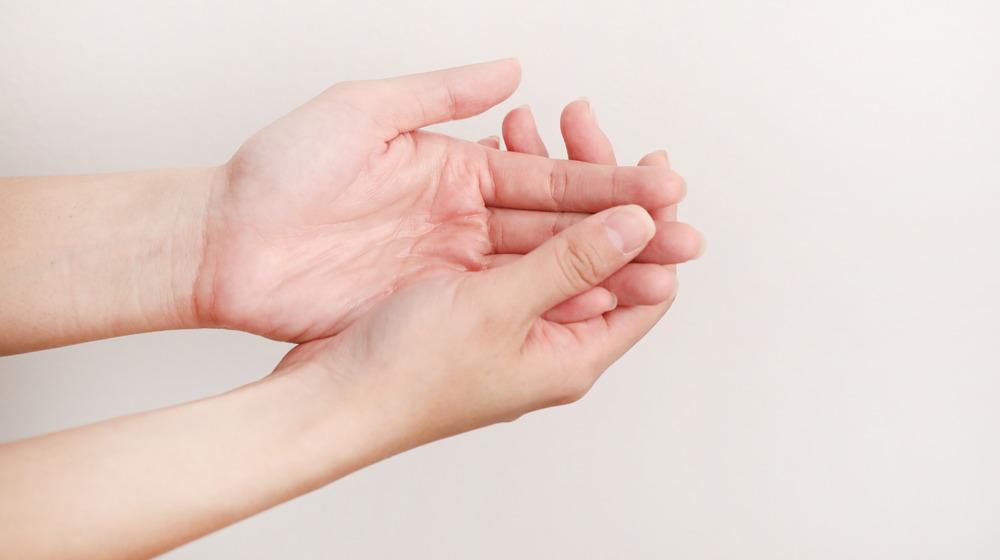
Before you assume something is wrong, look at places where paleness shows up best: the inside of your lower eyelids, your gums, and your nail beds, and do it in daylight if you can. Compare to older photos or ask someone who sees you often, because gradual changes are hard to judge in the mirror. If you also feel short of breath on easy activity or your heart is pounding at rest, move “getting checked” higher on your list. This small step helps you avoid both false alarms and missed warning signs.
Treat iron deficiency the right way
If labs confirm iron deficiency, iron supplements work, but the dosing strategy matters because too much can cause constipation and still not absorb well. Many people do better with a lower dose taken every other day, and taking it away from calcium or antacids improves absorption. You should also plan a follow-up ferritin and hemoglobin check, because you want to see numbers moving, not just “feel a bit better.” Most importantly, in your 60s you should ask what caused the iron loss, because replacing iron without finding the reason can delay diagnosis.
Replace B12 if absorption is the issue
If your B12 is low or borderline and you have symptoms like tingling or memory changes, treatment is usually straightforward and often makes a noticeable difference in energy over weeks. High-dose oral B12 can work even when absorption is impaired, but some people need injections, especially with pernicious anemia. If you take metformin or long-term acid blockers, it is worth discussing whether those are contributing. The actionable step is to recheck B12 after treatment starts so you know you are truly repleting, not guessing.
Review medications that can “wash you out”
Diuretics, blood pressure medicines, and medications that widen blood vessels can make you look pale by lowering blood pressure or shifting blood flow away from the skin. Blood thinners do not cause paleness directly, but they can make bleeding harder to notice until anemia develops. If your paleness started after a medication change, bring that timeline to your clinician or pharmacist, because it is often the missing clue. Do not stop prescriptions on your own, but do ask whether a dose adjustment or alternative is reasonable.
Plan the right follow-up, not endless guessing
If your CBC is abnormal, the next steps depend on the pattern, such as whether your red blood cells are small, normal, or large. That pattern helps separate iron deficiency from B12 deficiency and from inflammation-related anemia, which need different fixes. If your CBC is normal but you still look pale and feel unwell, it is a sign to widen the lens to hydration, blood pressure, thyroid, and circulation. A focused plan with repeat testing in 4–8 weeks often beats months of trying random supplements.
Useful biomarkers to discuss with your clinician
Hemoglobin
Hemoglobin is the iron-containing protein in red blood cells that actually carries oxygen throughout your body. In functional medicine, hemoglobin is considered one of the most important markers of oxygen-carrying capacity and overall vitality. Low hemoglobin (anemia) significantly impacts energy levels, cognitive function, exercise tolerance, and quality of life. Even mild decreases can cause fatigue and reduced performance. Hemoglobin levels are influenced by iron status, vitamin B12, folate, protein intake, a…
Learn moreFerritin
Ferritin is your body's iron storage protein, reflecting total iron stores in the body. In functional medicine, ferritin assessment is crucial for identifying both iron deficiency and iron overload, conditions that can significantly impact energy levels and overall health. Low ferritin is the earliest sign of iron deficiency, often occurring before anemia develops. This can cause fatigue, weakness, restless leg syndrome, and cognitive impairment. Conversely, elevated ferritin may indicate iron overload, inflamma…
Learn moreVitamin B12
Vitamin B12 (cobalamin) is essential for DNA synthesis, red blood cell formation, neurological function, and energy metabolism. In functional medicine, we recognize that B12 deficiency is surprisingly common, especially in older adults, vegetarians, vegans, and those with digestive issues. B12 deficiency can cause irreversible neurological damage if left untreated. The vitamin is crucial for methylation reactions, which affect cardiovascular health, detoxification, and gene expression. Even subclinical deficienc…
Learn moreLab testing
Get a CBC, ferritin, and vitamin B12 checked at Quest
starting from $99 panel with 100+ tests, one visit
No referral needed
About 1 week
Schedule online — results typically within a week
Clear next steps
Guidance included, with follow-up care available
HSA / FSA
Eligible for pre-tax health spending accounts

Pro Tips
Take two photos of your face in the same spot: one today and one in two weeks, both in daylight and without makeup. If you are truly getting paler, the change becomes obvious when you compare them side by side.
Try the “stairs test” once a day for a week: walk up one flight at your normal pace and note whether you are more winded than usual. Worsening shortness of breath with paleness is a strong reason to get a CBC sooner rather than later.
If you start iron, set a calendar reminder to recheck hemoglobin and ferritin in about 6–8 weeks. Feeling better is great, but numbers confirm you are rebuilding iron stores instead of just masking symptoms.
If you take a proton pump inhibitor or H2 blocker most days, write down the name and dose before your appointment. Long-term acid suppression can make B12 and iron issues more likely, which changes what “the right fix” looks like.
Look at your stools for a few days if iron deficiency is on the table. Black, tarry stools or visible blood are not “just hemorrhoids” until someone checks, so treat that as a prompt to call your clinician promptly.
Frequently Asked Questions
Is pale skin in your 60s usually anemia?
Often, yes, especially if you also feel tired, get winded easily, or notice a fast heartbeat with mild activity. A complete blood count (CBC) can confirm whether your hemoglobin is low, and the red blood cell size (MCV) helps point toward iron deficiency versus B12 deficiency. If your CBC is normal, paleness can still come from low blood pressure, dehydration, or reduced skin blood flow. The most useful next step is to get a CBC and ferritin if the change is new or persistent.
What are the warning signs that pale skin is an emergency?
Seek urgent care if paleness comes on suddenly or comes with fainting, chest pain or pressure, confusion, severe weakness, vomiting blood, or black tarry stools. Those combinations can signal significant bleeding or serious illness, even if you are not in pain. If you feel your heart racing at rest and you look unusually pale, that also deserves prompt evaluation. When in doubt, err on the side of being checked the same day.
Can dehydration make you look pale?
Yes, dehydration can reduce blood volume and temporarily decrease blood flow to the skin, which can make you look washed out. You might also feel lightheaded when standing, have a dry mouth, or notice darker urine. If drinking fluids and resting improves your color within an hour or two, dehydration may be part of the story, but it should not explain ongoing paleness for days. If paleness persists, a CBC is still worth doing.
What ferritin level is considered low for iron deficiency?
For many adults, ferritin below about 30 ng/mL suggests iron deficiency, and values below 15 ng/mL are strongly consistent with depleted iron stores. The tricky part is that ferritin can be falsely normal or high when you have inflammation or infection, which is common in older adults. That is why your CBC pattern and symptoms matter alongside ferritin. If ferritin is low, ask about both iron replacement and evaluating for a bleeding source.
Can vitamin B12 deficiency cause pale skin and fatigue?
Yes, low vitamin B12 can cause anemia that leads to paleness and low energy, and it can also affect nerves, which is why tingling, balance issues, or memory changes sometimes show up too. Many clinicians treat B12 below 200 pg/mL, and borderline results around 200–350 pg/mL can still be meaningful if you have symptoms. Because absorption is often the problem in your 60s, food changes alone may not be enough. If you suspect B12 deficiency, get a B12 level and discuss treatment and follow-up testing.