Why Is Your Skin Looking Paler in Your 50s?
Pale skin in your 50s is often from anemia, low iron stores, or low thyroid. Targeted blood tests are available at Quest—no referral needed.





Pale skin in your 50s is most often a sign that your blood is carrying less oxygen than usual, which commonly happens with anemia, low iron stores, or an underactive thyroid. It can also show up when blood flow to the skin drops, such as with dehydration, certain medications, or circulation problems. A few targeted labs can usually tell which bucket you’re in, so you’re not guessing. Paleness can be subtle because your baseline skin tone changes with age, sun exposure, and even indoor lighting. Still, if you also feel more tired than usual, get short of breath on stairs, notice new headaches, or your heart feels like it is working harder, it is worth taking seriously. The goal is not to “treat pale skin,” but to find what is making you look washed out and fix that root cause. If you want help sorting your symptoms and risk factors before you act, PocketMD can walk you through the likely causes, and Vitals Vault labs can help you confirm what is going on with real numbers.
Why your skin looks paler in your 50s
Iron deficiency, even without anemia
You can run low on iron stores before your hemoglobin drops, and that “low reserve” state often shows up as fatigue, feeling cold, and looking paler than usual. In your 50s, the most important question is why iron is low, because it is often from slow blood loss in the gut rather than “not eating enough iron.” If your ferritin (your iron storage marker) is low, ask your clinician whether you need evaluation for bleeding, especially if you are male or postmenopausal.
Anemia from low B12 or folate
Vitamin B12 and folate help your bone marrow make healthy red blood cells, so when they are low, your blood can’t carry oxygen as efficiently and your skin may look washed out. This cause often comes with clues that feel unrelated, like tingling in your feet, a sore tongue, or brain fog that is new for you. If you are on metformin or a long-term acid blocker, or you eat very little animal protein, bring that up because it raises the odds of B12 deficiency.
Anemia of chronic inflammation
Long-standing inflammation from conditions like kidney disease, autoimmune disease, or chronic infections can trap iron in storage and slow red blood cell production, even when you are not “iron deficient” in the usual sense. The frustrating part is that iron pills may not help much, and you can still feel wiped out and look pale. If you have ongoing joint pain, frequent infections, or known chronic disease, your lab pattern (CBC plus ferritin) helps separate this from simple iron deficiency.
Underactive thyroid (hypothyroidism)
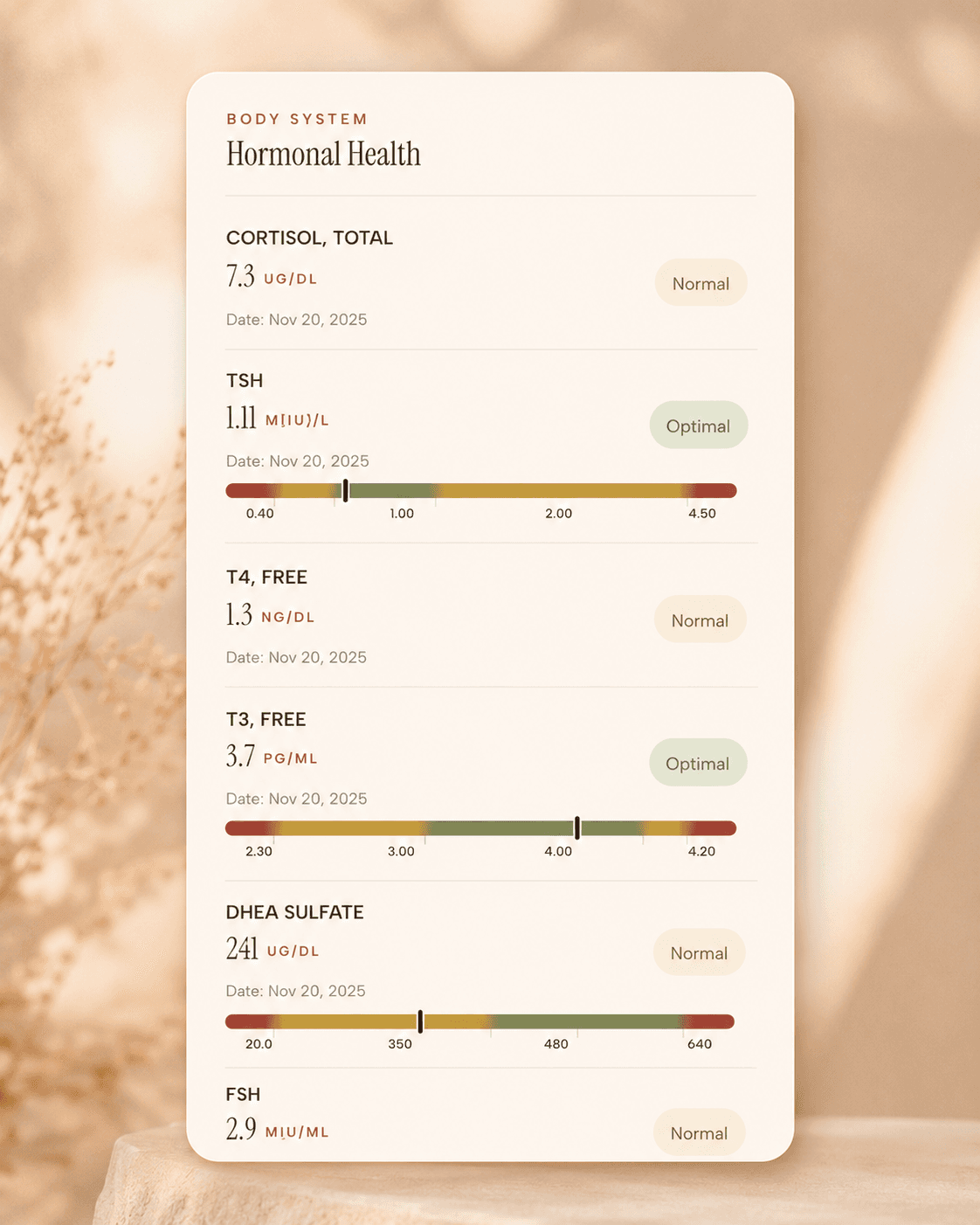
When your thyroid runs slow, your whole system slows down, including how quickly your skin renews and how much blood flow reaches the surface. That can make you look paler and a bit puffy, and it often travels with constipation, dry skin, hair thinning, and feeling unusually cold. If pallor is paired with those symptoms, checking TSH is a practical first step because thyroid treatment can improve both energy and skin tone over time.
Low blood volume or reduced skin blood flow
Sometimes you look pale because less blood is reaching the skin, not because your red blood cells are low. Dehydration, recent vomiting or diarrhea, heavy sweating, or blood pressure medications can all lower circulating volume enough to make you look washed out and lightheaded when you stand. If your paleness comes with chest pain, fainting, black stools, or severe shortness of breath, that is not a “wait and see” situation and you should get urgent care.
What actually helps (and what to do next)
Start with a quick symptom pattern check
Look at the timing: did paleness appear gradually over months, or did it show up in a week or two? Gradual change points more toward iron, B12, thyroid, or chronic disease, while sudden paleness with weakness can signal dehydration or bleeding. Write down two or three accompanying symptoms you keep noticing, because that short list makes your next step with a clinician much more efficient.
Treat iron deficiency the right way
If labs confirm low ferritin or iron deficiency anemia, iron replacement works best when you take it consistently and you address the reason you became iron deficient. Many people tolerate iron better when they take it every other day, and taking it away from calcium supplements can improve absorption. You should also ask about follow-up testing, because ferritin should rise over weeks to months, and a lack of response is a clue that something else is going on.
Fix B12 or folate deficiency early
If B12 is low, treating it sooner matters because nerve symptoms can become harder to reverse the longer they go on. Depending on the cause, you may need high-dose oral B12 or injections, and you may also need to adjust a medication that is interfering with absorption. If you suspect this is you, do not just start folic acid alone, because folate can mask anemia while B12-related nerve damage continues.
Review meds and bleeding risks
In your 50s, slow blood loss is a common reason for new pallor, and it can be easy to miss. Regular use of NSAIDs like ibuprofen or naproxen, aspirin, or blood thinners can irritate the stomach or increase bleeding, which may quietly drain iron over time. If you are using these often, ask your clinician whether you need stomach protection, a different pain plan, or evaluation for GI bleeding.
Support circulation when volume is low
If your paleness comes with dizziness when you stand, focus on restoring volume and stabilizing blood pressure. Drinking fluids is a start, but adding electrolytes and a salty snack can help if you are not on a salt-restricted plan, because salt helps you hold onto fluid. If this keeps happening, bring home blood pressure readings (lying and then standing) to your appointment so the pattern is clear.
Lab tests that help explain pale skin in your 50s
Ferritin
Ferritin is your body's iron storage protein, reflecting total iron stores in the body. In functional medicine, ferritin assessment is crucial for identifying both iron deficiency and iron overload, conditions that can significantly impact energy levels and overall health. Low ferritin is the earliest sign of iron deficiency, often occurring before anemia develops. This can cause fatigue, weakness, restless leg syndrome, and cognitive impairment. Conversely, elevated ferritin may indicate iron overload, inflamma…
Learn moreVitamin B12
Vitamin B12 (cobalamin) is essential for DNA synthesis, red blood cell formation, neurological function, and energy metabolism. In functional medicine, we recognize that B12 deficiency is surprisingly common, especially in older adults, vegetarians, vegans, and those with digestive issues. B12 deficiency can cause irreversible neurological damage if left untreated. The vitamin is crucial for methylation reactions, which affect cardiovascular health, detoxification, and gene expression. Even subclinical deficienc…
Learn moreFolate, Serum
Folate (vitamin B9) is crucial for DNA synthesis, cell division, and one-carbon metabolism. In functional medicine, adequate folate is essential for cardiovascular health, cognitive function, and preventing neural tube defects during pregnancy. Folate works synergistically with B12 and B6 in methylation reactions that affect homocysteine levels, neurotransmitter synthesis, and gene expression. The synthetic form, folic acid, may not be well-utilized by individuals with MTHFR gene variants, making natural folate…
Learn moreLab testing
Check CBC, ferritin, and TSH at Quest
starting from $99 panel with 100+ tests, one visit
No referral needed
About 1 week
Schedule online — results typically within a week
Clear next steps
Guidance included, with follow-up care available
HSA / FSA
Eligible for pre-tax health spending accounts
Pro Tips
Do a quick “pallor check” in natural light by looking at your lower eyelid and gums, not just your cheeks, because indoor lighting and makeup can fool you.
If you suspect iron issues, keep a 10-day log of energy, breathlessness on stairs, and heart pounding, because those symptoms often improve before your skin tone noticeably changes.
When you take iron, pair it with vitamin C from food or a small supplement and avoid taking it with calcium at the same time, because calcium can block absorption for some people.
If you are postmenopausal or male and your ferritin is low, do not stop at “take iron”; ask directly what the plan is to rule out slow gastrointestinal bleeding.
If you get dizzy when you stand, measure your blood pressure and pulse after lying down for 5 minutes and again after standing for 1 and 3 minutes, because that pattern helps your clinician spot volume or autonomic issues.
Frequently Asked Questions
Is pale skin in your 50s usually anemia?
It is common, but it is not the only explanation. Anemia is a top cause because low hemoglobin reduces oxygen delivery and can make you look washed out, especially if you also feel tired or short of breath. A CBC can confirm whether you are anemic, and ferritin can show iron depletion even before anemia appears.
What ferritin level is considered low for women or men in their 50s?
Many labs flag ferritin as “low” only when it is very low, but symptoms can show up earlier. Clinically, ferritin below about 30 ng/mL often suggests depleted iron stores, and many people with fatigue or hair shedding feel better once ferritin is repleted into a higher buffer range such as 50–100 ng/mL. The key is pairing the number with the reason it is low, especially in men and postmenopausal women.
Can hypothyroidism make you look pale?
Yes, because low thyroid function can reduce skin blood flow and slow skin turnover, which can make your complexion look dull or pale. It often comes with dry skin, constipation, feeling cold, and hair thinning. Checking TSH is a reasonable first test if pallor is paired with those symptoms.
When is pale skin an emergency?
Get urgent care if paleness comes with chest pain, fainting, severe shortness of breath, confusion, or signs of bleeding such as black stools or vomiting blood. Those combinations can signal significant blood loss, heart strain, or shock, and waiting at home can be risky. If you are unsure, it is safer to be evaluated promptly.
How long does it take for pale skin to improve after starting iron?
If iron deficiency is the cause, many people notice better energy within 2–4 weeks, but skin tone changes can lag because your body needs time to rebuild red blood cells and refill iron stores. Hemoglobin often rises measurably within a month, while ferritin may take a few months to normalize depending on how low it was and whether the cause of iron loss is fixed. Plan on repeat labs to confirm you are actually repleting, not just taking pills.