Why You Look Paler in Your 40s (and What to Do Next)
Pale skin in your 40s is often from anemia, low iron stores, or low thyroid slowing blood flow. Targeted labs available at Quest—no referral needed.





Pale skin in your 40s is most often a “blood or circulation” issue rather than a skin issue, and the big three are anemia, low iron stores that are heading toward anemia, and an underactive thyroid slowing your circulation. It can also show up when you are not absorbing key nutrients like vitamin B12, or when blood loss is happening quietly over time. A few targeted blood tests can usually tell you which bucket you are in, so you are not guessing. Pallor is tricky because lighting, makeup, tanning habits, and even seasonal sun exposure can fool you, but your body also gives clues. If you are also feeling more winded on stairs, getting headaches, noticing brittle nails, or feeling “cold to the bone,” it is worth taking seriously. In your 40s, heavy periods, stomach irritation from anti-inflammatories, and thyroid shifts become more common, and all of them can change how much oxygen your blood carries or how well blood reaches your skin. If you want help sorting your pattern before you book anything, PocketMD can walk through your symptoms and risks with you, and Vitals Vault labs can help you confirm what is going on.
Why you look paler in your 40s
Iron deficiency (low ferritin)
Iron is the raw material your body uses to build hemoglobin, the part of red blood cells that carries oxygen. When your iron stores run low, you can look washed out and feel drained even before you meet the lab definition of anemia, because your tissues are getting less oxygen than they are used to. In your 40s, heavy periods, frequent blood donation, or a long stretch of “not enough iron” eating can quietly push ferritin down. The practical takeaway is that ferritin is the test that often catches this early, and it is also the one that helps you avoid taking iron blindly when you do not need it.
Anemia from blood loss
Sometimes you are not making too few red blood cells — you are losing them. In your 40s that can mean heavier menstrual bleeding, but it can also mean slow bleeding from the stomach or intestines, especially if you use ibuprofen or naproxen often or you have reflux. This kind of anemia can sneak up, and you may notice paleness along with lightheadedness when you stand, a faster heart rate, or getting winded doing normal errands. If you are seeing black, tarry stools, vomiting blood, or you feel faint, that is a same-day urgent situation rather than a “wait and see” symptom.
Low B12 or folate
Vitamin B12 and folate help your bone marrow build healthy red blood cells, and when either one is low your cells can become fewer and less effective at delivering oxygen. You might look pale but also feel “neurologically off,” like tingling in your hands or feet, balance changes, or brain fog that feels out of proportion to your sleep. This is more common if you eat little or no animal food, take acid-suppressing meds long-term, or have gut conditions that affect absorption. The key point is that treating the cause matters, because B12 deficiency can affect nerves even when your hemoglobin is only mildly low.
Underactive thyroid (hypothyroidism)
When your thyroid is underactive, your metabolism slows and your circulation can feel sluggish, which can make your skin look paler or more “dull.” You may also notice dry skin, constipation, weight gain that does not match your habits, or feeling cold when others are comfortable. In your 40s, thyroid changes can show up gradually, so it is easy to blame stress or aging. A simple TSH test can flag when your thyroid is likely part of the story, and it gives you a clear next step to discuss with a clinician.
Less blood flow to the skin
Your skin color partly reflects how much blood is flowing through tiny surface vessels, and stress, nicotine, and some medications can tighten those vessels and make you look paler. This tends to come and go, so you might notice you look normal after a warm shower but washed out when you are anxious, cold, or after caffeine. It matters because it can mimic anemia and keep you chasing the wrong fix. A useful check is to compare how you look and feel when you are warm and relaxed versus cold and rushed, and then use labs to confirm whether your blood counts are actually low.
What helps you look and feel better
Confirm anemia before supplementing
If you start iron “just in case,” you can miss the real cause or overshoot and end up with constipation and nausea for no benefit. A CBC and ferritin can tell you whether you are truly anemic, whether you are iron-deficient without anemia, or whether something else is going on. Once you know, your plan becomes much simpler and faster. If your numbers are low, ask specifically what target ferritin and hemoglobin you should aim for, because “normal” is not always “optimal for you.”
Treat heavy periods as a cause
If your periods have become heavier or longer in your 40s, that can be the entire explanation for low iron and pallor. Tracking how many pads or tampons you use per day and how many days you bleed gives your clinician something concrete to work with, and it helps you notice patterns like flooding or clots. Options range from anti-inflammatory timing, to hormonal treatments, to addressing fibroids, and the right choice depends on your goals and risks. The point is that replacing iron without addressing ongoing loss is like refilling a leaky bucket.
Use iron in a way you tolerate
If iron deficiency is confirmed, how you take iron matters as much as what you take. Many people do better with a lower dose taken every other day, because it can improve absorption and reduce stomach side effects. Taking it with vitamin C and away from calcium, tea, or coffee often helps, and you should expect it to take weeks to feel a difference and months to rebuild stores. Rechecking ferritin after about 8–12 weeks tells you whether your approach is working.
Address B12/folate absorption issues
If B12 is low, the fix is not always “eat more meat,” because absorption can be the real problem. High-dose oral B12 can work for many people, but some need injections, especially if there is pernicious anemia or significant gut malabsorption. If you have tingling, balance issues, or memory changes, treat this as time-sensitive and bring it up directly, because nerves recover more slowly than blood counts. Ask for a repeat level after treatment so you know you are truly repleted.
Warmth and circulation checks at home
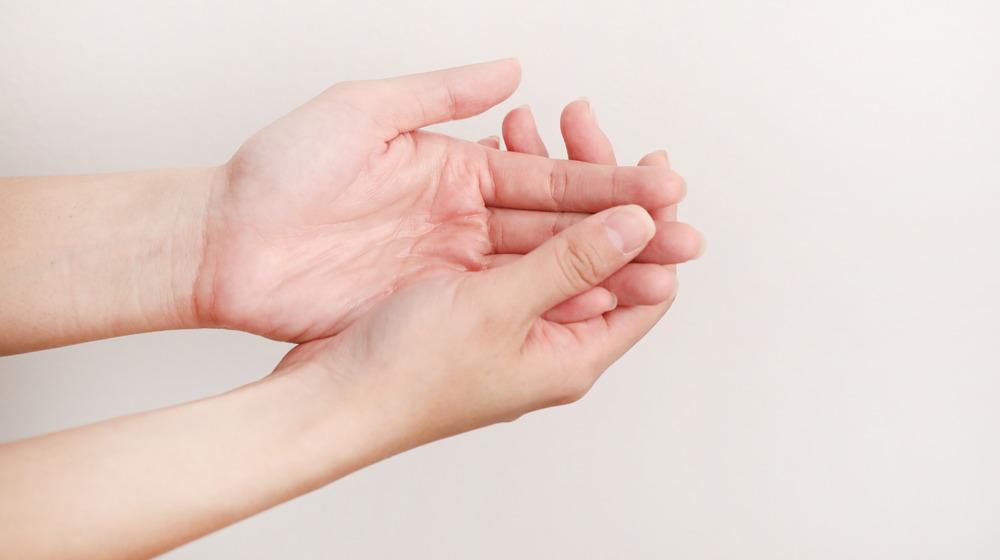
When paleness fluctuates, a simple at-home experiment can help you separate “blood count” from “blood flow.” Check your nail beds and inner eyelids in the same lighting each morning for a week, and note whether warmth (a shower, a walk, a heated room) brings color back. If warmth reliably changes your color, circulation and vessel tightening may be a big contributor, and stress and nicotine reduction become more relevant than supplements. If nothing changes and you feel progressively more tired, labs move higher on the priority list.
Useful biomarkers to discuss with your clinician
Ferritin
Ferritin is your body's iron storage protein, reflecting total iron stores in the body. In functional medicine, ferritin assessment is crucial for identifying both iron deficiency and iron overload, conditions that can significantly impact energy levels and overall health. Low ferritin is the earliest sign of iron deficiency, often occurring before anemia develops. This can cause fatigue, weakness, restless leg syndrome, and cognitive impairment. Conversely, elevated ferritin may indicate iron overload, inflamma…
Learn moreVitamin B12
Vitamin B12 (cobalamin) is essential for DNA synthesis, red blood cell formation, neurological function, and energy metabolism. In functional medicine, we recognize that B12 deficiency is surprisingly common, especially in older adults, vegetarians, vegans, and those with digestive issues. B12 deficiency can cause irreversible neurological damage if left untreated. The vitamin is crucial for methylation reactions, which affect cardiovascular health, detoxification, and gene expression. Even subclinical deficienc…
Learn moreTSH
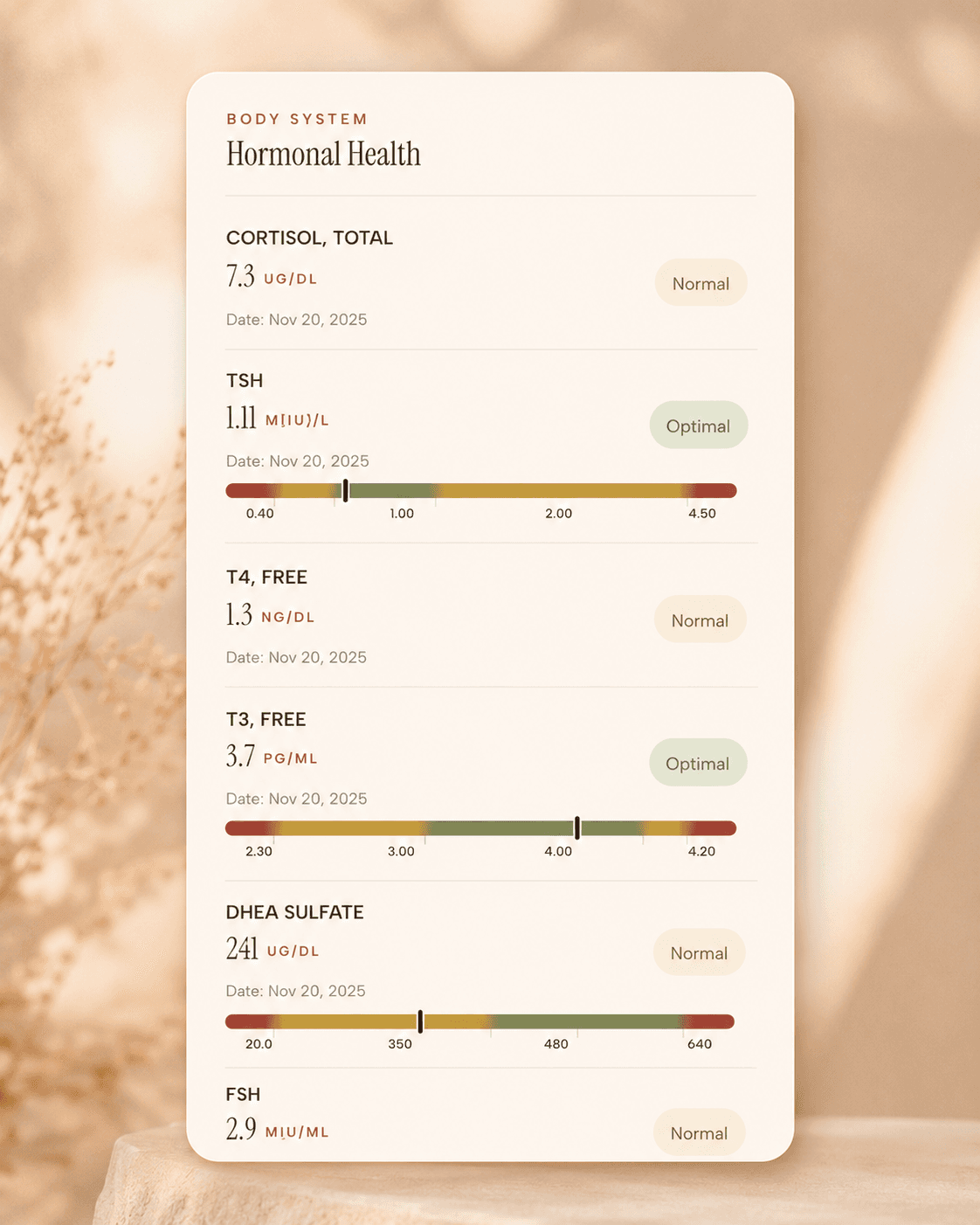
TSH is the master regulator of thyroid function, controlling the production of thyroid hormones T4 and T3. In functional medicine, we use narrower TSH ranges than conventional medicine to identify subclinical thyroid dysfunction early. Even mildly elevated TSH can indicate thyroid insufficiency, leading to fatigue, weight gain, depression, and metabolic dysfunction. TSH levels are influenced by stress, nutrient deficiencies, autoimmune conditions, and environmental toxins. Optimal TSH supports energy, metabolism…
Learn moreLab testing
Get a CBC, ferritin, and TSH checked at Quest
starting from $99 panel with 100+ tests, one visit
No referral needed
About 1 week
Schedule online — results typically within a week
Clear next steps
Guidance included, with follow-up care available
HSA / FSA
Eligible for pre-tax health spending accounts
Pro Tips
Do a quick “pallor reality check” in consistent light: look at your lower eyelid and nail beds in the same bathroom lighting for 7 days, because cheeks can lie due to redness, makeup, and sun exposure.
If you have periods, write down the heaviest two days each cycle and how often you need to change protection; bringing that concrete detail to a visit often speeds up the workup for iron loss.
If you start iron after confirming low ferritin, set a calendar reminder to recheck ferritin in 8–12 weeks, because symptoms can improve before your stores are truly rebuilt.
If you take acid blockers for reflux, ask whether you still need them daily and whether a step-down plan is safe for you, because long-term acid suppression can make B12 and iron absorption harder for some people.
If you get paler with cold hands and feet, try a 10-minute brisk walk or a warm shower and see if color returns; that simple response can help you and your clinician separate circulation effects from true anemia.
Frequently Asked Questions
Why am I suddenly pale in my 40s?
A sudden change is often from iron deficiency, anemia from blood loss (including heavier periods), or thyroid slowing that changes circulation. The fastest way to sort it out is a CBC plus ferritin, and adding TSH if you also feel cold, constipated, or unusually tired. If you also feel faint, have chest pain, or notice black stools, get urgent care the same day.
Can low iron make your face look pale even if your hemoglobin is normal?
Yes. Low iron stores show up as low ferritin, and you can feel tired and look washed out before hemoglobin drops into the anemic range. That is why ferritin is so useful when you feel “off” but your CBC looks borderline. Ask for ferritin and a plan to recheck it after treatment rather than guessing with supplements.
What ferritin level is too low for adults?
Many labs flag ferritin below about 15–30 ng/mL as low, but symptoms can happen above that, especially with heavy menstrual loss. A common “feel-better” target is at least 30–50 ng/mL, although your best target depends on your history and how you respond. If your ferritin is low, you also want to understand why it is low so it does not keep dropping.
Can hypothyroidism cause pale skin?
It can. An underactive thyroid can reduce skin blood flow and make your skin look paler and drier, and it often comes with fatigue, feeling cold, constipation, and slower thinking. TSH is the usual first test, and persistently high results deserve follow-up rather than trying thyroid “support” supplements on your own.
When is pale skin an emergency?
Pale skin is urgent if it comes with fainting, chest pain, shortness of breath at rest, confusion, or signs of bleeding such as black tarry stools or vomiting blood. Those combinations can signal significant blood loss or a serious heart or lung problem. If you are stable but progressively worsening over days to weeks, schedule a prompt evaluation and start with a CBC and ferritin.
What research says about pallor and anemia workups
British Society of Gastroenterology guideline on iron deficiency anemia in adults (evaluation for GI blood loss when appropriate)
USPSTF recommendation statement on iron deficiency anemia screening in pregnant persons (useful background on ferritin and anemia definitions)
American Thyroid Association guidance on hypothyroidism (TSH-based diagnosis and treatment principles)