Why Are Your Nails Brittle in Your 40s?
Brittle nails in your 40s often come from iron deficiency, thyroid slowdown, or repeated wet-dry damage. Targeted labs at Quest—no referral needed.





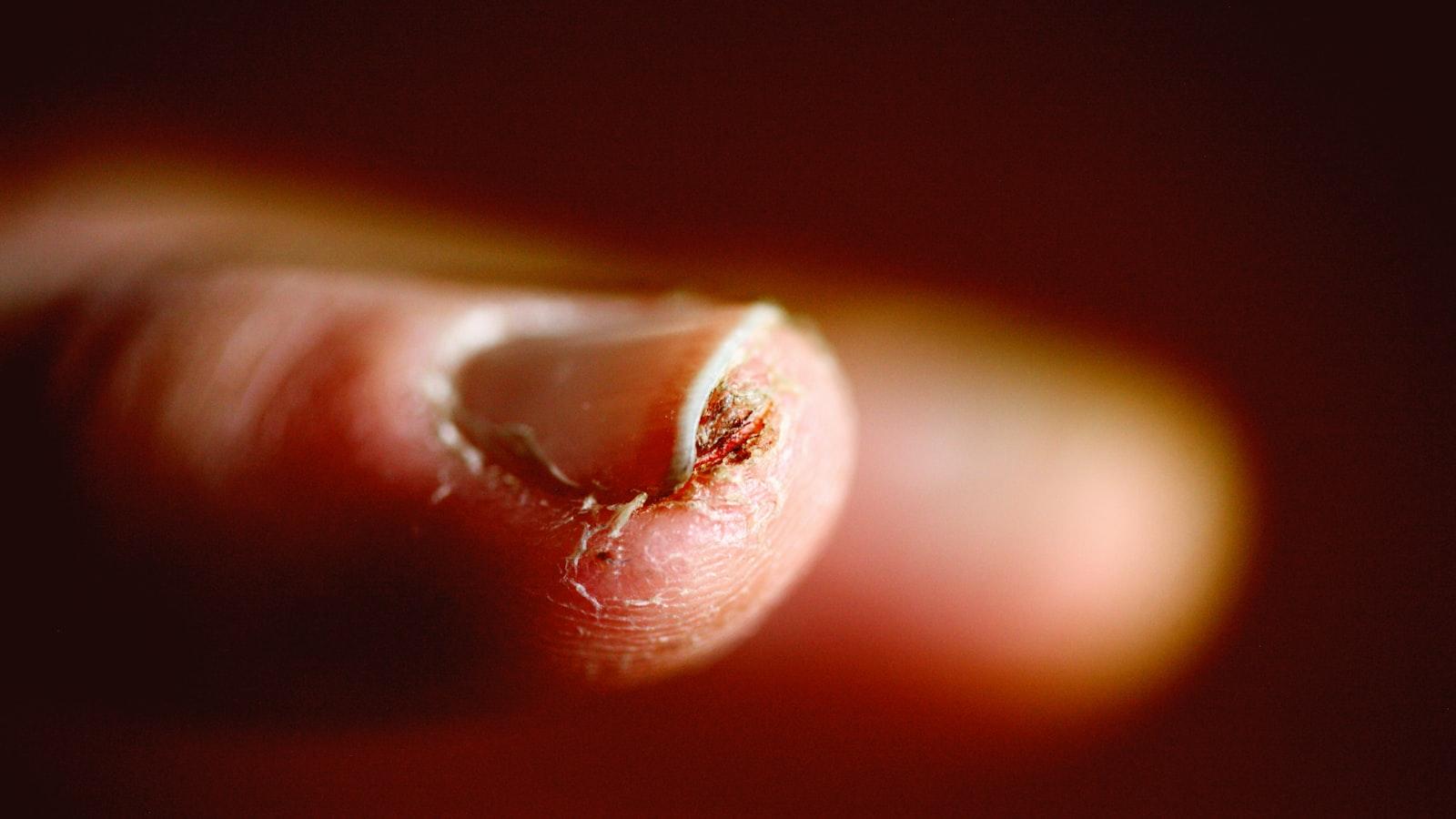
Brittle nails in your 40s are usually a mix of “outside” damage and “inside” supply issues, like frequent wet-dry cycles and chemicals, low iron stores, or a slowing thyroid. Hormone shifts around perimenopause can also dry out nail plates and make splitting easier. Simple blood tests can help you figure out which of these is actually driving your changes. If your nails are suddenly cracking, peeling, or breaking below the fingertip, it can feel oddly alarming because nails are one of the few body parts you can watch grow in real time. The tricky part is that brittle nails rarely have one single cause, and the fix depends on whether the problem is nail dehydration, low building blocks (like iron), or a hormone/metabolism issue. This guide walks you through the most common reasons in your 40s, what helps in the real world, and which labs are worth checking. If you want help matching your pattern to the most likely cause, PocketMD can talk it through with you, and Vitals Vault labs can help you confirm it with targeted testing.
Why your nails get brittle in your 40s
Repeated wet-dry and chemicals
Your nails are made of layered keratin, and those layers swell when they’re wet and shrink when they dry. If you wash dishes, use sanitizer, or get frequent gel removals, that constant expansion and contraction can make the layers lift and peel. The takeaway is practical: if your nails look like they are “delaminating” at the tips, protecting them from water and solvents often helps more than any supplement.
Low iron stores (ferritin)
Even without anemia, low iron storage (ferritin) can leave your nail matrix short on the raw materials it needs to build a strong nail plate. You might notice nails that bend too easily, split down the middle, or grow slowly, and you may also feel more tired than you think you “should.” If your periods are heavier in your 40s or you donate blood, ferritin is a high-yield test to check before you blame aging.
Thyroid slowdown (hypothyroidism)
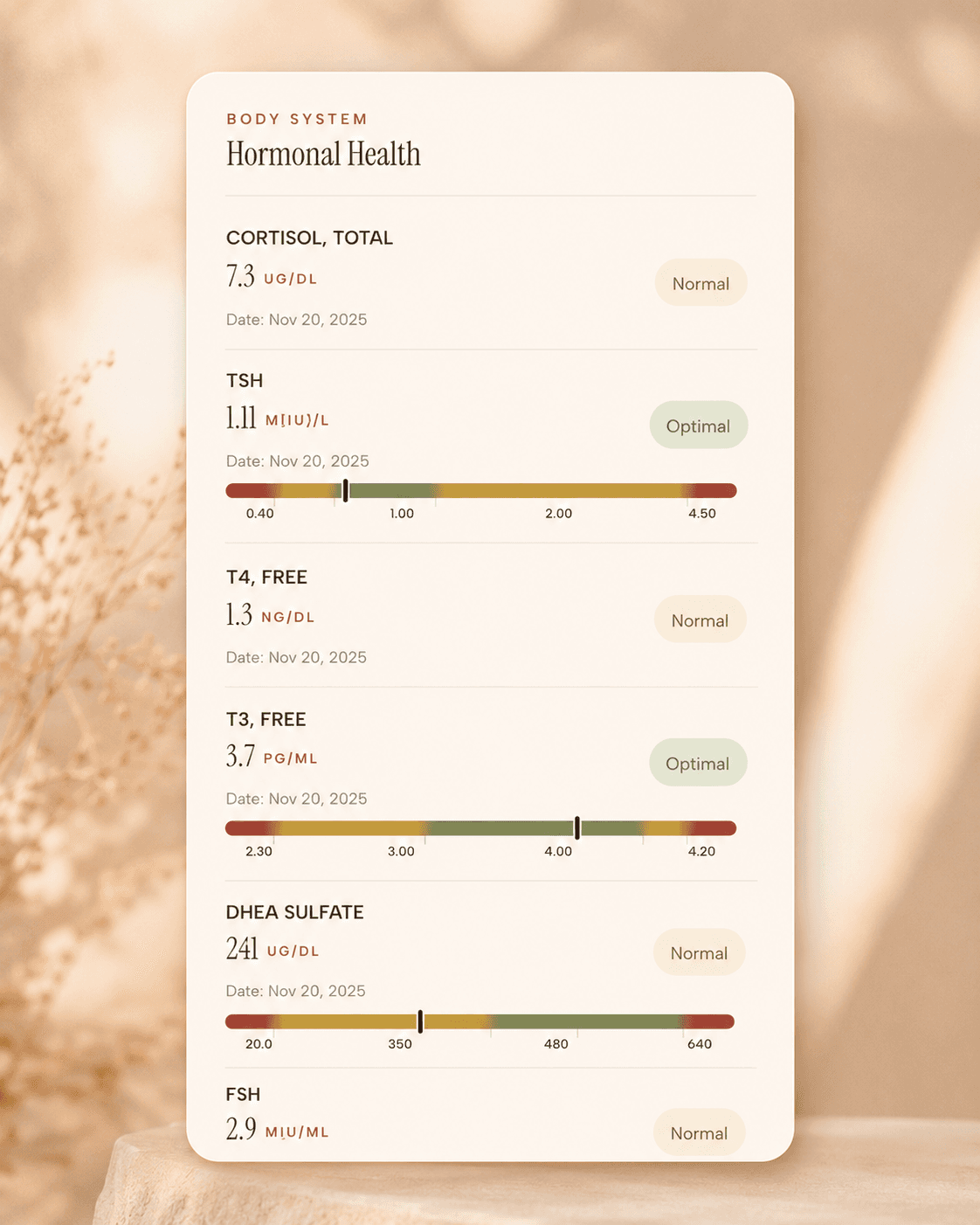
When your thyroid runs low, your whole growth-and-repair pace slows down, including nail growth. Nails can become dry, rough, and more prone to cracking, and you may also notice cold intolerance, constipation, or thinning at the outer eyebrows. If brittle nails show up alongside those body-wide clues, checking a thyroid-stimulating hormone test (TSH) is a sensible next step.
Perimenopause-related dryness
As estrogen fluctuates in your 40s, your skin and nails can hold onto less moisture, which makes the nail plate less flexible. Less flexibility means normal daily pressure—opening cans, typing, gardening—causes tiny fractures that turn into splits. If your nails got worse around the same time your skin felt drier or your cycle changed, treating this like a moisture-barrier problem can be surprisingly effective.
Vitamin D is running low
Vitamin D helps regulate how your body handles calcium and supports normal cell growth, which matters for the nail matrix even though nails are not “bone.” When vitamin D is low, people often notice more generalized fragility, including hair shedding or achy muscles, and nails can feel thinner and more breakable. If you avoid sun, use strong sunscreen daily, or live in a darker winter climate, a 25-hydroxy vitamin D test can clarify whether repletion should be part of your plan.
What actually helps brittle nails
Switch to a nail barrier routine
Treat your nails like you would dry hands: reduce water exposure and seal in moisture. Use gloves for dishwashing and cleaning, then apply a thick hand cream and a cuticle oil right after you dry your hands so it locks in water instead of evaporating. If you do one thing this week, do that after every handwash for seven days and see how much peeling slows.
Take a break from gel removal
Gel and acrylic aren’t always the problem, but aggressive removal often is because it strips the top layers of the nail. If your nails are paper-thin after a salon visit, take a 6–8 week “rebuild” break and use a gentle, non-formaldehyde strengthener or ridge-filling base coat to reduce snagging. The goal is to let new, healthier nail grow out without repeated trauma.
Fix iron deficiency the right way
If ferritin is low, the fix is not just “eat more spinach,” because plant iron is harder to absorb and your needs may be higher than you realize. Many people do better with an iron supplement taken away from coffee, tea, and calcium, and paired with vitamin C to improve absorption. Recheck ferritin after about 8–12 weeks so you know you are actually rebuilding stores rather than guessing.
Address thyroid issues, not just nails
If TSH suggests hypothyroidism, stronger nails usually follow only after your overall thyroid status is corrected, because nail growth is downstream of metabolism. That means working with a clinician on the right diagnosis and dose rather than chasing quick cosmetic fixes. While you’re waiting for nails to catch up, keep them short and filed in one direction so you don’t turn small splits into big breaks.
Be careful with high-dose biotin
Biotin can help some people with brittle nails, but the evidence is limited and it is not a magic fix for iron or thyroid problems. The bigger issue is that biotin supplements can interfere with certain lab tests, including some thyroid and heart tests, which can lead to confusing results. If you try biotin, tell your clinician and stop it for at least 48–72 hours before bloodwork unless you’re told otherwise.
Useful biomarkers to discuss with your clinician
Ferritin
Ferritin is your body's iron storage protein, reflecting total iron stores in the body. In functional medicine, ferritin assessment is crucial for identifying both iron deficiency and iron overload, conditions that can significantly impact energy levels and overall health. Low ferritin is the earliest sign of iron deficiency, often occurring before anemia develops. This can cause fatigue, weakness, restless leg syndrome, and cognitive impairment. Conversely, elevated ferritin may indicate iron overload, inflamma…
Learn moreTSH
TSH is the master regulator of thyroid function, controlling the production of thyroid hormones T4 and T3. In functional medicine, we use narrower TSH ranges than conventional medicine to identify subclinical thyroid dysfunction early. Even mildly elevated TSH can indicate thyroid insufficiency, leading to fatigue, weight gain, depression, and metabolic dysfunction. TSH levels are influenced by stress, nutrient deficiencies, autoimmune conditions, and environmental toxins. Optimal TSH supports energy, metabolism…
Learn moreIron Binding Capacity
TIBC helps distinguish between different causes of abnormal iron levels. High TIBC indicates iron deficiency (the body increases transferrin to capture more iron), while low TIBC suggests iron overload or chronic disease. It's essential for accurate iron status assessment. Total Iron Binding Capacity (TIBC) measures the blood's capacity to bind iron with transferrin, the main iron transport protein. It indirectly reflects transferrin levels and iron status.
Learn moreLab testing
Check ferritin, TSH, and vitamin D at Quest
starting from $99 panel with 100+ tests, one visit
No referral needed
About 1 week
Schedule online — results typically within a week
Clear next steps
Guidance included, with follow-up care available
HSA / FSA
Eligible for pre-tax health spending accounts
Pro Tips
Do a two-week “nail audit”: take one clear photo of each hand every Sunday, and write down what changed that week (new polish, gel removal, cleaning binge, travel). Patterns show up faster than you expect.
If your nails peel at the tips, file them gently into a rounded shape and seal the edge with a base coat. That tiny seal reduces snagging, which is what turns a small peel into a full break.
After you shower, pat your hands dry and rub a drop of oil into the cuticle and the sides of the nail, then put cream over it. You are trapping water in the nail plate, which makes it flex instead of crack.
If you suspect iron is the issue, look for the “why” while you treat it. In your 40s, heavier periods, frequent blood donation, and low-meat diets are common reasons ferritin drops, and fixing the source prevents the cycle from repeating.
Bring one nail to your next appointment—literally. A close-up photo of the worst split and a list of products you use (remover type, gel frequency, sanitizer use) helps a clinician or dermatologist distinguish damage from a medical cause quickly.
Frequently Asked Questions
Are brittle nails a sign of menopause in your 40s?
They can be, because perimenopause can reduce moisture in your skin and nails, which makes nails less flexible and more likely to split. But brittle nails are not specific to menopause, and iron deficiency and thyroid problems can look the same from the outside. If you also have cycle changes, hot flashes, or new dryness, treat the nails as a barrier issue and consider checking ferritin and TSH.
What vitamin deficiency causes brittle nails?
Low iron stores are one of the most common “inside” reasons, and it shows up on ferritin before you necessarily become anemic. Low vitamin D can also contribute to overall fragility, especially if you also have muscle aches or low mood in winter. The actionable move is to test ferritin and 25-hydroxy vitamin D so you supplement based on numbers, not guesses.
What ferritin level is linked to brittle nails?
There is no single cutoff that guarantees nail symptoms, but many people with brittle nails and fatigue feel better when ferritin is above about 30–50 ng/mL. If your ferritin is low or low-normal and your nails are peeling or bending easily, it is worth discussing iron repletion and rechecking in 8–12 weeks. Ask your clinician whether heavy bleeding or another source of iron loss needs attention too.
Can hypothyroidism cause brittle nails even if TSH is “normal”?
Sometimes, because “normal” ranges are wide and your symptoms matter, especially if you also have dry skin, constipation, or feeling cold. A single TSH is a good start, but interpretation often includes free T4 and the bigger picture of your health and medications. If your nails changed along with other thyroid-like symptoms, bring it up and ask whether repeat testing makes sense.
Does biotin really work for brittle nails?
Biotin may help some people, but the evidence is modest and it will not fix brittle nails caused by low iron or thyroid slowdown. The bigger practical issue is that biotin can interfere with certain blood tests, including some thyroid and cardiac tests, which can create misleading results. If you try it, choose a reasonable dose, tell your clinician, and pause it for 48–72 hours before labs unless you’re instructed otherwise.