Why You Look Pale After Working Out
Pale skin after exercise is often from low iron anemia, low blood sugar, or a vagal drop in blood pressure. Targeted labs at Quest—no referral needed.





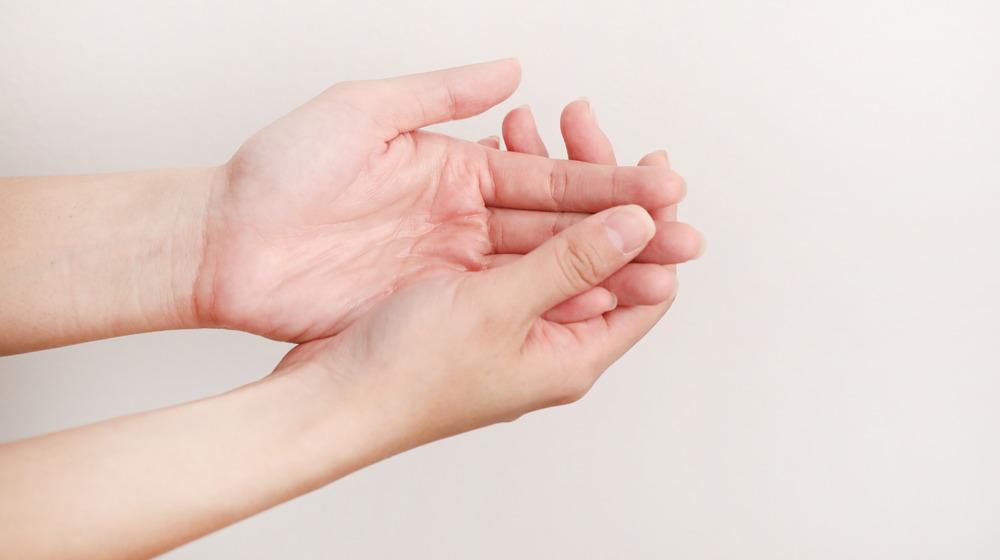
Pale skin after exercise usually happens because your blood is being redirected away from your skin, your blood sugar drops too low, or you do not have enough oxygen-carrying capacity from low iron anemia. Sometimes it is simply a normal “I pushed hard” response, but if it comes with dizziness, chest pain, or unusual fatigue, it is worth taking seriously. A few targeted blood tests can help sort out whether this is iron deficiency, low blood sugar risk, or something else. Seeing yourself (or your child) look washed out after a workout can be unsettling, especially if you also feel shaky or wiped out for hours. The tricky part is that paleness is a visible sign, but the cause can be very different from person to person. This guide walks you through the most common reasons, what you can do right away, and which labs are most useful. If you want help matching your exact pattern to the most likely cause, PocketMD can talk it through with you, and Vitals Vault labs can help confirm what your body is doing.
Why you look pale after exercise
Blood shifts away from your skin
When you exercise, your body prioritizes blood flow to working muscles and to cooling systems, and your skin color can change fast as those blood vessels tighten or relax. If your face looks pale but you otherwise feel okay, it can simply be a temporary circulation shift that resolves within minutes. The takeaway is timing: if your color returns quickly after you slow down and cool off, it is usually less concerning than paleness that lingers for an hour or keeps happening with light workouts.
Iron deficiency anemia
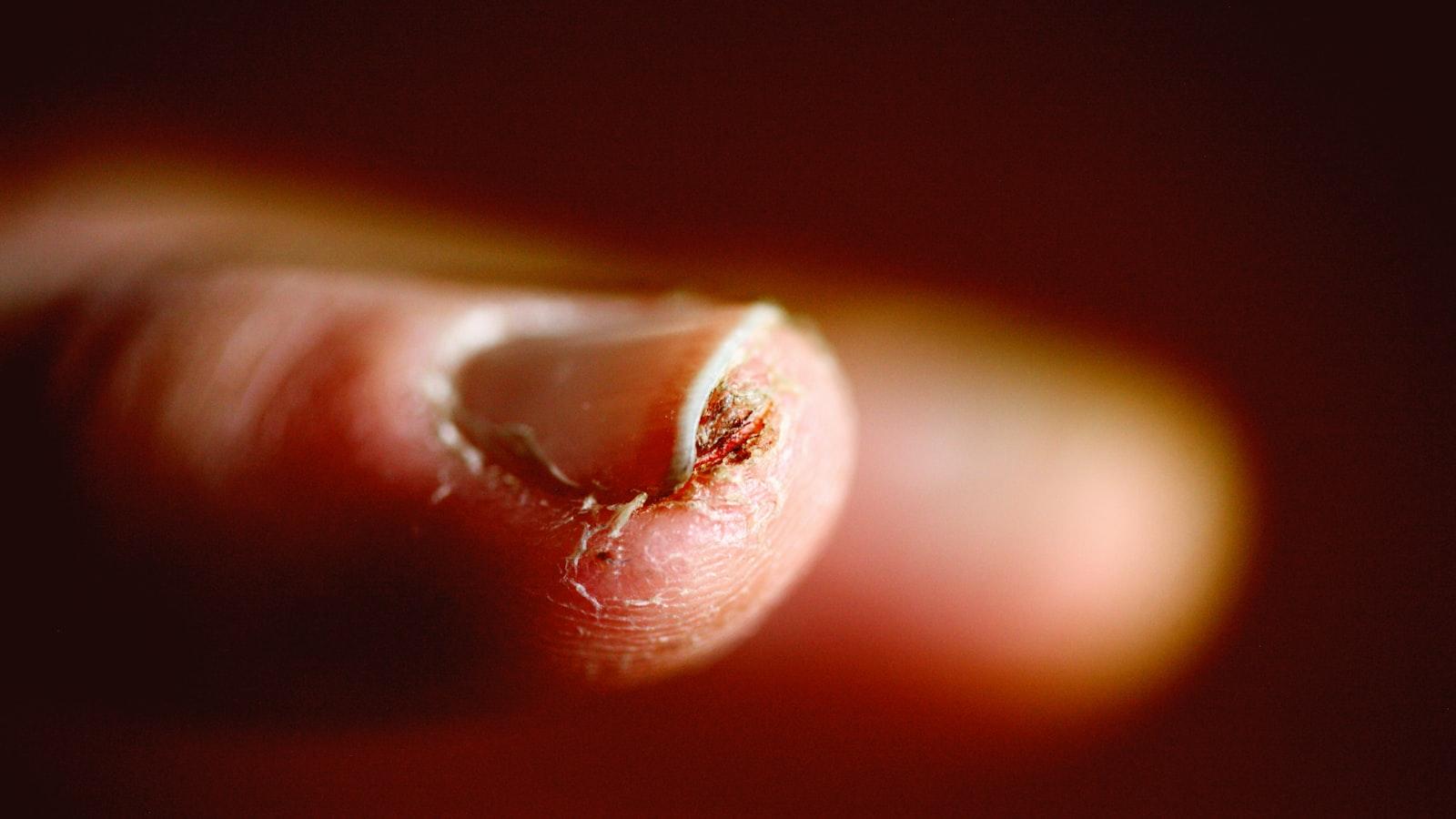
If you are low on iron, you make less hemoglobin, which is the oxygen-carrying part of your red blood cells. During exercise you need more oxygen, so the mismatch shows up as looking pale, feeling unusually winded, or needing longer recovery than your training partner. A practical clue is that this often comes with brittle nails, hair shedding, restless legs, or heavy periods, and a ferritin test can catch low iron even before your hemoglobin drops.
Low blood sugar after workouts
If you start exercise under-fueled or you go longer than your body can support, your blood sugar can dip and your stress hormones kick in to compensate. That can make you look pale and feel shaky, sweaty, hungry, or suddenly anxious in a way that does not match your mood. The most useful action is to notice the pattern: if paleness hits near the end of a workout or right after, try a small carb snack 30–60 minutes before training and see if the episode disappears.
Vagal episode and blood pressure drop
Some people get a reflex “brake” from the nervous system that slows the heart rate and drops blood pressure, especially after stopping suddenly, overheating, or pushing through nausea. You can look pale, feel clammy, and get tunnel vision because your brain is briefly not getting the blood flow it wants. If you have ever felt like you might faint in the locker room or right after the finish line, the immediate fix is to lie down and elevate your legs, and the longer-term fix is to cool down gradually instead of stopping abruptly.
Dehydration or heat strain
When you are dehydrated or overheated, your body struggles to keep blood pressure stable while also sending blood to the skin to dump heat. Some people flush, but others go pale because the body tightens surface blood vessels to protect core circulation. If your paleness comes with headache, cramps, or unusually dark urine, treat it as a hydration and heat-management problem first, and consider reducing intensity in hot environments until you can train without symptoms.
What actually helps in the moment (and next time)
Do a real cool-down, not a stop
A sudden stop after hard effort is a classic setup for lightheadedness and paleness because blood pools in your legs and your pressure drops. Spend 5–10 minutes walking or spinning easily, and keep your breathing steady so your circulation can transition smoothly. If you are training intervals, build the cool-down into the plan instead of treating it as optional.
Use the “sit, sip, snack” reset
If you go pale and feel off, sit or lie down, sip water, and take in a quick carb source such as juice or glucose tabs if shakiness is part of the picture. You are trying to cover the two most common immediate problems—low pressure and low sugar—without guessing too much. If you feel normal again within 10–15 minutes, that points toward a transient trigger rather than a persistent blood disorder.
Fuel before and after on purpose
If your workouts are first thing in the morning or you often train after long gaps, your body may simply be running out of accessible fuel. A small pre-workout snack that combines carbs with a little protein can prevent the “pale and shaky” crash, and a post-workout meal within 1–2 hours helps you recover without that drained, grey feeling. The key is consistency for a week, because one perfect snack does not fix a chronic under-fueling pattern.
Treat suspected iron deficiency correctly
If low iron is likely, food helps but it is slow, and many people need a structured supplement plan to rebuild stores. Iron is absorbed best away from calcium and with vitamin C, and it often causes constipation, so you may need to adjust the dose or form rather than quitting. The smart move is to confirm with ferritin and a CBC first, because taking iron blindly can mask other causes of anemia.
Know when paleness is urgent
If paleness comes with chest pain, fainting, severe shortness of breath, blue lips, or confusion, treat it as an emergency rather than a training issue. Those combinations can signal a dangerous heart rhythm, severe anemia, or heat illness, and waiting it out is not the brave choice. If symptoms are milder but keep recurring, book a medical visit and bring notes on when it happens, how long it lasts, and what your workout looked like.
Lab tests that help explain pale skin after exercise
Hemoglobin
Hemoglobin is the iron-containing protein in red blood cells that actually carries oxygen throughout your body. In functional medicine, hemoglobin is considered one of the most important markers of oxygen-carrying capacity and overall vitality. Low hemoglobin (anemia) significantly impacts energy levels, cognitive function, exercise tolerance, and quality of life. Even mild decreases can cause fatigue and reduced performance. Hemoglobin levels are influenced by iron status, vitamin B12, folate, protein intake, a…
Learn moreFerritin
Ferritin is your body's iron storage protein, reflecting total iron stores in the body. In functional medicine, ferritin assessment is crucial for identifying both iron deficiency and iron overload, conditions that can significantly impact energy levels and overall health. Low ferritin is the earliest sign of iron deficiency, often occurring before anemia develops. This can cause fatigue, weakness, restless leg syndrome, and cognitive impairment. Conversely, elevated ferritin may indicate iron overload, inflamma…
Learn moreGlucose
Fasting glucose is a fundamental marker of glucose metabolism and insulin function. In functional medicine, we recognize that even 'normal' glucose levels in the upper range may indicate early insulin resistance. Optimal fasting glucose reflects efficient glucose regulation and insulin sensitivity. Elevated fasting glucose suggests the body's inability to maintain normal glucose levels overnight, indicating hepatic insulin resistance or insufficient insulin production. This marker is essential for early detectio…
Learn moreLab testing
Check a CBC, ferritin, and HbA1c at Quest
starting from $99 panel with 100+ tests, one visit
No referral needed
About 1 week
Schedule online — results typically within a week
Clear next steps
Guidance included, with follow-up care available
HSA / FSA
Eligible for pre-tax health spending accounts
Pro Tips
Do a two-workout experiment: on one day, train as usual; on the next, add a 10-minute cool-down and a small carb snack beforehand. If the paleness disappears on the second day, you just learned something actionable about blood pressure or blood sugar.
If you suspect iron issues, look at your “why” before you supplement. Heavy periods, frequent blood donation, a vegetarian diet, and endurance training all raise the odds that ferritin is the missing piece.
Take a quick selfie when you notice the pallor and note the time it started and ended. It sounds silly, but it helps you track whether you are recovering in 5 minutes or 50 minutes, which changes the urgency.
If paleness hits right after you stop, try walking for two minutes before you even reach for your water bottle. That tiny movement helps your leg muscles pump blood back to your heart and can prevent the faint feeling.
For kids who go pale after sports, pay attention to whether they also stop playing, get quiet, or complain of belly pain. Those clues often point to overheating or a vagal episode, and a shaded cool-down with slow sips usually works better than pushing them to “tough it out.”
Frequently Asked Questions
Is it normal to look pale after a workout?
It can be normal if it happens after hard effort and your color returns within a few minutes of cooling down. It is less “normal” if it happens with light exercise, lasts a long time, or comes with dizziness, chest pain, or unusual shortness of breath. If it keeps recurring, a CBC and ferritin are a practical first check to rule out anemia.
Why do I get pale and shaky after exercise?
That combination often fits a blood sugar dip, especially if you trained fasted, went longer than usual, or did high-intensity intervals. Your body releases adrenaline to bring sugar back up, which can make you trembly and pale at the same time. Try a small carb snack 30–60 minutes before training, and if episodes continue, discuss glucose patterns and consider checking HbA1c.
Can low iron make you pale only after exercise?
Yes, because exercise is when your oxygen demand spikes, so mild iron deficiency can show up as paleness, breathlessness, or heavy legs even if you feel “okay” at rest. Ferritin can be low before hemoglobin drops, so a normal CBC does not always rule it out. If you also have fatigue, hair shedding, or heavy periods, ferritin testing is especially useful.
What labs should I get for pale skin after exercise?
A CBC checks whether you are anemic and gives clues about red blood cell size, which can hint at iron-related patterns. Ferritin shows your iron stores, which is often the most sensitive test for early iron deficiency. HbA1c helps flag longer-term blood sugar issues that can make workouts trigger shakiness or crashes; bring your results to a clinician for interpretation in context.
When should I worry about pale skin after exercise?
Worry more if paleness comes with fainting, chest pain, severe shortness of breath, blue lips, confusion, or a pounding irregular heartbeat. Those are not “just fitness” symptoms, and they deserve urgent evaluation. If it is not urgent but keeps happening, track the trigger workout, recovery time, and any dizziness, then schedule a visit and consider checking a CBC and ferritin.
What research says (and why it matters)
Iron deficiency without anemia can still impair performance and cause fatigue symptoms in active people (review).
American College of Sports Medicine position stand on exercise-associated fluid replacement, which covers dehydration and heat strain mechanisms.
American Diabetes Association Standards of Care (most recent update page) for interpreting HbA1c and glucose risk.