Why You Look Pale After Eating
Pale skin after eating is often from post-meal blood shifting, low iron anemia, or low blood sugar. Targeted labs available at Quest—no referral needed.





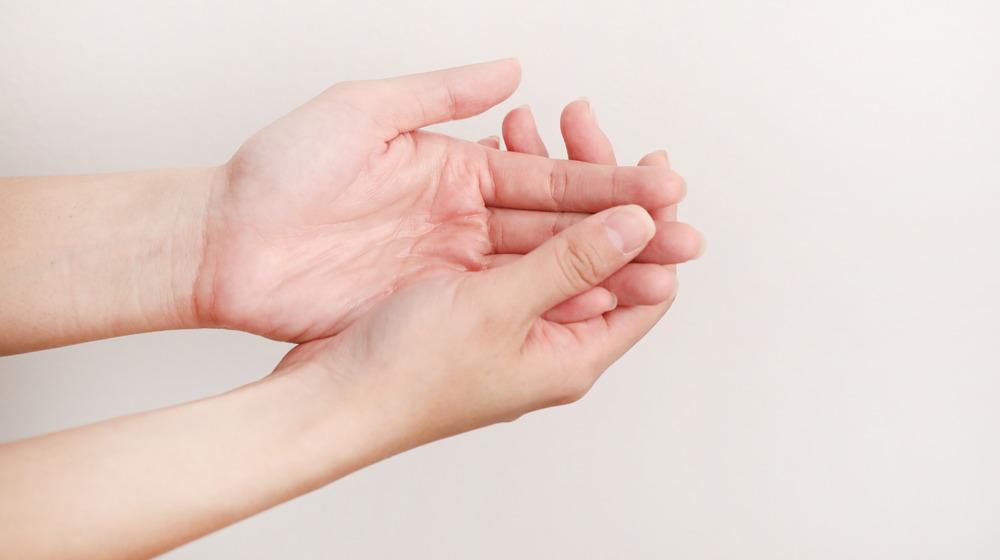
Pale skin after eating usually happens because blood flow shifts toward your gut during digestion, your blood sugar drops too low, or you are already low on oxygen-carrying red blood cells from iron deficiency anemia. The “right” explanation depends on timing and what comes with it, and a few targeted labs can quickly separate anemia from blood sugar or circulation issues. It can be unsettling to look in the mirror after a meal and see your color drain, especially if you also feel tired, shaky, or lightheaded. Sometimes it is a normal digestion reflex that is just a bit exaggerated in your body, but sometimes it is your first visible clue that you are running low on iron or that your blood pressure is dipping after meals. PocketMD can help you sort your pattern and decide what to test, and Vitals Vault labs can help you confirm the cause without guesswork.
Why you look pale after eating
Blood shifts to your gut
After you eat, your body sends extra blood to your stomach and intestines to handle digestion. If your circulation is a little sensitive, that shift can temporarily reduce blood flow to your skin, which makes you look washed out and can come with mild dizziness. This is more noticeable after large, carb-heavy meals, so try a smaller portion and see if your color stays steadier.
Post-meal blood pressure drop
Some people get a real dip in blood pressure after meals, called a post-meal blood pressure drop (postprandial hypotension). When pressure falls, less blood reaches your brain and skin, so you can look pale and feel weak, sleepy, or close to fainting within about 30–90 minutes of eating. If you are older, have diabetes, or take blood pressure medicines, it is worth checking your blood pressure before and after meals to see if this is your pattern.
Reactive low blood sugar
If your body releases a big insulin surge after a high-sugar or high-refined-carb meal, your blood sugar can overshoot downward a couple hours later. That can trigger adrenaline, which pulls blood away from the skin and makes you pale, shaky, sweaty, anxious, or ravenously hungry. A simple experiment is to pair carbs with protein and fiber at the same meal and see if the pallor and shakiness stop.
Iron deficiency anemia
If you are low on iron, you make fewer healthy red blood cells, which means less oxygen delivery and less “red” color showing through your skin and lips. Eating does not cause the anemia, but meals can make it more obvious because digestion demands energy and blood flow, so you notice fatigue, shortness of breath on stairs, or a fast heartbeat more clearly. Ferritin is the most useful early marker, and many people feel symptomatic when ferritin is below about 30 ng/mL even if the lab range still calls it “normal.”
Food reaction or histamine surge
Not every food reaction causes flushing; some cause a pale, clammy look because your nervous system swings toward a “fight-or-flight” response. This can happen with true allergy, but it can also happen with histamine intolerance, where certain foods trigger headaches, stomach upset, and a sudden washed-out appearance. If pallor comes with hives, lip or tongue swelling, wheezing, or throat tightness, treat it as urgent and seek emergency care.
What actually helps right now
Change the meal size and shape
If your pallor shows up after big meals, try splitting one large meal into two smaller ones spaced 2–3 hours apart. Smaller meals reduce the blood-flow “pull” into your gut and can prevent that drained look and post-meal slump. You will know quickly if this is your lever because the change usually works within days, not weeks.
Build a steadier plate
For suspected reactive low blood sugar, aim for a meal that has protein and fiber first, then carbs, rather than a carb-only hit. In real life that can look like eggs or yogurt with fruit, or chicken and vegetables with rice, because the slower digestion blunts the insulin spike. If your pallor comes with shaking or anxiety 1–3 hours after eating, this approach is often more effective than simply “eating more.”
Use a post-meal routine for pressure
If you think blood pressure is dropping, avoid standing up quickly right after eating and consider a gentle 10-minute walk instead of collapsing on the couch. Light movement helps your leg muscles push blood back toward your heart, which can reduce lightheadedness and that pale, woozy feeling. If you take blood pressure medication, ask your clinician whether timing or dose could be contributing, especially if symptoms started after a medication change.
Treat iron deficiency on purpose
If ferritin or your CBC suggests iron deficiency, food alone is often too slow to fix symptoms, so you may need an iron supplement plan. Many people tolerate lower-dose iron taken every other day better than high daily doses, and vitamin C with iron can improve absorption, while calcium at the same time can reduce it. The practical goal is not just “normal hemoglobin,” but rebuilding iron stores so your ferritin rises into a range where you actually feel like yourself again.
Have an allergy action plan
If pallor happens with itching, hives, vomiting, or breathing symptoms, do not try to “push through” and see if it passes. Avoid the suspected trigger food, document exactly what you ate and how fast symptoms started, and ask for allergy evaluation, because repeat exposures can be more severe. If you have been prescribed an epinephrine auto-injector, use it for throat tightness or breathing trouble and call emergency services.
Lab tests that help explain pale skin after eating
Hemoglobin
Hemoglobin is the iron-containing protein in red blood cells that actually carries oxygen throughout your body. In functional medicine, hemoglobin is considered one of the most important markers of oxygen-carrying capacity and overall vitality. Low hemoglobin (anemia) significantly impacts energy levels, cognitive function, exercise tolerance, and quality of life. Even mild decreases can cause fatigue and reduced performance. Hemoglobin levels are influenced by iron status, vitamin B12, folate, protein intake, a…
Learn moreFerritin
Ferritin is your body's iron storage protein, reflecting total iron stores in the body. In functional medicine, ferritin assessment is crucial for identifying both iron deficiency and iron overload, conditions that can significantly impact energy levels and overall health. Low ferritin is the earliest sign of iron deficiency, often occurring before anemia develops. This can cause fatigue, weakness, restless leg syndrome, and cognitive impairment. Conversely, elevated ferritin may indicate iron overload, inflamma…
Learn moreGlucose
Fasting glucose is a fundamental marker of glucose metabolism and insulin function. In functional medicine, we recognize that even 'normal' glucose levels in the upper range may indicate early insulin resistance. Optimal fasting glucose reflects efficient glucose regulation and insulin sensitivity. Elevated fasting glucose suggests the body's inability to maintain normal glucose levels overnight, indicating hepatic insulin resistance or insufficient insulin production. This marker is essential for early detectio…
Learn moreLab testing
Check CBC, ferritin, and fasting glucose at Quest
starting from $99 panel with 100+ tests, one visit
No referral needed
About 1 week
Schedule online — results typically within a week
Clear next steps
Guidance included, with follow-up care available
HSA / FSA
Eligible for pre-tax health spending accounts
Pro Tips
Do a two-day “timing check”: note exactly when you look pale (right after the first bites, 30–90 minutes later, or 2–3 hours later). That timing alone often separates digestion blood-flow shifts from blood pressure dips and reactive low blood sugar.
If you suspect post-meal blood pressure drops, take a seated blood pressure right before eating and again at 30 and 60 minutes after. A noticeable drop, especially with symptoms, is useful data to bring to your clinician.
Try a simple carb swap for one week: replace juice, pastries, or white bread at the meal where you get pale with a protein-forward option plus a slower carb like oats or beans. If the pallor and shakiness fade, you have a strong clue that insulin swings are part of the story.
Check your lower eyelids and gums in natural light, not bathroom lighting. If they look unusually pale along with fatigue or shortness of breath, prioritize a CBC and ferritin rather than assuming it is “just stress.”
For kids who look pale after meals, take a quick photo in the same lighting each time and write down what they ate and any belly pain or vomiting. Patterns show up fast, and photos help your pediatrician judge whether this is true pallor or just lighting and normal variation.
Frequently Asked Questions
Is it normal to look pale after eating?
It can be normal if it is mild and brief, because digestion pulls blood toward your gut and away from your skin. It is less “normal” if you also feel faint, get a racing heart, or the pallor is dramatic and repeatable after most meals. If it keeps happening, checking a CBC and ferritin can rule out anemia, and home blood pressure checks can uncover a post-meal drop.
Why do I get pale and shaky after eating sugar?
That pattern often fits reactive low blood sugar, where insulin rises quickly after a sugary meal and your glucose dips 1–3 hours later. The shakiness and paleness come from adrenaline, which is your body’s way of trying to raise glucose fast. Try pairing carbs with protein and fiber at the same meal, and if symptoms persist, ask about glucose monitoring or further evaluation.
Can iron deficiency make you look pale after meals?
Yes, because iron deficiency reduces oxygen delivery and the “healthy color” in your skin, and meals can make the fatigue and fast heartbeat more noticeable. Ferritin is the key test for iron stores, and many symptomatic people have ferritin under about 30 ng/mL even before hemoglobin drops. If your ferritin is low, ask what is causing the iron loss, such as heavy periods or gastrointestinal bleeding, not just how to supplement.
What are the warning signs that pale skin after eating is serious?
Get urgent help if pallor comes with fainting, chest pain, severe shortness of breath, confusion, black or bloody stools, or signs of a severe allergic reaction like throat tightness or wheezing. Those combinations can signal dangerous low blood pressure, significant bleeding, or anaphylaxis. If you are stable but the symptom is frequent, schedule a check-in and bring a short log of timing, meals, and associated symptoms.
What blood tests should I get for pale skin after eating?
A CBC checks for anemia, ferritin checks iron stores, and fasting glucose gives a baseline view of sugar handling that can contribute to post-meal symptoms. If those are abnormal, your next tests depend on the pattern, such as iron studies or additional glucose testing. If you want a streamlined start, Vitals Vault can help you order these targeted labs and then you can review results with your clinician or PocketMD.