Why Your Nails Feel Brittle After Exercise
Brittle nails after exercise often come from iron or thyroid issues, low protein intake, or repeated wet-dry damage. Targeted labs—no referral needed.





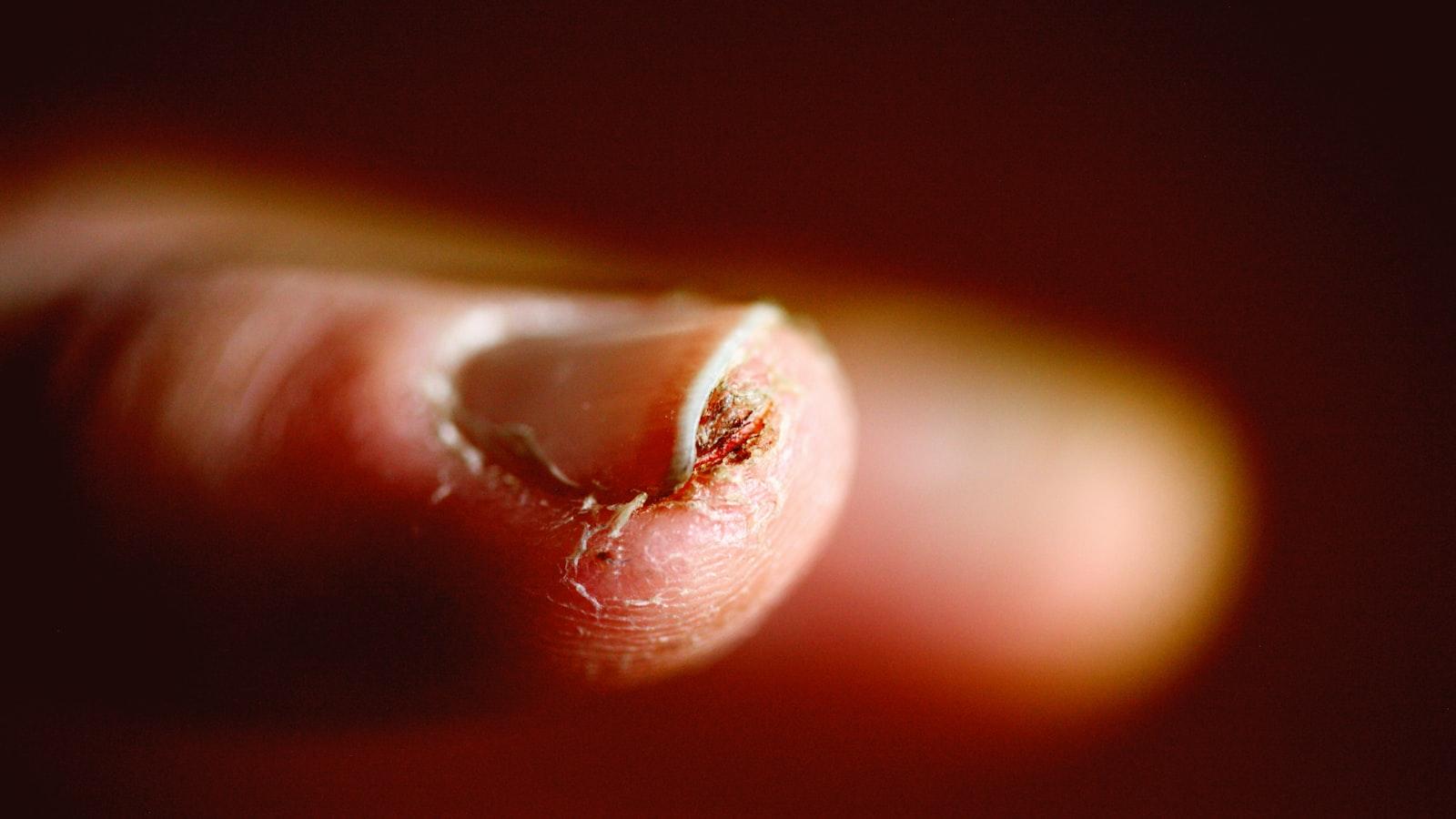
Brittle nails after exercise usually come down to one of three things: your nails are getting repeatedly dried out and re-wet (especially with swimming or lots of hand-washing), your body is running low on key building blocks like iron or protein, or your thyroid is a little off and slowing nail growth. Because those causes look similar on the outside, a few targeted blood tests can help you figure out which one fits your body. It’s frustrating because nails change slowly, so you can feel like you’re “doing everything right” in the gym while your nails keep peeling or snapping. Exercise itself rarely damages nails from the inside, but workouts can expose problems you already had—like low ferritin (your iron stores) or under-fueling—while also adding extra wear-and-tear from sweat, showers, chalk, and cleaning. Below, you’ll see the most common reasons this happens and what actually helps. If you want help narrowing it down to your situation, PocketMD can talk it through with you, and Vitals Vault labs can confirm the most likely deficiencies.
Why your nails get brittle after exercise
Wet-dry cycles weaken nail layers
Nails are like dense sponges: they absorb water and then shrink as they dry, and that repeated swelling-and-shrinking can make the layers split and peel. Workouts often add extra cycles through sweat, showers, dishwashing, pool time, and sanitizer. If your nails look fine on rest days but peel after training days, protecting them from water exposure is usually the fastest win.
Low iron stores slow nail growth
When your iron stores are low, your body prioritizes oxygen delivery and energy over “extras” like strong, fast-growing nails. You can end up with nails that feel thin, bendy, or prone to tearing, and you might also notice fatigue or heavier periods. The key test here is ferritin, because you can have “normal” hemoglobin while your iron tank is already running low.
Under-fueling and low protein intake
Your nails are built from keratin, which is made from amino acids, so consistently missing protein (or overall calories) can show up as slow growth and easy breakage. This is common when you increase training volume, start fasting, or cut calories hard for body composition goals. A simple clue is that your nails stop needing trims as often, even while you’re working out more.
Thyroid slowdown affects nail texture
If your thyroid is underactive, your whole “turnover rate” slows down, including skin and nails, which can make nails dry, ridged, and brittle. You might also feel colder than others, notice constipation, or see hair thinning that doesn’t match your training. Checking TSH is a practical starting point, especially if brittle nails are new for you or you have a thyroid history.
Friction and chemicals from training
Barbells, pull-up bars, climbing holds, and even yoga mats can create tiny cracks at the nail edge, and those cracks spread when you type, wash your hands, or pick at a hangnail. Add acetone polish remover, frequent gel manicures, or harsh cleaners, and your nails can become brittle even if your nutrition is perfect. If breakage is mostly on the hand you grip with, or you see chips at the free edge, think mechanical damage first.
What actually helps your nails recover
Create a two-week nail trigger log
Because nails change slowly, you need a short experiment rather than guesswork. For two weeks, note your training type, water exposure (pool, long showers, dishwashing), and any new products, then take a quick photo of each hand every 3–4 days in the same lighting. Patterns show up fast, and you’ll know whether to focus on protection, nutrition, or a medical check.
Protect nails from water and soap
If wet-dry cycles are the driver, your goal is fewer cycles and more barrier. Wear gloves for dishes and cleaning, and after showers apply a thick moisturizer or cuticle oil while your hands are still slightly damp so it seals water in. If you swim, rinsing off chlorinated water promptly and re-oiling the cuticles afterward can reduce peeling within a few weeks.
Fuel training with enough protein
A practical target for active adults is roughly 1.2–1.6 g of protein per kg of body weight per day, spread across meals, because your body uses it better that way. If you struggle to hit that, start by adding 25–35 g at breakfast and another 25–35 g after training, then reassess after a month. You’re looking for nails that feel less bendy and start growing out without splitting.
Treat iron deficiency the right way
If ferritin is low, supplements can help, but dosing and timing matter because iron is easy to take incorrectly and hard on your stomach. Many people do better with a lower dose taken every other day, and taking it away from calcium or coffee improves absorption. The most important step is confirming low stores and then rechecking ferritin after about 8–12 weeks so you know it’s actually rising.
Use a gentle nail strategy
If you love polish, choose a non-acetone remover and give your nails a break from gels or acrylics for at least 6–8 weeks so the damaged portion can grow out. Keep nails slightly shorter during heavy training blocks, and file in one direction to reduce micro-tears. If you have one nail that keeps splitting in the same spot, a tiny patch (silk wrap or nail glue) can protect it while it grows out.
Useful biomarkers to discuss with your clinician
Ferritin
Ferritin is your body's iron storage protein, reflecting total iron stores in the body. In functional medicine, ferritin assessment is crucial for identifying both iron deficiency and iron overload, conditions that can significantly impact energy levels and overall health. Low ferritin is the earliest sign of iron deficiency, often occurring before anemia develops. This can cause fatigue, weakness, restless leg syndrome, and cognitive impairment. Conversely, elevated ferritin may indicate iron overload, inflamma…
Learn moreTSH
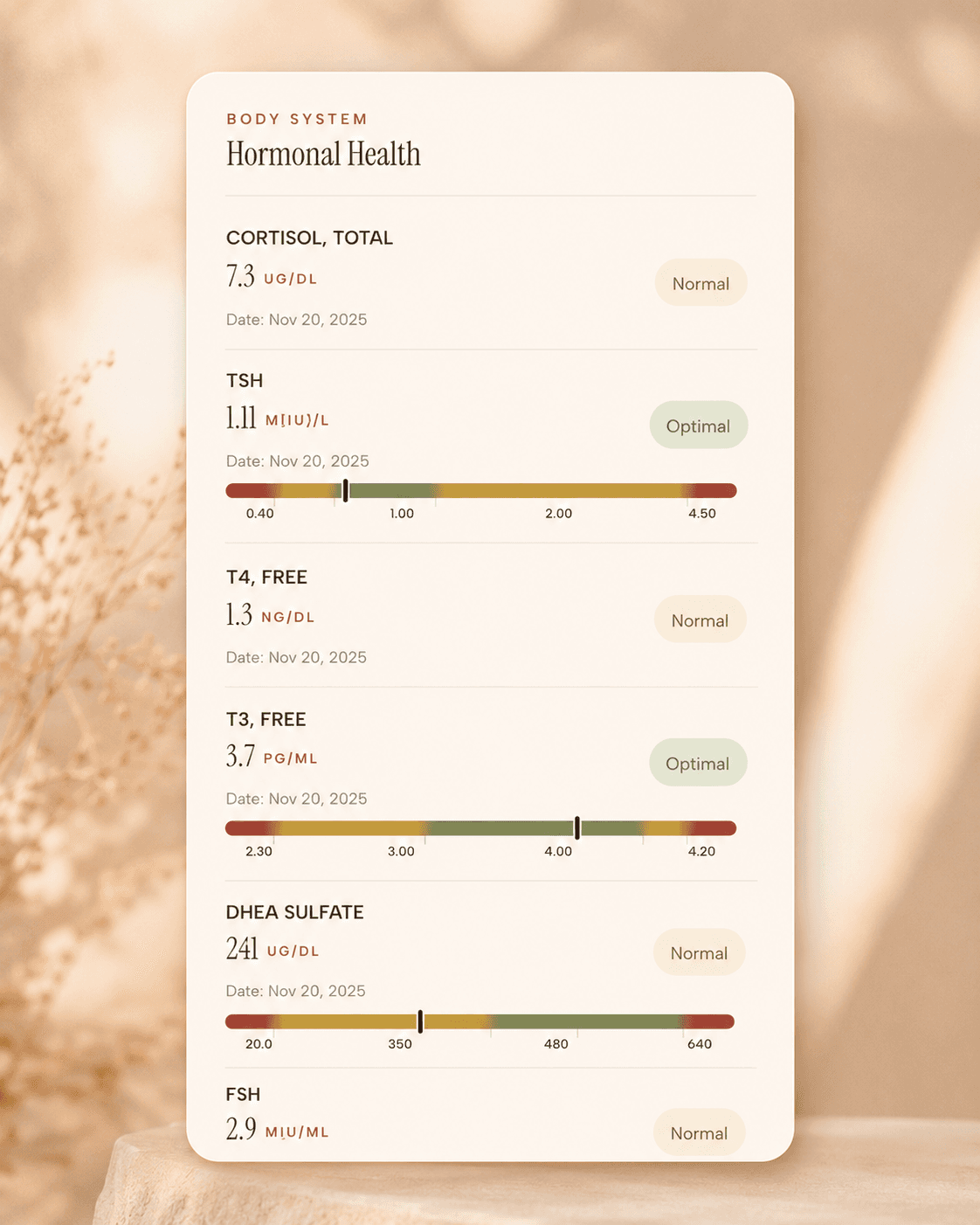
TSH is the master regulator of thyroid function, controlling the production of thyroid hormones T4 and T3. In functional medicine, we use narrower TSH ranges than conventional medicine to identify subclinical thyroid dysfunction early. Even mildly elevated TSH can indicate thyroid insufficiency, leading to fatigue, weight gain, depression, and metabolic dysfunction. TSH levels are influenced by stress, nutrient deficiencies, autoimmune conditions, and environmental toxins. Optimal TSH supports energy, metabolism…
Learn moreProtein, Total
Total protein levels reflect nutritional status, liver function (protein synthesis), and kidney function (protein retention). Abnormal levels can indicate liver disease, kidney disease, malnutrition, inflammation, or blood cancers. It provides a general overview of protein metabolism. Total protein measures the combined amount of albumin and globulins in blood. These proteins are essential for maintaining fluid balance, transporting substances, fighting infections, and blood clotting.
Learn moreLab testing
Check ferritin, TSH, and CBC at Quest
starting from $99 panel with 100+ tests, one visit
No referral needed
About 1 week
Schedule online — results typically within a week
Clear next steps
Guidance included, with follow-up care available
HSA / FSA
Eligible for pre-tax health spending accounts
Pro Tips
Do a “one-hand experiment” for two weeks: put cuticle oil on one hand after every shower and before bed, and leave the other hand alone. If the oiled hand peels less, the main issue is barrier damage, not a mysterious deficiency.
If you use chalk or grips, wash your hands with a gentle cleanser after training and apply a thick cream right away. Chalk plus soap is a drying one-two punch that can make nails split at the edges.
Trim and file right after a shower, not when nails are bone-dry. Slightly hydrated nails file more cleanly, which reduces tiny cracks that later turn into big breaks.
If you suspect iron is involved, don’t start with mega-doses. Get ferritin checked first, then recheck in 8–12 weeks so you know whether your plan is working instead of guessing.
If one nail keeps breaking in the same spot, look for a habit or pressure point, like how you hold a barbell or where your finger hits your phone. Changing that one mechanical stress can fix a “stubborn” nail faster than any supplement.
Frequently Asked Questions
Can exercise itself cause brittle nails?
Exercise usually doesn’t damage nails from the inside, but it can create the perfect conditions for brittleness through sweat, frequent showers, pool chlorine, and friction from gripping equipment. It can also reveal an underlying issue like low ferritin or thyroid slowdown because your body’s demand goes up. If the timing is new after a training increase, treat it like a clue and check ferritin and TSH.
Why do my nails peel after swimming workouts?
Chlorinated water strips oils from the nail surface, and swimming adds long wet time followed by drying, which encourages the nail layers to separate. Rinsing right after the pool, then applying cuticle oil and a thick hand cream, often reduces peeling within a few weeks. If you swim several times a week, consider a protective clear coat to reduce water absorption.
What ferritin level causes brittle nails?
There isn’t one magic number, but brittle nails and hair changes are more common when ferritin is below about 30 ng/mL, even if your hemoglobin is still normal. Many people feel better when ferritin is closer to 50–100 ng/mL, depending on your age, sex, and medical history. If your ferritin is low, ask about the cause (heavy periods, diet, absorption) and recheck after 8–12 weeks of treatment.
Is biotin worth taking for brittle nails?
Biotin can help a subset of people, but the evidence is limited and mostly based on small studies rather than large, definitive trials. It is more likely to help if you truly have low biotin intake, which is uncommon, and it won’t fix peeling from water damage or low iron. If you try it, give it at least 8–12 weeks and tell your clinician because high-dose biotin can interfere with some lab tests.
When should I worry about brittle nails and see a doctor?
If brittleness comes with new fatigue, shortness of breath with workouts, heavy menstrual bleeding, hair thinning, or feeling unusually cold, it’s worth getting checked for iron deficiency and thyroid problems. Also get evaluated if you see nail lifting, green discoloration, pain, or a dark streak that is new or widening. A practical first step is a ferritin, CBC, and TSH, then you can target the fix instead of guessing.
What the research says
Oral iron every other day can improve absorption and tolerance compared with daily dosing in iron-depleted women
British Association of Dermatologists guidance on brittle nails and nail disorders (patient information and clinical approach)
Biotin has limited evidence for brittle nails and is mainly supported by small studies and case series rather than large trials