Hair Thinning After Exercise: Causes, Fixes, and Lab Tests
Hair thinning after exercise is usually from shedding shifts, low iron, or thyroid changes. Targeted labs available at Quest—no referral needed.





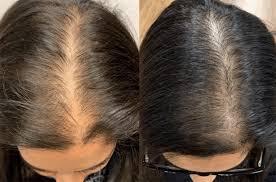
Hair thinning after exercise is usually not your workout “killing” your hair. More often, training stress shifts more hairs into a resting-and-shedding phase (telogen effluvium), or exercise is exposing an underlying issue like low iron stores (ferritin) or a thyroid imbalance. A few targeted blood tests can help you figure out which one fits your body. What makes this symptom confusing is the timing. Hair reacts slowly, so the shedding you notice after a new training plan often reflects what was happening in your body 6–12 weeks earlier. Add in postpartum changes, dieting for performance, or high stress, and it can feel like your hair is suddenly “punishing” you for being active. In this guide, you’ll learn the most common patterns behind workout-linked thinning, what actually helps, and how tools like PocketMD and Vitals Vault labs can help you choose a smart next step instead of guessing.
Why your hair seems thinner after workouts
Stress shedding (telogen effluvium)
Hard training is a real stress signal, and your body sometimes responds by moving more hairs into a “resting” phase that sheds a couple of months later. That delay is why it can feel like exercise caused it overnight, even though the trigger was weeks back. The takeaway is that this type of shedding is often reversible, but it improves only after you reduce the stress load and give it time.
Low iron stores, normal hemoglobin
You can have “normal” blood counts and still have low iron reserves, which are measured by ferritin. When ferritin is low, your body quietly prioritizes oxygen delivery and muscles over hair growth, so strands spend less time in the growing phase. This is especially common if you have heavy periods, are postpartum, or do endurance training, so asking for ferritin (not just a CBC) matters.
Thyroid shifts show up in hair
Your thyroid hormones act like a metabolic dimmer switch for many tissues, including hair follicles. If your thyroid is underactive or overactive, hair can become finer, shed more, and feel harder to style, and workouts may be the moment you notice it because you’re showering and handling your hair more. If you also feel unusually cold, wired, tired, or your weight is changing without trying, thyroid testing is a high-yield next step.
Not enough fuel for training
If you’re training hard but eating too little, your body reads that as a shortage and starts conserving resources. Hair is “non-essential” in that survival math, so growth slows and shedding can increase, even if you’re hitting protein sometimes. A practical clue is when thinning shows up alongside missed periods, low libido, poor recovery, or constant hunger, which points to low energy availability rather than a shampoo problem.
Androgen pattern loss gets unmasked
Some people have a genetic sensitivity of hair follicles to androgens, which leads to gradual thinning at the crown or widening part over time (androgenetic alopecia). Exercise doesn’t cause this, but a new routine can make you notice it because you’re looking in mirrors, tying hair back, or seeing more scalp under bright gym lighting. The key takeaway is that this pattern responds best to early, consistent treatment, so it’s worth identifying sooner rather than later.
What actually helps hair recover
Match training load to recovery
If shedding started after you ramped up intensity or volume, try a deliberate 2–4 week “deload” where you keep moving but cut total work by about a third. Your goal is not to stop exercising, but to lower the stress signal enough for your body to shift out of conservation mode. Many people notice less shedding in the shower first, and then thickness slowly follows over the next few months.
Rebuild iron stores thoughtfully
If ferritin is low, food alone can be slow, especially if you’re losing iron through periods or endurance training. Iron supplements work best when you take them consistently and pair them with vitamin C, but they can upset your stomach, so starting low and building up is often more realistic than “mega-dosing.” Recheck ferritin after about 8–12 weeks so you know you’re actually refilling the tank.
Treat thyroid issues, not symptoms
When thyroid labs show a true imbalance, fixing the hormone signal is what allows hair follicles to normalize their growth cycle. Hair usually lags behind how you feel, so even after thyroid treatment starts working, shedding can take a few months to settle. Ask your clinician what target range they’re aiming for, because “normal” on paper is not always optimal for hair and energy.
Fuel like an athlete, not a dieter
Hair follicles need steady energy, and they notice when you train fasted, under-eat carbs, or run a large calorie deficit for weeks. A simple starting point is adding a recovery snack with both carbs and protein within an hour after training, and making sure you are not skipping meals on heavy training days. If your period has become irregular or you’re constantly sore, consider working with a sports dietitian because the fix is often more about consistency than perfection.
Consider proven hair treatments early
If your thinning looks patterned, topical minoxidil can help keep follicles in the growth phase, but it requires patience and consistency. It is common to see a temporary increase in shedding in the first several weeks, which is scary but can be part of the reset as older hairs make way for new growth. Taking progress photos monthly in the same lighting helps you judge results more accurately than day-to-day mirror checks.
Lab tests that help explain hair thinning after exercise
Ferritin
Ferritin is your body's iron storage protein, reflecting total iron stores in the body. In functional medicine, ferritin assessment is crucial for identifying both iron deficiency and iron overload, conditions that can significantly impact energy levels and overall health. Low ferritin is the earliest sign of iron deficiency, often occurring before anemia develops. This can cause fatigue, weakness, restless leg syndrome, and cognitive impairment. Conversely, elevated ferritin may indicate iron overload, inflamma…
Learn moreTSH
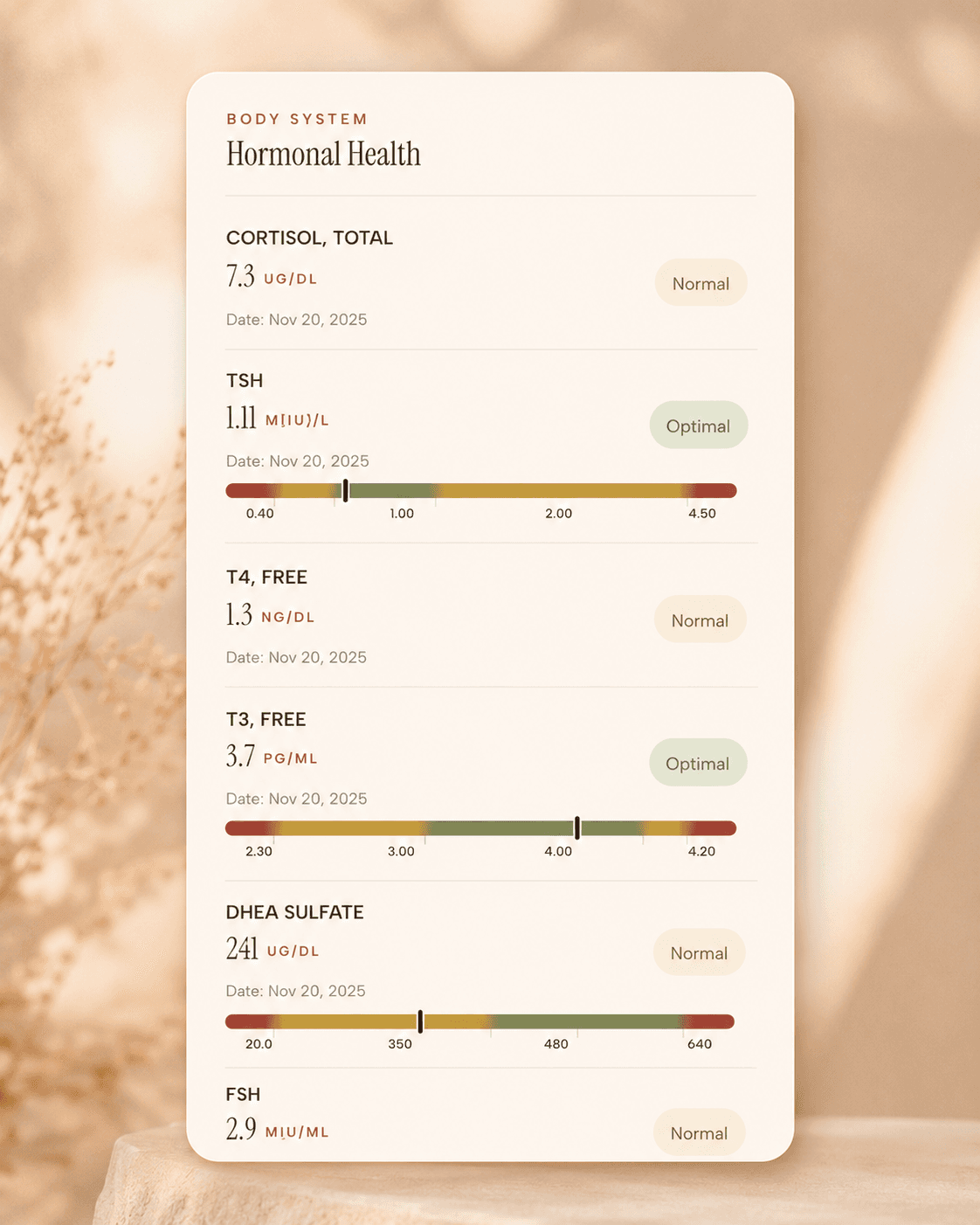
TSH is the master regulator of thyroid function, controlling the production of thyroid hormones T4 and T3. In functional medicine, we use narrower TSH ranges than conventional medicine to identify subclinical thyroid dysfunction early. Even mildly elevated TSH can indicate thyroid insufficiency, leading to fatigue, weight gain, depression, and metabolic dysfunction. TSH levels are influenced by stress, nutrient deficiencies, autoimmune conditions, and environmental toxins. Optimal TSH supports energy, metabolism…
Learn moreIron Binding Capacity
TIBC helps distinguish between different causes of abnormal iron levels. High TIBC indicates iron deficiency (the body increases transferrin to capture more iron), while low TIBC suggests iron overload or chronic disease. It's essential for accurate iron status assessment. Total Iron Binding Capacity (TIBC) measures the blood's capacity to bind iron with transferrin, the main iron transport protein. It indirectly reflects transferrin levels and iron status.
Learn moreLab testing
Get ferritin, TSH, and vitamin D checked at Quest
starting from $99 panel with 100+ tests, one visit
No referral needed
About 1 week
Schedule online — results typically within a week
Clear next steps
Guidance included, with follow-up care available
HSA / FSA
Eligible for pre-tax health spending accounts
Pro Tips
Do a quick “root vs breakage” check: if you see tiny white bulbs on the end of shed hairs, that is true shedding; if hairs are snapping mid-shaft, you’re dealing more with breakage from friction, heat, or tight styles during workouts.
Take three baseline photos today (front hairline, center part, crown) in the same bathroom lighting, and repeat once a month. Hair changes slowly, and photos keep you from overreacting to one bad shower day.
If you wear your hair tight for training, switch to a looser style and rotate where the tension sits. Traction from repeated pulling can thin edges and temples over time, and it is one of the easiest causes to remove.
If you suspect low fuel, try a two-week experiment where you add a consistent post-workout meal and stop doing long sessions fasted. If your recovery improves and shedding eases later, that is useful information even before labs come back.
When you get ferritin tested, write down your period pattern, recent illnesses, and any big training changes from the past three months. Those details help you connect the lab result to a real trigger instead of treating a number in isolation.
Frequently Asked Questions
Can exercise cause hair loss?
Exercise itself does not directly make hair follicles “die,” but a big jump in training stress can trigger stress shedding (telogen effluvium) that shows up 6–12 weeks later. Exercise can also reveal low ferritin or thyroid problems that were already brewing. If shedding started after a new program, look back at what changed two to three months ago and consider checking ferritin and TSH.
Why am I losing more hair in the shower after workouts?
You handle your hair more after workouts, so normal shedding becomes more visible, especially when wet hair clumps together. If the amount is clearly increasing, it can still be real shedding from stress, low iron stores, or thyroid shifts. A simple test is to track how many days per week you notice heavy shedding for two weeks, and pair that with a ferritin and TSH check if it persists.
How long does telogen effluvium last after overtraining?
Once the trigger is removed, shedding often improves over 2–3 months, but visible density can take 6–12 months to rebound because hair grows slowly. If you keep training hard while under-fueling or sleeping poorly, the shedding can drag on. A planned deload plus adequate calories is often the fastest way to give your follicles a chance to reset.
What ferritin level is too low for hair growth?
Labs may flag ferritin as “normal” at low numbers, but for hair, many clinicians get concerned when ferritin is below about 30–50 ng/mL. People with ongoing shedding often aim to restore ferritin above 50 ng/mL, and sometimes closer to 70–100 ng/mL depending on the situation. If your ferritin is low, ask about iron repletion and also about the reason for iron loss, such as heavy periods.
Is hair thinning after exercise a sign of thyroid problems?
It can be, especially if thinning is diffuse and you also feel unusually tired, cold, anxious, or notice weight changes. A good first test is TSH, and many clinicians add free T4 and thyroid antibodies if the story fits. If your TSH is outside an optimal range (often around 0.5–2.5 mIU/L for many symptomatic people), bring the result to your clinician and ask what target they recommend for your symptoms.
What research says about shedding
Review: Telogen effluvium is commonly triggered by physiologic stress and typically presents with diffuse shedding after a delay
Study: Low ferritin is associated with diffuse hair loss in women, supporting iron evaluation even when hemoglobin is normal
AAD guidance: Pattern hair loss treatments include topical minoxidil and early intervention improves cosmetic outcomes