Why You Look Pale During Fasting (And What It Means)
Pale skin during fasting usually comes from low iron, low blood sugar, or dehydration that constricts blood flow. Targeted labs available, no referral needed.






Pale skin during fasting usually happens because your blood is carrying less oxygen than usual (often from low iron), your blood sugar drops and your body releases adrenaline, or you get a bit dehydrated and your skin blood flow tightens up. Those causes can look the same in the mirror, but they feel different in your body, and simple labs can help you tell which one you’re dealing with. Fasting can be a perfectly safe choice for many people, but it also removes the “buffer” that normally hides small problems like borderline iron stores or inconsistent hydration. Pallor can be subtle, especially on different skin tones, so pay attention to the whole picture: new fatigue, shortness of breath on stairs, dizziness, headaches, or a racing heart. If you ever look pale and also feel faint, confused, have chest pain, or you pass out, that is not a “push through it” moment—get urgent help. For everything else, this page walks you through the most common reasons you look pale while fasting, what tends to help, and how PocketMD and targeted labs through Vitals Vault can help you choose a next step without guessing.
Why you look pale during fasting
Low iron stores show up
If your iron stores are low, your body may not make enough healthy red blood cells to carry oxygen, and your skin can look washed out. Fasting does not “cause” iron deficiency by itself, but it can make you notice it because you’re more likely to feel tired, cold, or short of breath when you are running on less fuel. The most useful next step is checking ferritin (your iron storage protein) along with a complete blood count, because you can have low ferritin before your hemoglobin drops.
Blood sugar dips and adrenaline
When your blood sugar drops lower than your body likes, your stress hormones kick in to keep your brain supplied, and that can pull blood away from your skin. You might look pale and also feel shaky, sweaty, anxious, or suddenly very hungry, even if you are “used to fasting.” If this pattern fits, a small change like shortening your fasting window or adding protein and fiber to your last meal often reduces the episodes within days.
Dehydration reduces skin blood flow
Fasting often changes your fluid and salt intake, especially if you also cut back on coffee, electrolytes, or salty foods. When your circulating volume drops, your body protects your blood pressure by tightening blood vessels near the skin, which can make you look paler and feel lightheaded when you stand. A practical clue is darker urine or a dry mouth, and the fix is usually more fluid plus some sodium, not just more plain water.
Low blood pressure when standing
Some people get a noticeable blood pressure drop when they stand up (orthostatic hypotension), and fasting can make it easier to trigger because you have less fluid on board and less steady glucose. You might look pale right after standing, and you may get “black spots,” a whoosh in your ears, or near-fainting. If you can, check your blood pressure and pulse lying down and again after standing for 1 and 3 minutes, because that pattern is very actionable to bring to a clinician.
Vitamin B12-related anemia
Vitamin B12 helps your bone marrow build red blood cells, and low B12 can lead to anemia that shows up as pallor and fatigue. It is more likely if you eat little or no animal food, you have stomach or gut issues, or you take acid-suppressing meds long term. Because B12 problems can also affect nerves, mention it if you have tingling in your hands or feet, balance changes, or a sore, smooth tongue.
What actually helps when fasting makes you look pale
Adjust your fasting window
If pallor comes with shakiness or a “wired but weak” feeling, your fasting window may simply be too aggressive for your current metabolism. Try moving from a 20:4 or one-meal-a-day pattern to 14:10 for two weeks, and make your last meal earlier so you are not white-knuckling through the morning. You are not failing fasting—you are matching the tool to your body.
Build a steadier last meal
A carb-only last meal can set you up for a bigger glucose dip the next day, which can make you look pale and feel jittery. Aim for a meal that includes protein plus fiber, because it slows digestion and smooths the rise and fall of blood sugar. If you want a simple template, think “protein + vegetables + a slow carb,” and notice whether your morning pallor improves within a week.
Use fluids plus electrolytes
If you look pale with dizziness on standing, you may need salt as much as you need water. Try adding an electrolyte drink or a salty broth during your fasting window, especially if you sweat, exercise, or drink a lot of plain water. The goal is steadier blood volume, which often improves skin color and reduces that floaty, lightheaded feeling.
Treat iron deficiency correctly
If labs show low ferritin, food alone can be too slow, and random high-dose iron can backfire with constipation or nausea. Many people do better with a lower-dose iron supplement taken every other day, and it works best when you also address the reason you are low in the first place, such as heavy periods or low dietary iron. Recheck ferritin and a complete blood count after about 8 to 12 weeks so you know you are actually rebuilding stores.
Know when fasting is a bad idea
If you are pregnant, have a history of an eating disorder, use insulin or sulfonylurea diabetes meds, or you are getting repeated near-fainting episodes, fasting can be risky even if it “works” for weight loss. In those situations, the safest move is to pause fasting and get personalized guidance, because the downside is not just discomfort—it can be injury from a fall or dangerous low blood sugar. Bring a short symptom log to the conversation so you get a concrete plan instead of vague advice.
Useful biomarkers to discuss with your clinician
Ferritin
Ferritin is your body's iron storage protein, reflecting total iron stores in the body. In functional medicine, ferritin assessment is crucial for identifying both iron deficiency and iron overload, conditions that can significantly impact energy levels and overall health. Low ferritin is the earliest sign of iron deficiency, often occurring before anemia develops. This can cause fatigue, weakness, restless leg syndrome, and cognitive impairment. Conversely, elevated ferritin may indicate iron overload, inflamma…
Learn moreGlucose
Fasting glucose is a fundamental marker of glucose metabolism and insulin function. In functional medicine, we recognize that even 'normal' glucose levels in the upper range may indicate early insulin resistance. Optimal fasting glucose reflects efficient glucose regulation and insulin sensitivity. Elevated fasting glucose suggests the body's inability to maintain normal glucose levels overnight, indicating hepatic insulin resistance or insufficient insulin production. This marker is essential for early detectio…
Learn moreLab testing
Check a CBC, ferritin, and vitamin B12 at Quest
starting from $99 panel with 100+ tests, one visit
No referral needed
About 1 week
Schedule online — results typically within a week
Clear next steps
Guidance included, with follow-up care available
HSA / FSA
Eligible for pre-tax health spending accounts
Pro Tips
Do a quick “mirror + symptoms” check when you look pale: are you also shaky and sweaty (think blood sugar), or are you dizzy on standing (think fluids and blood pressure), or are you just steadily drained for weeks (think iron or B12). That pattern is often more informative than the color alone.
Try a 7-day experiment where you keep your fasting window the same but add electrolytes once daily; if your pallor and lightheadedness improve, you have a strong clue that volume and sodium were the issue.
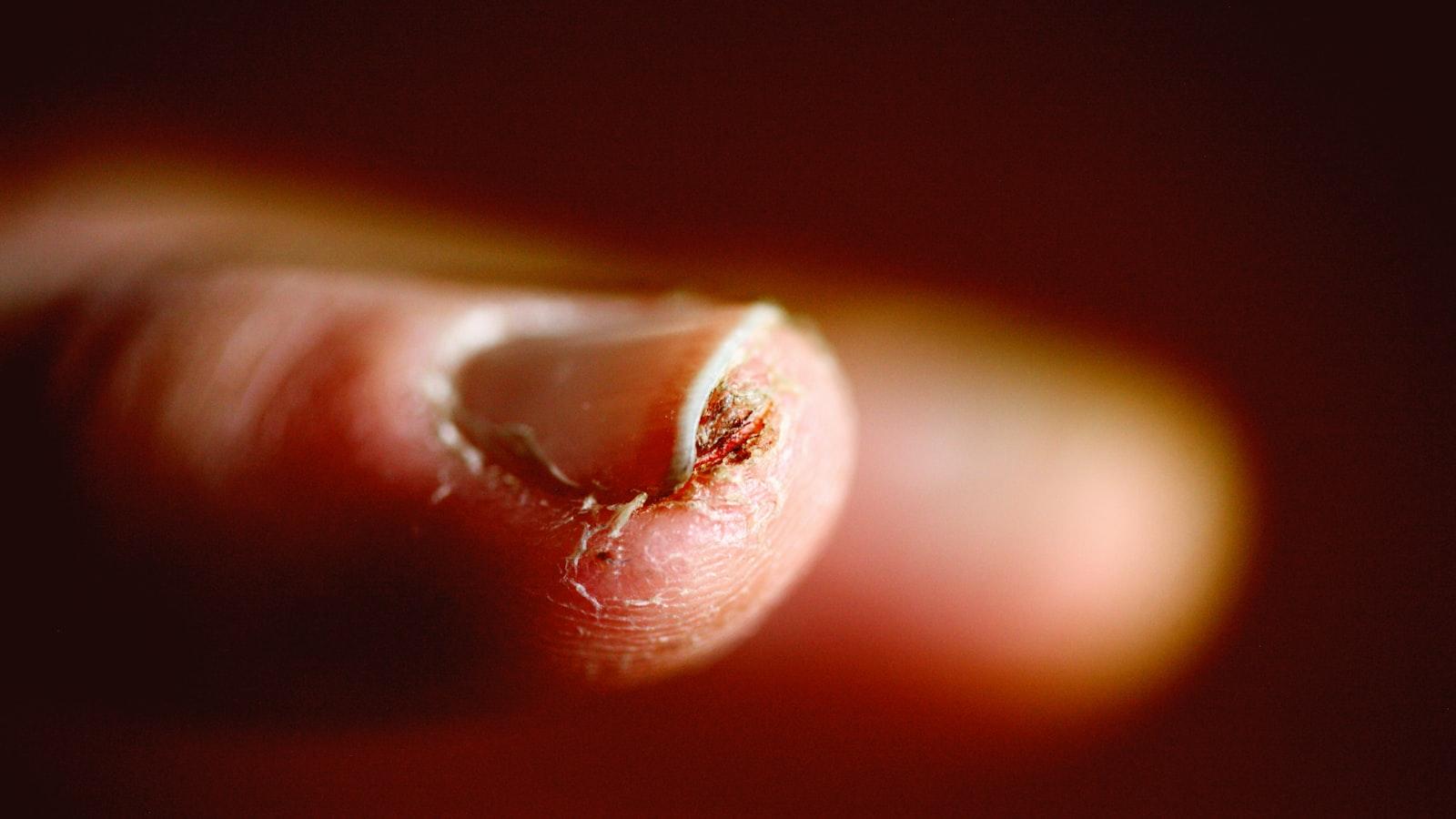
If you suspect low iron, look at your nails and exercise tolerance, not just your face. New shortness of breath on stairs or a racing heart with mild activity is a better “anemia clue” than skin tone changes.
If you are vegetarian or vegan and you fast, plan your eating window so B12 is non-negotiable. A consistent B12 supplement is usually easier than trying to “catch up” after symptoms start.
When you refeed after fasting, avoid breaking your fast with straight sugar. A protein-forward first meal often prevents the rebound crash that can make you look pale again an hour later.
Frequently Asked Questions
Is it normal to look pale while fasting?
It can be normal if it happens briefly and you otherwise feel fine, especially if you are a bit dehydrated or your blood pressure runs low. It is less “normal” if pallor comes with ongoing fatigue, shortness of breath, frequent dizziness, or a racing heart, because that raises the odds of anemia or repeated low blood sugar. If it is new or persistent, checking a CBC and ferritin is a practical starting point.
Can intermittent fasting cause anemia?
Intermittent fasting does not directly cause anemia, but it can make anemia more likely if your eating window is too small to meet iron or B12 needs over time. It can also make existing low iron stores feel worse because you have less energy buffer. If you fast and you have heavy periods, a CBC plus ferritin is especially worth checking.
Why do I get pale and shaky when I skip breakfast?
That combination often points to a blood sugar dip with an adrenaline surge, which can make you look pale while also feeling sweaty, jittery, and anxious. It is more common if your last meal was mostly refined carbs or if you are under-slept. Try adding protein and fiber to your last meal and shortening your fast for two weeks, and consider tracking fasting glucose if symptoms persist.
What ferritin level is too low if I feel tired and pale?
Many symptomatic people start to feel the effects of iron deficiency when ferritin is below about 30 ng/mL, even if hemoglobin is still in the lab “normal” range. Some people with heavy menstrual bleeding or endurance training feel best with ferritin closer to 50–100 ng/mL, although targets should be individualized. If your ferritin is low, ask about the cause as well as treatment, because replacing iron without fixing the reason it is low often leads to a repeat problem.
When is pale skin during fasting an emergency?
Get urgent help if you look pale and you faint, have chest pain, severe shortness of breath, confusion, or you cannot stay awake, because those can signal dangerously low blood pressure, severe anemia, or other serious problems. For a child, pallor with lethargy, fast breathing, or poor feeding also deserves prompt evaluation. If symptoms are milder but recurring, schedule a check-in and bring a short log of timing, fluids, and what you ate the day before.