Why Are You Waking Up With Night Sweats?
Night sweats in working women often come from hormone shifts, stress-driven adrenaline surges, or thyroid overactivity. Targeted labs available—no referral needed.





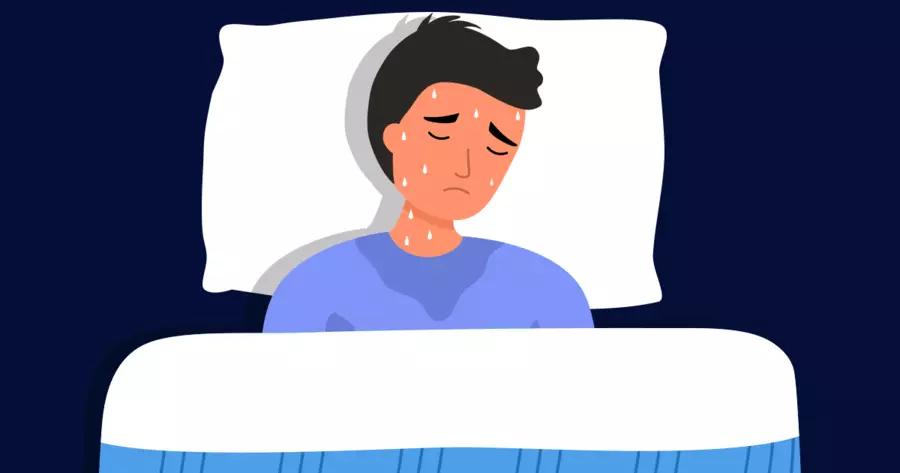
Night sweats usually happen when your body’s temperature control system gets pushed too hard by hormone shifts (especially perimenopause), stress-related adrenaline spikes, or an overactive thyroid. Some medications, alcohol, and sleep apnea can also make you sweat at night even if the room is cool. A few targeted blood tests can help you tell the difference so you’re not guessing. If you’re waking up drenched and then dragging yourself through meetings the next day, you’re not being “dramatic.” Night sweats can wreck sleep quality, mood, and focus, and they can also trigger real anxiety because you start wondering about infections or cancer. Most of the time, the cause is common and treatable, but it helps to sort “annoying but benign” from “needs a closer look.” This guide walks you through the most likely causes, what actually helps, and which labs can clarify what’s going on. If you want help connecting your pattern to the right next step, PocketMD can talk it through with you, and Vitals Vault labs can help you confirm the most common medical drivers.
Why you’re getting night sweats
Perimenopause hormone swings
In your late 30s through 50s, oestrogen and progesterone can swing up and down before they settle lower, and that makes your brain’s thermostat (hypothalamus) more jumpy. Small changes in room temperature, a glass of wine, or a stressful day can suddenly trigger a heat dump that wakes you soaked. If your periods are changing, your sleep is lighter, or you’re also getting daytime hot flashes, this is a strong contender. A simple 2-week log of cycle day, alcohol, and wake-ups often makes the pattern obvious.
Stress and adrenaline at night
When you’re under sustained pressure, your stress system can stay “on” even when you finally lie down, which means you get surges of adrenaline and cortisol that raise body temperature and heart rate. It often feels like you wake up suddenly, sweaty, and wired, and then your brain starts replaying tomorrow’s to-do list. This can happen even if you fall asleep easily, because the surge hits in the middle of the night. The giveaway is that the sweat comes with a racing heart or a jolt of anxiety rather than a slow build of heat.
Overactive thyroid (hyperthyroidism)
Your thyroid sets your metabolic speed, and when it runs too fast you generate more heat all day and all night. You might notice you’re sweating more than usual, feeling shaky, losing weight without trying, or having more frequent bowel movements, and sleep can feel restless even when you’re exhausted. Night sweats from thyroid issues tend to persist regardless of cycle timing or room temperature. A TSH test is usually the quickest way to screen for this.
Sleep apnea heating you up
Obstructive sleep apnea is when your airway narrows during sleep and your body has to briefly “alarm” you to breathe again, which triggers stress hormones and sweating. You do not have to be older or have a classic body type for this to happen, especially if you’re sleep-deprived, drinking alcohol in the evening, or have nasal congestion. Clues include loud snoring, waking with a dry mouth or headache, and feeling unrefreshed even after a full night in bed. If this fits, treating the breathing problem often fixes the sweating more reliably than any cooling gadget.
Infection or inflammatory illness
Sometimes night sweats are your immune system running a higher “set point,” especially if you also have fevers, chills, or new body aches. This can happen with common infections, but persistent drenching sweats paired with unexplained weight loss, swollen lymph nodes, or a cough that won’t quit deserves prompt medical attention. The point is not to panic, but to notice the whole picture rather than treating sweat as a standalone problem. If your sweats are new and intense and you feel generally unwell, don’t wait it out for weeks.
What actually helps you sleep drier
Build a cooler sleep microclimate
Instead of fighting your whole bedroom, focus on the layers touching your skin. Try moisture-wicking sleepwear, a breathable top sheet, and a “swap towel” you can grab without fully waking, because that reduces the stress spike that keeps you up. If you wake hot at the same time nightly, pre-cool your bed with a fan for 20 minutes before sleep and keep the thermostat a little lower than you think you need. The goal is fewer full awakenings, not perfection.
Move alcohol and spicy foods earlier
Alcohol can widen blood vessels and fragment sleep later in the night, which makes sweating more likely right when you’re trying to get deep sleep. Spicy meals can do something similar by nudging your internal temperature upward for hours. If you want a clean experiment, keep dinner and drinks at least 3–4 hours before bed for two weeks and see whether the “drenching” nights drop. This is especially helpful if your sweats cluster after social evenings or late work dinners.
Treat the stress surge, not just sweat
If you wake sweaty and wired, the fastest lever is often calming your nervous system in the moment. Keep a simple script: sit up, slow your breathing with a longer exhale for 2–3 minutes, and avoid checking email or the time, because that tells your brain it’s “go time.” During the day, a short wind-down routine that starts 30 minutes before bed works better than “try to relax” at lights-out. If you’re consistently waking with panic-like symptoms, it’s worth discussing anxiety, stimulant use, and sleep quality with a clinician.
Consider menopause-targeted treatment
If your night sweats are part of perimenopause, you have options beyond suffering through it. Hormone therapy can be very effective for hot flashes and night sweats for many people, and there are also non-hormonal prescription options that can reduce episodes when hormones are not a good fit. What matters is matching treatment to your risk factors and your symptom severity, because “mild” on paper can still be life-disrupting when you’re working full time. Bring a symptom log to the conversation so you’re not relying on memory.
Screen for sleep apnea if clues fit
If snoring, gasping, morning headaches, or daytime sleepiness are part of your story, a sleep study can be a game-changer. Treating apnea with CPAP, an oral appliance, or positional therapy can reduce the stress-hormone spikes that drive sweating and repeated awakenings. This is one of the few fixes that can improve energy, blood pressure, and mood at the same time. Start by asking for a home sleep apnea test if access is a barrier.
Useful biomarkers to discuss with your clinician
TSH
TSH is the master regulator of thyroid function, controlling the production of thyroid hormones T4 and T3. In functional medicine, we use narrower TSH ranges than conventional medicine to identify subclinical thyroid dysfunction early. Even mildly elevated TSH can indicate thyroid insufficiency, leading to fatigue, weight gain, depression, and metabolic dysfunction. TSH levels are influenced by stress, nutrient deficiencies, autoimmune conditions, and environmental toxins. Optimal TSH supports energy, metabolism…
Learn moreCortisol, Total
Cortisol is the primary stress hormone that regulates metabolism, immune function, and blood pressure. In functional medicine, cortisol assessment is crucial for understanding stress response and its impact on overall health. Chronic elevation suppresses testosterone production and immune function, while low cortisol indicates adrenal insufficiency. Optimal cortisol rhythm supports energy, mood stability, and hormone balance. Cortisol orchestrates the body's stress response and daily energy rhythms. Balanced cor…
Learn moreEstradiol
Estradiol in men is produced from testosterone via aromatase enzyme. In functional medicine, we recognize that men need optimal estradiol levels for bone health, cognitive function, and cardiovascular protection. However, excessive estradiol can suppress testosterone production and cause feminizing effects. The testosterone-to-estradiol ratio is crucial for male health, with optimal balance supporting vitality while preventing estrogen dominance. Balanced estradiol levels in men support bone health and cognitive…
Learn moreLab testing
Get thyroid and hormone-related labs checked at Quest
starting from $99 panel with 100+ tests, one visit
No referral needed
About 1 week
Schedule online — results typically within a week
Clear next steps
Guidance included, with follow-up care available
HSA / FSA
Eligible for pre-tax health spending accounts

Pro Tips
Do a 14-night “pattern check” instead of guessing: write down the time you woke sweaty, how drenched you were (1–10), and whether you drank alcohol, ate late, or had a high-stress day. Patterns show up faster than you think.
Keep a spare T-shirt and a small towel within arm’s reach so you can change quickly without turning on bright lights. The less awake you get, the less your stress hormones keep the sweat cycle going.
If you suspect perimenopause, track night sweats against your cycle rather than the calendar month. Many people notice a cluster in the week before bleeding, which is a useful clue to bring to a clinician.
Try a “caffeine cutoff” experiment that matches your metabolism: stop caffeine by 12 pm for two weeks, because even afternoon coffee can raise nighttime adrenaline in sensitive sleepers. If sweats improve, you’ve found a lever you can control.
If you wake sweaty with a pounding heart, put one hand on your belly and breathe out longer than you breathe in for 2 minutes. It sounds simple, but it directly signals your nervous system to downshift.
Frequently Asked Questions
Are night sweats a sign of menopause or something else?
Night sweats are very common in perimenopause and menopause because shifting oestrogen makes your brain’s thermostat more sensitive, especially at night. They can also come from stress surges, thyroid overactivity, alcohol, or sleep apnea, which is why the pattern matters. If your periods are changing and you also have daytime hot flashes, menopause transition is more likely. If you’re unsure, tracking symptoms plus checking TSH and (sometimes) FSH can help clarify the story.
When should I worry about night sweats being cancer?
Most night sweats are not cancer, but you should get checked promptly if you have drenching sweats plus unexplained weight loss, persistent fevers, swollen lymph nodes, or a cough that doesn’t improve. Those “whole-body” symptoms matter more than sweat alone. If you’re waking soaked for weeks and you feel generally unwell, ask for an in-person evaluation rather than trying to self-treat. Bring a timeline of symptoms so nothing gets missed.
Can stress really cause night sweats even if I’m exhausted?
Yes. Chronic stress can keep your fight-or-flight system active, and you can get adrenaline spikes during lighter sleep stages that wake you sweaty and alert. It often comes with a racing heart, vivid dreams, or waking at the same time each night. A practical first step is a two-week wind-down routine plus avoiding late-night work or email, because your brain treats that as a threat signal. If the pattern persists, talk to a clinician about anxiety, stimulants, and sleep quality.
What blood tests are best for night sweats?
The most useful starting tests depend on your symptoms, but TSH is a high-yield screen because hyperthyroidism can drive sweating, palpitations, and insomnia. If perimenopause is likely, FSH can support the picture, although it can fluctuate and should be interpreted with your age and cycle history. If you feel sick or have fevers, CRP can help flag inflammation that deserves further workup. Use results to guide next steps rather than chasing numbers in isolation.
How do I stop waking up drenched in sweat tonight?
Make it easier for your body to cool down and for you to fall back asleep: keep the room cool, use breathable bedding, and place a spare shirt and towel by the bed so you can change quickly without bright light. If alcohol or a late spicy meal is part of your evening, move it earlier because both can trigger sweating later in the night. If you wake wired, do 2–3 minutes of slow breathing with a longer exhale before you check the time. If this is happening most nights for more than 2–3 weeks, it’s worth screening for thyroid issues, perimenopause, and sleep apnea.