Why You Get Night Sweats When You’re Stressed
Night sweats under stress often come from adrenaline surges, sleep disruption, or hormone shifts. Targeted blood tests available, no referral needed.





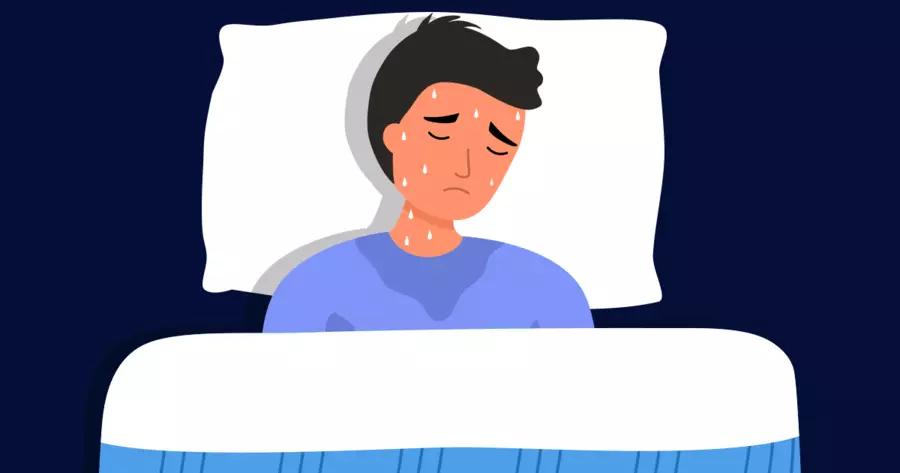
Night sweats under stress usually happen because your stress system releases adrenaline and stress hormones that raise your heat output, speed up your heart rate, and make your body dump heat through sweating. They can also show up when stress wrecks your sleep, because lighter sleep makes you more likely to wake up during normal temperature swings. Sometimes “stress sweats” are stress plus something else, like menopause hormone shifts, thyroid overactivity, or low testosterone, and targeted labs can help sort out which one fits you. Waking up damp or drenching the sheets is miserable, and it can spiral into worry about infections or even cancer. Most of the time, the pattern and your other symptoms tell the story, but it helps to know what deserves a closer look. Below you’ll see the most common stress-linked mechanisms, what you can do tonight to reduce sweating, and which blood tests are actually useful. If you want help matching your exact pattern to likely causes, PocketMD can walk through your symptoms with you in plain language.
Why stress can trigger night sweats
Adrenaline surges while you sleep
When you’re stressed, your “fight-or-flight” system can stay half-on at night, and you get bursts of adrenaline. That raises your heart rate and heat production, and your body tries to cool you down by sweating. A clue is waking suddenly with a pounding heart or a sense of dread, even if you don’t remember a nightmare.
Lighter sleep makes you sweat
Stress fragments your sleep, so you spend more time in lighter stages where you wake up more easily. Your body temperature naturally rises and falls overnight, and if you pop awake during a warm phase, you notice the sweat that you would have slept through. If your sweats happen in the second half of the night and you feel unrefreshed, sleep disruption is often the main driver.
Hot flashes triggered by stress
If you’re in perimenopause or menopause, stress can lower the threshold for a hot flash because your brain’s thermostat (hypothalamus) becomes more sensitive to small changes. You may feel a sudden wave of heat that starts in your chest or face, followed by sweating and then chills. The takeaway is that “stress sweats” can actually be hot flashes, which respond better to trigger management and, for some people, hormone or non-hormone treatment.
Thyroid running too fast
Stress does not directly “cause” hyperthyroidism, but it can make the symptoms impossible to ignore, and it can overlap with anxiety. When your thyroid is overactive, your metabolism runs hotter, so you sweat more and often lose weight or feel shaky. If you’re sweating at night and also having daytime heat intolerance or frequent bowel movements, a TSH blood test is a smart check.
Infection or other red flags
Night sweats can also come from your immune system revving up, which is why fevers and infections sometimes look like “stress.” Pay attention to sweats that are new and persistent for more than 2–3 weeks, especially if you also have fever, unexplained weight loss, swollen lymph nodes, or a cough that will not quit. If any of those are true, you deserve a real medical workup rather than assuming it’s stress.
What actually helps you sweat less (and sleep more)
Do a 10-minute downshift routine
If your nervous system goes to bed “revved,” you are more likely to get adrenaline spikes at 2 a.m. Pick one simple routine you can repeat nightly, like 4–7–8 breathing for five cycles followed by a warm shower and dim lights. The point is repetition, because your brain learns the pattern and starts lowering alertness faster.
Cool your body before sleep
Sweating is your body’s emergency cooling system, so you can reduce it by lowering the starting temperature. Keep your bedroom around 60–67°F (16–19°C) if you can, and try a breathable base layer that wicks moisture rather than trapping it. If you wake sweaty, change your top instead of the whole bed so you can get back to sleep quickly.
Move alcohol and spicy food earlier
Alcohol can trigger sweating by widening blood vessels and fragmenting sleep, and spicy meals can raise your core temperature for hours. If you notice sweats after drinks or late spicy dinners, shift them earlier in the day and see if the pattern changes within a week. This is especially helpful if your sweats happen in the first half of the night after an evening meal.
Treat nighttime anxiety directly
If you lie down and your mind starts scanning for threats, your body often follows with a racing heart and sweating. A practical approach is to schedule a 15-minute “worry window” earlier in the evening where you write down what you’re worried about and one next action, even if it is small. If panic symptoms are part of your nights, therapies like CBT and, for some people, medication can reduce the adrenaline loop dramatically.
Match treatment to hormones
If the sweats feel like hot flashes, the most effective options are often menopause-focused, not generic stress tips. Non-hormone options like SSRIs/SNRIs or gabapentin can help some people, and hormone therapy can be very effective when it is appropriate for your health history. If you’re a man with low libido, fewer morning erections, or fatigue along with sweats, checking testosterone and addressing sleep apnea and weight can make a real difference.
Useful biomarkers to discuss with your clinician
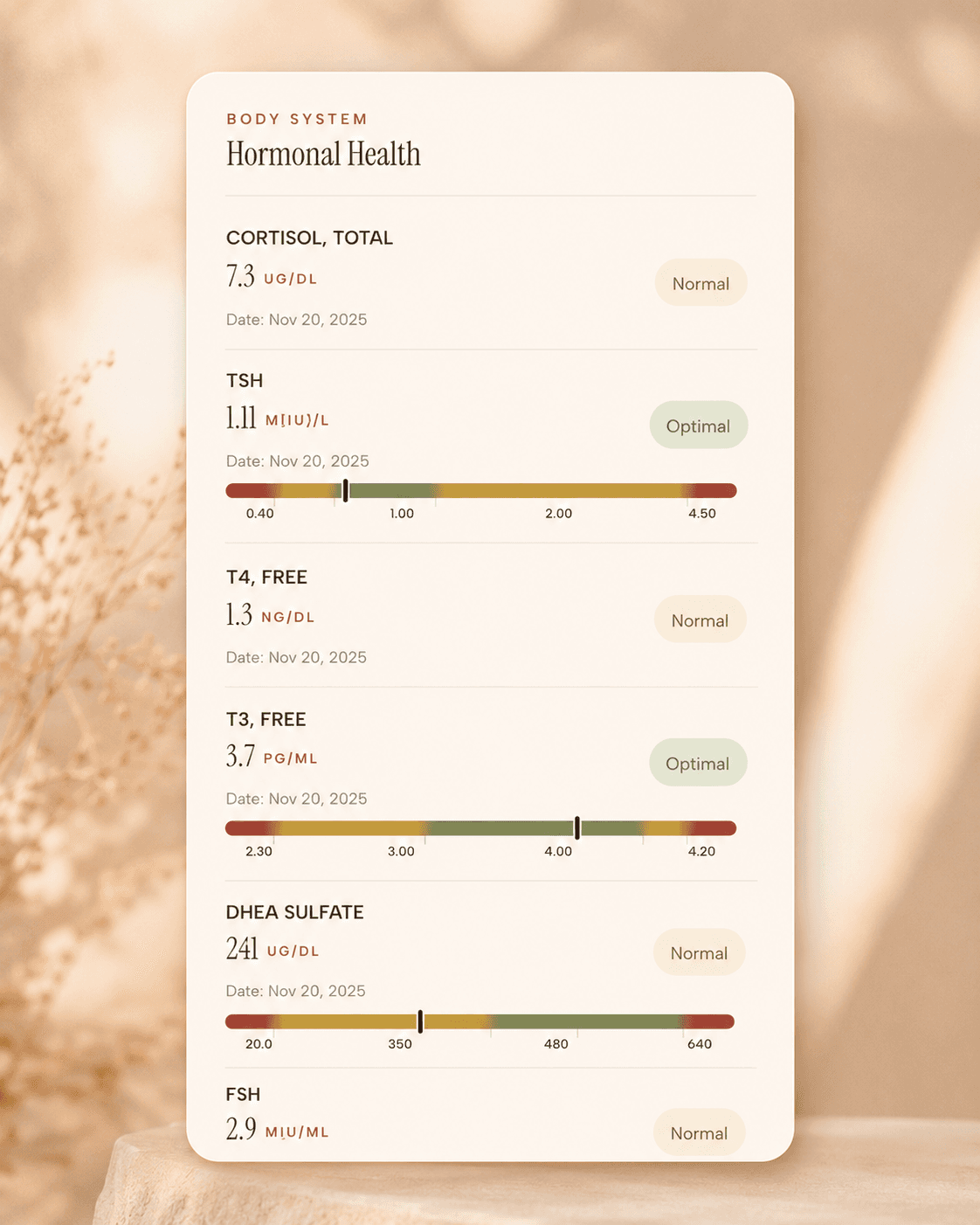
Cortisol, Total
Cortisol is the primary stress hormone that regulates metabolism, immune function, and blood pressure. In functional medicine, cortisol assessment is crucial for understanding stress response and its impact on overall health. Chronic elevation suppresses testosterone production and immune function, while low cortisol indicates adrenal insufficiency. Optimal cortisol rhythm supports energy, mood stability, and hormone balance. Cortisol orchestrates the body's stress response and daily energy rhythms. Balanced cor…
Learn moreTSH
TSH is the master regulator of thyroid function, controlling the production of thyroid hormones T4 and T3. In functional medicine, we use narrower TSH ranges than conventional medicine to identify subclinical thyroid dysfunction early. Even mildly elevated TSH can indicate thyroid insufficiency, leading to fatigue, weight gain, depression, and metabolic dysfunction. TSH levels are influenced by stress, nutrient deficiencies, autoimmune conditions, and environmental toxins. Optimal TSH supports energy, metabolism…
Learn moreEstradiol
Estradiol in men is produced from testosterone via aromatase enzyme. In functional medicine, we recognize that men need optimal estradiol levels for bone health, cognitive function, and cardiovascular protection. However, excessive estradiol can suppress testosterone production and cause feminizing effects. The testosterone-to-estradiol ratio is crucial for male health, with optimal balance supporting vitality while preventing estrogen dominance. Balanced estradiol levels in men support bone health and cognitive…
Learn moreLab testing
Get TSH, CBC, and testosterone checked at Quest
starting from $99 panel with 100+ tests, one visit
No referral needed
About 1 week
Schedule online — results typically within a week
Clear next steps
Guidance included, with follow-up care available
HSA / FSA
Eligible for pre-tax health spending accounts
Pro Tips
Try a 14-day “night sweat map”: rate sweating from 0–10, note the time you woke up, and write what happened in the two hours before bed (work email, alcohol, late workout, spicy meal). Patterns usually pop out faster than you expect.
If you wake soaked, do a quick “reset” instead of spiraling: change your shirt, sip a few ounces of cool water, and do 60 seconds of slow nasal breathing before you decide whether to check your phone.
Set your thermostat or fan to drop the room temperature about an hour after you fall asleep, because many people sweat most during the first temperature rise of the night.
If you suspect hot flashes, test a trigger experiment: for one week, avoid alcohol and keep your bedroom cool, then reintroduce one trigger at a time. The goal is to prove what your body reacts to, not to be perfect.
If your sheets are drenched, take a photo of the sweat pattern and note whether you also had fever, cough, or weight loss. That simple documentation helps a clinician take you seriously and triage faster.
Frequently Asked Questions
Can stress really cause night sweats?
Yes. Stress can keep your fight-or-flight system active, which raises your heart rate and heat production and makes your body cool itself by sweating. Stress also fragments sleep, so you wake up during normal overnight temperature swings and notice the sweat more. If it is happening often, track timing and triggers for two weeks so you can see whether it follows anxiety spikes, alcohol, or poor sleep.
When should I worry about night sweats being cancer?
Most night sweats are not cancer, but certain patterns deserve prompt evaluation. If you have drenching sweats plus unexplained weight loss, persistent fever, swollen lymph nodes, or symptoms lasting more than 2–3 weeks without a clear stress trigger, get checked. A basic starting point is a physical exam and labs such as a CBC, and then your clinician can decide what imaging or specialist referral makes sense.
Why do I wake up at 3am sweating and panicking?
That combination often comes from an adrenaline surge that wakes you out of lighter sleep, and then your brain interprets the physical sensations as danger. You may feel a racing heart, shaky limbs, and a hot flush that ends in sweating. Try a scripted response in the moment—slow breathing and a brief grounding exercise—and consider CBT for panic if it repeats, because it targets the cycle directly.
Do night sweats mean I have a thyroid problem?
Not always, but an overactive thyroid can absolutely cause heat intolerance and sweating, and it can feel a lot like anxiety. A TSH test is the usual first screen, and a clearly low value (often below about 0.4 mIU/L) raises suspicion, especially if you also have tremor, weight loss, or frequent stools. If you are unsure, checking TSH is a practical next step rather than guessing.
What blood tests are most useful for night sweats?
For stress-related night sweats, the most helpful “triage” tests are often TSH (thyroid), a CBC (infection or blood-pattern clues), and morning total testosterone for men with compatible symptoms. These do not diagnose everything, but they can quickly separate common, treatable causes from “it’s probably stress.” Bring your results and your symptom log to a clinician so the numbers are interpreted in context.