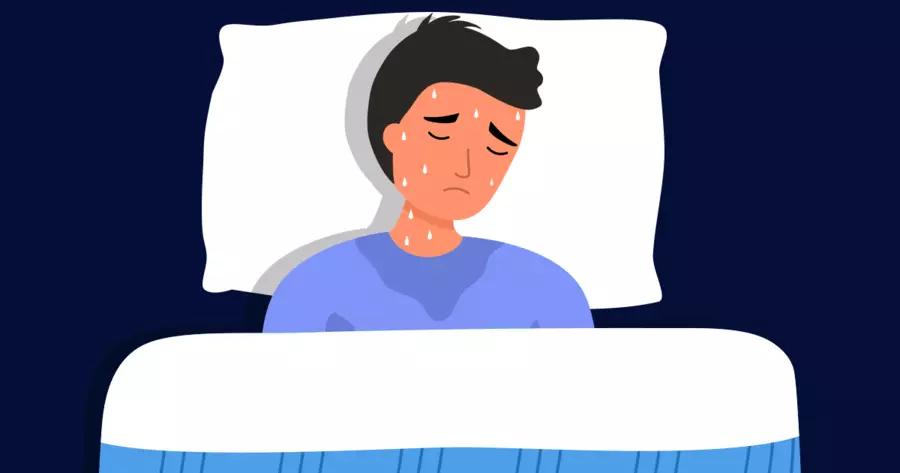
Hot Flashes in Working Women: Why They Happen and What Helps
Hot flashes in working women often come from perimenopause hormone shifts, thyroid overactivity, or stress-sleep disruption. Targeted labs, no referral needed.





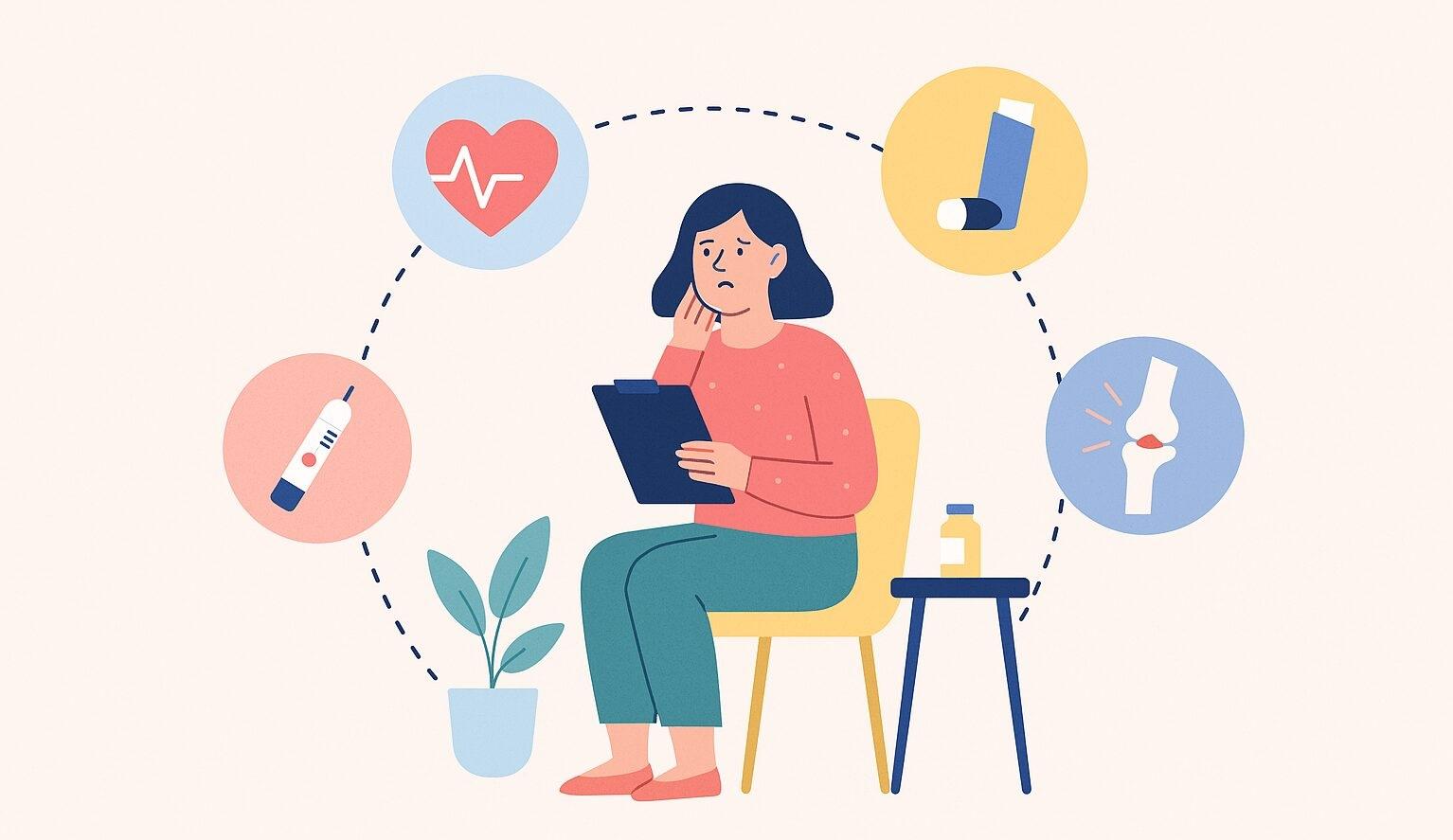
Hot flashes at work usually happen because your hormones are shifting in perimenopause or menopause, your brain’s temperature control system becomes extra sensitive, and stress or poor sleep lowers your “heat threshold.” Sometimes, a thyroid problem or a medication effect is the real driver, which can feel identical in your body. A few targeted blood tests can help sort out which bucket you’re in so you’re not guessing. When you’re juggling meetings, deadlines, and other people’s expectations, hot flashes can feel especially unfair because they show up loudly and on their own schedule. You might be fine one minute and then suddenly flushed, sweaty, and distracted, which can be embarrassing and exhausting. The good news is that there are practical ways to reduce how often they happen and how intense they feel, and you have more options than “just tough it out.” If you want help connecting your pattern to likely causes, PocketMD can walk through your symptoms with you, and VitalsVault labs can help you check the most relevant markers without turning this into a months-long appointment project.
Why hot flashes hit at work
Hormone shifts of perimenopause
In perimenopause, estrogen doesn’t just “drop” — it often swings, which makes your brain’s thermostat (hypothalamus) react to tiny changes as if you’re overheating. That is why you can go from normal to drenched in under a minute, especially in a warm conference room. If your periods have changed in timing, flow, or predictability, that context strongly supports this cause and helps guide treatment choices.
Your brain’s thermostat gets jumpy
Even without obvious cycle changes, repeated stress, sleep loss, and hormonal shifts can narrow the comfort zone your body uses to decide when to sweat and when to shiver. The result is a “false alarm” heat dump: flushing, sweating, and sometimes a wave of anxiety because your heart rate jumps with the heat. A useful clue is how quickly it peaks and fades, often within 2–10 minutes, leaving you chilled afterward.
Thyroid overactivity (hyperthyroidism)
If your thyroid is running fast, your metabolism runs hot, which can feel like constant warmth, sweating, and heat intolerance that is worse in busy, high-pressure days. Unlike classic hot flashes, thyroid-driven heat can come with persistent tremor, frequent bowel movements, or unexplained weight loss. Checking TSH and free T4 is a straightforward way to rule this in or out, and it matters because the fix is different.
Medication or hormone therapy effects
Some treatments can trigger flushing by changing serotonin or norepinephrine signaling in the brain, or by shifting estrogen activity. This includes certain antidepressants, steroids, and cancer-related hormone therapies, and it can also happen when you start, stop, or change dose. The takeaway is simple but powerful: write down the exact date your hot flashes changed and compare it to medication changes, because that timeline can save you weeks of trial-and-error.
Low blood sugar from skipped meals
When you power through a morning without eating, your stress hormones rise to keep your blood sugar stable, and that surge can trigger sweating and a sudden “hot” feeling that mimics a flash. This pattern often shows up late morning or mid-afternoon, especially after strong coffee or a hard meeting. If a small protein-plus-fiber snack reliably prevents the episode, that’s a strong hint you’re dealing with a fuel-timing trigger layered on top of whatever else is going on.
What actually helps during the workday
Build a 2-minute cooling plan
Hot flashes are short, so you want a response that is fast and discreet. Try a small desk fan, a cold drink you sip at the first “rise,” and breathable layers you can remove without leaving the room. If you can, cool your wrists or the back of your neck for 60–90 seconds, because that can lower the intensity before it peaks.
Use trigger timing, not willpower
Instead of trying to avoid everything, focus on the 30–60 minutes before a flash. If yours cluster after coffee, alcohol at work events, spicy lunches, or rushing between meetings, adjust just that window for two weeks and see what changes. This approach feels doable in a real job because you are editing a small part of your day, not your whole personality.
Nonhormonal prescription options
If hot flashes are disrupting your work or sleep, nonhormonal meds can meaningfully reduce frequency and intensity. Options include certain SSRIs/SNRIs, gabapentin (often helpful when nights are the worst), and the newer neurokinin-3 receptor blockers in some regions. The practical next step is to tell your clinician how many flashes you have per day and how many wake you at night, because those numbers guide whether it’s time to treat.
Hormone therapy when appropriate
For many people in early menopause, menopausal hormone therapy can be the most effective tool, especially when hot flashes come with sleep disruption and mood changes. The decision depends on your age, time since your last period, and personal risks, and it looks different if you have a history of breast cancer or are on anti-estrogen therapy. If you are considering it, bring a one-page symptom log and your key labs so the conversation is specific rather than theoretical.
Protect sleep like it’s a meeting
Workday hot flashes often get worse after a bad night, because your body’s heat control becomes more reactive when you are sleep-deprived. Set a “hard stop” for screens and work messages, and keep your bedroom cool with a fan or breathable bedding so you are not fighting heat at 2 a.m. If night sweats are frequent, treating the nights often improves the days more than you’d expect.
Useful biomarkers to discuss with your clinician
Estradiol
Estradiol in men is produced from testosterone via aromatase enzyme. In functional medicine, we recognize that men need optimal estradiol levels for bone health, cognitive function, and cardiovascular protection. However, excessive estradiol can suppress testosterone production and cause feminizing effects. The testosterone-to-estradiol ratio is crucial for male health, with optimal balance supporting vitality while preventing estrogen dominance. Balanced estradiol levels in men support bone health and cognitive…
Learn moreTSH
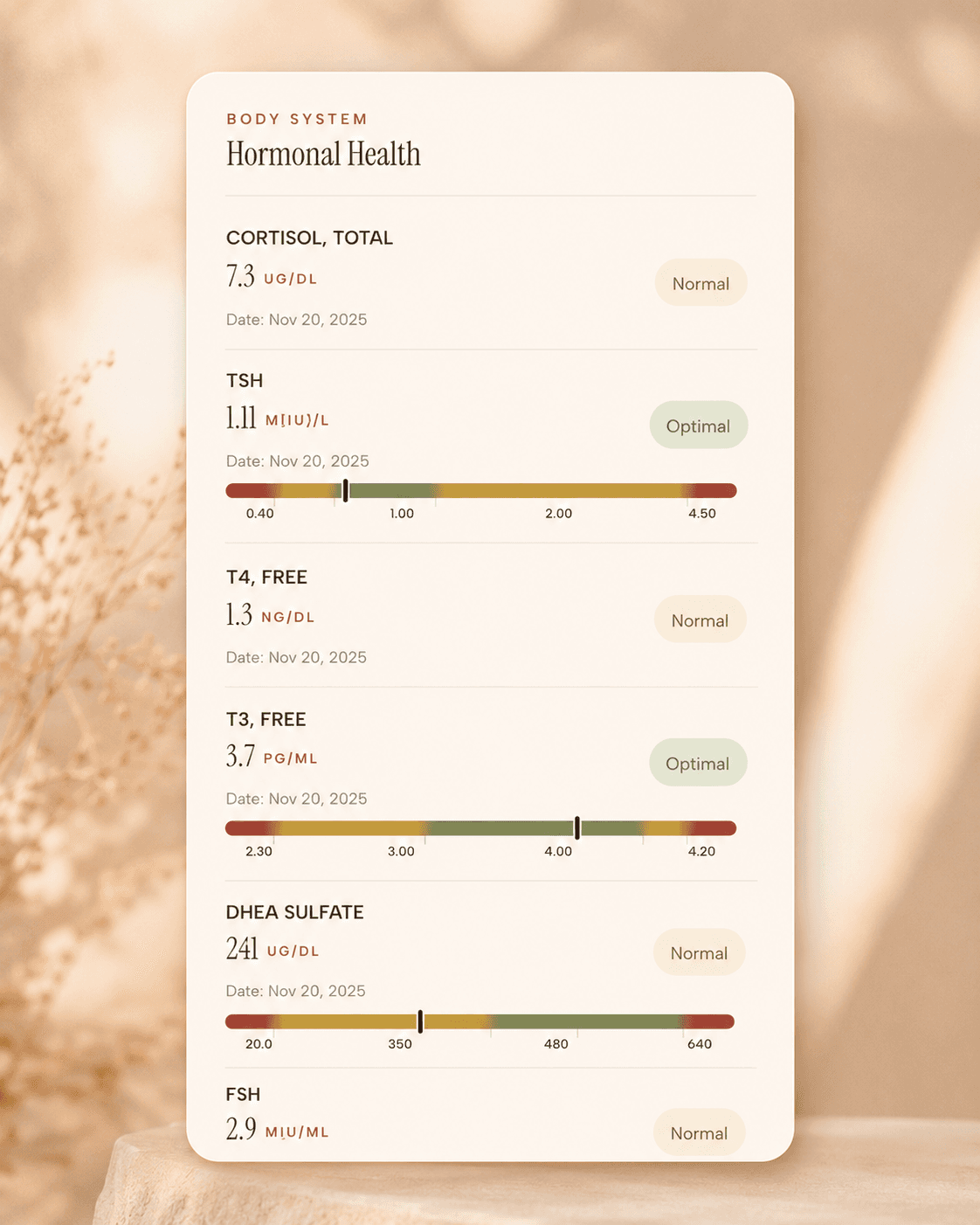
TSH is the master regulator of thyroid function, controlling the production of thyroid hormones T4 and T3. In functional medicine, we use narrower TSH ranges than conventional medicine to identify subclinical thyroid dysfunction early. Even mildly elevated TSH can indicate thyroid insufficiency, leading to fatigue, weight gain, depression, and metabolic dysfunction. TSH levels are influenced by stress, nutrient deficiencies, autoimmune conditions, and environmental toxins. Optimal TSH supports energy, metabolism…
Learn moreCortisol, Total
Cortisol is the primary stress hormone that regulates metabolism, immune function, and blood pressure. In functional medicine, cortisol assessment is crucial for understanding stress response and its impact on overall health. Chronic elevation suppresses testosterone production and immune function, while low cortisol indicates adrenal insufficiency. Optimal cortisol rhythm supports energy, mood stability, and hormone balance. Cortisol orchestrates the body's stress response and daily energy rhythms. Balanced cor…
Learn moreLab testing
Get TSH, free T4, and estradiol checked at Quest
starting from $99 panel with 100+ tests, one visit
No referral needed
About 1 week
Schedule online — results typically within a week
Clear next steps
Guidance included, with follow-up care available
HSA / FSA
Eligible for pre-tax health spending accounts
Pro Tips
Run a 14-day “flash log” that takes under 30 seconds: note the time, intensity from 1–10, and what happened in the 30 minutes before (meeting stress, coffee, a warm room, rushing, or a skipped meal). Patterns usually show up faster than you think.
If you present or lead meetings, keep a script ready for the moment a flash hits: “Give me 10 seconds to grab water.” Practicing that line once makes it feel normal instead of mortifying.
Dress for control, not fashion perfection: a breathable base layer plus a jacket you can remove quietly works better than one heavy outfit, and it prevents the post-flash chill from ruining the next hour.
Try a “caffeine experiment” rather than quitting forever: switch to half-caf or delay your first coffee until after breakfast for one week, and track whether your late-morning flashes drop.
If nights are the worst, set your thermostat or fan before bed and keep a spare dry top within reach. Reducing the number of full wake-ups often improves daytime flashes because your nervous system is less reactive.
Frequently Asked Questions
Why do I get hot flashes during meetings or stressful moments?
Stress activates your fight-or-flight system, which can push your body over its heat threshold and trigger sweating and flushing, especially if you are in perimenopause. The heat can feel sudden because the peak often happens within a few minutes, and then you may feel chilled afterward. Try tracking whether flashes cluster after a tense interaction, and test a quick cooling strategy (cold water, wrist cooling, small fan) before the next meeting.
Can thyroid problems cause hot flashes that feel like menopause?
Yes. An overactive thyroid can cause heat intolerance, sweating, and a racing heart that can mimic hot flashes, and it can also make true menopausal flashes worse. A low TSH with a high free T4 points toward thyroid-driven symptoms, which need medical follow-up. If you are unsure, getting TSH and free T4 checked is a practical first step.
What’s the fastest way to stop a hot flash at work?
You usually cannot stop one instantly, but you can shrink it. Cooling your wrists or the back of your neck for 60–90 seconds, sipping cold water at the first “wave,” and stepping into cooler air can reduce the peak intensity. The key is acting early, when you first feel warmth rising, rather than waiting until you are already sweating.
Are hot flashes a sign of breast cancer recurrence?
Hot flashes are much more commonly caused by hormone changes, stress-sleep disruption, or medications, and they are especially common in people on anti-estrogen treatments. That said, if you have a cancer history and your symptoms change abruptly, it is reasonable to tell your oncology team so they can review your meds and overall picture. Bring a timeline of when the flashes started and any treatment changes, because that detail is often the most useful.
When should I worry about hot flashes and get checked urgently?
Get urgent care if the “hot flash” comes with chest pain, fainting, severe shortness of breath, confusion, or a high fever, because those are not typical menopause symptoms. Also get checked sooner rather than later if you have persistent palpitations, unexplained weight loss, or constant heat intolerance, since thyroid overactivity can be the culprit. If symptoms are frequent but not dangerous, start with a symptom log and consider labs like TSH, free T4, and estradiol to guide next steps.