Why You Get Night Sweats Before Eating
Night sweats before eating often come from low blood sugar, hormone shifts, or infection-related inflammation. Targeted labs available, no referral needed.





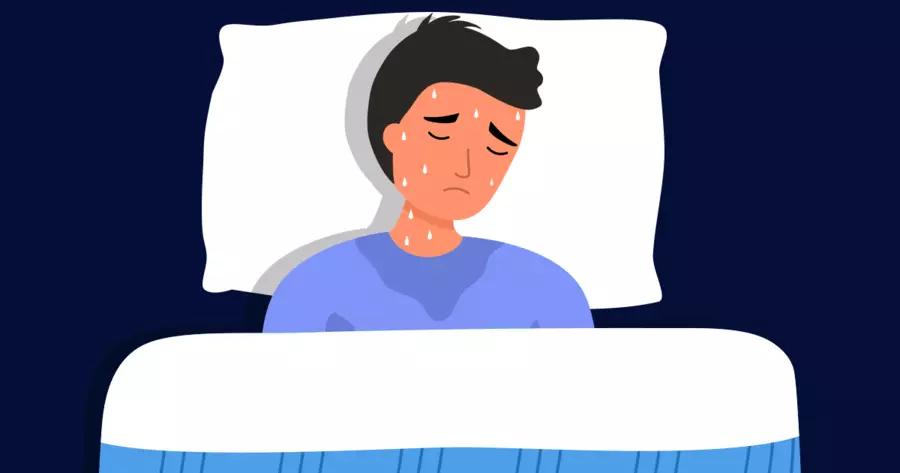
Night sweats before eating are often your body’s “stress hormones” kicking in because your blood sugar is dropping overnight, your hormones are shifting (especially around menopause or low testosterone), or your immune system is running hot from an infection or inflammation. The pattern matters: sweating that hits in the early morning hours or improves after you eat points toward a blood sugar or hormone trigger, while persistent drenching sweats with fever or weight loss needs a different workup. A few targeted labs can help you sort out which bucket you’re in. This symptom is frustrating because it feels dramatic, but the cause can range from “your body is overcorrecting a normal overnight fast” to something that deserves prompt medical attention. You are not overreacting if you’re worried about serious causes like lymphoma, but you also do not have to assume the worst. Below, you’ll see the most common explanations, what to try right away, and which tests tend to be most useful. If you want help matching your exact pattern to the most likely cause, PocketMD can walk through your timeline and symptoms with you, and Vitals Vault labs can help confirm what your body is doing.
Why you get night sweats before eating
Overnight low blood sugar
If your blood sugar dips while you sleep, your body releases adrenaline and cortisol to bring it back up. That “rescue” response can feel like waking up hot, shaky, and drenched, and you might notice it’s worse when you skip dinner, drink alcohol at night, or exercise late. A practical clue is that you feel noticeably better after you eat, even if you still feel tired.
Menopause hormone swings
When estrogen levels fluctuate, your brain’s temperature control center (hypothalamus) can become jumpy, so small changes trigger a sweat response. Night sweats can cluster in the second half of the night, and they often come with new sleep fragmentation or a racing heart that is not tied to a nightmare. If you are also having irregular periods, vaginal dryness, or daytime hot flashes, this cause moves up the list.
Low testosterone in men
Testosterone helps stabilize temperature regulation and sleep architecture, so low levels can make you more prone to nighttime heat surges and restless sleep. You might also notice lower morning erections, reduced muscle recovery, or a flatter mood, which makes the sweating feel like part of a bigger “something is off” picture. If you suspect this, the key is measuring morning testosterone correctly rather than guessing based on symptoms alone.
Thyroid running too fast
An overactive thyroid speeds up your metabolism, which means you generate more heat even at rest. That can show up as night sweats plus a fast pulse, looser stools, tremor, or feeling “wired but tired,” and hunger can feel intense in the morning. If you are sweating before eating and also losing weight without trying, checking thyroid labs is a smart next step.
Infection or inflammation at night
Some infections and inflammatory conditions cause cytokine surges that peak overnight, which can trigger drenching sweats regardless of room temperature. This is the bucket that deserves extra attention if you also have fevers, a new cough, swollen lymph nodes, persistent fatigue, or unintentional weight loss. If night sweats are soaking the sheets for more than two weeks or you have any of those red flags, it is worth getting evaluated promptly rather than waiting it out.
What actually helps tonight
Try a protein-forward bedtime snack
If your sweating tends to hit between 2–5 a.m. and you wake up hungry or shaky, a small bedtime snack can blunt overnight dips. Aim for protein plus fiber or fat, like Greek yogurt or peanut butter on whole-grain toast, because it releases glucose more slowly than a sugary snack. Give it three nights and see if the pattern changes rather than judging it after one night.
Limit alcohol close to bedtime
Alcohol can push your blood sugar down later in the night and it also disrupts REM sleep, which makes sweating episodes feel more intense. If you want a clean experiment, avoid alcohol for a week and keep everything else the same, then compare how often you wake up sweaty. Many people are surprised that the “nightcap” was the trigger even when they did not feel drunk.
Cool the microclimate, not the whole house
Night sweats are often about your skin overheating, so targeted cooling works better than turning your home into a refrigerator. Try breathable sheets, a light blanket you can kick off quickly, and a fan aimed across your body rather than at your face. If you wake up soaked, change into dry clothes right away because damp fabric keeps your skin warm and can prolong the episode.
Time caffeine earlier in the day
Caffeine can raise adrenaline and make your nervous system more reactive, which is the same pathway that can drive sweating when your blood sugar dips. If you are sensitive, moving your last caffeine to before noon can reduce the “wired at night” feeling that often travels with these sweats. This is especially helpful if you also notice palpitations when you wake up.
Get checked if red flags show up
If you have night sweats plus fever, chest pain, shortness of breath, fainting, or rapid unexplained weight loss, you should not try to self-treat your way through it. Those combinations can point to infection, thyroid disease, or other conditions that need timely care. The most helpful first step is a visit where you bring a simple timeline of when the sweats started and what else changed in your body.
Useful biomarkers to discuss with your clinician
Glucose
Fasting glucose is a fundamental marker of glucose metabolism and insulin function. In functional medicine, we recognize that even 'normal' glucose levels in the upper range may indicate early insulin resistance. Optimal fasting glucose reflects efficient glucose regulation and insulin sensitivity. Elevated fasting glucose suggests the body's inability to maintain normal glucose levels overnight, indicating hepatic insulin resistance or insufficient insulin production. This marker is essential for early detectio…
Learn moreTestosterone, Total, Ms
Total testosterone is the primary male sex hormone responsible for muscle mass, bone density, libido, energy levels, and cognitive function. In functional medicine, we recognize testosterone as a key marker of vitality and aging. Low testosterone (hypogonadism) affects up to 40% of men over 45 and is linked to metabolic syndrome, cardiovascular disease, depression, and reduced quality of life. Optimal testosterone levels support healthy body composition, sexual function, motivation, and overall masculine vitalit…
Learn moreTSH
TSH is the master regulator of thyroid function, controlling the production of thyroid hormones T4 and T3. In functional medicine, we use narrower TSH ranges than conventional medicine to identify subclinical thyroid dysfunction early. Even mildly elevated TSH can indicate thyroid insufficiency, leading to fatigue, weight gain, depression, and metabolic dysfunction. TSH levels are influenced by stress, nutrient deficiencies, autoimmune conditions, and environmental toxins. Optimal TSH supports energy, metabolism…
Learn moreLab testing
Get CBC, TSH, and HbA1c checked at Quest
starting from $99 panel with 100+ tests, one visit
No referral needed
About 1 week
Schedule online — results typically within a week
Clear next steps
Guidance included, with follow-up care available
HSA / FSA
Eligible for pre-tax health spending accounts

Pro Tips
Run a 7-night experiment: keep dinner the same, then add a small protein-and-fiber snack 30–60 minutes before bed and track whether the 2–5 a.m. sweat wake-ups drop.
If you wake up sweaty, check for “low blood sugar clues” before you panic: shakiness, hunger, nausea, and a fast heartbeat that improves within 10–15 minutes of eating are useful signals to write down.
Use a two-layer bedding setup (thin sheet plus light blanket) so you can vent heat fast without fully waking yourself up to remake the bed.
If you suspect hormones, note timing: sweats that cluster around cycle changes, postpartum months, or perimenopause often behave differently than sweats that are steady every night for weeks.
Bring one page to your appointment: when the sweats started, how often they soak the sheets, your weight trend over the last month, and whether you have fevers or swollen nodes. That single page speeds up the right workup.
Frequently Asked Questions
Why do I wake up sweating when I’m hungry?
Hunger plus sweating can happen when your blood sugar dips overnight and your body releases adrenaline to correct it. That surge can wake you up with a fast heartbeat, shakiness, and sweating, and you often feel better after you eat. Try a protein-forward bedtime snack for a few nights and consider checking HbA1c if this keeps happening.
Can night sweats be a sign of low blood sugar if I don’t have diabetes?
Yes, you can still have nighttime lows or rapid drops even without diagnosed diabetes, especially if you skip meals, drink alcohol at night, or have intense late workouts. The pattern matters: episodes that improve quickly after eating are more suggestive than sweats that happen randomly. If it is frequent, ask about glucose monitoring and check HbA1c to look for underlying dysregulation.
Are night sweats before eating a menopause symptom?
They can be, because fluctuating estrogen can make your brain’s thermostat more sensitive, which triggers sweats even without a fever. You are more likely to be in this bucket if you also have irregular periods, daytime hot flashes, or new sleep fragmentation. If you are unsure, tracking symptoms alongside cycle timing and discussing options with a clinician can help.
When should I worry that night sweats are something serious like lymphoma?
Night sweats are common and usually not cancer, but you should take it seriously if you have drenching sweats plus unexplained weight loss, persistent fevers, or swollen lymph nodes that do not go away. A CBC is often part of the first-pass evaluation, along with an exam and sometimes imaging depending on your story. If those red flags are present, book an in-person visit rather than waiting for it to resolve on its own.
What blood tests are most useful for night sweats?
A practical starting trio is a CBC to look for infection or blood-cell abnormalities, TSH to screen for an overactive thyroid, and HbA1c to assess glucose patterns that can drive overnight adrenaline sweats. Abnormal results do not diagnose everything, but they quickly narrow the possibilities. If your symptoms persist, bring your results and a symptom timeline so the next step is targeted.
What research says about night sweats and likely causes
North American Menopause Society position statement on hormone therapy and vasomotor symptoms (hot flashes/night sweats)
Endocrine Society clinical practice guideline on testosterone therapy in men with hypogonadism
CDC guidance on tuberculosis symptoms and evaluation (night sweats are a classic systemic symptom)