Why Is Your Sleep So Light in the Morning?
Light sleep in the morning often comes from circadian mismatch, cortisol surges, or sleep apnea-related arousals. Targeted labs—no referral needed.





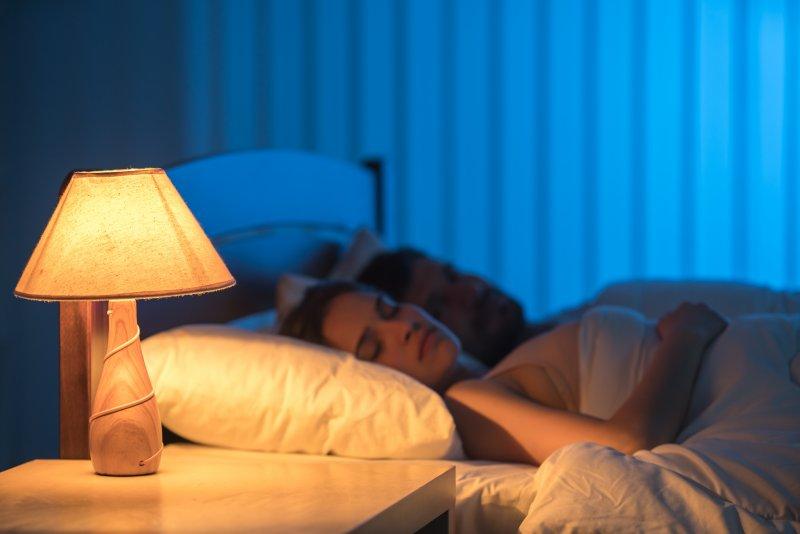
Light sleep in the morning usually happens because your brain is naturally shifting toward wake-up mode, but something is pushing that switch too early. The most common drivers are a circadian timing mismatch, a stress-hormone bump (cortisol), or repeated micro-wakeups from breathing issues like sleep apnea. A few targeted labs can help you spot whether hormones or thyroid changes are part of your pattern. This symptom is frustrating because it can feel like “I slept, but I never really slept.” Morning sleep is already lighter for most people, so small disruptions—light through the blinds, a partner moving, a tiny drop in blood sugar, or a brief airway collapse—can pop you into a lighter stage without you fully waking. If you are trying to troubleshoot without spiraling, PocketMD can help you map your exact pattern to likely causes, and Vitals Vault labs can help you confirm whether a biological driver is adding fuel to the fire. If you ever wake up gasping, with chest pain, or with new severe shortness of breath, treat that as urgent and get checked right away.
Why your sleep gets lighter in the morning
Your body is primed to wake
In the last third of the night, you naturally spend less time in deep sleep and more time in lighter sleep and dreaming, which makes you easier to wake. If you are already a light sleeper, that normal shift can feel like you are “hovering” near awake for hours. The takeaway is simple but powerful: protecting the last 2–3 hours of sleep from light, noise, and temperature swings often helps more than changing what you do at bedtime.
Circadian rhythm is out of sync
Your internal clock (circadian rhythm) decides when your body starts turning on “daytime mode,” including raising body temperature and alertness. Shift work, late-night screens, weekend sleep-ins, or traveling time zones can move that clock so it starts waking you before you want to be awake. If you notice you wake at nearly the same early time even after a late night, that regularity is a clue that timing—not willpower—is driving it.
Early-morning cortisol spike
Cortisol is a normal wake-up hormone, but stress, overtraining, under-eating, or anxiety can make the morning rise steeper and earlier. That can feel like your eyes pop open with a wired body, a busy mind, or a sudden “I’m awake now” feeling even if you are tired. If this sounds like you, it helps to treat it like a physiology problem: stabilize your evening routine, avoid intense workouts late, and consider checking a morning cortisol level if the pattern is persistent.
Breathing disruptions during sleep
With obstructive sleep apnea, your airway narrows during sleep and your brain briefly arouses you to reopen it, which fragments sleep even if you do not remember waking. These arousals often cluster in the early morning when you spend more time in dream sleep, which can worsen airway collapse in some people. If you snore, wake with a dry mouth, get morning headaches, or feel unrefreshed despite enough hours, a sleep study is often more informative than guessing.
Low iron stores and restless sleep
Low iron stores can make your nervous system more “twitchy,” and it is strongly linked to restless legs and periodic limb movements that repeatedly pull you into lighter sleep. You might notice an urge to move your legs at night, more tossing and turning, or that your partner sees leg kicks. The practical next step is to check ferritin (your iron storage marker), because many people feel better when ferritin is brought into a more optimal range rather than just barely “normal.”
What actually helps you stay asleep
Lock in a consistent wake time
If you keep moving your wake time around, your brain never gets a stable signal for when “morning” is, so it keeps testing wakefulness early. Pick a wake time you can keep within about 30–60 minutes most days for two weeks, even after a rough night. This is the fastest way to shift your internal clock so the light-sleep window happens closer to when you actually want to get up.
Use morning light on purpose
Bright outdoor light soon after waking anchors your circadian rhythm and can reduce early awakenings over time by strengthening the day-night contrast. Aim for 10–20 minutes outside within an hour of waking, and keep indoor lights dimmer in the last hour before bed so your brain does not get mixed signals. If you are a shift worker, the same idea applies, but you time the light to your “morning,” not the clock.
Make the bedroom truly dark
Morning light is a powerful wake cue, and even small amounts can push you into lighter sleep without fully waking you. Blackout curtains, a sleep mask that seals around the nose, and covering tiny LEDs can make the last third of the night noticeably deeper. If you wake around sunrise year-round, this is one of the highest-return changes you can make.
Stabilize blood sugar overnight
For some people, a long gap between dinner and morning triggers a stress response that nudges cortisol and adrenaline up, which makes sleep lighter. If you wake hungry, shaky, or with a racing heart, experiment with a small protein-forward snack 30–60 minutes before bed, and avoid alcohol as a “nightcap” because it often causes a rebound wake-up later. If you have diabetes or take glucose-lowering meds, make changes with your clinician so you stay safe.
Treat possible sleep apnea directly
If breathing disruptions are fragmenting your sleep, no amount of perfect sleep hygiene will fully fix the problem because the arousals are protective reflexes. Ask about a home sleep apnea test if you snore, have high blood pressure, wake with headaches, or feel sleepy while driving. Treatment can be CPAP, an oral appliance, side-sleeping strategies, or weight changes depending on your anatomy and results, but the key is getting the diagnosis instead of guessing.
Useful biomarkers to discuss with your clinician
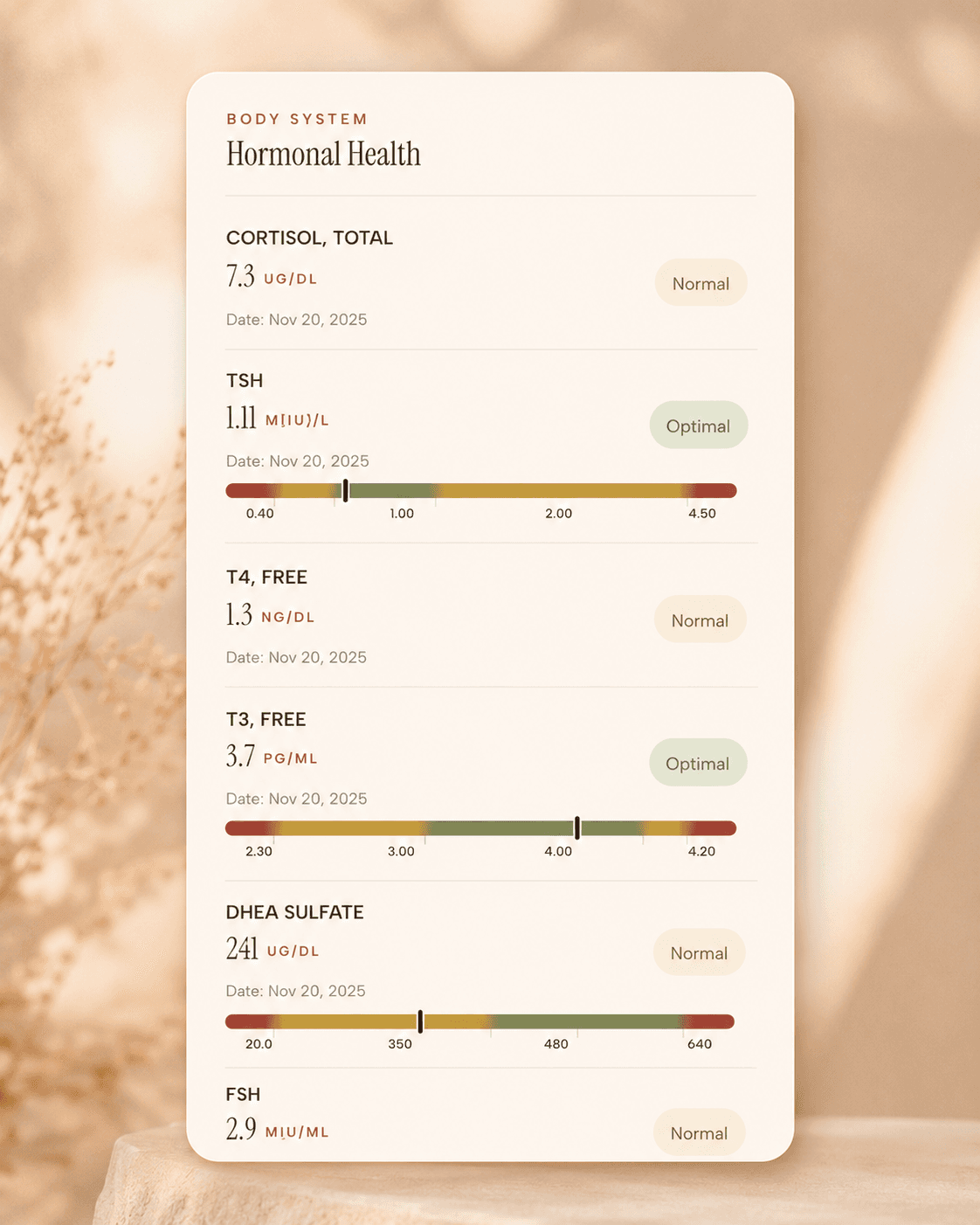
Cortisol, Total
Cortisol is the primary stress hormone that regulates metabolism, immune function, and blood pressure. In functional medicine, cortisol assessment is crucial for understanding stress response and its impact on overall health. Chronic elevation suppresses testosterone production and immune function, while low cortisol indicates adrenal insufficiency. Optimal cortisol rhythm supports energy, mood stability, and hormone balance. Cortisol orchestrates the body's stress response and daily energy rhythms. Balanced cor…
Learn moreGlucose
Fasting glucose is a fundamental marker of glucose metabolism and insulin function. In functional medicine, we recognize that even 'normal' glucose levels in the upper range may indicate early insulin resistance. Optimal fasting glucose reflects efficient glucose regulation and insulin sensitivity. Elevated fasting glucose suggests the body's inability to maintain normal glucose levels overnight, indicating hepatic insulin resistance or insufficient insulin production. This marker is essential for early detectio…
Learn moreHemoglobin A1C
Hemoglobin A1C (HbA1c) reflects average blood glucose levels over the past 2-3 months by measuring the percentage of hemoglobin proteins that have glucose attached. In functional medicine, HbA1c is a cornerstone marker for metabolic health, insulin sensitivity, and diabetes risk assessment. Optimal levels (4.6-5.3%) indicate excellent blood sugar regulation and reduced risk of metabolic disease. Levels above 5.4% but below 5.7% suggest early metabolic dysfunction and increased cardiovascular risk, even before pr…
Learn moreLab testing
Check cortisol, thyroid, and iron stores at Quest
starting from $99 panel with 100+ tests, one visit
No referral needed
About 1 week
Schedule online — results typically within a week
Clear next steps
Guidance included, with follow-up care available
HSA / FSA
Eligible for pre-tax health spending accounts
Pro Tips
Try a two-week “last-third” sleep log: write down when you first woke, what woke you (light, noise, bathroom, worry), and how long you stayed awake. Patterns show up fast, and they point you toward timing, environment, or physiology.
If you wake at 4–5 a.m. with a busy mind, keep a notepad by the bed and do a 2-minute brain dump in dim light. It gives your brain a place to “park” the thoughts so you are not solving your day at dawn.
If you suspect light is the trigger, test it like an experiment: wear a comfortable blackout sleep mask for seven nights in a row. If your morning sleep deepens, you have a clear lever to pull without changing anything else.
If you are a shift worker, set a “fake sunrise” for your wake time using bright light and a consistent routine, then protect your sleep window with sunglasses on the commute home and blackout curtains. Your clock responds to light more than to intentions.
If you have leg restlessness, ask for ferritin specifically, not just “iron.” Many people are told their iron is fine when ferritin is low enough to still disrupt sleep.
Frequently Asked Questions
Why do I sleep lightly after 5 a.m.?
After about 4–6 hours of sleep, your brain naturally shifts toward lighter stages and more dreaming, so you are easier to wake. If light, noise, stress hormones, or breathing disruptions are present, they tend to show up more in this window. Start by controlling morning light and keeping a consistent wake time for two weeks, because that often moves the light-sleep period closer to your alarm.
Is light sleep in the morning a sign of anxiety?
It can be, especially if you wake with a racing mind, a tight chest, or a “wired but tired” feeling that improves once you get moving. Anxiety also tends to create conditioned wake-ups, where your brain starts expecting to wake at a certain time. If you also have snoring, gasping, or morning headaches, consider sleep apnea too, because it can mimic anxiety by repeatedly jolting you awake.
Can sleep apnea cause early morning awakenings?
Yes. Sleep apnea causes repeated micro-arousals that fragment sleep, and these can cluster in the early morning when you spend more time in dream sleep. If you snore, wake with a dry mouth, or feel unrefreshed even after 7–9 hours, ask about a home sleep apnea test or a sleep clinic referral.
What vitamin deficiency causes light, broken sleep?
Low iron stores are a common one because they can drive restless legs and subtle limb movements that keep you in lighter sleep. The test to ask for is ferritin, and many sleep-focused clinicians aim for about 50–100 ng/mL if it is appropriate for you. If ferritin is low, work with a clinician to address both supplementation and the underlying reason it dropped.
Which blood tests are worth doing for waking too early?
If your sleep is consistently light in the morning, ferritin can help identify iron-related restlessness, TSH can flag thyroid patterns that push you toward early waking, and a properly timed morning cortisol can show an exaggerated wake-up hormone signal. The key is matching results to symptoms and timing, so write down your usual bedtime, wake time, and the time your blood was drawn. If you want a structured next step, you can use PocketMD to decide which tests fit your pattern before you order anything.