Why Is Your Sleep Worse in the Morning?
Poor sleep in the morning often comes from circadian drift, sleep apnea, or cortisol stress patterns. Targeted blood tests available—no referral needed.






Poor sleep in the morning usually means your sleep is getting cut short by a body-clock mismatch, breathing disruptions like sleep apnea, or a stress-hormone pattern that wakes you too early. It can also happen when light, noise, or habits train your brain to treat early morning as “awake time.” A few targeted labs can help you figure out whether hormones, thyroid function, or iron status are adding fuel to the problem. This is frustrating because it often looks like “I’m tired but I can’t stay asleep,” which can feel like your body is betraying you. Morning sleep is lighter by design, so small things—sunlight through a curtain, a partner shifting, a spike of worry—can flip you awake and keep you there. Below, you’ll see the most common reasons this pattern happens and what actually helps, including CBT-I style strategies you can start tonight. If you want help sorting which cause fits you, PocketMD can talk it through, and Vitals Vault labs can help confirm the biology when it’s not obvious.
Why your sleep falls apart in the morning
Your body clock is shifted
If your internal clock is running late, you may not build strong “sleep pressure” early in the night, and then you wake easily once morning light hits. This can happen with inconsistent bedtimes, late-night screens, or shift work, and it often feels like you sleep fine until 4–6 a.m. and then you’re done. A practical clue is that you fall asleep more easily when you go to bed later, but you still have to wake early for life. The fix usually involves anchoring your wake time and using morning light on purpose, not just “trying harder” at bedtime.
Breathing disruptions wake your brain
With obstructive sleep apnea, your airway narrows during sleep and your brain briefly wakes you to reopen it, even if you don’t remember waking. These arousals often cluster in the early morning because REM sleep is heavier then, and REM makes the airway floppier. You might notice loud snoring, dry mouth, morning headaches, or waking with a racing heart. If this sounds like you, a sleep study is worth prioritizing because treating apnea can improve sleep quality fast and also lowers long-term heart risk.
Stress hormones rise too early
Your body naturally ramps up cortisol in the hours before waking, but chronic stress, overtraining, or anxiety can push that ramp earlier and steeper. That can feel like you “pop awake” around the same time every morning with alert thoughts, a tight chest, or a sense of urgency. The takeaway is not that it’s “all in your head”—it’s a predictable body response that can be retrained. If you’re also relying on alcohol or nightly sedatives to fall asleep, those can worsen the early-morning rebound and make this pattern stick.
Blood sugar dips overnight
For some people, especially if dinner is light or alcohol is involved, blood sugar can drop in the early morning and trigger adrenaline to bring it back up. That adrenaline is a wake-up signal, so you may wake sweaty, shaky, or hungry, and then your mind starts spinning. A useful experiment is to avoid alcohol for a week and try a balanced evening meal with protein and fiber, then see whether the 3–5 a.m. wake-ups change. If you have diabetes or take glucose-lowering meds, this pattern deserves a clinician’s input because true nighttime lows can be dangerous.
Your sleep environment turns on morning
Morning sleep is lighter, so your bedroom conditions matter more than you think. A thin curtain that lets in dawn light, a thermostat that warms up at 5 a.m., or a phone that buzzes “quietly” can be enough to wake you and keep you awake. This often shows up as “I’m fine until the sun comes up,” especially in spring and summer. The takeaway is simple: if you can block light and noise and keep the room cool until your planned wake time, you remove a major trigger without needing a pill.
What actually helps you sleep through morning
Set a fixed wake time
A consistent wake time is the strongest lever for resetting your sleep rhythm, even if your night was rough. When you sleep in after a bad night, you usually steal sleep from the next night and keep the cycle going. Pick a wake time you can keep at least 5–6 days per week, and let bedtime drift earlier naturally as your sleep pressure strengthens. If you need a bridge, a short 10–20 minute nap before 2 p.m. is less likely to sabotage your next night than sleeping in.
Use morning light deliberately
Bright light soon after waking tells your brain “daytime starts now,” which helps your body clock line up and reduces early-morning awakenings over time. Go outside for 10–15 minutes within an hour of waking, even if it’s cloudy, and keep sunglasses off for that short window. If it’s dark where you live, a 10,000-lux light box can be a practical substitute, but timing matters more than perfection. The key is consistency for two weeks, not a single heroic day.
Do a CBT-I style reset
If you’re awake in bed for long stretches, your brain starts associating the bed with being alert, which makes morning wake-ups harder to recover from. A CBT-I move is to get out of bed when you’ve been awake about 20 minutes and do something boring in dim light until you feel sleepy again. This feels counterintuitive, but it breaks the “bed = awake” link. Over a couple of weeks, it often reduces the panic you feel at 4 a.m., which is half the battle.
Make mornings darker and quieter
If light is the trigger, treat your bedroom like a cave until your planned wake time. Blackout curtains plus a well-fitted sleep mask can be dramatically more effective than “dimming the screen,” because dawn light is a powerful wake signal. If noise is the issue, a steady fan or white-noise machine works better than earplugs for many people because it masks sudden changes. Keep the room cool, too, because overheating tends to fragment late-night sleep.
Rethink alcohol and sleep aids
Alcohol can knock you out at first, but it fragments sleep later and often causes the classic early-morning wake-up with a wired feeling. Some over-the-counter sleep aids can also wear off in the early morning and leave you groggy but awake, which is a miserable combination. Try a two-week “clean” experiment where you skip alcohol and avoid sedating antihistamines, then track whether your wake time shifts. If you’re using prescription sleep meds regularly, don’t stop abruptly—use the experiment as a reason to plan a safer taper with your clinician.
Useful biomarkers to discuss with your clinician
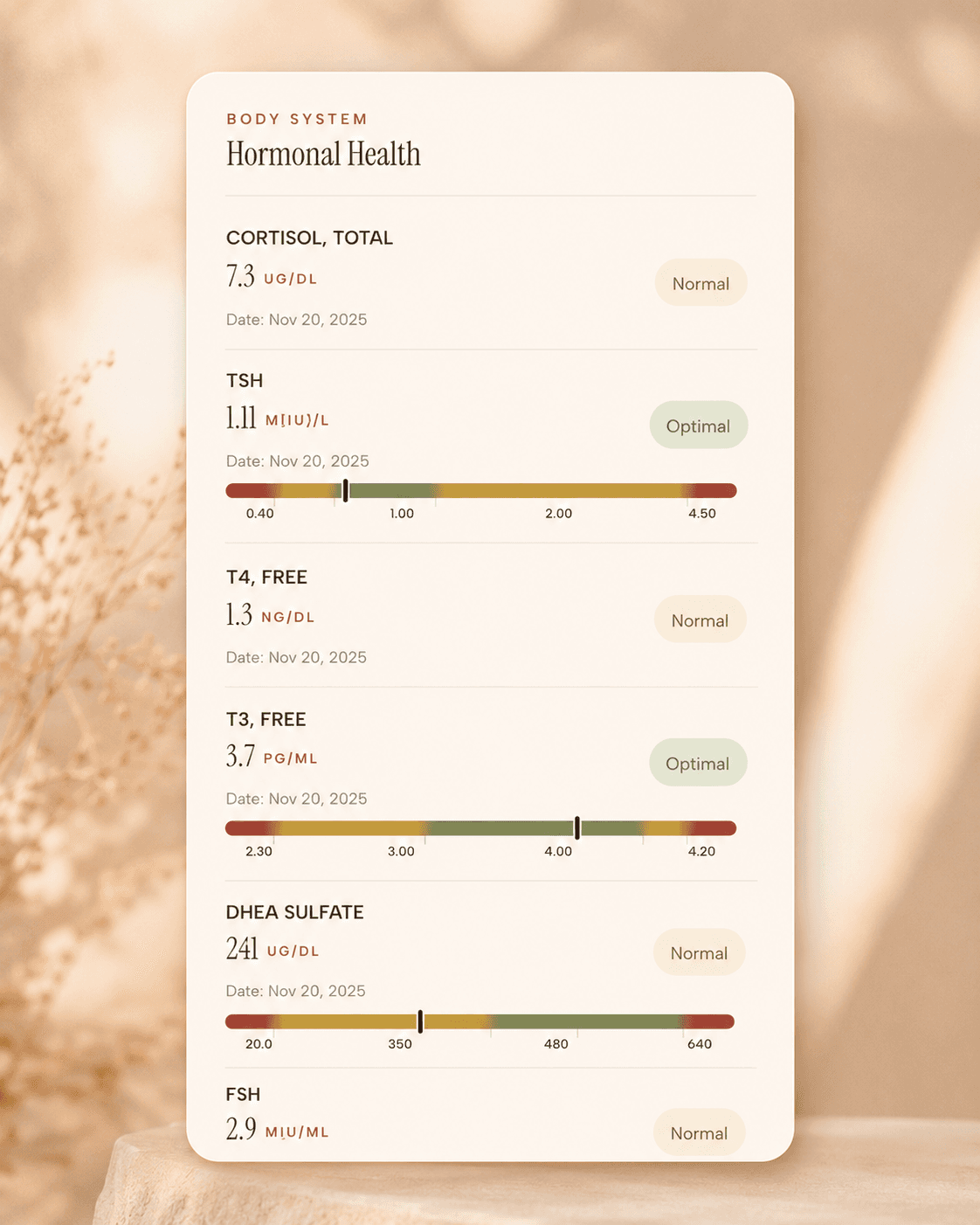
Cortisol, Total
Cortisol is the primary stress hormone that regulates metabolism, immune function, and blood pressure. In functional medicine, cortisol assessment is crucial for understanding stress response and its impact on overall health. Chronic elevation suppresses testosterone production and immune function, while low cortisol indicates adrenal insufficiency. Optimal cortisol rhythm supports energy, mood stability, and hormone balance. Cortisol orchestrates the body's stress response and daily energy rhythms. Balanced cor…
Learn moreGlucose
Fasting glucose is a fundamental marker of glucose metabolism and insulin function. In functional medicine, we recognize that even 'normal' glucose levels in the upper range may indicate early insulin resistance. Optimal fasting glucose reflects efficient glucose regulation and insulin sensitivity. Elevated fasting glucose suggests the body's inability to maintain normal glucose levels overnight, indicating hepatic insulin resistance or insufficient insulin production. This marker is essential for early detectio…
Learn moreInsulin
Insulin is a master metabolic hormone that regulates glucose uptake, fat storage, and numerous cellular processes. In functional medicine, fasting insulin levels are one of the earliest and most sensitive markers of metabolic dysfunction. Elevated insulin (hyperinsulinemia) often precedes diabetes by years or decades and is central to metabolic syndrome. High insulin levels promote fat storage, inflammation, and contribute to numerous chronic diseases including cardiovascular disease, PCOS, and certain cancers.…
Learn moreLab testing
Get TSH, ferritin, and vitamin D tested at Quest
starting from $99 panel with 100+ tests, one visit
No referral needed
About 1 week
Schedule online — results typically within a week
Clear next steps
Guidance included, with follow-up care available
HSA / FSA
Eligible for pre-tax health spending accounts
Pro Tips
Run a 14-day “wake-up audit”: write down your wake time, what woke you (light, noise, urge to pee, worry, hunger), and how long you stayed awake. Patterns show up faster than you expect.
If you wake at 4–6 a.m., do not check the time on your phone. Turn the clock face away and keep your phone out of reach, because time-checking trains your brain to start problem-solving.
Try a “dawn-proof” setup for one week: blackout curtains, a sleep mask, and a small piece of tape over any tiny LED lights. If your sleep improves, you just found a major lever.
If you suspect apnea, record a 30–60 second audio clip of your snoring or gasping (or ask a partner). Bringing that concrete evidence to a clinician often speeds up getting a sleep study.
If hunger wakes you, experiment with a small, boring bedtime snack that includes protein and fiber, like plain Greek yogurt or a few nuts. Keep it consistent for 5 nights so you can tell if it truly changes your wake-ups.
Frequently Asked Questions
Why do I wake up at 4 a.m. and can’t go back to sleep?
Waking at 4 a.m. is often a mix of lighter late-night sleep plus a trigger that flips you fully awake, such as dawn light, stress hormones rising, or sleep apnea arousals. If you’re waking with a racing heart, sweating, or gasping, that points more toward adrenaline or breathing disruptions than “just insomnia.” Try making the room completely dark and cool for a week, and consider screening for apnea if snoring is part of the picture.
Is early morning waking a sign of depression or anxiety?
It can be, but it is not specific. Depression is classically linked with early-morning awakening, while anxiety often shows up as waking with alert thoughts and body tension, but the same pattern can also come from circadian timing or sleep apnea. If low mood, loss of interest, or persistent worry has been present most days for 2+ weeks, treat that as a real health signal and bring it up with your clinician. You can still use sleep strategies in parallel, because better sleep makes mental health treatment work better.
Can sleep apnea cause early morning insomnia?
Yes. Apnea-related arousals often increase in the early morning because REM sleep is more common then, and REM makes airway collapse more likely. You might not remember waking, but you can feel unrefreshed, get morning headaches, or wake with dry mouth. If you snore loudly or someone has seen you stop breathing, ask for a sleep study rather than assuming this is “stress.”
What blood tests are worth checking for morning sleep problems?
A practical starting trio is TSH for thyroid-driven “wired” sleep, ferritin for low iron that can fragment sleep (especially with restless legs), and 25-hydroxy vitamin D for overall sleep quality support. For many people with sleep symptoms, ferritin above about 50–75 ng/mL is a more useful target than the bare minimum normal. If your symptoms include palpitations, heat intolerance, or unexplained weight change, prioritize thyroid testing first.
What should I do in the moment when I wake too early?
If you’ve been awake about 20 minutes, get out of bed and do something boring in dim light, like reading a paper book, until you feel sleepy again. Staying in bed awake teaches your brain that morning is thinking time, which makes the pattern stick. Keep the lights low and avoid your phone, then return to bed when your eyelids feel heavy. If this happens most nights for more than 3 months, consider a structured CBT-I program because it’s designed for exactly this loop.