Why You’re Getting Night Sweats in Your 40s
Night sweats in your 40s often come from perimenopause, sleep apnea, or thyroid overactivity. Targeted labs available at Quest—no referral needed.





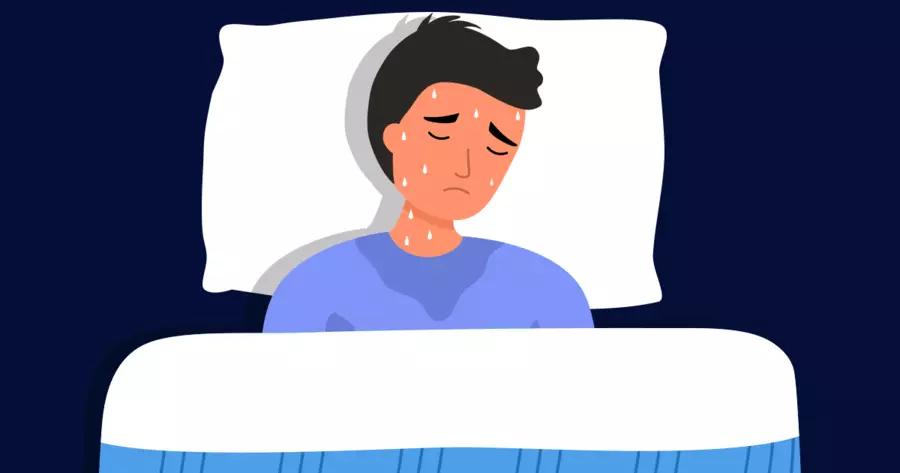
Night sweats in your 40s are most often caused by hormone shifts in perimenopause, sleep problems like obstructive sleep apnea, or an “over-revved” thyroid. Less commonly, they can be tied to infections or blood cancers, especially when you also have fevers, unexplained weight loss, or swollen lymph nodes. A few targeted labs can help you sort out which bucket you’re in. Waking up damp is annoying. Waking up drenched and changing the sheets at 2 a.m. can feel scary, because your brain immediately jumps to worst-case scenarios. The truth is that night sweats are a symptom with a wide range, from “your brain’s thermostat is twitchy right now” to “you need a real medical workup.” This guide walks you through the most common causes in your 40s, what tends to help quickly, and which blood tests are most useful. If you want help matching your exact pattern to the most likely causes, PocketMD can talk it through with you, and Vitals Vault labs can help confirm what’s going on.
Why you’re getting night sweats in your 40s
Perimenopause hot flashes at night
In your 40s, estrogen can swing up and down before it steadily declines, and that can make your brain’s temperature control center (hypothalamus) overreact. You may fall asleep fine, then wake up suddenly hot, sweaty, and wide awake, even if the room is cool. The clue is often timing: episodes cluster around parts of your cycle, or your periods become irregular, lighter, heavier, or more unpredictable. If this sounds like you, tracking sweats alongside cycle changes for two weeks can make the pattern obvious and helps your clinician choose the right next step.
Sleep apnea and adrenaline surges
With obstructive sleep apnea, your airway narrows during sleep, your oxygen dips, and your body jolts you with stress hormones to reopen the airway. That “mini panic” can trigger sweating, a racing heart, and a soaked shirt, even if you do not remember waking up. People often notice loud snoring, morning headaches, dry mouth, or feeling unrefreshed despite enough hours in bed. If your sweats happen on nights you sleep on your back or after alcohol, that is another hint to ask about a sleep study.
Overactive thyroid (hyperthyroidism)
When your thyroid is running fast, your metabolism runs hot, which means you generate more heat all day and sweat more at night. Night sweats from thyroid overactivity often come with daytime clues like heat intolerance, shakiness, frequent bowel movements, or a resting heart rate that feels higher than your normal. The takeaway is simple: a TSH blood test is a quick way to rule this in or out, and treating the thyroid problem usually improves the sweating rather than just masking it.
Low testosterone in men
In men, testosterone helps stabilize temperature regulation and sleep architecture, so when levels drop, you can get more fragmented sleep and more sweating during arousals. You might also notice lower libido, fewer morning erections, reduced exercise recovery, or mood changes that feel like you are “not yourself.” This is worth checking if your night sweats are new and persistent, especially if you have gained abdominal weight or your sleep has worsened. A morning testosterone test is most informative when it is drawn early, because levels naturally fall later in the day.
Infection or blood cancer warning signs
Sometimes night sweats are part of a whole-body inflammatory response, which can happen with infections like tuberculosis or endocarditis, and with blood cancers such as lymphoma. The pattern that raises concern is drenching sweats paired with fevers, unexplained weight loss, persistent fatigue, or new, firm swollen lymph nodes that do not go away. If you have those features, or if your sweats are intense and new without an obvious trigger, it is worth getting seen promptly rather than trying to “sleep it off.” A basic blood count and an inflammation marker can be a useful first screen while you arrange follow-up.
What actually helps you stop waking up drenched
Treat the hot-flash pathway
If your night sweats feel like sudden heat waves with a rapid sweat burst, treating them like hot flashes often works best. Hormone therapy can be very effective for perimenopause when it is appropriate for your health history, and non-hormonal options like certain SSRIs/SNRIs or gabapentin can also reduce episodes. The practical move is to bring a clear description to your clinician: how often, how intense, and whether you also wake up with a pounding heart. That detail helps you avoid trial-and-error and get to a targeted plan faster.
Address sleep apnea, not just sweating
When sleep apnea is the driver, cooling tricks help only a little because the real trigger is repeated oxygen drops and stress-hormone spikes. CPAP, an oral appliance, or positional therapy can reduce the arousals that set off sweating, and many people notice improvement within days to weeks once treatment is consistent. If you suspect apnea, start with a simple home clue: record yourself sleeping for 30–60 minutes and listen for loud snoring, choking sounds, or long pauses. Then ask directly about a sleep study, because treating apnea also lowers blood pressure and cardiovascular risk.
Dial in your bedroom microclimate
Night sweats are easier to tolerate when your body can dump heat quickly without trapping moisture against your skin. Set the room cooler than you think you need, use a fan aimed across the bed, and switch to breathable layers so you can peel off a damp top without fully waking up. If you are soaking the sheets, a waterproof-but-breathable mattress protector can save your mattress and reduce the stress of “ruining the bed.” This is not a cure, but it can buy you sleep while you work on the cause.
Cut the common nighttime triggers
Alcohol is a big one because it initially sedates you but later fragments sleep and widens blood vessels, which can trigger sweating in the second half of the night. Spicy food and late heavy meals can do something similar by raising core temperature and increasing reflux, which can wake you and set off a sweat response. Try a two-week experiment where you keep alcohol to earlier in the evening or skip it entirely, and finish dinner at least three hours before bed. If your sweats drop sharply, you have a clear lever you can control.
Know when to escalate quickly
If you are having drenching sweats plus fevers, chest pain, shortness of breath, fainting, or confusion, you should not wait for a routine appointment. Those symptoms can signal infection, heart rhythm problems, or other issues that need same-day evaluation. If the main issue is “just” sweating but it has persisted most nights for more than two to three weeks, schedule a visit and bring a short symptom log so you do not have to rely on memory. The goal is to move from worry to a plan.
Useful biomarkers to discuss with your clinician
TSH
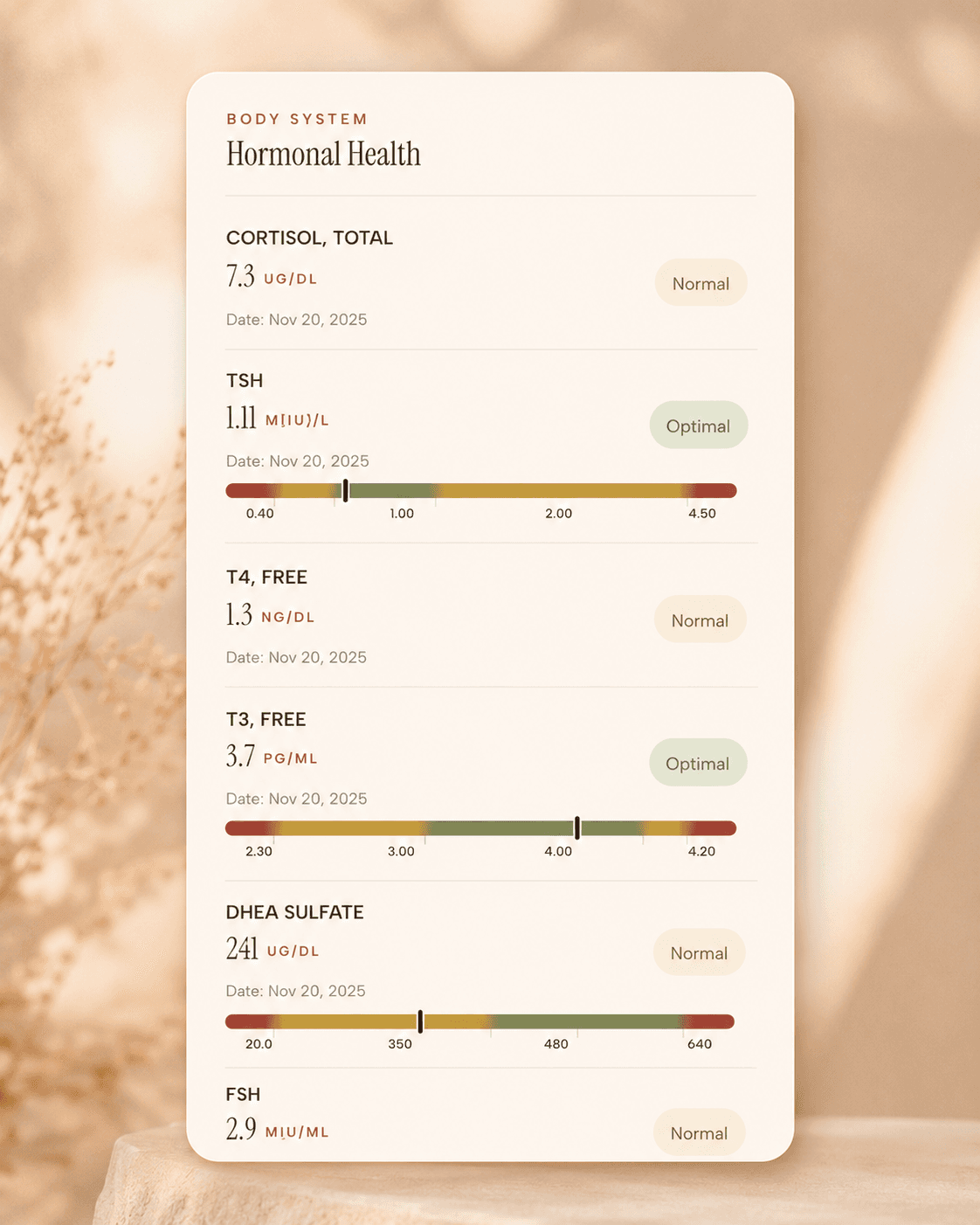
TSH is the master regulator of thyroid function, controlling the production of thyroid hormones T4 and T3. In functional medicine, we use narrower TSH ranges than conventional medicine to identify subclinical thyroid dysfunction early. Even mildly elevated TSH can indicate thyroid insufficiency, leading to fatigue, weight gain, depression, and metabolic dysfunction. TSH levels are influenced by stress, nutrient deficiencies, autoimmune conditions, and environmental toxins. Optimal TSH supports energy, metabolism…
Learn moreEstradiol
Estradiol in men is produced from testosterone via aromatase enzyme. In functional medicine, we recognize that men need optimal estradiol levels for bone health, cognitive function, and cardiovascular protection. However, excessive estradiol can suppress testosterone production and cause feminizing effects. The testosterone-to-estradiol ratio is crucial for male health, with optimal balance supporting vitality while preventing estrogen dominance. Balanced estradiol levels in men support bone health and cognitive…
Learn moreTestosterone, Total, Ms
Total testosterone is the primary male sex hormone responsible for muscle mass, bone density, libido, energy levels, and cognitive function. In functional medicine, we recognize testosterone as a key marker of vitality and aging. Low testosterone (hypogonadism) affects up to 40% of men over 45 and is linked to metabolic syndrome, cardiovascular disease, depression, and reduced quality of life. Optimal testosterone levels support healthy body composition, sexual function, motivation, and overall masculine vitalit…
Learn moreLab testing
Check thyroid, inflammation, and perimenopause hormones at Quest
starting from $99 panel with 100+ tests, one visit
No referral needed
About 1 week
Schedule online — results typically within a week
Clear next steps
Guidance included, with follow-up care available
HSA / FSA
Eligible for pre-tax health spending accounts
Pro Tips
Do a 14-night “pattern check”: write down what time you woke up sweating, whether it was damp or drenching, and what happened in the three hours before bed (alcohol, late meal, stressful work, new supplement). Patterns show up faster than you expect.
If you suspect hot flashes, keep a spare dry T-shirt and a thin towel within arm’s reach, so you can change quickly without turning on bright lights. The less you fully wake up, the easier it is to fall back asleep.
Try a one-week positional experiment for possible sleep apnea: sleep on your side with a pillow behind your back or a positional device, and see if sweating and morning headaches improve. A strong response is a useful clue to bring to your doctor.
If you are waking soaked, weigh yourself in the morning for a few days and notice if you are down a pound after a sweaty night. That is mostly fluid loss, which means you should replace it the next day with water plus electrolytes, not just coffee.
If you are in your 40s with irregular periods, ask about checking FSH and estradiol on a day your clinician recommends, and bring your symptom log. The combination of timing plus labs is much more helpful than either one alone.
Frequently Asked Questions
Are night sweats in your 40s usually perimenopause?
Often, yes—especially if your periods are changing and the sweating feels like sudden heat waves that wake you up. Perimenopause can make your brain’s thermostat more sensitive, so small triggers like a warm room or alcohol can set off a sweat burst. If you are unsure, tracking symptoms alongside your cycle and checking FSH and estradiol can help clarify the picture. Bring that log to a visit so you can discuss targeted treatment.
When should I worry that night sweats are lymphoma?
Night sweats alone are rarely lymphoma, but drenching sweats plus unexplained weight loss, persistent fevers, or new swollen lymph nodes that do not go away deserve prompt evaluation. A CBC can be a useful first step, but imaging or specialist follow-up may be needed if red flags are present. If you can feel a firm node in your neck, armpit, or groin that persists for more than two to three weeks, do not ignore it. Schedule an appointment and mention the combination of symptoms clearly.
Can sleep apnea cause night sweats even if I don’t snore?
Yes. Snoring is common, but some people mainly have breathing pauses, restless sleep, and stress-hormone surges that trigger sweating. Clues include waking with a racing heart, morning headaches, dry mouth, or feeling exhausted despite enough time in bed. If you are unsure, ask about a home sleep test, because treating apnea can improve sweating and protect your heart. A short audio recording of your sleep can also provide helpful hints.
What blood tests are best for night sweats in your 40s?
Three high-yield tests are TSH with free T4 (to check for thyroid overactivity), a CBC (to screen for infection or blood-count abnormalities), and FSH with estradiol (to support or refute a perimenopause pattern). “Best” depends on your story, so the most useful approach is matching labs to your symptoms rather than ordering everything. If your sweats are drenching or persistent, do not rely on guesswork—get a focused set of labs and follow up on abnormal results.
Why do I wake up at 3 a.m. sweating?
That timing often reflects a second-half-of-the-night shift in sleep stages, plus a natural rise in stress hormones toward morning, which can amplify hot flashes or sleep apnea arousals. Alcohol can make this worse because it fragments sleep later in the night even if it helped you fall asleep. Try moving alcohol earlier or skipping it for two weeks, and keep the bedroom cooler to reduce the heat load. If the 3 a.m. pattern persists with gasping, palpitations, or severe insomnia, ask about sleep apnea and thyroid testing.
What the research says
North American Menopause Society position statement on hormone therapy (benefits, risks, and symptom relief)
AASM clinical practice guideline for PAP therapy in obstructive sleep apnea (treating the root cause of sleep-related sweating)
NICE guideline on suspected cancer recognition and referral (includes red-flag patterns like persistent night sweats with systemic symptoms)