Why You Get Night Sweats After Eating
Night sweats after eating often come from blood sugar dips, hormone shifts, or reflux-triggered stress signals. Targeted labs available—no referral needed.





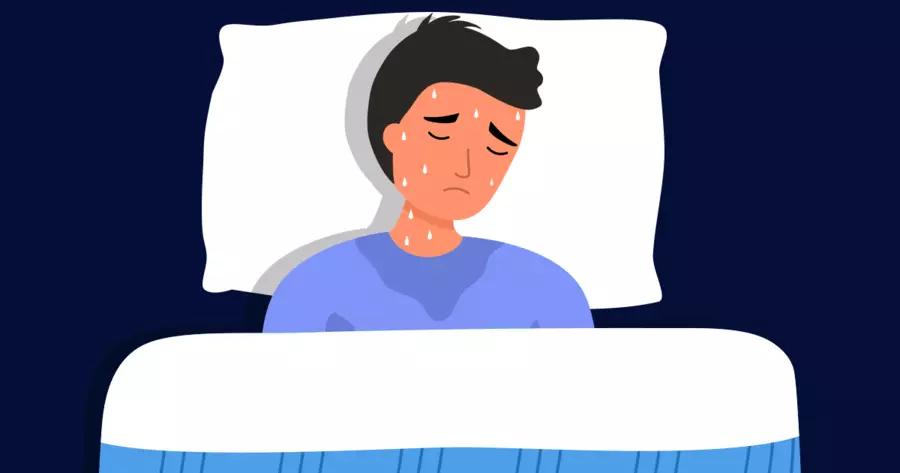
Night sweats after eating usually happen because your body is reacting to the meal, not because you are “randomly overheating.” The most common drivers are a blood sugar swing a few hours later, a hormone shift that makes your brain’s thermostat extra sensitive, or reflux that triggers a stress response while you sleep. A few targeted labs can help sort out which one fits your pattern. This symptom is especially frustrating because it messes with your sleep and it can also spark scary thoughts about infections or cancer. Most of the time, the timing around meals points to something more “metabolic” or “hormonal” than mysterious. In this guide, you will learn the most likely causes, what you can try at home this week, and which tests are most useful if you want a clearer answer. If you are stuck between a few possibilities, PocketMD can help you think through your timing, triggers, and next best step, and Vitals Vault labs can help you confirm what your body is doing.
Why You Get Night Sweats After Eating
Blood sugar drops overnight
If you eat a carb-heavy dinner or drink alcohol with food, your blood sugar can rise and then fall a few hours later while you are asleep. When it dips too low, your body releases adrenaline and cortisol to rescue you, which can feel like waking up hot, shaky, or drenched. A useful clue is timing: sweats that hit around 2–4 a.m. after a late dinner are often a “blood sugar swing” problem, so experimenting with a smaller carb portion and more protein at dinner can be a meaningful first test.
Menopause or perimenopause hot flashes
Falling estrogen during the menopause transition makes your brain’s temperature control center (hypothalamus) more jumpy, so small changes trigger a heat dump and sweating. Eating can be the spark because digestion raises your internal heat a bit, and spicy foods or wine can push you over your personal threshold. If your periods are changing or you are also getting daytime hot flashes, treat this as a hormone pattern rather than a “food allergy,” and consider tracking cycle timing alongside meal timing.
Low testosterone in men
Testosterone helps stabilize sleep and temperature regulation, and when it is low, you can get night sweats that feel similar to hot flashes. Meals do not directly “cause” low testosterone, but eating late can fragment sleep, and that makes sweating episodes more noticeable and more frequent. If you also have lower libido, fewer morning erections, or unexplained fatigue, it is worth checking a morning testosterone level instead of assuming it is just your dinner.
Reflux triggering a stress response
Acid reflux (GERD) often worsens after a larger or later meal, especially if you lie down soon after. Even when you do not feel classic heartburn, reflux can irritate your throat and airways and trigger a mini “fight-or-flight” surge that wakes you up sweaty and restless. A practical takeaway is to test the position-and-timing theory: finish dinner at least 3 hours before bed and try elevating the head of your bed for a week to see if the sweating eases.
Infection or inflammation unmasked at night
True night sweats can also happen when your immune system is revved up, and you often notice them more after eating because you are warm, still, and trying to sleep. This is less about the meal and more about your body’s nighttime temperature rhythm, which can amplify fevers and inflammatory signals. If you have persistent fevers, unintentional weight loss, swollen lymph nodes, or drenching sweats for weeks with no clear meal pattern, that is the moment to get evaluated promptly rather than trying to “diet” your way out of it.
What Helps When Meals Trigger Sweats
Shift dinner earlier and lighter
Late, heavy meals keep your metabolism running hot and they also increase the chance of reflux and sleep disruption. Try moving your last full meal to at least 3 hours before bed, and keep it smaller than lunch for one week. If your sweats improve quickly, you have learned something important about timing even before you run any tests.
Build a steadier bedtime glucose curve
If you suspect a blood sugar dip, aim for a dinner that is protein-forward with fiber and healthy fat, because that slows glucose spikes and crashes. Some people do better with a small, balanced snack 30–60 minutes before bed, but only if it is not sugary and it does not worsen reflux. The goal is not “more food,” it is fewer sharp swings, so keep the experiment consistent for several nights and note what changes.
Cool the sleep environment strategically
When your brain’s thermostat is sensitive, tiny changes matter, so you want to remove the “heat amplifiers” you can control. Set your room cooler than you think you need, use breathable bedding, and keep a spare dry shirt within reach so you can change quickly without fully waking up. This does not fix the root cause, but it can prevent one sweaty wake-up from turning into a ruined night.
Try reflux-focused habits first
If your sweats follow spicy, fatty, or late meals, treat reflux as a leading suspect even if you rarely feel burning. Avoid lying flat after dinner, consider a wedge pillow or bed risers, and skip peppermint and alcohol in the evening because they relax the valve at the top of your stomach. If you see a clear pattern, bring it to your clinician because targeted reflux treatment can be life-changing for sleep.
Know when to escalate quickly
Night sweats that are new, drenching, and persistent deserve more than trial-and-error, especially if you also have fever, shortness of breath, chest pain, or unexplained weight loss. In that situation, your next step is not another supplement or diet tweak—it is a medical evaluation and basic labs to look for infection, inflammation, thyroid disease, or blood disorders. You will sleep better once you stop guessing.
Useful biomarkers to discuss with your clinician
Glucose
Fasting glucose is a fundamental marker of glucose metabolism and insulin function. In functional medicine, we recognize that even 'normal' glucose levels in the upper range may indicate early insulin resistance. Optimal fasting glucose reflects efficient glucose regulation and insulin sensitivity. Elevated fasting glucose suggests the body's inability to maintain normal glucose levels overnight, indicating hepatic insulin resistance or insufficient insulin production. This marker is essential for early detectio…
Learn moreTestosterone, Total, Ms
Total testosterone is the primary male sex hormone responsible for muscle mass, bone density, libido, energy levels, and cognitive function. In functional medicine, we recognize testosterone as a key marker of vitality and aging. Low testosterone (hypogonadism) affects up to 40% of men over 45 and is linked to metabolic syndrome, cardiovascular disease, depression, and reduced quality of life. Optimal testosterone levels support healthy body composition, sexual function, motivation, and overall masculine vitalit…
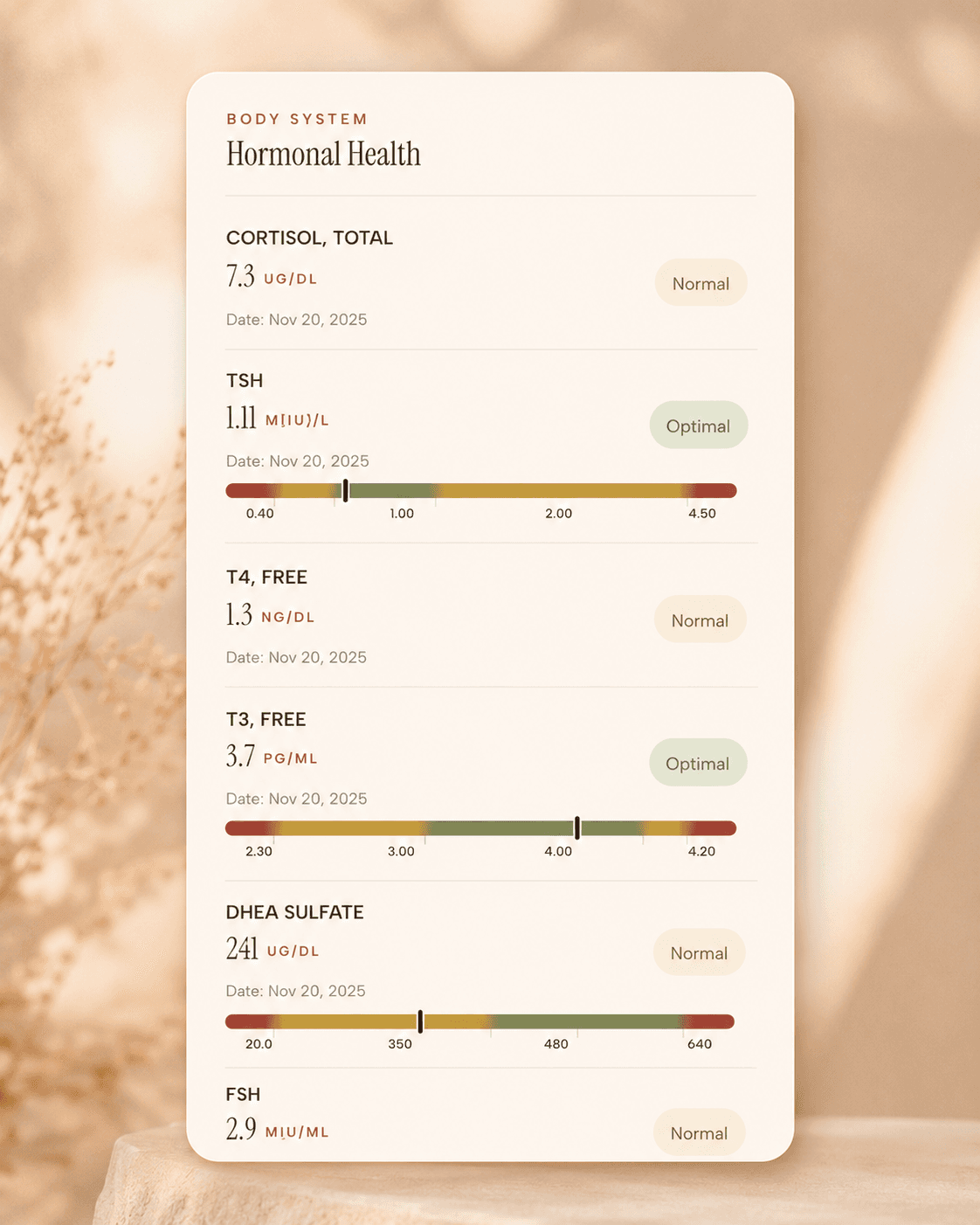
Learn moreCortisol, Total
Cortisol is the primary stress hormone that regulates metabolism, immune function, and blood pressure. In functional medicine, cortisol assessment is crucial for understanding stress response and its impact on overall health. Chronic elevation suppresses testosterone production and immune function, while low cortisol indicates adrenal insufficiency. Optimal cortisol rhythm supports energy, mood stability, and hormone balance. Cortisol orchestrates the body's stress response and daily energy rhythms. Balanced cor…
Learn moreLab testing
Check glucose control, thyroid, and inflammation at Quest
starting from $99 panel with 100+ tests, one visit
No referral needed
About 1 week
Schedule online — results typically within a week
Clear next steps
Guidance included, with follow-up care available
HSA / FSA
Eligible for pre-tax health spending accounts
Pro Tips
Run a 10-night experiment: keep dinner the same time each night, then change only one variable (like alcohol, spice, or dessert) so you can actually trust the pattern you see.
If you wake sweaty, check for “adrenaline clues” before you fall back asleep. A racing heart, shakiness, or intense hunger points more toward a blood sugar dip than a simple warm room.
Try the “3-2-1 reflux rule” for one week: finish dinner 3 hours before bed, stop liquids 2 hours before bed if you wake to pee, and avoid lying flat for the last 1 hour of the evening.
Keep a spare T-shirt and a towel by the bed and change quickly without turning on bright lights. The faster you cool down, the less likely your brain is to fully wake up and lock in insomnia.
If your sweats cluster after very salty or very large meals, weigh yourself before bed and again in the morning for a few days. Big overnight swings can hint at fluid shifts and sleep disruption that are worth discussing, especially if you also snore.
Frequently Asked Questions
Can eating sugar cause night sweats?
Yes, especially if a sugary dinner or dessert leads to a big rise in blood sugar and then a drop a few hours later. That drop can trigger adrenaline, which makes you wake up sweaty with a pounding heart or shaky feeling. If this fits you, try a protein-and-fiber dinner for several nights and consider checking HbA1c to see if glucose swings are more likely.
Why do I sweat at night after spicy food?
Spicy foods can trigger a heat-and-sweat response through nerve signals that affect your sweat glands, and they can also worsen reflux after you lie down. The combination can wake you up feeling overheated and restless even if you do not notice heartburn. A simple test is to avoid spicy dinners for a week and keep dinner at least 3 hours before bed.
Are night sweats after eating a sign of diabetes?
They can be related, but it is not as simple as “sweats mean diabetes.” Some people get night sweats from reactive hypoglycemia, where blood sugar drops after a high-carb meal, and that can happen in early insulin resistance. Checking HbA1c is a practical starting point, and if symptoms are frequent, ask about home glucose monitoring or a continuous glucose monitor.
Can GERD cause night sweats without heartburn?
Yes. Reflux can irritate your throat and trigger a stress response that wakes you up sweaty, even when you do not feel classic burning pain. If your sweats are worse after late meals, alcohol, or lying flat, treat reflux as a strong possibility and try earlier dinners plus head-of-bed elevation. If that helps, bring the pattern to your clinician for targeted treatment.
When should I worry that night sweats are something serious?
Worry less about a single sweaty night and more about a persistent pattern that is drenching and unexplained. If you also have fever, unintentional weight loss, swollen lymph nodes, or night sweats that continue for weeks regardless of what you eat, get evaluated promptly. Asking for basics like CRP and thyroid testing can help you move from anxiety to a clear plan.
Research worth knowing about
North American Menopause Society position statement on hormone therapy and vasomotor symptoms (hot flashes/night sweats)
ACG Clinical Guideline: Diagnosis and Management of GERD (reflux can disrupt sleep and trigger nocturnal symptoms)
ADA Standards of Care in Diabetes—glycemic targets and use of A1c to assess glucose patterns