Mental Fatigue in Women: Why Your Brain Feels “Done”
Mental fatigue in women often comes from sleep debt, iron deficiency, or thyroid slowdown, and targeted labs can pinpoint your driver—no referral needed.





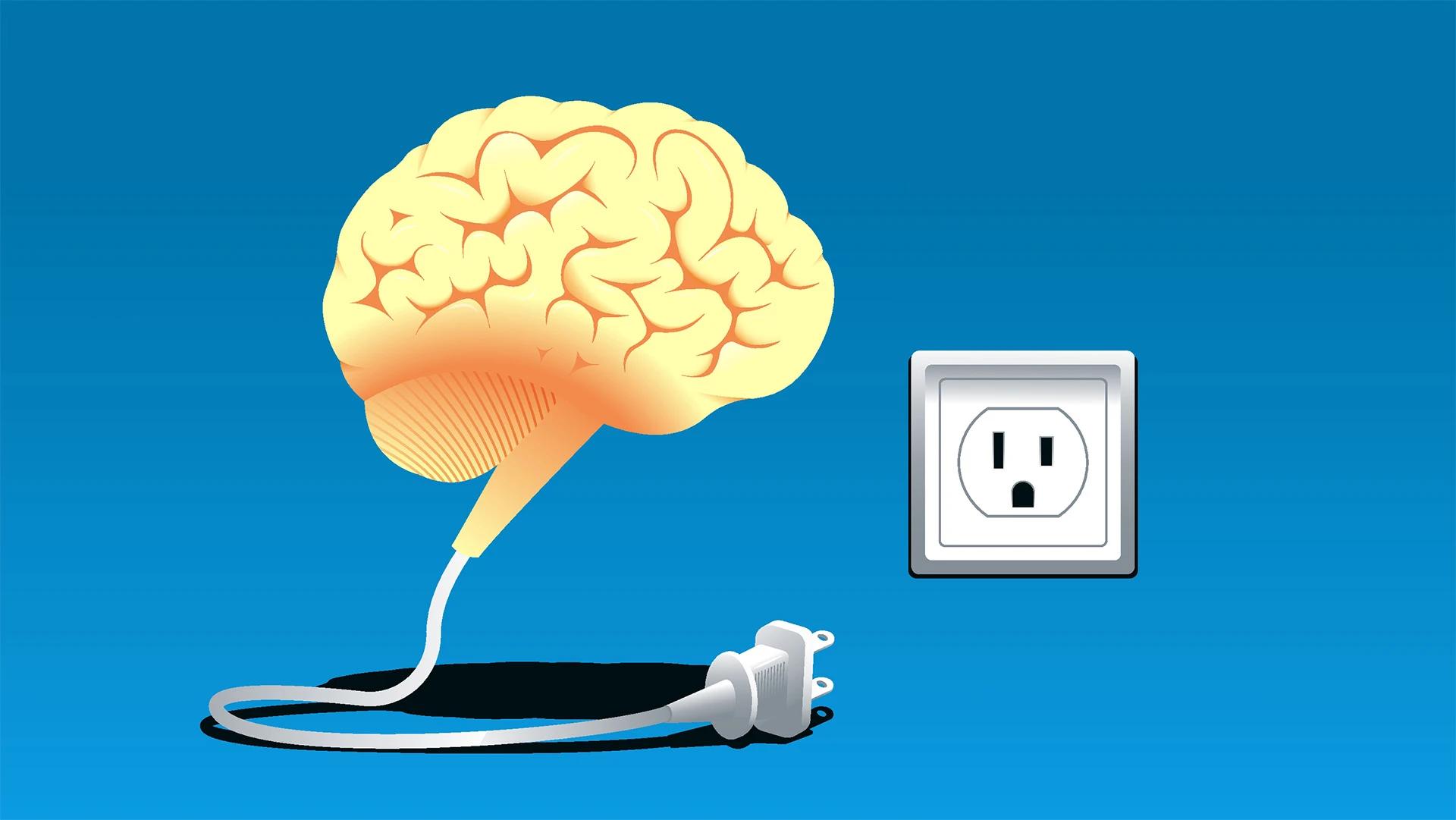
Mental fatigue in women is usually your brain running on a low battery because you are under-sleeping, running low on iron, or dealing with a thyroid slowdown that quietly drags down focus and motivation. Hormone shifts, chronic stress, and nonstop decision-making can amplify all of that until even “easy” tasks feel heavy. The good news is that a few targeted labs can often show which driver is most likely in your case. Mental fatigue is not the same as being lazy or “not trying hard enough.” It is a real, body-based state where attention, working memory, and emotional bandwidth drop because your system is trying to protect itself. For a lot of women, the pattern is complicated by caregiving, high cognitive load at work, and sleep that looks long enough on paper but is fragmented or low quality. This guide walks you through the most common causes, what tends to help in the real world, and how tools like PocketMD and Vitals Vault labs can help you stop guessing and start targeting the right fix.
Why mental fatigue hits so hard
Sleep that isn’t restorative
You can spend eight hours in bed and still wake up mentally drained if your sleep is fragmented, too light, or shifted late. When deep sleep is short, your brain does less “overnight cleanup,” which can feel like slower thinking, low frustration tolerance, and a shorter attention span the next day. If you snore, wake with a dry mouth, or feel sleepy while driving, it is worth asking about sleep apnea because it is common and treatable.
Low iron stores without anemia
Iron is not just about hemoglobin; it also supports brain energy and neurotransmitters, which means low iron stores can show up as brain fog before your blood count looks “anemic.” This often feels like you cannot hold thoughts in your head, you reread the same paragraph, and your motivation drops. If your periods are heavy, you are postpartum, or you follow a low-meat diet, ferritin testing is one of the highest-yield next steps.
Thyroid slowdown (hypothyroidism)
When your thyroid runs low, your whole system downshifts, including the speed at which your brain processes information. You might notice forgetfulness, a flat mood, and that you need more effort to do normal tasks, especially in the morning. A key clue is that mental fatigue comes with physical signs like feeling cold, constipation, dry skin, or unexplained weight gain, which is why checking TSH can be so clarifying.
Chronic stress and burnout biology
Long-term stress keeps your threat system switched on, and over time that can blunt focus, creativity, and emotional range. It is not just “in your head”; stress hormones and inflammatory signals can make your brain prioritize survival and scanning for problems over deep work. If your mental fatigue improves on weekends but crashes on Sunday night, that pattern often points to workload design and recovery gaps rather than a single nutrient problem.
Hormone shifts across your cycle
Estrogen and progesterone influence sleep quality, temperature regulation, and how your brain uses serotonin and dopamine, which means mental fatigue can spike in predictable windows. Many women feel a dip in focus and mental stamina in the late luteal phase (the week before your period), especially if PMS symptoms are strong. Tracking your fatigue level for two cycles can help you see whether timing is a major driver, which changes what “treatment” should look like.
What actually helps you recover
Do a 7-day sleep reset
Pick one consistent wake time for a week and protect it like an appointment, because your brain clock anchors on wake time more than bedtime. Then build a 30–60 minute wind-down that is boring on purpose, such as dim lights and a paper book, so your nervous system gets the message that the day is over. If you wake at 3 a.m. with a racing mind, get out of bed briefly and do something quiet until you feel sleepy again, because tossing and turning trains your brain to stay alert in bed.
Reduce decision load on purpose
Mental fatigue often improves when you stop spending your best brain hours on tiny choices. Try a “default morning” for one week, such as the same breakfast and the same first work block, so your attention is saved for what matters. If you are a caregiver, even one pre-made checklist for recurring tasks can cut the invisible mental overhead that drains you by noon.
Use caffeine like a tool
Caffeine can help, but timing matters more than amount when you are mentally fatigued. If you drink it within the first 60–90 minutes after waking, you may get a bigger afternoon crash because you are fighting your natural morning sleepiness signal. A practical experiment is to delay your first caffeine until mid-morning and stop by early afternoon, then see whether your focus improves without worsening sleep.
Treat low iron if labs support it
If ferritin is low, food alone can take months to refill iron stores, especially if you are losing blood each month. Iron supplements can help, but they work best when the dose and schedule fit your stomach and your lab values, and they should be rechecked so you know you are actually repleting. If you have very heavy periods, addressing the bleeding is part of the solution, otherwise you are bailing water without fixing the leak.
Build “recovery blocks,” not vacations
Your brain recovers from cognitive overload in small, frequent doses, not only on rare days off. A recovery block can be a 10-minute walk without podcasts, a short nap, or a quiet sit where you let your mind wander, because that is when your brain’s default mode network does important processing. If you schedule two recovery blocks per day for two weeks, you often notice your creativity and emotional patience return before your workload changes.
Lab tests that help explain mental fatigue in women
Ferritin
Ferritin is your body's iron storage protein, reflecting total iron stores in the body. In functional medicine, ferritin assessment is crucial for identifying both iron deficiency and iron overload, conditions that can significantly impact energy levels and overall health. Low ferritin is the earliest sign of iron deficiency, often occurring before anemia develops. This can cause fatigue, weakness, restless leg syndrome, and cognitive impairment. Conversely, elevated ferritin may indicate iron overload, inflamma…
Learn moreTSH
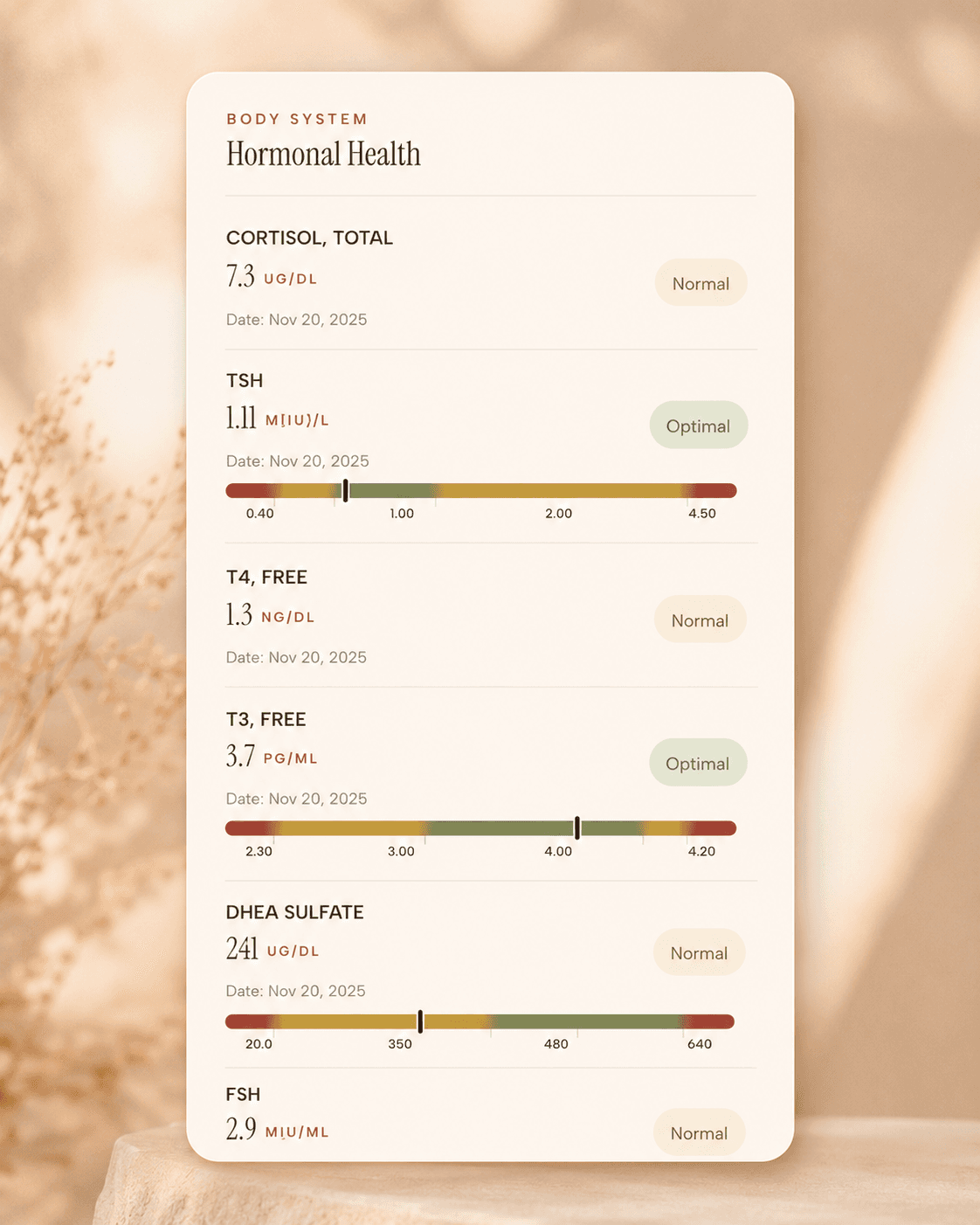
TSH is the master regulator of thyroid function, controlling the production of thyroid hormones T4 and T3. In functional medicine, we use narrower TSH ranges than conventional medicine to identify subclinical thyroid dysfunction early. Even mildly elevated TSH can indicate thyroid insufficiency, leading to fatigue, weight gain, depression, and metabolic dysfunction. TSH levels are influenced by stress, nutrient deficiencies, autoimmune conditions, and environmental toxins. Optimal TSH supports energy, metabolism…
Learn moreIron Binding Capacity
TIBC helps distinguish between different causes of abnormal iron levels. High TIBC indicates iron deficiency (the body increases transferrin to capture more iron), while low TIBC suggests iron overload or chronic disease. It's essential for accurate iron status assessment. Total Iron Binding Capacity (TIBC) measures the blood's capacity to bind iron with transferrin, the main iron transport protein. It indirectly reflects transferrin levels and iron status.
Learn moreLab testing
Check ferritin, TSH, and vitamin B12 at Quest
starting from $99 panel with 100+ tests, one visit
No referral needed
About 1 week
Schedule online — results typically within a week
Clear next steps
Guidance included, with follow-up care available
HSA / FSA
Eligible for pre-tax health spending accounts
Pro Tips
Try a “mental fatigue audit” for three days: write down what time your brain starts to fade, what you were doing for the hour before, and whether you had eaten. Patterns like “crash after back-to-back meetings” or “fog before lunch” usually show up fast.
If your fatigue feels worst right after your period starts, ask yourself whether your bleeding is heavy enough to soak through a pad or tampon in under two hours. That is a strong hint that iron loss could be part of the story, and ferritin is worth checking.
Use a two-tab rule for focus: keep only the work tab and one reference tab open for 25 minutes, then take a 5-minute break. It sounds simple, but reducing context-switching often improves mental stamina within a week.
If you wake up tired, do a quick “sleep quality screen” before blaming yourself: snoring, morning headaches, and waking up gasping are not normal stress symptoms. They are reasons to talk to a clinician about sleep apnea testing.
When you feel emotionally numb along with mental fatigue, schedule one small pleasurable activity that is not productive, like a 15-minute walk in daylight or a short creative hobby. Pleasure is a nervous-system signal, and rebuilding it can be part of recovery.
Frequently Asked Questions
Why am I mentally exhausted but not physically tired?
That pattern often happens when your brain is overloaded by attention switching, decision-making, or stress, even if your muscles are not doing much. It can also show up with sleep fragmentation, low iron stores (ferritin), or thyroid slowdown (TSH), because those hit cognition early. If it has lasted more than a few weeks, consider tracking sleep quality and getting ferritin and TSH checked so you are not guessing.
Can low iron cause brain fog even if my hemoglobin is normal?
Yes. Low iron stores can affect brain energy and neurotransmitters before you meet criteria for anemia, which is why ferritin matters. Many people with symptoms have ferritin under about 30 ng/mL despite a “normal” hemoglobin. If your ferritin is low, ask about a repletion plan and a repeat test in 8–12 weeks to confirm it is rising.
Is mental fatigue a sign of depression or burnout?
It can be either, and sometimes it is both at the same time. Depression often adds persistent low mood or loss of interest, while burnout tends to track with workload and improves when demands drop, at least temporarily. If you are also having thoughts of self-harm or you cannot function day to day, reach out for urgent support, and if it is more of a slow grind, start with sleep, workload design, and basic labs like ferritin, TSH, and B12.
Why does my mental fatigue get worse before my period?
In the week before your period, progesterone rises and then falls, and that shift can worsen sleep quality and make your brain feel slower and more emotionally reactive. If you also get strong PMS symptoms, your fatigue may be part of a predictable cycle pattern rather than a constant deficiency. Track fatigue (1–10) across two cycles and bring the pattern to a clinician, because targeted PMS or PMDD support can make a big difference.
What labs are most useful for mental fatigue in women?
High-yield starting points are ferritin for iron stores, TSH for thyroid signaling, and vitamin B12 for nerve and blood support. These three can uncover common, treatable drivers that feel like “my brain won’t work,” especially in busy women who are under-sleeping or have heavy periods. If results are borderline, ask what “optimal” looks like for symptoms and when to recheck after changes.
Research worth knowing about
Iron deficiency without anemia can still impair fatigue and cognition, and treatment may improve symptoms
American Academy of Sleep Medicine guidance on diagnosing and treating obstructive sleep apnea (a common hidden cause of daytime mental fatigue)
American Thyroid Association guidelines for hypothyroidism management (helpful context for interpreting TSH-related fatigue)