Mental Fatigue in Men: What It Means and What Helps
Mental fatigue in men often comes from poor sleep, chronic stress hormones, or low iron or thyroid function. Targeted labs are available—no referral needed.





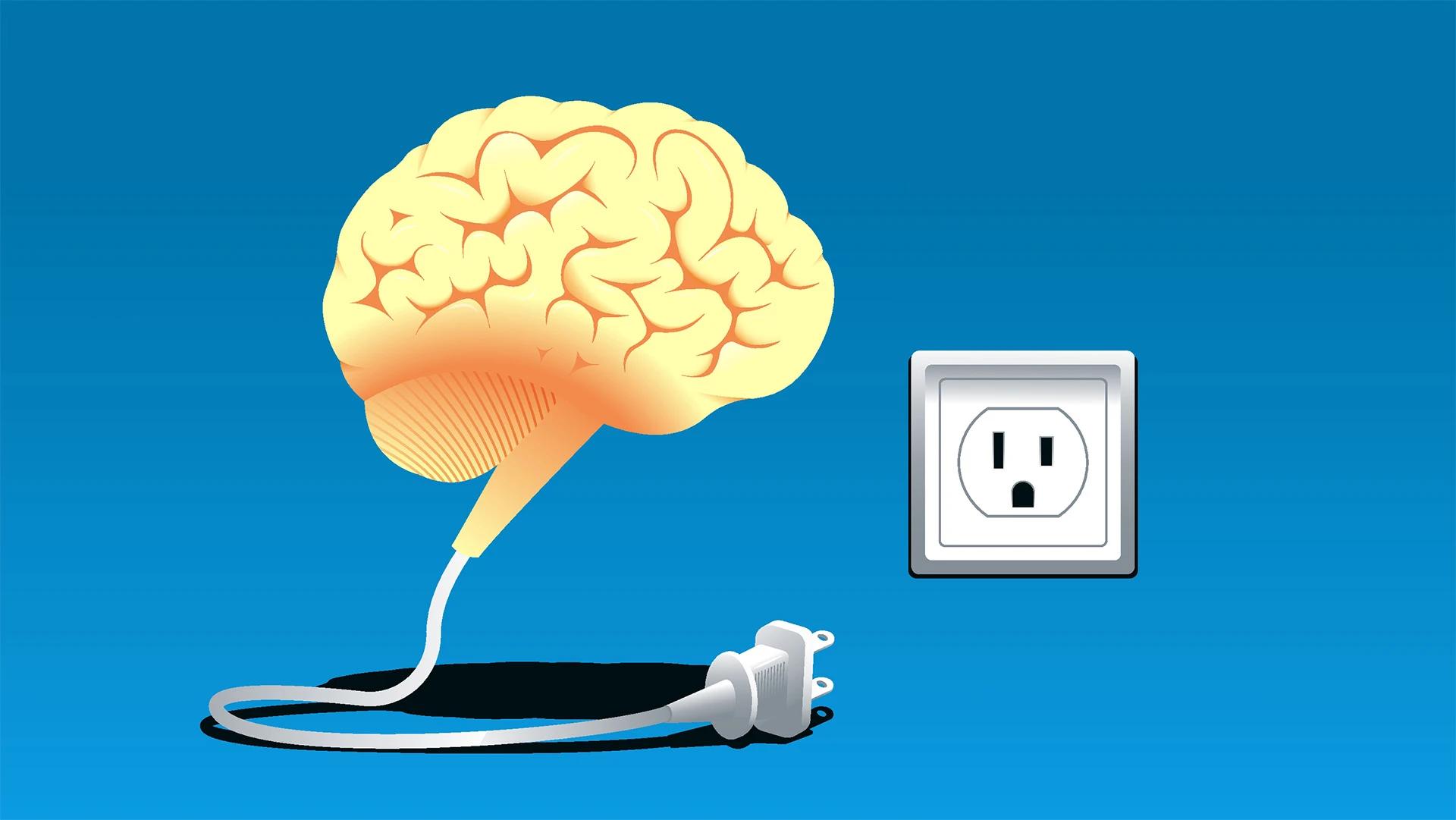
Mental fatigue in men is usually your brain running on low fuel because sleep is fragmented, stress chemistry stays “on” too long, or a correctable medical issue like low thyroid function or low iron is quietly dragging you down. It often shows up as decision fatigue, emotional flatness, and a shorter mental “battery” even when you’re trying hard. The right labs can help sort out which of these is most likely in your case. This symptom is common in burned-out professionals, caregivers, and students because modern life rewards constant switching and constant availability. The tricky part is that mental fatigue can be “just” overload, but it can also be your body asking for help through hormones, sleep quality, or nutrient status. Below, you’ll see the most common causes, what tends to help fastest, and which blood tests are worth your time. If you want help connecting your specific pattern to the most likely causes, PocketMD can walk through your symptoms with you, and Vitals Vault labs can help you confirm what’s going on.
Why mental fatigue hits men
Sleep debt and broken sleep
When you don’t get enough deep sleep, your brain has less time to clear metabolic “waste” and reset attention networks, which can feel like you’re thinking through mud the next day. Even if you’re in bed for 7–8 hours, frequent awakenings from stress, alcohol, or snoring can leave you with the same drained, irritable, low-motivation feeling. A practical clue is that your focus improves noticeably after one or two truly solid nights. If you suspect snoring or gasping, treat that as real medical information, not just an annoyance.
Chronic stress chemistry stays high
If your stress response stays activated, your body keeps prioritizing short-term survival over long-term repair, and that can blunt creativity and make everything feel like effort. You might notice you can “push through” meetings or deadlines, but you crash afterward and feel emotionally numb rather than relieved. This is common when you’re juggling work and caregiving, or when you’re always on-call mentally. The takeaway is that recovery has to be scheduled like a task, because your nervous system won’t spontaneously downshift on its own.
Low thyroid function slows thinking
Your thyroid hormone acts like a metabolic volume knob for many tissues, including your brain, so when it runs low you can feel slowed down, forgetful, and unusually drained by normal tasks. This isn’t always dramatic; sometimes it’s a subtle “I’m not myself” plus cold intolerance, dry skin, or constipation. The key point is that thyroid issues are testable and treatable, and guessing based on symptoms alone is unreliable. If mental fatigue is paired with persistent low mood or slowed speech, it’s worth checking sooner rather than later.
Low iron stores without anemia
You can have low iron stores even if your hemoglobin looks “normal,” and your brain still feels the hit because iron supports oxygen delivery and neurotransmitter function. In men, low iron is less common than in women, so when it happens it deserves an explanation rather than a shrug. You might notice reduced exercise tolerance, restless legs at night, or a new need for caffeine just to feel baseline. The actionable step is to check ferritin (your iron storage) and talk with a clinician about causes, especially if you have stomach symptoms or donate blood often.
Low testosterone affects drive and clarity
Testosterone supports motivation, energy, and mood regulation, so when it’s low you can feel like your “get up and go” is missing even if you still care about your life. The mental side often shows up as reduced initiative, less resilience to stress, and a foggy, flat feeling rather than sadness. Levels can dip from poor sleep, excess body fat, heavy alcohol use, or certain medications, which means the cause is sometimes reversible. If you also have lower libido or fewer morning erections, that pattern makes testing more informative.
What actually helps you recover
Do a two-week mental energy audit
For 14 days, track your mental energy twice a day on a 1–10 scale and write one sentence about what you were doing in the hour before the dip. You’re looking for repeatable patterns, like a specific meeting type, late-day caffeine, or multitasking that reliably wipes you out. This turns “I’m always tired” into something you can change. At the end, pick one high-impact trigger to modify rather than trying to overhaul your whole life at once.
Protect deep sleep like a workout
If you want your brain back, you need consistent deep sleep, not just time in bed. Try a fixed wake time for two weeks, keep alcohol out of the 4 hours before sleep, and stop work messages at least 60 minutes before bed so your nervous system can downshift. If you wake at 3 a.m. with a racing mind, get out of bed for 10 minutes of dim-light reading and return when sleepy, because “tossing and thinking” trains your brain to stay alert in bed. If you snore loudly or wake up choking, ask about sleep apnea testing because treatment can be life-changing for mental stamina.
Reduce task switching on purpose
Your brain pays a real energy cost every time you switch contexts, which is why a day of “small tasks” can feel more exhausting than a day of deep work. Pick two 60–90 minute blocks where notifications are off and you do one thing only, and then batch the shallow tasks into a single window later. The first few days can feel uncomfortable because your brain is used to stimulation. That discomfort is a sign you’re retraining attention, not failing.
Use movement as a reset, not punishment
A short bout of easy movement can clear stress chemistry and improve focus within an hour, but hard training on top of sleep debt often makes mental fatigue worse. On drained days, aim for a 20–30 minute brisk walk or light cycling, and pay attention to whether you feel calmer and clearer afterward. If you consistently feel more foggy after workouts, that’s a clue to look at recovery, fueling, and iron status. You’re trying to leave the session with more energy than you started with.
Treat the medical contributors directly
If labs show low thyroid function, low ferritin, or signs of inflammation, the fastest path is usually targeted treatment rather than more productivity hacks. That might mean thyroid medication when appropriate, iron repletion with a plan, or addressing an underlying issue that’s keeping your body in a constant low-grade stress state. The practical move is to bring your symptoms and results to a clinician and ask, “What would you do if this were your brother?” You deserve a clear plan and a timeline for reassessment.
Useful biomarkers to discuss with your clinician
TSH
TSH is the master regulator of thyroid function, controlling the production of thyroid hormones T4 and T3. In functional medicine, we use narrower TSH ranges than conventional medicine to identify subclinical thyroid dysfunction early. Even mildly elevated TSH can indicate thyroid insufficiency, leading to fatigue, weight gain, depression, and metabolic dysfunction. TSH levels are influenced by stress, nutrient deficiencies, autoimmune conditions, and environmental toxins. Optimal TSH supports energy, metabolism…
Learn moreFerritin
Ferritin is your body's iron storage protein, reflecting total iron stores in the body. In functional medicine, ferritin assessment is crucial for identifying both iron deficiency and iron overload, conditions that can significantly impact energy levels and overall health. Low ferritin is the earliest sign of iron deficiency, often occurring before anemia develops. This can cause fatigue, weakness, restless leg syndrome, and cognitive impairment. Conversely, elevated ferritin may indicate iron overload, inflamma…
Learn moreVitamin B12
Vitamin B12 (cobalamin) is essential for DNA synthesis, red blood cell formation, neurological function, and energy metabolism. In functional medicine, we recognize that B12 deficiency is surprisingly common, especially in older adults, vegetarians, vegans, and those with digestive issues. B12 deficiency can cause irreversible neurological damage if left untreated. The vitamin is crucial for methylation reactions, which affect cardiovascular health, detoxification, and gene expression. Even subclinical deficienc…
Learn moreLab testing
Check thyroid, iron stores, and inflammation at Quest
starting from $99 panel with 100+ tests, one visit
No referral needed
About 1 week
Schedule online — results typically within a week
Clear next steps
Guidance included, with follow-up care available
HSA / FSA
Eligible for pre-tax health spending accounts

Pro Tips
Try a “decision budget” for one week: pick three decisions you will not make daily (like breakfast, workout time, or when you check email) and standardize them, because fewer micro-decisions leaves more mental energy for real work.
If your brain crashes mid-afternoon, test a 10-minute outside walk without your phone before you reach for caffeine; if it reliably helps, your fatigue is likely more nervous-system overload than “low willpower.”
Use a simple rule for meetings: if it can be answered in writing in under five sentences, ask for an async update instead, because real-time context switching is a major driver of mental fatigue.
If you suspect sleep apnea, record a 30-second audio clip of your snoring or ask a partner what they notice; bringing that concrete evidence to a clinician makes it much easier to get evaluated.
When you start any supplement for fatigue, set a calendar reminder to recheck the relevant lab (like ferritin) in 8–12 weeks, because guessing whether it’s working is how people stay stuck for months.
Frequently Asked Questions
Why am I mentally exhausted but not physically tired?
Mental fatigue often comes from attention overload, poor-quality sleep, or chronic stress chemistry, even when your muscles feel fine. Your brain can be depleted by constant switching, emotional labor, and shallow sleep without you feeling “sick.” If it’s persistent, checking TSH, ferritin, and hs-CRP can help rule in common biological contributors. Start by tracking when your mental energy drops and what reliably precedes it.
Can low testosterone cause brain fog and mental fatigue?
Yes, low testosterone can contribute to a foggy, low-drive, mentally flat feeling, especially when it comes with lower libido or fewer morning erections. Sleep loss and high stress can also temporarily lower testosterone, which means fixing sleep can improve both hormones and mental stamina. If you suspect it, ask for a morning total testosterone test (ideally before 10 a.m.) and discuss the result in context. Don’t self-treat with hormones based on symptoms alone.
What blood tests should I get for mental fatigue?
A practical starting trio for mental fatigue is TSH for thyroid signaling, ferritin for iron stores, and hs-CRP for low-grade inflammation. These tests are useful because they can reveal treatable causes that feel like “burnout” from the inside. If one is abnormal, follow-up tests are usually more targeted rather than a random panel. Bring your results alongside your symptom timeline so the interpretation matches your real life.
How do I know if my mental fatigue is burnout or depression?
Burnout tends to be tied to a specific load (work, caregiving, exams) and often improves when the load is reduced, while depression is more likely to persist across settings and include loss of pleasure, hopelessness, or thoughts of self-harm. Both can overlap, and both can worsen sleep, which then worsens mental fatigue. If you’re having persistent low mood for more than two weeks or any self-harm thoughts, reach out for professional help urgently. Even when it’s “just burnout,” you still deserve support and a plan.
How long does it take to recover from mental fatigue?
If the main driver is sleep debt and overload, many people feel a noticeable shift within 7–14 days once sleep becomes consistent and task switching drops. If the driver is a medical issue like low ferritin or low thyroid function, improvement can take several weeks after treatment starts, and you usually confirm progress with repeat labs (often at 8–12 weeks). The fastest way to shorten recovery is to identify your biggest lever rather than trying ten small changes. Pick one measurable change and reassess after two weeks.