Why You Feel Mentally Exhausted Before Eating
Mental fatigue before eating often comes from low blood sugar dips, stress-hormone strain, or iron/B12 issues. Targeted labs available—no referral needed.





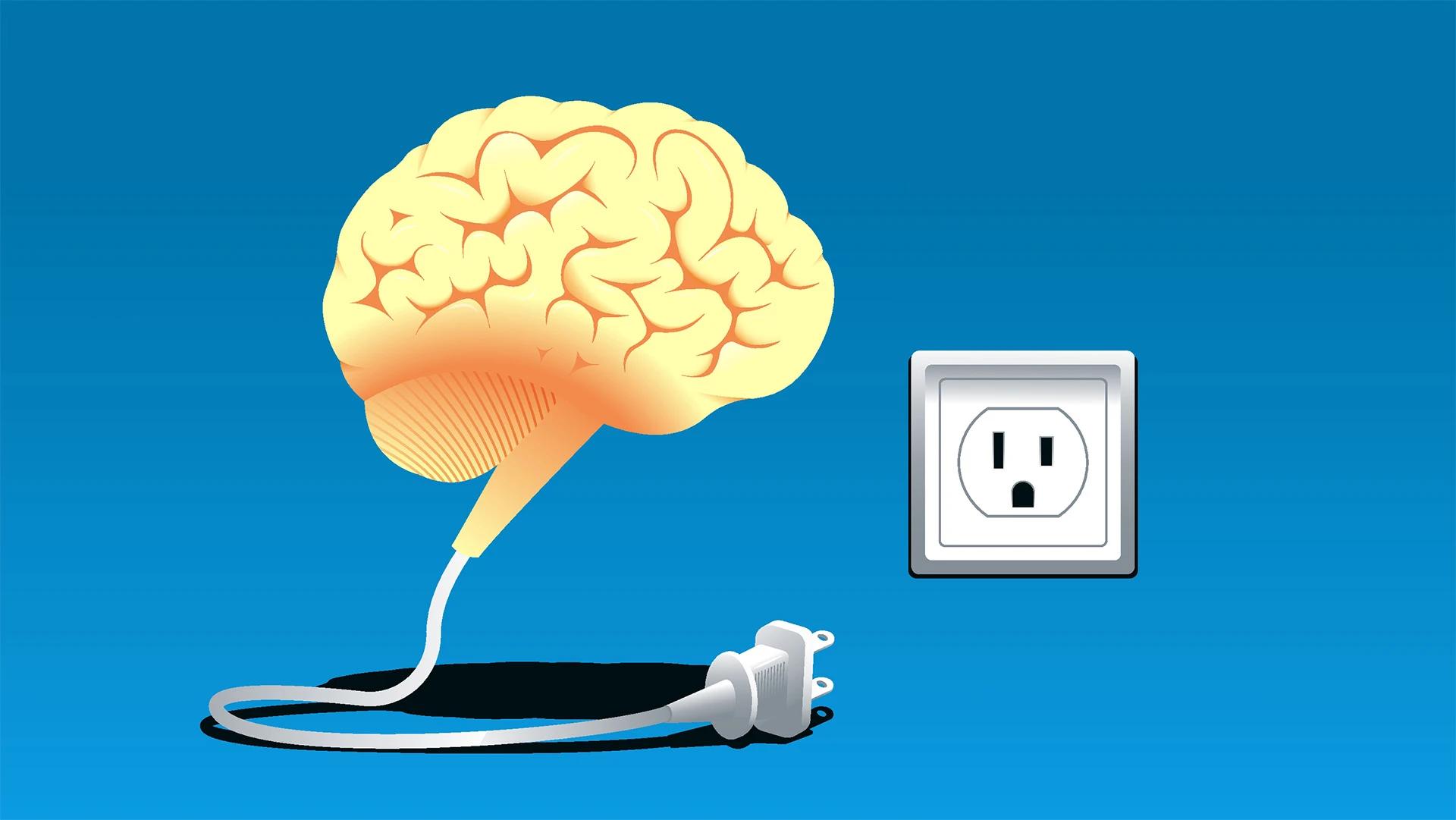
Mental fatigue before eating usually happens because your brain is running low on usable fuel, your stress system is overcompensating, or you are quietly anemic or low in vitamin B12. It can feel like your thoughts slow down, your motivation disappears, and even simple decisions become weirdly hard. A few targeted labs can help you sort out whether this is mostly blood sugar stability, stress physiology, or a nutrient issue. This symptom is common in people who skip meals, push through long work blocks, or live in “always on” mode, because your brain is expensive to run and it notices when supply and demand stop matching. The tricky part is that the same “brain crash” can come from very different pathways, and your fix depends on which pathway is driving it. Below, you will see the most likely causes, what tends to help in real life, and which tests are worth considering. If you want help connecting your exact pattern to a plan, PocketMD can talk it through with you, and Vitals Vault labs can help confirm what your body is doing rather than guessing.
Why your brain crashes before meals
Blood sugar dips before meals
If you go too long without food, your blood sugar can drift low enough that your brain starts rationing energy, which feels like mental heaviness and slow thinking. Some people also get shaky, irritable, or “emotionally flat,” because adrenaline steps in to keep you going. A useful clue is timing: if you reliably feel better within 10–20 minutes of eating, blood sugar stability is high on the list.
Stress hormones doing the driving
When you are under chronic stress, your body leans on cortisol (your main stress hormone) to keep glucose available between meals. That can work for a while, but it often comes with a wired-but-tired feeling, trouble focusing, and a mental “drop” when you finally pause. If your fatigue is worst on high-pressure days and comes with tension, racing thoughts, or poor sleep, the stress system is probably part of the story.
Not enough iron for oxygen
Low iron stores can make your brain feel like it is running on low battery, especially when you have not eaten yet and you are already slightly dehydrated. You might also notice shortness of breath on stairs, headaches, hair shedding, or restless legs at night. The key takeaway is that you can have low iron stores even with a “normal” hemoglobin, so ferritin is often the more revealing test.
Low vitamin B12 affecting nerves
Vitamin B12 supports your nervous system and the way your brain cells handle energy, so low levels can show up as brain fog, low motivation, and a strange sense of mental effort. It can be more likely if you eat little or no animal food, take acid-suppressing meds, or have gut absorption issues. If you also get tingling in your hands or feet or feel unusually forgetful, B12 deserves a closer look.
Sleep debt amplified by fasting
When you are short on sleep, your brain’s attention system is already strained, and skipping breakfast or delaying lunch can push it over the edge. In that state, hunger signals feel less like “I could eat” and more like “I cannot think,” because your brain is trying to do complex work with limited reserves. If your worst days follow late nights, frequent wake-ups, or snoring, fixing sleep often improves the pre-meal crash faster than any supplement.
What actually helps before you eat
Use a “bridge snack” on purpose
If you are routinely crashing 30–90 minutes before a meal, try a small, planned bridge snack rather than white-knuckling it. Aim for protein plus fiber, because that steadies glucose better than a quick carb, which can create a second crash later. Think of it as buying your brain time so you can finish what you are doing without feeling mentally wiped.
Front-load protein at breakfast
Starting the day with a higher-protein breakfast can reduce late-morning brain fog by smoothing the rise and fall of blood sugar. This matters most if your first meal is usually coffee and something sweet, because that pattern often produces a sharp spike and then a mental drop. Try keeping breakfast simple and repeatable for a week and see whether your “before lunch” fatigue shifts.
Caffeine: change the timing, not just the amount
Caffeine on an empty stomach can make you feel temporarily sharper, but it can also worsen the later crash by pushing adrenaline and suppressing appetite until you are suddenly depleted. If you rely on coffee to start thinking, try pairing it with food or delaying it until after your first few bites. The goal is steadier focus, not a short-lived surge.
Build a 2-minute downshift before meals
If stress hormones are part of your pattern, a tiny pre-meal reset can help your brain switch from “threat mode” to “fuel mode.” Try two minutes of slow breathing with a longer exhale, or a short walk, before you eat. It sounds small, but it can reduce the jittery, scattered feeling that makes eating feel like it “doesn’t work” right away.
Treat deficiencies with a real plan
If labs show low ferritin or low B12, the fix is not just “take something and hope.” Iron often needs months of consistent dosing and a strategy to reduce stomach upset, while B12 may require higher-dose oral therapy or injections depending on absorption. Use your results to guide dosing and recheck timing, because guessing can leave you stuck in the same fatigue loop.
Useful biomarkers to discuss with your clinician
Glucose
Fasting glucose is a fundamental marker of glucose metabolism and insulin function. In functional medicine, we recognize that even 'normal' glucose levels in the upper range may indicate early insulin resistance. Optimal fasting glucose reflects efficient glucose regulation and insulin sensitivity. Elevated fasting glucose suggests the body's inability to maintain normal glucose levels overnight, indicating hepatic insulin resistance or insufficient insulin production. This marker is essential for early detectio…
Learn moreIron, Total
Serum iron measures the amount of iron circulating in your blood at the time of testing. In functional medicine, we recognize that serum iron alone provides limited information about iron status, as it fluctuates throughout the day and is affected by recent iron intake, inflammation, and diurnal variation. However, when combined with other iron studies, it helps assess iron metabolism and transport. Iron is essential for oxygen transport, energy production, DNA synthesis, and immune function. Optimal serum iron…
Learn moreVitamin B12
Vitamin B12 (cobalamin) is essential for DNA synthesis, red blood cell formation, neurological function, and energy metabolism. In functional medicine, we recognize that B12 deficiency is surprisingly common, especially in older adults, vegetarians, vegans, and those with digestive issues. B12 deficiency can cause irreversible neurological damage if left untreated. The vitamin is crucial for methylation reactions, which affect cardiovascular health, detoxification, and gene expression. Even subclinical deficienc…
Learn moreLab testing
Check fasting glucose, ferritin, and vitamin B12 at Quest
starting from $99 panel with 100+ tests, one visit
No referral needed
About 1 week
Schedule online — results typically within a week
Clear next steps
Guidance included, with follow-up care available
HSA / FSA
Eligible for pre-tax health spending accounts
Pro Tips
Run a 10-day pattern check: write down when the mental fatigue starts, what you last ate, and whether food reliably improves it within 20 minutes. That one detail separates “fuel problem” from many other causes surprisingly well.
If you skip breakfast, try a one-week experiment where you eat something small within two hours of waking, even if it is not your ideal meal. If your late-morning decision fatigue drops, you have a strong clue that timing matters more than willpower.
Keep an emergency option where you work or study, so you are not forced into vending-machine roulette when your brain crashes. A shelf-stable protein-and-fiber snack is boring, which is exactly why it works.
If you suspect iron issues, look for the “hidden drains” that keep ferritin low, like heavy periods or frequent blood donation. Bringing that context to your clinician often speeds up the right testing and treatment plan.
If coffee is your breakfast, try flipping the order for three days: eat first, then drink coffee. Many people are shocked by how much calmer and clearer their brain feels before lunch.
Frequently Asked Questions
Why do I feel mentally drained when I’m hungry?
Your brain depends on a steady fuel supply, and when you go too long without eating, your body may not keep blood sugar stable enough for high-focus tasks. Stress hormones can temporarily compensate, but that often feels like irritability, jitters, or a sudden “shutdown” in motivation. If eating improves your thinking within 10–20 minutes, start by testing fasting glucose and adjusting meal timing.
Is mental fatigue before eating a sign of low blood sugar?
It can be, especially if it comes with shakiness, sweating, anxiety, or a fast heartbeat and it improves quickly after food. True low blood sugar is less common in people without diabetes, but “dips” and rapid swings can still make you feel foggy and overwhelmed. Track timing for a week and consider fasting glucose testing if the pattern is consistent.
Why does coffee make my brain fog worse later?
Caffeine can mask hunger and push adrenaline, which may help briefly but can set you up for a bigger crash when your body runs out of easy fuel. It also tends to replace breakfast, which makes the pre-meal slump more likely. Try having coffee with food or after your first meal for a few days and see whether the late-morning fatigue eases.
What ferritin level is too low for brain fog and fatigue?
Many labs flag ferritin as “normal” once it is above roughly 15–30 ng/mL, but symptoms can show up well above that. For fatigue and cognitive complaints, ferritin below about 30–50 ng/mL often raises suspicion for low iron stores, depending on your history. If your ferritin is low, ask about a treatment plan and a recheck timeline rather than taking iron randomly.
Can vitamin B12 deficiency cause brain fog before meals?
Yes, because B12 supports nerve function and energy metabolism, and low levels can feel like slowed thinking and low drive that gets worse when you are depleted. Borderline results can still matter, particularly if B12 is in the low 200s pg/mL or you have tingling or memory issues. Check vitamin B12 and discuss whether follow-up testing like methylmalonic acid makes sense for you.