Irregular Periods During Menopause: What’s Normal, What Isn’t, and What Helps
Irregular periods during menopause usually come from uneven ovulation, shifting estrogen and progesterone, or thyroid issues. Targeted labs, no referral needed.






Irregular periods during menopause usually happen because ovulation becomes inconsistent, so your estrogen and progesterone rise and fall in a less predictable way. That can mean skipped months, shorter cycles, heavier bleeding, or surprise spotting, and it often changes again as you get closer to your final period. Basic blood tests can help sort out whether this is typical perimenopause or something else, like a thyroid problem. Unpredictable bleeding is one of the most frustrating parts of the menopause transition because it messes with planning, sleep, sex, travel, and your sense of control. Most of the time it is a normal “winding down” process, but certain patterns deserve a closer look because they can signal anemia, fibroids, or (rarely) a problem with the lining of the uterus. If you want help making sense of your pattern, PocketMD can walk through your symptoms and timing, and Vitals Vault labs can help you check a few high-yield markers without turning this into a months-long appointment hunt.
Why your periods get irregular during menopause
Ovulation starts happening less often
In perimenopause, your ovaries don’t release an egg as reliably, which means you may not make the usual rise in progesterone that “organizes” the second half of your cycle. Without that steady progesterone, your uterine lining can build up and shed at odd times. The result can feel like your body is ignoring the calendar, because it kind of is. A useful clue is that cycles often get more variable year-to-year, not just month-to-month.
Estrogen swings can make bleeding heavier
Estrogen is the hormone that helps your uterine lining grow, and in perimenopause it can spike high on some cycles and drop low on others. When you get a higher-estrogen cycle without much progesterone to balance it, bleeding can be heavier or last longer than you’re used to. That is the kind of month where you might soak through pads faster or pass clots, which is scary even when it’s benign. If heavy days are becoming your new normal, it’s worth checking for anemia and talking about options to protect your lining.
Thyroid shifts can mimic perimenopause
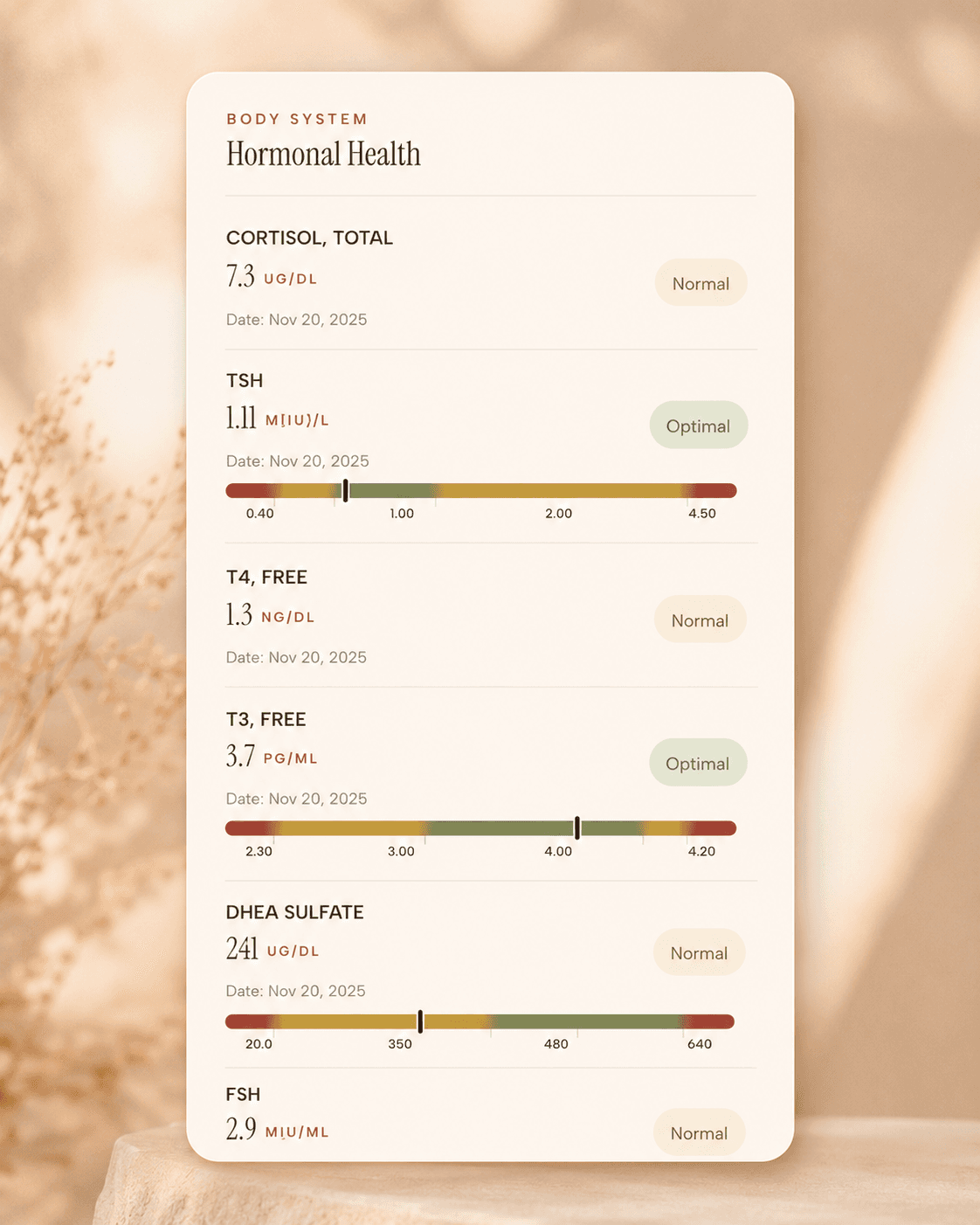
Your thyroid sets the pace for a lot of body systems, including how your ovaries signal and how your uterus responds. An underactive thyroid can make periods heavier and farther apart, while an overactive thyroid can make them lighter or more frequent. The “so what” is that thyroid problems can also cause fatigue, hair changes, anxiety, or palpitations, which people often blame on menopause. A simple TSH blood test can quickly tell you if the thyroid needs attention.
Fibroids or polyps add extra bleeding
Benign growths in the uterus, like fibroids or polyps, can make bleeding heavier, more prolonged, or more “spotty” between periods because they change the surface area and blood supply of the lining. This tends to show up as flooding on day 1–2, bleeding after sex, or spotting that keeps returning even when the rest of your cycle seems to be spacing out. Unlike hormone swings, structural causes usually do not come and go randomly. If your pattern is consistently heavy or you have new bleeding after sex, an ultrasound is often the next practical step.
Pregnancy and other red flags
Even in your 40s, pregnancy can happen until you have gone 12 straight months without a period, and early pregnancy can look like an “off” cycle or spotting. Separately, bleeding that is very heavy, happens after menopause, or comes with pelvic pain or dizziness deserves prompt medical attention because it can signal anemia or a problem with the uterine lining. The takeaway is simple: if you could be pregnant, take a home pregnancy test, and if you are soaking through a pad or tampon every hour for several hours, get urgent care.
What actually helps you feel in control
Track your cycle like a pattern
Instead of trying to predict an exact day, track the range: cycle length, number of heavy days, and any spotting between periods. After two or three months, you usually see whether you’re trending shorter, longer, or simply more variable, which helps you decide what is “your new normal.” Add one note about sleep, stress, and hot flashes, because those often move with hormone swings. Bring that summary to a visit and you’ll get better answers faster.
Treat heavy bleeding proactively
If your main issue is heavy flow, you have options that work even when cycles are irregular. Nonsteroidal anti-inflammatory drugs like ibuprofen can reduce bleeding for some people when taken on heavy days, and prescription options like tranexamic acid can be very effective for short-term control. Hormonal tools such as a progesterone IUD or cyclic progesterone can also steady the lining when anovulatory cycles are driving the chaos. The best choice depends on your health history and whether contraception matters to you right now.
Protect your iron and energy
Irregular bleeding can quietly drain iron, and low iron is one reason perimenopause can feel like you are running on empty. If you are getting short of breath on stairs, craving ice, or feeling unusually wiped out after your period, ask for a ferritin test and a complete blood count. If ferritin is low, iron supplementation and dietary iron can make a noticeable difference in a few weeks, even before your cycles settle. It is one of the most fixable contributors to “menopause fatigue.”
Address thyroid or medication triggers
If your TSH suggests a thyroid issue, treating it often improves cycle irregularity and the “extra” symptoms like palpitations, constipation, or hair shedding. It is also worth reviewing new medications or supplements, because blood thinners, some antidepressants, and even high-dose biotin can complicate the picture by affecting bleeding or lab interpretation. The practical move is to bring a current med list and ask, “Could any of these make bleeding worse?” That question is surprisingly productive.
Know when to ask for imaging
When bleeding is persistently heavy, happens after sex, or comes with new pelvic pressure, you usually need more than hormone talk. A pelvic ultrasound can check for fibroids, polyps, and thickening of the uterine lining, which changes what treatment makes sense. If you are over 45 with abnormal bleeding, many guidelines recommend considering an endometrial evaluation, especially if bleeding is frequent or prolonged. You are not overreacting by asking for a clear plan.
Useful biomarkers to discuss with your clinician
TSH
TSH is the master regulator of thyroid function, controlling the production of thyroid hormones T4 and T3. In functional medicine, we use narrower TSH ranges than conventional medicine to identify subclinical thyroid dysfunction early. Even mildly elevated TSH can indicate thyroid insufficiency, leading to fatigue, weight gain, depression, and metabolic dysfunction. TSH levels are influenced by stress, nutrient deficiencies, autoimmune conditions, and environmental toxins. Optimal TSH supports energy, metabolism…
Learn moreEstradiol
Estradiol in men is produced from testosterone via aromatase enzyme. In functional medicine, we recognize that men need optimal estradiol levels for bone health, cognitive function, and cardiovascular protection. However, excessive estradiol can suppress testosterone production and cause feminizing effects. The testosterone-to-estradiol ratio is crucial for male health, with optimal balance supporting vitality while preventing estrogen dominance. Balanced estradiol levels in men support bone health and cognitive…
Learn moreFerritin
Ferritin is your body's iron storage protein, reflecting total iron stores in the body. In functional medicine, ferritin assessment is crucial for identifying both iron deficiency and iron overload, conditions that can significantly impact energy levels and overall health. Low ferritin is the earliest sign of iron deficiency, often occurring before anemia develops. This can cause fatigue, weakness, restless leg syndrome, and cognitive impairment. Conversely, elevated ferritin may indicate iron overload, inflamma…
Learn moreLab testing
Get TSH, FSH, and estradiol checked at Quest
starting from $99 panel with 100+ tests, one visit
No referral needed
About 1 week
Schedule online — results typically within a week
Clear next steps
Guidance included, with follow-up care available
HSA / FSA
Eligible for pre-tax health spending accounts
Pro Tips
If your cycles are unpredictable, switch your planning mindset from “What day will it start?” to “What is my shortest cycle lately?” and keep supplies on hand starting a week before that earliest date.
When bleeding is heavy, use a simple threshold to decide if it is escalating: if you are soaking through a pad or tampon in an hour for two hours in a row, that is not something to “wait out.”
If you are trying to avoid pregnancy, treat irregular cycles as higher-risk for surprises, because ovulation can still happen even after months without a period. A backup method matters more than perfect prediction.
If you are getting spotting after sex, do not assume it is “just hormones.” Ask for a cervical exam and discuss whether you need an ultrasound, especially if this is new for you.
If you suspect low iron, do not rely on a standard hemoglobin alone. Ask specifically for ferritin, because ferritin can drop for months before anemia shows up on a basic blood count.
Frequently Asked Questions
How irregular is normal during perimenopause?
It is common for cycle length to vary by a week or more, and it is also common to skip a month and then have a heavier bleed the next time. What is less “normal” is bleeding that is consistently very heavy, bleeding after sex, or spotting that keeps happening between periods. If your pattern is changing fast, a log plus basic labs like TSH and estradiol can help clarify what is driving it.
When should I worry about heavy bleeding in menopause transition?
Worry less about one annoying heavy day and more about patterns that can cause harm, like soaking through a pad or tampon every hour for several hours, feeling faint, or passing large clots repeatedly. Heavy bleeding can also lead to iron deficiency, so symptoms like shortness of breath on stairs or extreme fatigue are meaningful. If any of that is happening, get checked promptly and ask about ferritin and a complete blood count.
Can thyroid problems cause irregular periods in your 40s?
Yes, thyroid changes can look a lot like perimenopause because they affect both your cycle and your energy, mood, and heart rate. A high TSH often goes with heavier or farther-apart periods, while a very low TSH can go with lighter or more frequent bleeding and palpitations. A single TSH blood test is a practical first step if your symptoms feel “bigger” than just cycle changes.
Do I need hormone tests to confirm perimenopause?
You do not always need tests, because symptoms and cycle pattern often tell the story, but labs can be helpful when the pattern is confusing or you are considering treatment. FSH and estradiol can support that you are in the menopause transition, although they can fluctuate a lot from day to day. If you test, it helps to interpret results alongside your timing, symptoms, and a thyroid check (TSH).
Can I still get pregnant with irregular periods during menopause?
Yes, pregnancy is still possible until you have gone 12 consecutive months without a period, because ovulation can happen unpredictably. If you have missed a period and you are sexually active with pregnancy potential, take a home pregnancy test, even if you “feel menopausal.” If avoiding pregnancy matters to you, talk about contraception that does not rely on cycle timing.
Research and guidelines worth knowing
NICE guideline: Heavy menstrual bleeding—assessment and management
ACOG Practice Bulletin: Management of abnormal uterine bleeding associated with ovulatory dysfunction
Endocrine Society Clinical Practice Guideline: Primary ovarian insufficiency (hormone evaluation principles overlap with perimenopause workups)