Irregular Periods in Perimenopause: What’s Going On?
Irregular periods in perimenopause usually come from uneven ovulation, shifting estrogen/progesterone, or thyroid changes. Targeted labs—no referral needed.






Irregular periods in perimenopause usually happen because ovulation becomes inconsistent, which makes progesterone drop out some cycles and lets estrogen swing around more than you’re used to. That can show up as skipped periods, shorter cycles, surprise spotting, or suddenly heavier bleeding. Basic labs can help sort “normal perimenopause chaos” from look-alikes like thyroid problems or pregnancy. The frustrating part is that your cycle can feel random even when nothing is “wrong” in a dangerous way. But you still deserve a plan, especially if you’re trying to avoid pregnancy, trying to conceive, or you’re tired of bleeding that disrupts work and sleep. Below, you’ll see the most common reasons perimenopause makes periods unpredictable, what tends to help in real life, and which blood tests can clarify what’s driving your pattern. If you want help interpreting your specific cycle story, PocketMD can talk it through with you, and Vitals Vault labs can give you objective data to bring to your clinician.
Why your periods get unpredictable in perimenopause
You don’t ovulate every month
In perimenopause, your ovaries may skip ovulation more often, even if you still bleed. When you don’t ovulate, you don’t make the steady progesterone that normally “organizes” the lining of your uterus, so bleeding can come early, late, or as on-and-off spotting. A useful clue is a cycle that used to be predictable and now varies by more than about a week from month to month, especially with new PMS changes.
Estrogen swings make lining unstable
Estrogen is the hormone that builds the uterine lining, and in perimenopause it can spike and dip unpredictably. When it surges, your lining can get thicker than usual, which sets you up for heavier flow or clots when it finally sheds. If you notice your heaviest days are suddenly much heavier than your “normal,” it’s worth tracking pad or tampon changes per hour so you can describe the true severity clearly.
Low progesterone causes longer bleeding
Even when you do ovulate, progesterone can be lower or shorter-lived, which means your lining may not shed cleanly. That can feel like a period that drags on, stops, and then restarts, or like brown spotting that hangs around for days. If this is your pattern, ask your clinician about whether cyclic progesterone is appropriate for you, because it targets this specific mechanism rather than just “hoping it settles down.”
Thyroid shifts can mimic perimenopause
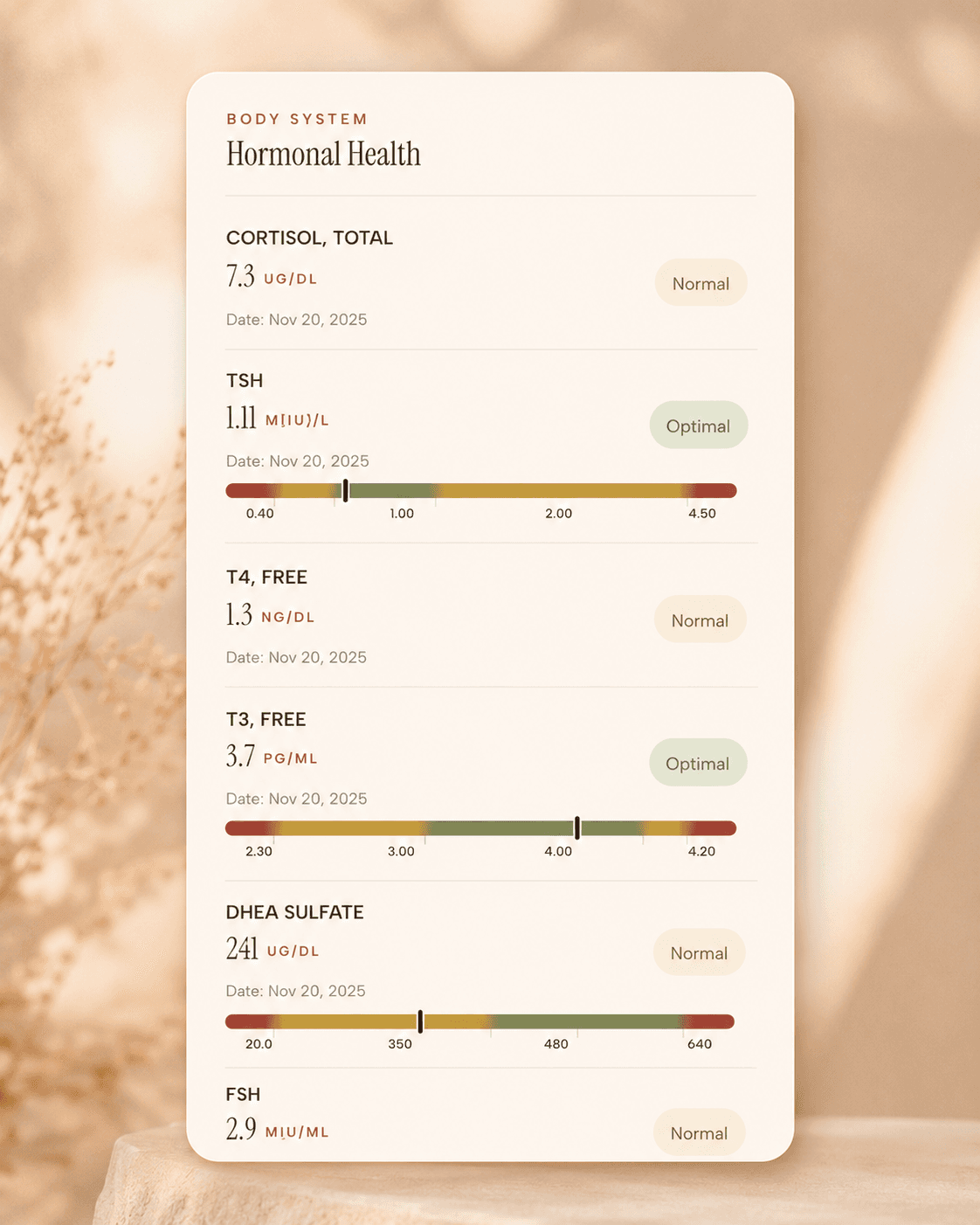
Your thyroid is your body’s metabolic “speed dial,” and when it runs too slow or too fast, your cycles can become irregular or heavier. Hypothyroidism in particular can make periods heavier and more frequent because it affects ovulation and clotting factors. If irregular bleeding comes with new fatigue, constipation, hair shedding, or feeling unusually cold, checking TSH and free T4 is a practical next step.
Fibroids or polyps add extra bleeding
Not all irregular bleeding is hormonal. Growths inside the uterus, like fibroids or polyps, can cause heavier flow, bleeding between periods, or bleeding after sex because they physically disrupt the lining. If you’re soaking through a pad or tampon every hour for several hours, passing large clots, or getting lightheaded, that’s a reason to seek urgent care and ask about an ultrasound rather than assuming it’s “just perimenopause.”
What actually helps you feel in control
Track your pattern like a detective
A simple 8–12 week log makes your “random” cycle start to look like a pattern. Write down the first day of bleeding, the heaviest day, and whether you had mid-cycle pain or stretchy discharge, which can hint at ovulation. Bring that log to your appointment, because it helps your clinician decide whether this is likely hormone-driven or whether imaging is needed.
Treat heavy days, not the whole month
If your main problem is heavy flow, short-term medication during your period can be more effective than vague lifestyle changes. Nonsteroidal anti-inflammatory drugs like ibuprofen can reduce bleeding for some people because they lower prostaglandins, which also helps cramps. If you can’t take NSAIDs or you’re still soaking through protection quickly, ask about tranexamic acid, which is specifically used for heavy menstrual bleeding.
Consider hormonal cycle support
Hormonal options are not one-size-fits-all, but they can be a game changer when bleeding is disrupting your life. A levonorgestrel IUD can thin the uterine lining and often makes periods much lighter, while combined birth control pills can smooth hormone swings and add contraception. If you’re close to menopause and mainly dealing with prolonged spotting, cyclic progesterone may be the most targeted option to “reset” the lining.
Check iron if you feel depleted
Heavy or frequent bleeding can quietly drain your iron stores, and low iron can make you feel breathless, restless, or exhausted in a way that sleep doesn’t fix. Even if your hemoglobin is still “normal,” ferritin can be low and you can feel it. If ferritin is low, treating it can improve energy and hair shedding while you work on the bleeding itself.
Know when bleeding needs a workup
Perimenopause is common, but there are patterns that deserve a closer look. Bleeding after sex, bleeding that is consistently between periods, or a sudden change to very heavy flow can point to polyps, fibroids, or (rarely) precancer changes. If you’re over 45 and your bleeding pattern changes significantly, ask directly whether you need an ultrasound or an endometrial biopsy to rule out structural causes.
Lab tests that help explain irregular periods in perimenopause
Progesterone
While primarily known as a female hormone, progesterone plays important roles in men including neuroprotection, sleep quality, and as a precursor to other hormones. In functional medicine, male progesterone assessment helps evaluate overall hormone synthesis pathways and stress response. Low progesterone in men may indicate chronic stress or adrenal dysfunction, while optimal levels support brain health and sleep quality. Progesterone in men supports neurological health, sleep quality, and serves as a building b…
Learn moreEstradiol
Estradiol in men is produced from testosterone via aromatase enzyme. In functional medicine, we recognize that men need optimal estradiol levels for bone health, cognitive function, and cardiovascular protection. However, excessive estradiol can suppress testosterone production and cause feminizing effects. The testosterone-to-estradiol ratio is crucial for male health, with optimal balance supporting vitality while preventing estrogen dominance. Balanced estradiol levels in men support bone health and cognitive…
Learn moreTSH
TSH is the master regulator of thyroid function, controlling the production of thyroid hormones T4 and T3. In functional medicine, we use narrower TSH ranges than conventional medicine to identify subclinical thyroid dysfunction early. Even mildly elevated TSH can indicate thyroid insufficiency, leading to fatigue, weight gain, depression, and metabolic dysfunction. TSH levels are influenced by stress, nutrient deficiencies, autoimmune conditions, and environmental toxins. Optimal TSH supports energy, metabolism…
Learn moreLab testing
Get TSH, free T4, and a perimenopause hormone check (FSH + estradiol) at Quest
starting from $99 panel with 100+ tests, one visit
No referral needed
About 1 week
Schedule online — results typically within a week
Clear next steps
Guidance included, with follow-up care available
HSA / FSA
Eligible for pre-tax health spending accounts
Pro Tips
Use a “bleeding score” for two cycles: count how many times you change a fully soaked pad or tampon, and note any clots larger than a quarter. Those details are more useful than saying “it was heavy.”
If you’re trying to conceive, start ovulation testing earlier than you used to, because perimenopause can shorten the follicular phase and shift ovulation forward. If tests never turn positive for a few cycles, that is a strong clue you’re not ovulating regularly.
If your cycle is unpredictable and you want to avoid pregnancy, don’t rely on calendar tracking. Use a reliable contraceptive method until you have gone 12 months without a period (or get clinician guidance if you’re on hormones).
When you get spotting, note what happened in the 24 hours before, because sex, a new workout routine, or missed pills can point to a specific trigger rather than “mystery bleeding.”
If you’re bleeding more often than every 21 days or you’re bleeding longer than 8 days repeatedly, put that in a message to your clinician. Those thresholds help them triage whether you need labs, imaging, or both.
Frequently Asked Questions
How irregular is normal in perimenopause?
It’s common for cycle length to vary because ovulation becomes inconsistent, so a month-to-month swing of more than 7 days can happen. What’s less “normal” is bleeding that is very heavy, happens after sex, or keeps returning between periods. If your cycles are coming closer than every 21 days or lasting longer than 8 days repeatedly, ask for an evaluation rather than waiting it out.
Can you still get pregnant with irregular periods in perimenopause?
Yes. Even if you skip periods, you can still ovulate unexpectedly, which means pregnancy is still possible until menopause is complete. If pregnancy would be a problem, use contraception instead of calendar methods, and take a pregnancy test if a period is late and you’ve had unprotected sex. If you’re trying to conceive, consider early-cycle labs and a discussion about ovulation support.
When should I worry about heavy bleeding in perimenopause?
Worry less about the label and more about the impact and speed. If you’re soaking through a pad or tampon every hour for several hours, feeling faint, or passing very large clots, get urgent care because you can become anemic quickly. If heavy bleeding is new for you or keeps happening, ask about an ultrasound and iron testing (ferritin), because fibroids and low iron are both treatable.
Do FSH and estradiol tests confirm perimenopause?
They can support the picture, but they don’t “prove” it in a single draw because levels can swing widely from week to week in perimenopause. A higher FSH with lower estradiol often fits the transition, especially when your cycles are changing, but your symptoms and bleeding pattern still matter most. If results don’t match how you feel, repeating early in the cycle (around day 2–5) can be more informative.
Could thyroid problems be causing my irregular periods instead?
Absolutely, and thyroid issues are common enough that they’re worth checking because the treatment is different. Hypothyroidism often shows up with heavier or more frequent periods plus fatigue, constipation, dry skin, or feeling cold, and it’s screened with TSH and clarified with free T4. If your TSH is outside your clinician’s target range, treating the thyroid problem can make your cycles more predictable over time.