Irregular Periods After Menopause: What It Usually Means
Irregular periods after menopause are usually uterine lining changes, polyps/fibroids, or hormone-producing tumors. Targeted labs, no referral needed.






Irregular periods after menopause are not “a late period” in the usual sense, because once you have gone 12 straight months without bleeding, any new bleeding is considered postmenopausal bleeding. The most common reasons are a thin, fragile uterine lining from low estrogen, benign growths like polyps, or medication effects, but doctors also have to rule out uterine lining overgrowth and cancer. A few targeted tests and an ultrasound can help identify which situation you are in. It is completely normal to feel alarmed when bleeding shows up again after you thought that chapter was over. The tricky part is that the same symptom can come from something harmless and fixable, or from something that needs prompt treatment, and you cannot tell which just by the amount of blood. This guide walks you through the most likely causes, what usually happens at a clinic visit, and which labs can add clarity. If you want help deciding what fits your pattern before you book appointments, PocketMD can talk it through with you, and Vitals Vault labs can support the workup when it makes sense.
Why you can bleed after menopause
A thin, fragile uterine lining
After menopause, estrogen stays low, which can make the uterine lining and vaginal tissue thin and easily irritated. That can lead to light spotting after sex, after a pelvic exam, or even after a hard bowel movement, and it often looks like pink or brown staining rather than a flow. If the bleeding is truly light and tied to friction or dryness, ask about vaginal estrogen or non-hormonal moisturizers, but still report any new bleeding so the lining can be checked.
Uterine polyps that bleed easily
Polyps are small, usually benign growths in the uterus or cervix that can act like a “bleeding bump” when they rub or twist. You might notice bleeding that comes and goes, sometimes after activity, and it can feel random because it is. A transvaginal ultrasound and sometimes a camera exam of the uterus (hysteroscopy) can find them, and removing a polyp often stops the problem quickly.
Fibroids changing after menopause
Fibroids are muscle knots in the uterus, and although they often shrink after menopause, they do not always disappear. Some fibroids can outgrow their blood supply and irritate the lining, which can cause intermittent bleeding or pelvic pressure. If you also feel fullness, urinary frequency, or a “heavy” pelvis, mention that, because imaging can show whether a fibroid is likely contributing.
Medication or hormone exposure
Blood thinners can make small amounts of bleeding look dramatic, and hormone therapy can cause breakthrough bleeding, especially in the first months or if the dose is not balanced. Even “local” vaginal estrogen can occasionally cause spotting early on as tissue heals. The takeaway is not to stop a prescribed medication on your own, but to tell your prescriber exactly what you take and when the bleeding started so they can adjust safely.
Uterine lining overgrowth or cancer
Sometimes bleeding happens because the uterine lining is being stimulated to grow when it should be quiet, which can lead to overgrowth (endometrial hyperplasia) and, less commonly, cancer. Risk tends to be higher if you have obesity, diabetes, long-term irregular cycles earlier in life, or you used estrogen without progesterone. If you have bleeding after 12 months without periods, it is worth getting evaluated promptly, because a simple ultrasound measurement and, if needed, a biopsy can rule out the dangerous causes.
What to do next (that actually helps)
Treat it as “new bleeding”
If you have truly been period-free for 12 months, do not try to “wait for it to settle” like you might have in perimenopause. Call your clinician and use the phrase “postmenopausal bleeding,” because it signals the right workup. If you are soaking a pad every hour, passing large clots, or feeling faint, that is urgent care territory.
Ask for a transvaginal ultrasound
This is often the first imaging test because it can measure the uterine lining thickness and look for polyps or fibroids. In many guidelines, a thin lining on ultrasound makes cancer less likely, while a thicker lining usually triggers a biopsy to be safe. If your bleeding is intermittent, ask whether timing the ultrasound soon after bleeding improves the chance of seeing a polyp.
Consider an endometrial biopsy
A biopsy samples the uterine lining and answers the question you actually care about: is the lining normal, overgrown, or showing precancerous changes? It can be uncomfortable, but it is quick, and it often prevents weeks of uncertainty. If you are anxious about pain, ask ahead of time about ibuprofen timing, numbing options, and what to expect afterward.
Address vaginal dryness directly
If your bleeding is more like spotting and you also have burning, pain with sex, or recurrent UTIs, the source may be the vagina or cervix rather than the uterus. Vaginal moisturizers used on a schedule can help tissue heal, and low-dose vaginal estrogen is very effective for many people because it treats the local tissue without aiming for whole-body hormone levels. The practical move is to tell your clinician whether the blood seems to come after sex or wiping, because that clue changes the exam.
Review hormones and thyroid changes
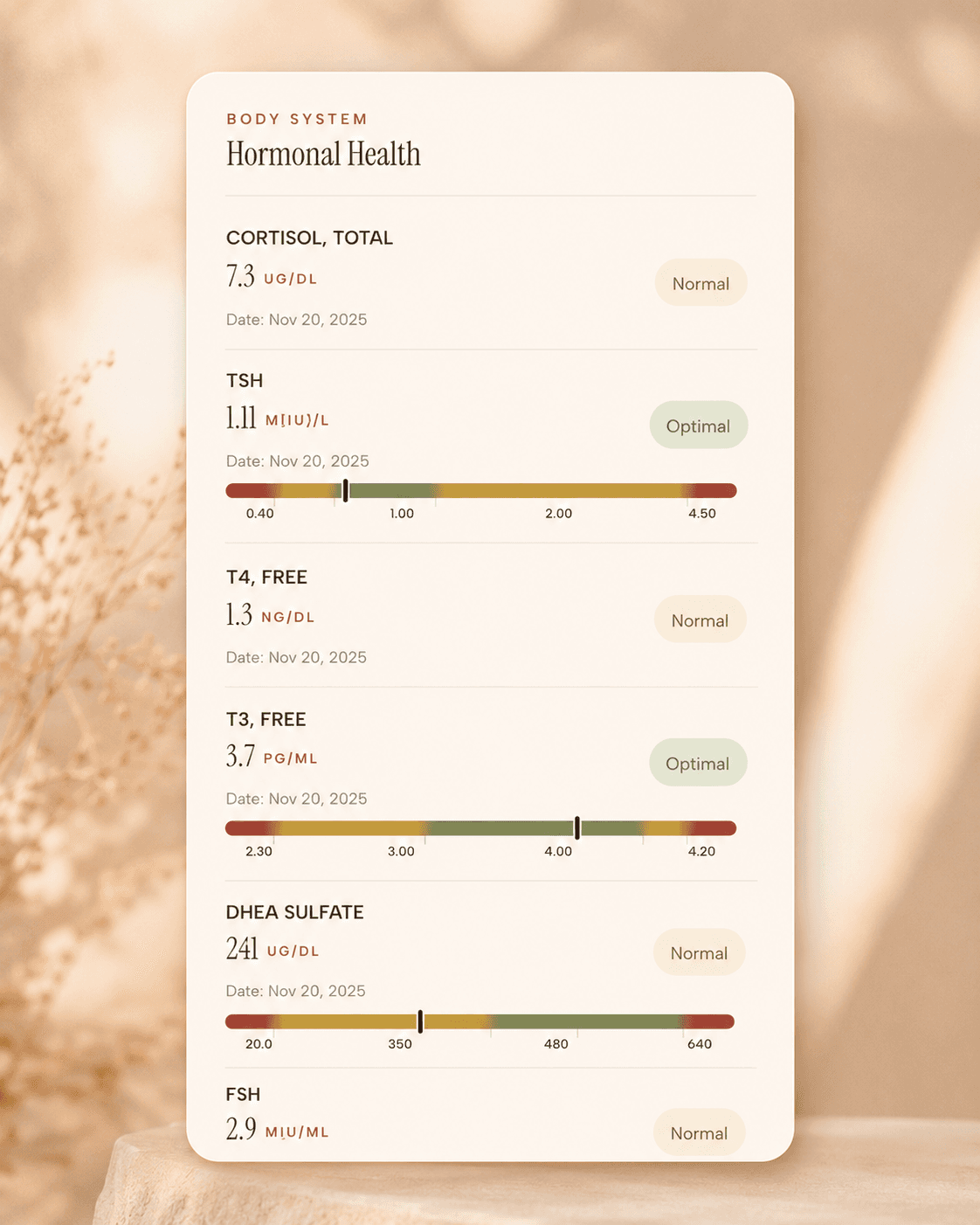
Thyroid problems can make bleeding patterns unpredictable, and unexpected estrogen exposure can keep the uterine lining more active than it should be. Checking a few labs will not replace imaging, but it can explain why your body is acting “less postmenopausal” than expected. If you are on hormone therapy, bring the exact product name and dosing schedule, because small changes in progesterone timing can matter.
Useful biomarkers to discuss with your clinician
Estradiol
Estradiol in men is produced from testosterone via aromatase enzyme. In functional medicine, we recognize that men need optimal estradiol levels for bone health, cognitive function, and cardiovascular protection. However, excessive estradiol can suppress testosterone production and cause feminizing effects. The testosterone-to-estradiol ratio is crucial for male health, with optimal balance supporting vitality while preventing estrogen dominance. Balanced estradiol levels in men support bone health and cognitive…
Learn moreProgesterone
While primarily known as a female hormone, progesterone plays important roles in men including neuroprotection, sleep quality, and as a precursor to other hormones. In functional medicine, male progesterone assessment helps evaluate overall hormone synthesis pathways and stress response. Low progesterone in men may indicate chronic stress or adrenal dysfunction, while optimal levels support brain health and sleep quality. Progesterone in men supports neurological health, sleep quality, and serves as a building b…
Learn moreHs Crp
High-sensitivity C-reactive protein (hs-CRP) is a key marker of systemic inflammation and cardiovascular risk. In functional medicine, we recognize hs-CRP as one of the most important predictors of heart disease, stroke, and metabolic dysfunction. Levels above 1.0 mg/L indicate increased inflammation that may be driven by poor diet, chronic infections, autoimmune conditions, or metabolic syndrome. Optimal levels below 0.5 mg/L are associated with the lowest cardiovascular risk and overall inflammatory burden. hs…
Learn moreLab testing
Get thyroid and hormone labs checked at Quest
starting from $99 panel with 100+ tests, one visit
No referral needed, and you can bring results to your clinician
About 1 week
Schedule online — results typically within a week
Clear next steps
Guidance included, with follow-up care available
HSA / FSA
Eligible for pre-tax health spending accounts
Pro Tips
Write down the date you hit “12 months with no bleeding,” because that single detail changes how clinicians label and triage the symptom.
Track the bleeding like you would track a migraine: note the color (pink, red, brown), the amount (streaks vs needing a pad), and what happened right before it, such as sex or a new medication dose.
If you use hormone therapy, take a photo of the box or screenshot the prescription label before your visit, because brand names and progesterone schedules are easy to mix up when you are stressed.
Ask your ultrasound report to include the endometrial thickness measurement in millimeters, because that number often drives whether a biopsy is recommended.
If you feel lightheaded, short of breath on stairs, or unusually exhausted along with bleeding, ask for a same-week hemoglobin check, because anemia can sneak up even when bleeding looks “not that heavy.”
Frequently Asked Questions
Is it normal to have a period again after menopause?
Once you have gone 12 months without any bleeding, bleeding is no longer considered a normal period, even if it feels period-like. The most common causes are thinning tissue, polyps, or medication effects, but clinicians also need to rule out endometrial hyperplasia and cancer. The right next step is to call your clinician and ask about a transvaginal ultrasound and whether you need an endometrial biopsy.
How much bleeding after menopause is concerning?
Any new bleeding after 12 months without periods deserves evaluation, because the amount does not reliably predict the cause. Light spotting can still come from a polyp or a lining problem, and heavier bleeding can still be benign. If you are soaking a pad in an hour, passing large clots, or feeling faint, seek urgent care while you arrange follow-up.
Can stress cause bleeding after menopause?
Stress can affect hormones and bleeding patterns during perimenopause, but after menopause it is rarely the true explanation for new bleeding. It is more likely that stress is happening alongside something physical such as vaginal dryness, a polyp, or a medication change. Treat stress as real and worth addressing, but still get the bleeding checked with ultrasound and, if recommended, biopsy.
What tests do doctors do for postmenopausal bleeding?
Most workups start with a pelvic exam and a transvaginal ultrasound to measure the uterine lining and look for polyps or fibroids. If the lining is thickened or the bleeding persists, an endometrial biopsy is often the next step to rule out hyperplasia or cancer. Labs like TSH, estradiol, and FSH can add context, especially if your hormone status or medications make the picture confusing.
Can hormone replacement therapy cause bleeding after menopause?
Yes, hormone therapy can cause breakthrough bleeding, especially in the first 3–6 months or if progesterone coverage is not well matched to estrogen. The pattern matters: predictable light bleeding soon after starting therapy is different from new bleeding after being stable for a long time. Do not stop hormones abruptly without guidance; instead, bring your exact regimen to your clinician so they can adjust dosing and decide if imaging is needed.