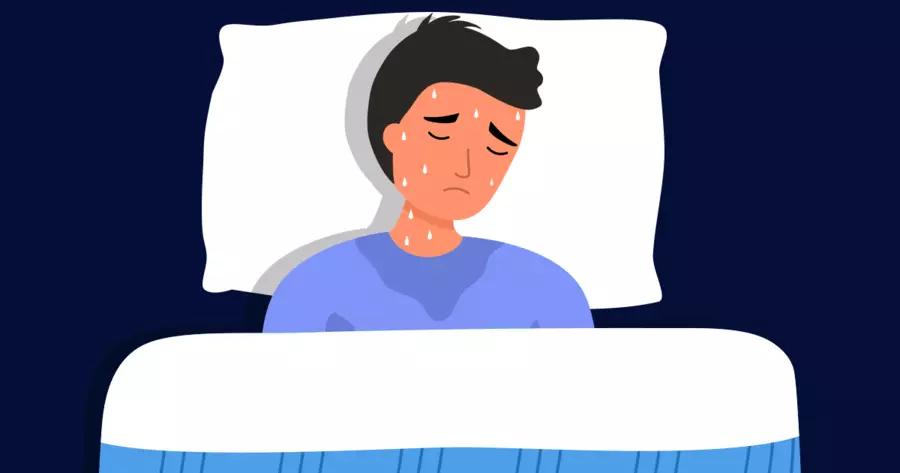
Hot Flashes in Teenagers: What They Mean and What Helps
Hot flashes in teenagers often come from puberty hormone swings, anxiety surges, or thyroid overactivity. Targeted labs available—no referral needed.





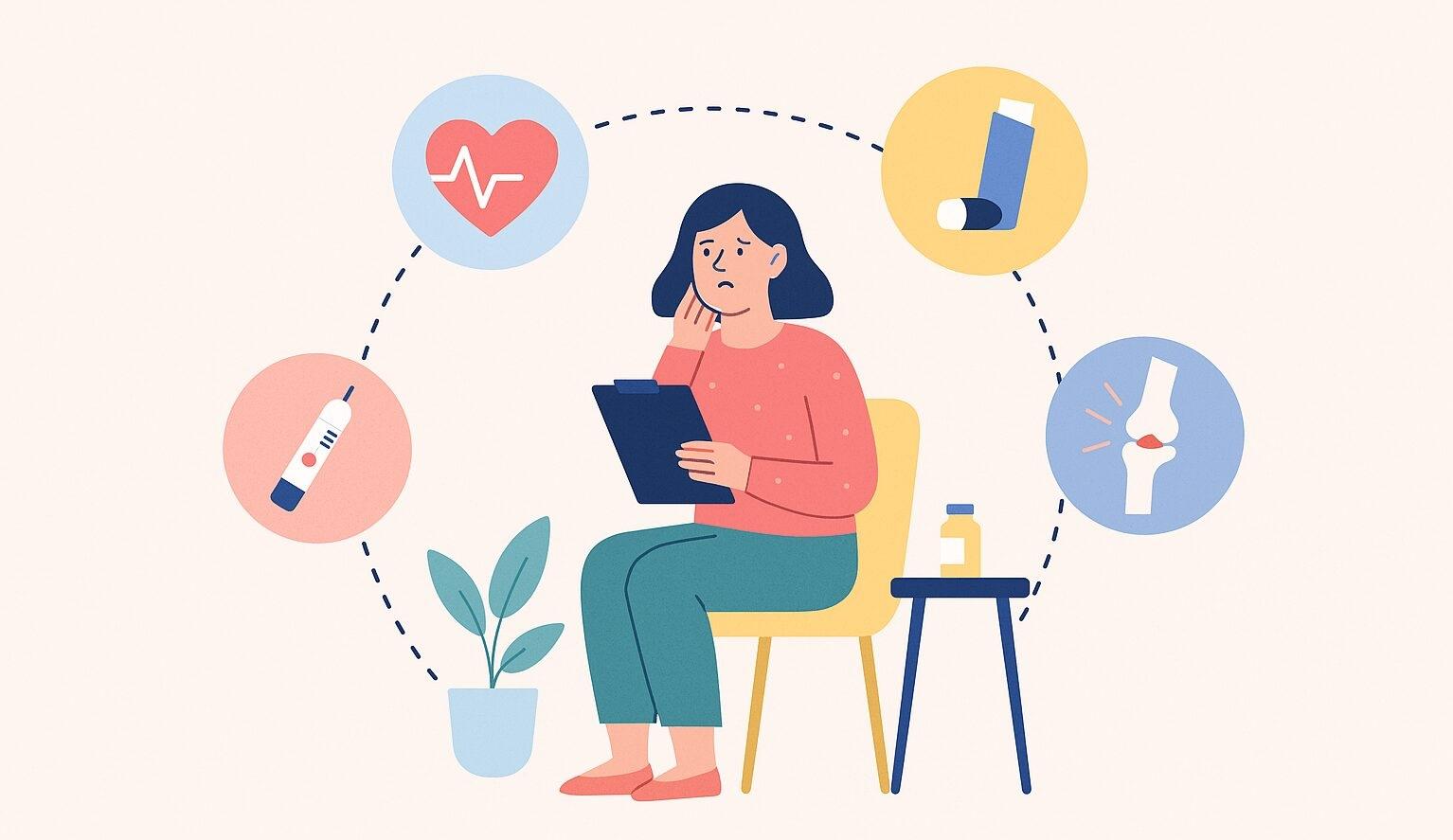
Hot flashes in teenagers are usually your body’s temperature control system reacting to hormone shifts from puberty, stress-and-adrenaline spikes, or an overactive thyroid. They can feel intense and embarrassing, but the pattern and a few targeted blood tests often make the “why” much clearer. If you’re 14 or 17 and suddenly getting waves of heat, sweating, and a flushed face, it can be scary because hot flashes are something you’ve mostly heard about in menopause. In teens, they are more often about a sensitive “brain thermostat” and a nervous system that’s running a little too hot, especially when sleep is short, anxiety is high, or hormones are changing fast. This guide walks you through the most common causes, what helps in the moment and long-term, and which labs can rule out the important stuff. If you want help matching your exact pattern to the most likely cause, PocketMD can talk it through with you, and Vitals Vault labs can help confirm what’s going on.
Why hot flashes happen in teenagers
Puberty hormone swings
During puberty, your estrogen and progesterone (or testosterone) can rise and fall quickly, and your brain’s thermostat can overreact to small changes. That overreaction can trigger a sudden heat wave, sweating, and a red face even when the room is not hot. If your hot flashes cluster around growth spurts, new acne, breast development, or changing periods, the timing itself is a clue. A simple two-week log can help you see whether episodes track with your cycle or with sleep and stress.
Anxiety surges and adrenaline
A hot flash can be a “body alarm” moment where your nervous system flips into fight-or-flight, even if your mind does not feel panicked yet. Adrenaline opens up skin blood vessels and ramps up sweating, so you feel suddenly overheated and sometimes shaky or nauseated. This is especially common before presentations, during social stress, or after caffeine or energy drinks. If you also get a racing heart or tingling hands, practicing slow exhale breathing during the first 30 seconds can shorten the episode.
Overactive thyroid
Your thyroid is like your body’s metabolism dial, and when it is turned up too high, you generate more heat and sweat more easily. You might notice you cannot tolerate warm rooms, you feel “wired,” or you lose weight without trying. Hot flashes from thyroid overactivity often come with frequent bowel movements and a fast pulse. This is one of the most important causes to rule out because treatment can make a big difference quickly.
Low iron stores (ferritin)
Low iron stores can make your body work harder to deliver oxygen, which can feel like internal heat, flushing, and a pounding heartbeat with mild activity. It can also wreck your sleep, and poor sleep makes temperature swings more likely the next day. Teens who have heavy periods, follow restrictive diets, or train hard for sports are at higher risk. If you are also tired, short of breath on stairs, or craving ice, ferritin testing is worth discussing.
Medication or supplement effects
Some medicines can trigger flushing by widening blood vessels or changing how your brain handles serotonin and norepinephrine. This can happen with certain antidepressants, ADHD stimulants, acne treatments, and even “pre-workout” supplements that contain stimulants. The timing matters: if hot flashes started within a few weeks of a new pill, dose change, or new supplement, that connection is meaningful. Do not stop a prescribed medication suddenly, but do bring the timeline to your clinician so you can adjust safely.
What actually helps teen hot flashes
Use a fast cool-down routine
When a hot flash hits, your goal is to cool your skin quickly so your brain’s thermostat stops escalating. Put a cold drink or cold pack against the sides of your neck or your upper chest for 60–90 seconds, and loosen tight collars or hoodies. If you can, step into a cooler room or stand near a fan because moving air helps sweat evaporate. This is simple, but it often turns a 10-minute episode into a 2-minute one.
Cut the trigger that fits you
Triggers are personal, but in teens the big ones are often energy drinks, strong coffee, spicy foods right before class, and hot showers. Instead of trying to “be perfect,” pick one likely trigger and run a one-week experiment where you remove it and see what changes. If episodes drop by half, you have real leverage without needing medication. If nothing changes, you can stop blaming yourself and look for a different cause.
Stabilize sleep temperature at night
Nighttime heat episodes are more likely when your room is warm and your bedding traps heat, which keeps your nervous system on edge. Aim for a cooler room and use breathable layers so you can throw off one layer quickly without waking fully. If you wake sweaty, change your shirt and do a slow exhale breathing pattern for two minutes to prevent a second wave. Better nights usually mean fewer daytime hot flashes too.
Treat the underlying condition
If labs point to thyroid overactivity, low iron stores, or another medical driver, treating that driver is the most effective “hot flash treatment.” Thyroid treatment can reduce heat intolerance and sweating, while iron repletion can improve palpitations, fatigue, and sleep. The key is matching the fix to the cause instead of trying random supplements. If your hot flashes come with fainting, chest pain, or rapid weight loss, that is a reason to get evaluated promptly.
Talk about hormone patterns
If your hot flashes track with irregular or very heavy periods, severe cramps, or new facial hair and acne, it is worth discussing hormone pattern issues with a clinician. Sometimes the solution is as simple as addressing heavy bleeding that is draining iron, and sometimes it involves cycle regulation. You do not need to “tough it out” just because you are young. Bring a symptom-and-cycle calendar to the visit so you are not relying on memory.
Useful biomarkers to discuss with your clinician
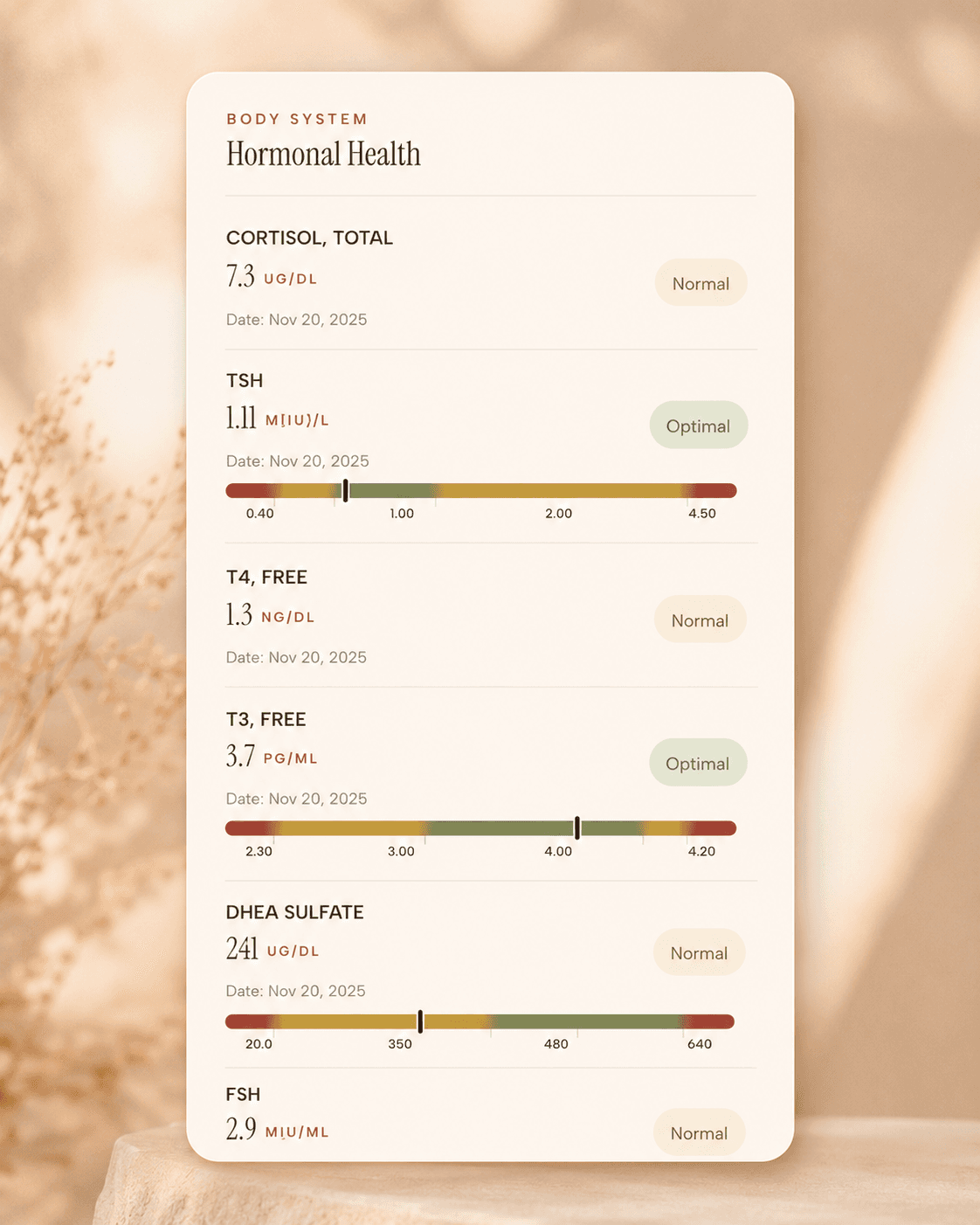
TSH
TSH is the master regulator of thyroid function, controlling the production of thyroid hormones T4 and T3. In functional medicine, we use narrower TSH ranges than conventional medicine to identify subclinical thyroid dysfunction early. Even mildly elevated TSH can indicate thyroid insufficiency, leading to fatigue, weight gain, depression, and metabolic dysfunction. TSH levels are influenced by stress, nutrient deficiencies, autoimmune conditions, and environmental toxins. Optimal TSH supports energy, metabolism…
Learn moreFerritin
Ferritin is your body's iron storage protein, reflecting total iron stores in the body. In functional medicine, ferritin assessment is crucial for identifying both iron deficiency and iron overload, conditions that can significantly impact energy levels and overall health. Low ferritin is the earliest sign of iron deficiency, often occurring before anemia develops. This can cause fatigue, weakness, restless leg syndrome, and cognitive impairment. Conversely, elevated ferritin may indicate iron overload, inflamma…
Learn moreEstradiol
Estradiol in men is produced from testosterone via aromatase enzyme. In functional medicine, we recognize that men need optimal estradiol levels for bone health, cognitive function, and cardiovascular protection. However, excessive estradiol can suppress testosterone production and cause feminizing effects. The testosterone-to-estradiol ratio is crucial for male health, with optimal balance supporting vitality while preventing estrogen dominance. Balanced estradiol levels in men support bone health and cognitive…
Learn moreLab testing
Get TSH, free T4, and ferritin checked at Quest
starting from $99 panel with 100+ tests, one visit
No referral needed
About 1 week
Schedule online — results typically within a week
Clear next steps
Guidance included, with follow-up care available
HSA / FSA
Eligible for pre-tax health spending accounts
Pro Tips
Run a 14-day “flash log” where you rate each episode 1–10 and write what happened in the 30 minutes before; patterns like caffeine, stress, or hot showers usually show up fast.
If you get hot flashes at school, keep a small plan in your bag: a refillable cold water bottle and a spare T-shirt can turn a stressful day into a manageable one.
Try the 1-minute reset when a wave starts: inhale gently for 4 seconds, then exhale slowly for 6–8 seconds, and repeat; longer exhales signal your nervous system to downshift.
If your episodes happen after workouts, cool down gradually instead of stopping suddenly, and change out of sweaty clothes quickly because trapped heat can trigger a second wave.
If you have periods, write down the first day of bleeding and the day hot flashes spike; bringing that calendar to a visit helps your clinician take you seriously and move faster.
Frequently Asked Questions
Is it normal to have hot flashes during puberty?
It can be normal, because puberty hormones can make your brain’s temperature control system extra sensitive for a while. The episodes are more reassuring when they are brief, you otherwise feel well, and they come and go with stress or sleep changes. If hot flashes are frequent, wake you nightly, or come with weight loss, a fast heart rate, or tremor, ask about checking TSH and free T4. Keeping a two-week symptom log helps you and your clinician spot patterns quickly.
Can anxiety cause hot flashes even if I’m not panicking?
Yes. Your nervous system can release adrenaline before you consciously feel anxious, and that can cause flushing, sweating, and a sudden heat wave. If you also notice a racing heart, shaky hands, or nausea, that points toward a stress-response pattern. Try slow exhale breathing for 1–2 minutes at the start of an episode and see if it shortens the intensity. If it keeps happening, it is worth discussing anxiety support and caffeine intake.
What thyroid problem causes hot flashes in teenagers?
An overactive thyroid can make you feel hot, sweaty, and unable to tolerate warm rooms because your metabolism is running too fast. The first screening test is TSH, and it is usually paired with free T4 to confirm what is happening. A low TSH (often below about 0.4 mIU/L) with a high free T4 is a common pattern in hyperthyroidism. If you suspect this, get tested rather than guessing, because treatment can relieve symptoms and protect your heart.
Can low iron cause hot flashes or sweating?
Low iron stores can contribute to flushing and sweating indirectly by causing palpitations, poor sleep, and a “revved up” feeling with mild activity. Ferritin is the key test because it reflects iron storage, and it can be low even when hemoglobin looks normal. Many clinicians get concerned when ferritin is below about 30 ng/mL, especially with heavy periods or fatigue. If ferritin is low, ask for a specific iron plan and a recheck timeline.
When should I worry about hot flashes as a teen?
Get checked sooner if hot flashes come with fainting, chest pain, severe shortness of breath, rapid unintentional weight loss, or a persistently fast heartbeat at rest. Those features raise the odds of a medical driver like thyroid overactivity, anemia, infection, or a medication effect that needs attention. If you are otherwise well but episodes are frequent or disruptive, it is still reasonable to ask for targeted labs like TSH, free T4, and ferritin. Bring your symptom log so the visit is focused and efficient.
Research worth knowing about
North American Menopause Society position statement on nonhormone therapies for vasomotor symptoms (helps explain brain thermostat mechanisms and treatment options)
American Thyroid Association guidelines for diagnosing and managing hyperthyroidism (heat intolerance and sweating are classic symptoms)
ACOG guidance on screening and management of bleeding disorders in adolescents with heavy menstrual bleeding (relevant when hot flashes relate to iron loss and fatigue)