Why Your Cholesterol Can Rise When You’re Stressed
High cholesterol under stress often comes from cortisol-driven insulin resistance, sleep loss, or stress eating. Targeted labs at Quest—no referral needed.





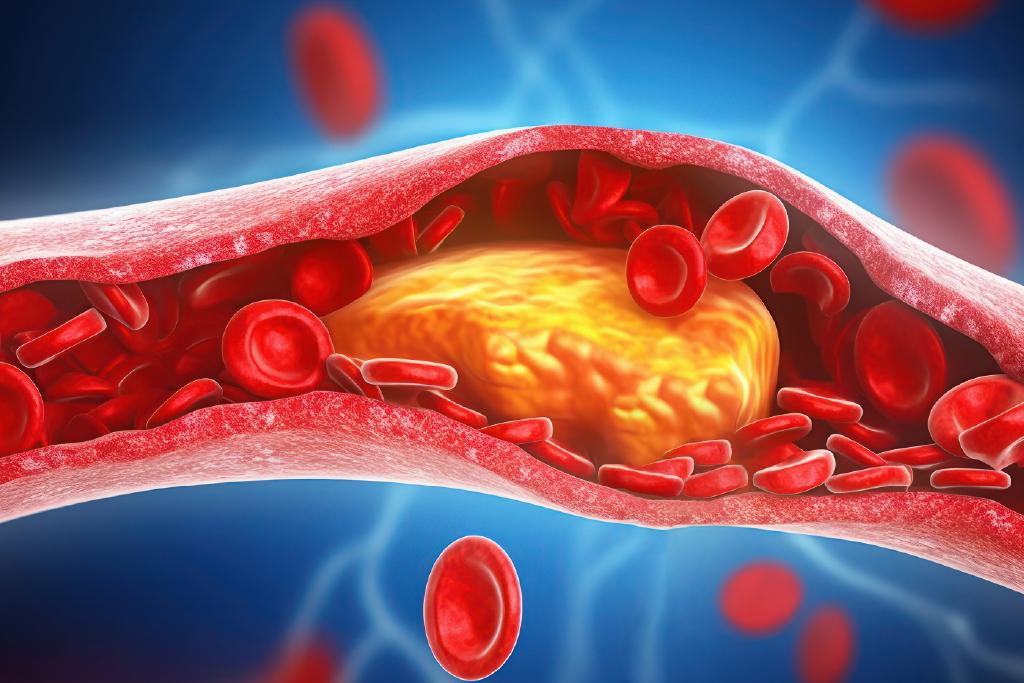
High cholesterol under stress usually isn’t “just bad luck.” Stress hormones can push your liver to make more cholesterol-carrying particles, stress can worsen blood sugar control, and poor sleep can shift how your body handles fats, which means your LDL and triglycerides can climb even if your diet hasn’t changed much. A few targeted labs can help you tell the difference between a temporary stress spike and a pattern that needs treatment. This gets confusing because “cholesterol” is not one thing, and stress changes your behavior and your biology at the same time. You might be eating differently, moving less, and sleeping worse, but you might also be running on higher cortisol and adrenaline, which affects how your liver packages fat into the bloodstream. If you want help making sense of your numbers and what to do next, PocketMD can talk it through with you, and VitalsVault labs can help you check the specific markers that matter most for heart risk.
Why your cholesterol can rise during stress
Cortisol pushes your liver harder
When you’re under chronic stress, your body often runs higher on the main stress hormone (cortisol), which tells your liver to keep fuel available. One way it does that is by producing and releasing more fat-carrying particles, so LDL and triglycerides can drift up. If your cholesterol rose during a stressful season and you also feel wired, hungry at odd times, or you’re waking up too early, this mechanism is worth considering.
Stress worsens insulin resistance
Stress can make your cells less responsive to insulin, which means your body needs more insulin to keep blood sugar steady. That “high insulin” state nudges your liver to make more triglyceride-rich particles and can lower HDL, creating the classic pattern of metabolic cholesterol changes. The takeaway is that improving blood sugar control often improves lipids, even before you change much else.
Sleep loss changes fat metabolism
A few weeks of short or broken sleep can raise appetite signals and shift how your body processes fats after meals. You might see higher triglycerides, and LDL can look worse because your body is clearing particles less efficiently. If your stress is paired with insomnia or late-night work, treating sleep like a medical lever (not a luxury) can meaningfully change your next lipid panel.
Stress eating and alcohol add up
Under stress, it’s easy to reach for ultra-processed comfort foods or drink more often, and your liver has to package that extra energy into the bloodstream. That tends to raise triglycerides first, and over time it can raise LDL as well, especially if the pattern becomes nightly. A practical clue is timing: if your numbers worsened after a few months of “survival mode” eating, you’re not imagining the connection.
Your baseline risk was already high
Sometimes stress is the spotlight, not the root cause, because you already have a strong genetic tendency toward high LDL or a high number of cholesterol particles. In that case, stress can still worsen the numbers, but even when life calms down you may not return to a low-risk range. If heart disease runs in your family or your LDL has been elevated since your 20s or 30s, ask specifically about particle-based risk markers like ApoB.
What actually helps (even if life is hectic)
Aim for ApoB, not just LDL
LDL cholesterol is a concentration, but ApoB is closer to a “particle count,” and particles are what get into artery walls. If stress is changing your triglycerides or shifting LDL size, LDL alone can mislead you, while ApoB usually stays honest about risk. A concrete next step is to set a target with your clinician, because many people do well aiming for ApoB under 80 mg/dL if risk is moderate, and under 60 mg/dL if risk is high.
Build a “weekday default” meal
When stress is high, willpower is unreliable, so you need a repeatable option that lowers LDL without requiring perfection. A simple default is a high-fiber base (like oats, beans, or lentils) plus a protein you tolerate, because soluble fiber helps pull cholesterol out through your gut. If you do one thing this week, add 5–10 grams of soluble fiber daily and recheck lipids in 8–12 weeks.
Use exercise as a triglyceride tool
Triglycerides are especially responsive to movement, and you don’t need marathon training for it to count. A brisk 10–20 minute walk after your largest meal can lower post-meal fat spikes, which is often where stress eating does the most damage. If you’re overwhelmed, make it tiny and consistent: one post-dinner walk most days beats an ambitious plan you never start.
Fix sleep with a hard cutoff
If you keep working or scrolling until you fall asleep, your nervous system never gets the “safe now” signal, and that can keep cortisol high into the night. Pick a non-negotiable cutoff time and build a short wind-down that you can do even on bad days, like a shower and dim lights, because consistency is what resets your rhythm. If you snore loudly or wake up choking, ask about sleep apnea, since treating it can improve lipids and blood pressure.
If you’re on a statin, personalize it
If you’ve stopped a statin because of muscle aches or fatigue, you’re not alone, but you often have options besides quitting entirely. Many people tolerate a different statin, a lower dose, or alternate-day dosing, and some benefit from adding a non-statin medication so the statin dose can be smaller. Bring your exact symptoms and timing to your clinician, because the pattern helps separate true side effects from stress-related aches.
Lab tests that help explain high cholesterol under stress
LDL Cholesterol
LDL cholesterol is the primary target for cardiovascular risk reduction. Calculated LDL is accurate when triglycerides are below 400 mg/dL. Elevated LDL drives atherosclerosis and cardiovascular disease. Lower is generally better, with targets depending on individual risk factors. Calculated LDL Cholesterol uses the Friedewald equation to estimate LDL from total cholesterol, HDL cholesterol, and triglycerides. It's the most common method for LDL assessment.
Learn moreTriglycerides
Triglycerides are the primary form of stored fat and reflect carbohydrate metabolism and insulin sensitivity. In functional medicine, triglycerides are one of the most responsive biomarkers to dietary changes. Elevated triglycerides often indicate insulin resistance, metabolic syndrome, and increased cardiovascular risk. The triglyceride-to-HDL ratio is an excellent predictor of insulin sensitivity and particle size. High triglycerides contribute to small, dense LDL particles and reduced HDL function. Triglyceri…
Learn moreApolipoprotein B
Apolipoprotein B (ApoB) is the primary protein component of atherogenic lipoproteins including LDL, VLDL, and IDL particles. In functional medicine, ApoB is considered a superior predictor of cardiovascular risk compared to LDL cholesterol because it measures the actual number of atherogenic particles rather than just cholesterol content. Each atherogenic particle contains one ApoB molecule, making it a direct measure of particle number. High ApoB indicates increased cardiovascular risk even when LDL cholesterol…
Learn moreLab testing
Check ApoB, a full lipid panel, and fasting insulin at Quest
starting from $99 panel with 100+ tests, one visit
No referral needed
About 1 week
Schedule online — results typically within a week
Clear next steps
Guidance included, with follow-up care available
HSA / FSA
Eligible for pre-tax health spending accounts
Pro Tips
If your cholesterol jumped during a rough month, repeat the test after 8–12 weeks of steadier sleep and routine, because lipids can lag behind your lifestyle by several weeks.
When you look at your results, write down non-HDL cholesterol (total minus HDL) and triglycerides next to LDL, because stress-related changes often show up there first.
Try a “two-part dinner” on stressful nights: start with a fiber anchor like beans, lentils, or a big salad, and then add the rest. It blunts the post-meal fat and sugar spike without feeling like a diet.
If alcohol is part of your wind-down, run a two-week experiment where you keep everything else the same but cut alcohol to zero. If your triglycerides drop noticeably, you’ve found a high-impact lever.
If you get muscle symptoms on a statin, note the exact start date, which muscles are affected, and whether symptoms improve within 1–2 weeks of stopping. That timeline helps your clinician choose a different statin or dosing strategy instead of guessing.
Frequently Asked Questions
Can stress really raise LDL cholesterol?
Yes. Chronic stress can raise cortisol, worsen insulin resistance, and disrupt sleep, and all three can push LDL and triglycerides higher by changing what your liver releases into the blood. The most useful next step is to check ApoB along with a lipid panel, because ApoB tells you whether your particle number is truly high.
How fast can cholesterol change after a stressful period?
Cholesterol can shift within weeks, but it often takes 6–12 weeks for a new steady state to show up on labs. That’s why a repeat lipid panel after 8–12 weeks of more stable sleep, meals, and activity is a reasonable way to see what was temporary versus persistent. If your LDL is very high (like 190 mg/dL or more), don’t wait to discuss it.
Is high cholesterol from stress less dangerous than “regular” high cholesterol?
Your arteries don’t really care why the particles are high; they care how many atherogenic particles are circulating and for how long. If stress is causing a short-lived bump, your long-term risk may be lower than someone with lifelong elevations, but it still matters if ApoB stays high. Use ApoB and non-HDL cholesterol to judge the true risk signal.
What number should I focus on: LDL, non-HDL, or ApoB?
If you can only pick one, ApoB is often the clearest because it reflects particle number, especially when triglycerides are elevated. Non-HDL cholesterol is a strong second choice and you can calculate it from a standard lipid panel. LDL is still useful, but it can look “okay” even when particle-based risk is not.
I’m on a statin and my cholesterol is still high — is stress the reason?
Stress can blunt your progress by raising triglycerides and shifting metabolism, but it’s not the only explanation. Sometimes the dose is too low for your baseline risk, sometimes adherence is inconsistent during chaotic weeks, and sometimes you need an add-on medication if genetics are strong. Bring your ApoB, non-HDL, and triglycerides to the conversation so your plan is based on the right targets.