Why You Have High Cholesterol With Anxiety (and What Helps)
High cholesterol with anxiety often reflects stress hormones, sleep loss, or genetics driving ApoB and LDL. Targeted blood tests available—no referral needed.





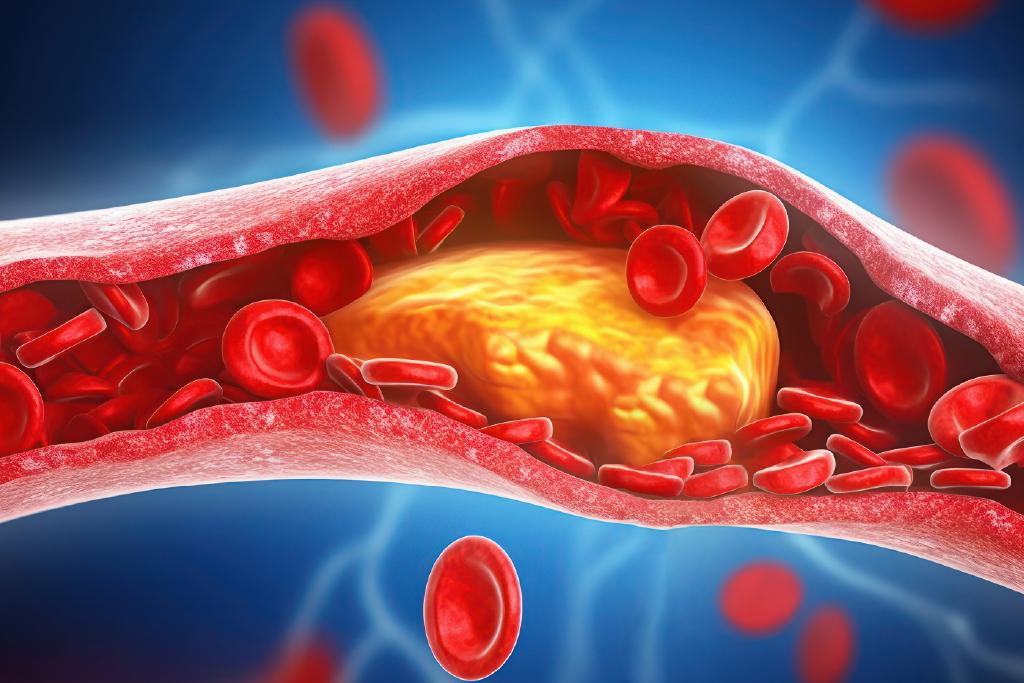
High cholesterol with anxiety usually comes from one of three buckets: your stress response pushing your liver to make more blood fats, sleep disruption that worsens insulin resistance, or genetics that keep LDL particles high even when you “do everything right.” The anxiety can also spike when you see a scary number, which makes it feel like your body is failing you. A few targeted labs can help you tell whether this is mostly lifestyle and stress physiology, a thyroid or metabolic issue, or a particle-number problem that needs medication. This combo is common because cholesterol is not just “food fat in your blood.” Your liver makes most of it, and it responds to hormones, sleep, inflammation, and genetics. Meanwhile anxiety makes you scan for danger, so a lab result can turn into a constant mental alarm about heart attack or stroke. In this guide you’ll learn the most likely reasons the two travel together, what changes actually move the needle, and which tests are most useful. If you want help interpreting your specific pattern, PocketMD can talk it through with you, and Vitals Vault labs can help you check the markers that matter most for risk—not just one cholesterol number.
Why high cholesterol and anxiety show up together
Stress hormones raise blood fats
When you’re under chronic stress, your body runs on “fuel now” signals like cortisol and adrenaline, which can push your liver to release more triglycerides and package more LDL particles. That does not mean stress “creates plaque overnight,” but it can nudge your numbers up enough to trigger worry. The takeaway is practical: if your cholesterol jumped during a rough season, it’s worth rechecking after 8–12 weeks of steadier sleep and routines before you assume it’s permanent.
Sleep loss worsens insulin resistance
Short or broken sleep makes your cells less responsive to insulin, which often raises triglycerides and lowers HDL, and it can also increase small, dense LDL particles. The same sleep disruption also makes anxiety louder because your brain has less bandwidth to regulate fear. If you wake up unrefreshed or you snore, treating sleep as a medical issue—not a willpower issue—can improve both your mood and your lipid pattern.
Genetics keep LDL high
Some people inherit a tendency to have high LDL particle counts, even with a solid diet and regular exercise. This is why you can feel like you’re doing everything “right” and still see LDL stay stubbornly elevated, which is incredibly anxiety-provoking. A useful next step is to measure ApoB, because it reflects the number of atherogenic particles and helps separate “high cholesterol on paper” from “high particle burden that needs treatment.”
Thyroid slowdown raises LDL
If your thyroid is underactive, your liver clears LDL from the bloodstream more slowly, so LDL can climb and you may also feel tired, foggy, or more emotionally flat. Anxiety can still be present, especially if you’re worried about your health, but the body symptoms often feel like you’re moving through mud. If your cholesterol rose alongside fatigue, constipation, or feeling cold, a thyroid check is a high-yield way to look for a fixable driver.
Medication and supplement effects
Some medications can shift lipids, and some can amplify anxious sensations like a racing heart or jitteriness, which makes the whole situation feel worse. Even “natural” products can be stimulating, and stopping or starting a statin can create a nocebo loop where you expect side effects and then notice every ache. The takeaway is to review your full list—including pre-workouts and fat burners—with your clinician, and make one change at a time so you can tell what actually helped.
What actually helps (without spiraling)
Anchor on ApoB, not just LDL
LDL cholesterol is a concentration, but ApoB is closer to “how many risky particles are circulating,” which is what drives plaque over time. If your anxiety spikes with every LDL fluctuation, using ApoB as your main target can make decisions clearer and calmer. Ask for an ApoB goal you can remember, and then track progress every 8–12 weeks rather than obsessing weekly.
Try a 4-week soluble fiber plan
Soluble fiber binds bile acids in your gut, which forces your liver to use more cholesterol to replace them, and that can lower LDL for many people. This works best when it’s consistent, not heroic, so think “daily oats or psyllium” rather than a complicated diet overhaul. Start low and increase over a week so you don’t trade anxiety for bloating.
Swap fats in a targeted way
Replacing saturated fats with unsaturated fats can lower LDL, but you don’t have to live on salads to do it. A simple approach is to choose olive oil, nuts, seeds, and fatty fish more often, and treat butter, coconut oil, and high-fat processed meats as occasional. If you want the change to stick, pick one meal you eat most days and upgrade that first.
Build a “cholesterol calm” routine
Your nervous system affects your metabolism, so a short daily downshift can be a cholesterol intervention, not just a mental health one. Ten minutes of brisk walking after a meal can lower post-meal triglyceride spikes, and a 5-minute slow-breathing practice can reduce the physical panic sensations that keep you stuck. The goal is not perfection; it’s giving your body a predictable signal that the emergency is over.
If needed, discuss medication options
If your ApoB or LDL stays high despite solid habits—especially with a strong family history—medication can be the most anxiety-relieving option because it lowers risk reliably. Many people do well on statins, and if side effects are an issue, dose adjustments or alternatives like ezetimibe can be considered with your clinician. A concrete step is to bring your last two lipid results and a list of symptoms you’re worried about, so the conversation stays specific.
Useful biomarkers to discuss with your clinician
Apolipoprotein B
Apolipoprotein B (ApoB) is the primary protein component of atherogenic lipoproteins including LDL, VLDL, and IDL particles. In functional medicine, ApoB is considered a superior predictor of cardiovascular risk compared to LDL cholesterol because it measures the actual number of atherogenic particles rather than just cholesterol content. Each atherogenic particle contains one ApoB molecule, making it a direct measure of particle number. High ApoB indicates increased cardiovascular risk even when LDL cholesterol…
Learn moreLDL Cholesterol
LDL cholesterol is the primary target for cardiovascular risk reduction. Calculated LDL is accurate when triglycerides are below 400 mg/dL. Elevated LDL drives atherosclerosis and cardiovascular disease. Lower is generally better, with targets depending on individual risk factors. Calculated LDL Cholesterol uses the Friedewald equation to estimate LDL from total cholesterol, HDL cholesterol, and triglycerides. It's the most common method for LDL assessment.
Learn moreCortisol, Total
Cortisol is the primary stress hormone that regulates metabolism, immune function, and blood pressure. In functional medicine, cortisol assessment is crucial for understanding stress response and its impact on overall health. Chronic elevation suppresses testosterone production and immune function, while low cortisol indicates adrenal insufficiency. Optimal cortisol rhythm supports energy, mood stability, and hormone balance. Cortisol orchestrates the body's stress response and daily energy rhythms. Balanced cor…
Learn moreLab testing
Check ApoB, a full lipid panel, and HbA1c at Quest
starting from $99 panel with 100+ tests, one visit
No referral needed
About 1 week
Schedule online — results typically within a week
Clear next steps
Guidance included, with follow-up care available
HSA / FSA
Eligible for pre-tax health spending accounts

Pro Tips
When you get your next lipid test, ask your lab to note whether it was fasting and what time you took it, because triglycerides can swing after meals and that can change the calculated LDL.
If a result triggers panic, set a 24-hour rule: write down the number, then wait a day before making any big decisions, and use that time to look at the trend across at least two tests.
Try a 10-minute walk after your biggest meal for two weeks and then recheck how you feel, because post-meal movement is one of the fastest ways to lower triglyceride spikes without “more workouts.”
If you suspect statin side effects, keep a simple symptom log for two weeks before and after any dose change, because it helps you and your clinician separate coincidence from a true pattern.
Ask for ApoB alongside your lipid panel at least once, especially if you have a family history of early heart disease, because it can reveal hidden particle risk even when LDL looks only mildly high.
Frequently Asked Questions
Can anxiety cause high cholesterol?
Anxiety itself does not “create cholesterol,” but chronic stress biology can raise triglycerides and LDL particle production through cortisol and adrenaline effects on the liver. The bigger issue is that anxiety often disrupts sleep and routines, which can worsen insulin resistance and lipid patterns. If your numbers rose during a stressful period, recheck in 8–12 weeks after sleep and habits stabilize, and consider adding ApoB to clarify risk.
Why did my cholesterol jump suddenly when I’m eating better?
A sudden jump can happen from weight loss (temporary LDL rise), a change in thyroid function, less sleep, more alcohol, or simply lab-to-lab variability. It can also happen when triglycerides change, because calculated LDL can shift even if your underlying particle count did not. The most helpful next step is to repeat a lipid panel and add ApoB, so you’re not guessing based on one snapshot.
Is high LDL an emergency if I feel anxious and get chest tightness?
High LDL is usually a long-term risk factor, not an immediate emergency, but chest pressure, shortness of breath, fainting, or pain spreading to your arm or jaw should be treated as urgent—especially if it is new or severe. Anxiety can mimic heart symptoms, which is scary, but you cannot reliably tell the difference at home. If you have concerning chest symptoms right now, seek urgent care, and then circle back to cholesterol once you’re safe.
What’s better to track: LDL or ApoB?
ApoB is often the better “north star” because it reflects the number of atherogenic particles, which is what drives plaque formation over time. LDL cholesterol can look fine even when particle number is high, especially when triglycerides are elevated. If you’re trying to reduce anxiety around the numbers, ask your clinician whether ApoB under about 80–90 mg/dL makes sense for your risk level.
Do statins make anxiety worse?
Most people do not experience increased anxiety from statins, but any medication can affect how you feel, and worry about side effects can amplify normal body sensations. If you notice a clear timing link, do not stop abruptly without a plan; instead, talk with your clinician about a dose adjustment, a different statin, or an alternative like ezetimibe. Bring a short symptom timeline to that visit so the decision is based on pattern, not fear.