High Cholesterol With Depression: What It Can Mean for You
High cholesterol with depression often comes from stress hormones, inflammation, or medication effects. Targeted labs available at Quest—no referral needed.





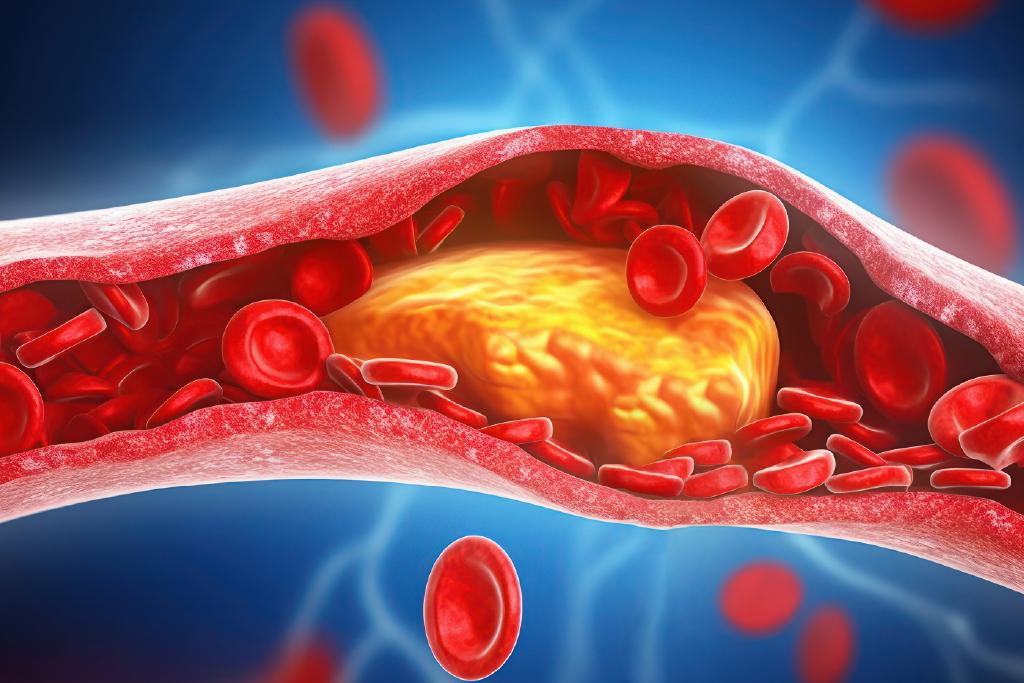
High cholesterol with depression usually isn’t “just bad genes” or “just diet.” It often comes from a mix of stress biology that pushes your liver to make more atherogenic particles, low thyroid function slowing cholesterol clearance, or medication and lifestyle shifts that change appetite, sleep, and activity. A few targeted blood tests can help show which pattern fits you so you can treat the cause instead of blaming yourself. This combo can feel unfair because depression already drains your motivation, and then a lab result shows up that sounds like a heart-attack warning. The good news is that cholesterol is highly “trackable,” and small, specific changes can move the numbers in weeks. If you want help connecting your symptoms, meds, and labs into one plan, PocketMD can talk it through with you, and Vitals Vault labs can help you check the markers that matter most for risk.
Why high cholesterol and depression show up together
Stress hormones shift your lipids
When you’re under chronic stress, your body runs on higher “alarm” hormones like cortisol, which can push your liver to produce more triglyceride-rich particles that later become LDL. That can show up as higher triglycerides, lower HDL, and more small dense LDL, which is a more “sticky” pattern for arteries. If your cholesterol rose during a long stretch of poor sleep, anxiety, or burnout, it’s a clue to look at stress and recovery as part of the treatment, not an afterthought.
Inflammation links mood and arteries
Depression is often accompanied by low-grade inflammation, which can change how your body handles fats and can also make LDL more likely to contribute to plaque. This matters because you can have a “not terrible” LDL number but still have higher risk if inflammation is high. If you’ve also had body aches, frequent infections, gum disease, or an inflammatory condition, it’s worth checking an inflammation marker and treating the source rather than only chasing cholesterol.
Low thyroid slows LDL clearance
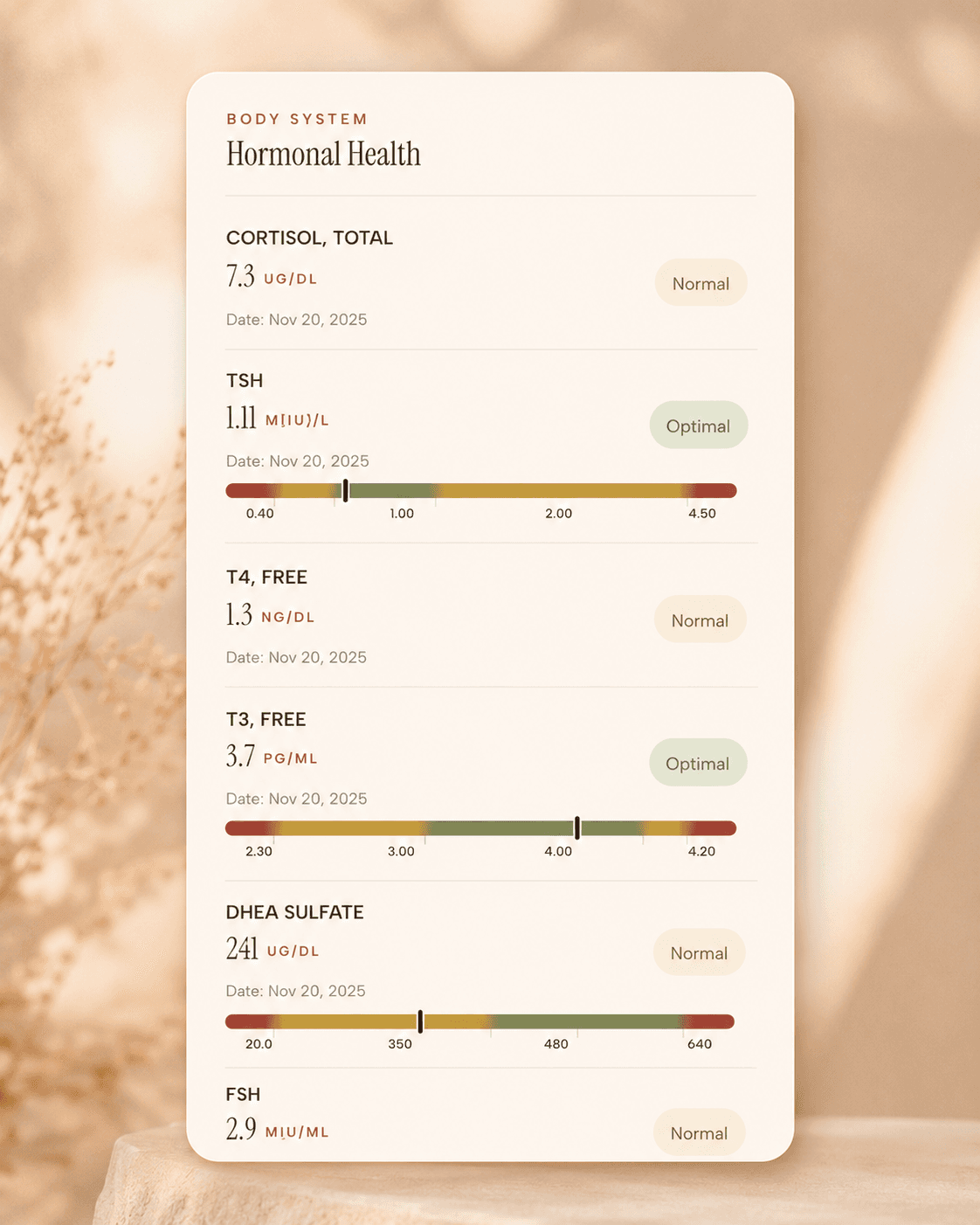
Your thyroid hormone acts like a speed dial for how quickly your liver pulls LDL out of your blood. When thyroid function is low (hypothyroidism), LDL can climb even if your diet hasn’t changed, and you may also feel more depressed, slowed down, and foggy. If your cholesterol rose along with constipation, cold intolerance, dry skin, or heavier periods, a thyroid test is one of the highest-yield next steps.
Medication and appetite changes
Some antidepressants and other common meds can lead to weight gain, higher triglycerides, or changes in blood sugar, partly by increasing appetite and partly by changing how your body stores energy. Even without major weight gain, eating more late at night or relying on ultra-processed comfort foods can push triglycerides up quickly. A practical takeaway is to compare your lipid results to when you started or changed a medication, and bring that timeline to your prescriber so you can discuss alternatives or mitigation.
Genetics plus depression’s ripple effects
If you have a strong family history of early heart disease, you may naturally run higher LDL or higher ApoB, and depression can make it harder to keep up with the routines that usually keep risk in check. This is not a character flaw; it’s biology plus bandwidth. If high cholesterol shows up repeatedly despite reasonable habits, measuring ApoB can help you understand whether you’re dealing with a higher “particle number” that often benefits from medication in addition to lifestyle.
What actually helps (without guessing)
Aim at ApoB, not just LDL
LDL cholesterol is the amount of cholesterol inside particles, but ApoB is a count of the particles themselves, which is often a clearer risk signal. If your ApoB is high, you can feel more confident that lowering it is worth the effort, even if your LDL doesn’t look dramatic. Ask your clinician about an ApoB target around <80 mg/dL for higher-risk people and <90 mg/dL for lower-risk people, and use that number to guide decisions.
Use a “two-lever” food change
For cholesterol, the most reliable food levers are replacing saturated fat with unsaturated fats and increasing soluble fiber, because both reduce the liver’s LDL output and increase clearance. That looks like swapping butter and fatty meats for olive oil, nuts, and fish, and adding oats, beans, or psyllium most days. Keep it small enough to do while depressed, because consistency beats perfection here.
Build a 10-minute movement minimum
Depression makes big exercise plans collapse, so use a floor, not a ceiling. A brisk 10-minute walk after one meal per day can lower post-meal triglycerides and improve insulin sensitivity, which often helps both energy and lipid patterns over time. If you can only do one thing this week, do the walk after dinner and treat it like brushing your teeth.
Talk through statins without fear
Statins lower ApoB and cardiovascular risk for many people, but it’s normal to worry about side effects or whether they affect mood. Most people do not develop depression from statins, and some studies suggest neutral or even protective effects, but your experience matters more than averages. If you suspect a connection, ask about a dose change, a different statin, or adding non-statin options like ezetimibe rather than stopping abruptly and losing protection.
Treat sleep like a lipid therapy
Short or fragmented sleep raises cortisol and appetite hormones, which can push triglycerides up and make cravings louder. You don’t need a perfect routine; you need a repeatable one, even on low-motivation days. Pick a fixed wake time, get outdoor light within an hour of waking, and keep alcohol and late-night snacks as occasional tools rather than nightly coping strategies.
Useful biomarkers to discuss with your clinician
LDL Cholesterol
LDL cholesterol is the primary target for cardiovascular risk reduction. Calculated LDL is accurate when triglycerides are below 400 mg/dL. Elevated LDL drives atherosclerosis and cardiovascular disease. Lower is generally better, with targets depending on individual risk factors. Calculated LDL Cholesterol uses the Friedewald equation to estimate LDL from total cholesterol, HDL cholesterol, and triglycerides. It's the most common method for LDL assessment.
Learn moreApolipoprotein B
Apolipoprotein B (ApoB) is the primary protein component of atherogenic lipoproteins including LDL, VLDL, and IDL particles. In functional medicine, ApoB is considered a superior predictor of cardiovascular risk compared to LDL cholesterol because it measures the actual number of atherogenic particles rather than just cholesterol content. Each atherogenic particle contains one ApoB molecule, making it a direct measure of particle number. High ApoB indicates increased cardiovascular risk even when LDL cholesterol…
Learn moreHs Crp
High-sensitivity C-reactive protein (hs-CRP) is a key marker of systemic inflammation and cardiovascular risk. In functional medicine, we recognize hs-CRP as one of the most important predictors of heart disease, stroke, and metabolic dysfunction. Levels above 1.0 mg/L indicate increased inflammation that may be driven by poor diet, chronic infections, autoimmune conditions, or metabolic syndrome. Optimal levels below 0.5 mg/L are associated with the lowest cardiovascular risk and overall inflammatory burden. hs…
Learn moreLab testing
Check ApoB, TSH, and hs-CRP at Quest
starting from $99 panel with 100+ tests, one visit
No referral needed
About 1 week
Schedule online — results typically within a week
Clear next steps
Guidance included, with follow-up care available
HSA / FSA
Eligible for pre-tax health spending accounts
Pro Tips
If you have a past lipid panel, line it up next to major mood changes, medication starts, or life stressors. A simple timeline often explains “why now?” better than willpower talk.
If your triglycerides are high, try a 2-week experiment where you move most of your carbs earlier in the day and take a 10-minute walk after dinner. Recheck later, because triglycerides can improve fast.
When depression makes cooking impossible, use a default “cholesterol-safe” meal you can repeat: a bagged salad plus canned salmon or beans plus olive oil. Repetition is a feature, not a failure.
If you’re starting a statin, ask for a baseline symptom note and a follow-up plan at 6–12 weeks. Having a plan reduces anxiety and helps you separate true side effects from nocebo fear.
If you’re seeing high LDL but you also feel cold, constipated, and exhausted, don’t only chase diet tweaks. Ask for TSH (and often free T4) because fixing thyroid function can move LDL meaningfully.
Frequently Asked Questions
Can depression cause high cholesterol?
Depression can contribute, especially when it disrupts sleep, raises stress hormones, and changes appetite and activity, which can push triglycerides up and worsen LDL patterns. It can also travel with inflammation, which increases cardiovascular risk even at the same cholesterol level. If your cholesterol changed around the same time as your mood, checking ApoB, TSH, and hs-CRP can help you see the main driver.
Do antidepressants raise cholesterol?
Some antidepressants can indirectly raise triglycerides or worsen cholesterol by increasing appetite, causing weight gain, or affecting blood sugar, although the effect varies a lot by medication and by person. The most useful step is to compare your lipid panel before and after a med change and bring that timeline to your prescriber. If there’s a clear pattern, you can discuss switching meds or adding a lipid-lowering strategy rather than stopping treatment abruptly.
Is LDL or ApoB more important if you’re worried about heart risk?
ApoB is often more informative because it counts the number of atherogenic particles, which is what actually gets into artery walls. LDL can look “okay” while ApoB is high, especially when triglycerides are elevated or you have insulin resistance. If you can only add one extra test beyond a standard lipid panel, ApoB is a strong choice to discuss.
What cholesterol number should worry you the most?
If you’re trying to connect cholesterol to actual risk, ApoB is a top marker, with many targets aiming for <90 mg/dL for lower-risk people and <80 mg/dL for higher-risk people. Very high LDL (often ≥190 mg/dL) can signal a genetic pattern and deserves prompt attention regardless of mood symptoms. If your numbers are in the gray zone, pairing them with hs-CRP and your family history helps you decide how aggressive to be.
When should you get urgent help if you have depression and high cholesterol?
High cholesterol itself is not an emergency, but chest pressure, shortness of breath, one-sided weakness, facial droop, or sudden trouble speaking are urgent symptoms and need emergency care. For depression, new suicidal thoughts, feeling unsafe, or being unable to care for yourself also deserves immediate help. For everything else, schedule a focused visit to review your lipid trend, meds, and a plan to recheck labs in about 6–12 weeks.