High Cholesterol After Eating: What It Means and What to Do
High cholesterol after eating is usually from post-meal triglyceride-rich particles, insulin resistance, or genetics. Targeted labs—no referral needed.





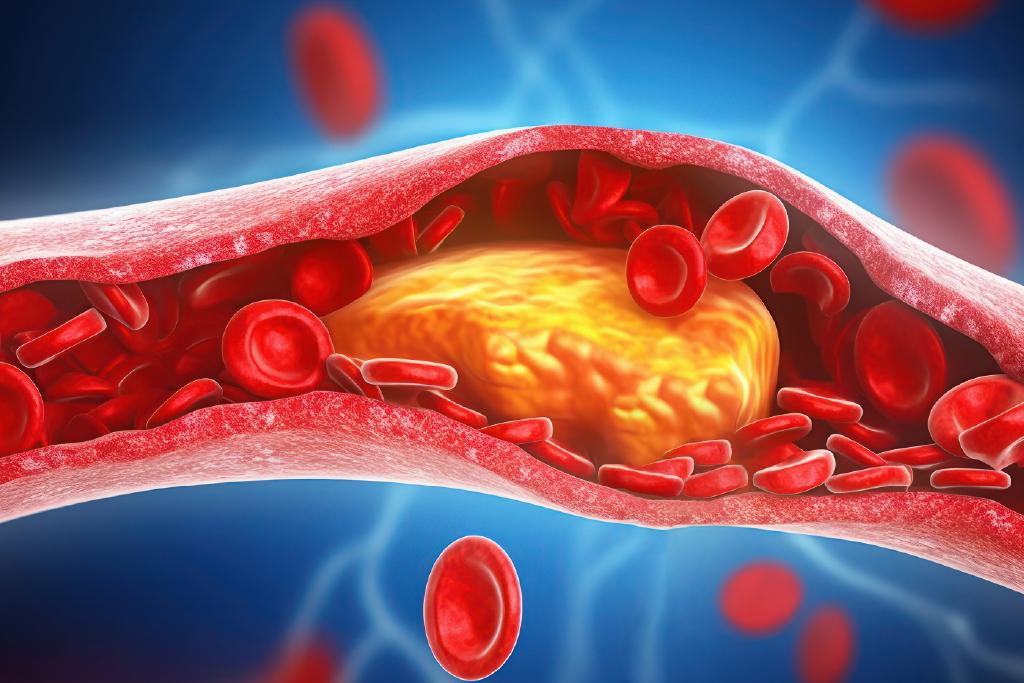
High cholesterol after eating usually means your blood is temporarily carrying more fat particles from your last meal, especially triglyceride-rich “remnant” particles, and that effect is stronger if you have insulin resistance or a genetic tendency toward high LDL. It can also look “worse” simply because your test wasn’t truly fasting, which changes triglycerides and calculated LDL. A few targeted labs can help you tell the difference between a normal post-meal rise and a pattern that raises long-term heart risk. If you’ve ever seen a lipid result and thought, “Wait, I just ate—does that mean I’m in danger right now?” you’re not alone. Cholesterol problems are mostly about what builds up over years, not what happens in one afternoon, but post-meal numbers can still reveal how your body handles fats and sugars. This page walks you through the most common reasons your cholesterol looks higher after meals, what you can do next, and how PocketMD and targeted labs can help you stop guessing and focus on the risk markers that actually matter.
Why your cholesterol looks higher after you eat
Normal post-meal fat traffic
After you eat, your gut packages dietary fat into particles that circulate for hours while your tissues pull out energy. During that window, triglycerides often rise, and the “bad cholesterol” number can shift depending on how the lab calculates it. The takeaway is simple: if your test wasn’t fasting, focus less on the single LDL value and more on patterns over time and on ApoB, which is less sensitive to the last meal.
Insulin resistance slows fat clearance
When your cells don’t respond well to insulin, your liver tends to make more triglyceride-rich particles, and your body clears them more slowly after meals. That can leave you with higher post-meal triglycerides and more remnant particles, which are linked to artery plaque. If you also get sleepiness after carbs, belly weight gain, or higher fasting glucose, it’s worth checking HbA1c and looking for the classic pattern of high triglycerides with low HDL.
Genetic high LDL (familial)
Some people are born with LDL that runs high no matter what they eat because their body doesn’t recycle LDL particles efficiently. In that case, a meal didn’t “cause” the high cholesterol; it just happened to be when you tested. A strong clue is an LDL-C around 190 mg/dL or higher, or a close family history of early heart disease, which is when ApoB and sometimes lipoprotein(a) testing becomes especially useful.
A high-saturated-fat meal effect
Meals heavy in saturated fat can temporarily increase the amount of cholesterol carried in the bloodstream, and over weeks they can push LDL higher in people who are “hyper-responders.” You might notice this if your numbers climb after a stretch of butter, fatty red meat, coconut oil, or certain keto-style patterns. The practical move is to run a consistent 3–4 week experiment where you swap in unsaturated fats and fiber, then recheck the same labs under the same fasting conditions.
A lab artifact from non-fasting LDL
Many labs report LDL using a calculation that assumes triglycerides are stable, but triglycerides often rise after eating. When triglycerides are elevated, calculated LDL can look falsely low or occasionally oddly high, which makes the result feel confusing and unreliable. If your triglycerides were above about 200 mg/dL on a non-fasting test, ask for a repeat fasting lipid panel or a direct LDL measurement so you’re not making decisions off a math problem.
What actually helps (without guessing)
Repeat the test the right way
If your result was drawn within a few hours of eating, repeat a lipid panel after a true 9–12 hour fast, and keep alcohol and unusually heavy workouts out of the day before. You want the cleanest baseline so you can compare apples to apples. Bring both results to your clinician and ask which number they’re treating as your baseline risk marker.
Use ApoB to track risk
ApoB is a count of the atherogenic particles that can get into artery walls, which is why it often tracks risk better than LDL-C when triglycerides are high. Many people feel relieved when they realize their “cholesterol” problem is really a particle-number problem that can be measured directly. A common target is ApoB under 90 mg/dL for lower-risk people and under 70 mg/dL if you have higher risk or known heart disease, but your clinician should personalize it.
Build meals that blunt spikes
If post-meal triglycerides are your issue, the goal is to reduce the size of the fat-and-sugar surge your blood has to process at once. Start by anchoring meals with protein and high-fiber plants, then add fats in a measured way rather than making them the main event. A 10–20 minute walk after eating can also speed triglyceride clearance because your muscles start using circulating fuel right away.
If you’re on a statin, optimize it
If you take a statin and your numbers still look high, it doesn’t automatically mean the medication “isn’t working.” It can mean the dose is too low for your baseline genetics, you’re missing doses because of side effects, or you need an add-on like ezetimibe that targets absorption. The actionable step is to review your LDL-C and ApoB trend with your prescriber and discuss side-effect workarounds before you give up on therapy.
Treat the insulin resistance driver
When HbA1c is creeping up, improving insulin sensitivity often improves triglycerides and HDL even before the scale changes much. You get the most leverage from consistent strength training, better sleep timing, and reducing liquid sugars and refined starches that hit fast. If your HbA1c is in the prediabetes range, ask about a structured plan and whether medication support is appropriate for your risk profile.
Useful biomarkers to discuss with your clinician
Triglycerides
Triglycerides are the primary form of stored fat and reflect carbohydrate metabolism and insulin sensitivity. In functional medicine, triglycerides are one of the most responsive biomarkers to dietary changes. Elevated triglycerides often indicate insulin resistance, metabolic syndrome, and increased cardiovascular risk. The triglyceride-to-HDL ratio is an excellent predictor of insulin sensitivity and particle size. High triglycerides contribute to small, dense LDL particles and reduced HDL function. Triglyceri…
Learn moreLDL Cholesterol
LDL cholesterol is the primary target for cardiovascular risk reduction. Calculated LDL is accurate when triglycerides are below 400 mg/dL. Elevated LDL drives atherosclerosis and cardiovascular disease. Lower is generally better, with targets depending on individual risk factors. Calculated LDL Cholesterol uses the Friedewald equation to estimate LDL from total cholesterol, HDL cholesterol, and triglycerides. It's the most common method for LDL assessment.
Learn moreApolipoprotein B
Apolipoprotein B (ApoB) is the primary protein component of atherogenic lipoproteins including LDL, VLDL, and IDL particles. In functional medicine, ApoB is considered a superior predictor of cardiovascular risk compared to LDL cholesterol because it measures the actual number of atherogenic particles rather than just cholesterol content. Each atherogenic particle contains one ApoB molecule, making it a direct measure of particle number. High ApoB indicates increased cardiovascular risk even when LDL cholesterol…
Learn moreLab testing
Check ApoB, a full lipid panel, and HbA1c at Quest
starting from $99 panel with 100+ tests, one visit
No referral needed
About 1 week
Schedule online — results typically within a week
Clear next steps
Guidance included, with follow-up care available
HSA / FSA
Eligible for pre-tax health spending accounts
Pro Tips
If you want your next lipid test to be interpretable, keep the two days before it boring: no alcohol, no unusually fatty “celebration” meal, and no all-out endurance workout the day before, because each can skew triglycerides.
When you see a surprising LDL after eating, look at triglycerides first. If triglycerides are high, ask whether the lab used calculated LDL and whether a repeat fasting panel or a direct LDL would change the interpretation.
Try a simple “post-meal clearance” experiment for two weeks: take a 10–20 minute walk after your biggest meal and keep the meal composition similar. Then recheck fasting triglycerides and see if the trend improves.
If heart disease runs in your family, don’t let the conversation get stuck on food guilt. Ask specifically for ApoB, and consider lipoprotein(a) testing at least once in your life, because genetics can dominate the story.
If you’re changing your diet to improve cholesterol, give it enough time to show up in labs. A consistent 3–4 week change is usually the minimum before you recheck, otherwise you’re reacting to noise.
Frequently Asked Questions
Can cholesterol spike right after eating?
Your blood carries more fat particles after a meal, so triglycerides commonly rise for several hours, and calculated LDL can shift because the math depends on triglycerides. That doesn’t mean you’re having a heart attack from one meal, but it can reveal how well you clear triglyceride-rich particles. If you want a clean baseline, repeat a lipid panel after a 9–12 hour fast.
How long should you fast before a cholesterol test?
For the most consistent results, fast 9–12 hours and drink only water, because triglycerides are the number most affected by food. Many clinics accept non-fasting tests, but if your triglycerides are elevated or your LDL looks odd, fasting makes interpretation easier. If you’re comparing results over time, use the same fasting approach each time.
Why is my LDL higher when my triglycerides are high?
Sometimes it’s real, but often it’s a calculation issue because many labs estimate LDL using triglycerides. When triglycerides rise after eating or with insulin resistance, the estimate can become less reliable. If triglycerides are above about 200 mg/dL, ask about a repeat fasting panel, a direct LDL, or using ApoB to track risk.
Is high cholesterol after eating a sign of insulin resistance?
It can be, especially if the “after eating” change is mainly high triglycerides rather than isolated high LDL. Insulin resistance tends to increase triglyceride-rich particles and slow their clearance, which can also lower HDL over time. Checking HbA1c and looking for the triglyceride-to-HDL pattern can help you confirm whether that’s part of your picture.
What number matters most: LDL, non-HDL, or ApoB?
LDL-C is useful, but ApoB often tells the clearest story because it counts the particles that drive plaque, even when triglycerides are high. Non-HDL cholesterol is a good backup when ApoB isn’t available because it captures cholesterol in all atherogenic particles. If you’re confused by meal timing or mixed results, ask your clinician which single marker they want you to track and what target they recommend for your risk level.