Why Does Your Hair Seem Thinner After You Eat?
Hair thinning after eating is usually from insulin spikes, low iron, or thyroid imbalance that shows up with meals. Targeted labs, no referral needed.





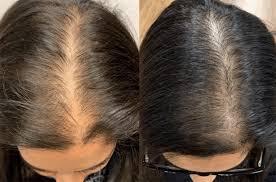
Hair thinning after eating is usually not your hair “falling out” in real time. It is more often a mix of scalp inflammation and oil changes after meals, blood-sugar swings that stress hair growth over weeks, or an underlying issue like low iron or thyroid imbalance that you notice most around food. A few targeted labs can help you figure out which pattern fits your body. It makes sense that this symptom feels confusing, because hair changes are slow, but meals are immediate. You might see more strands in the sink after lunch, feel your scalp get itchy after certain foods, or notice your part looks wider in the afternoon. Sometimes the meal is the trigger, and sometimes the meal is just when you finally look in the mirror. This guide walks you through the most common mechanisms, what you can do this week to reduce shedding and breakage, and which tests are most useful. If you want help connecting your exact meal pattern, symptoms, and history, PocketMD can talk it through with you, and Vitals Vault labs can help confirm what’s going on.
Why does your hair seem thinner after you eat?
Blood sugar spikes stress hair growth
If a meal is heavy on fast carbs, your blood sugar rises quickly and your body answers with a bigger insulin surge. Over time, frequent spikes can push inflammation and hormone signaling in a direction that shortens the hair growth phase, which means more hairs quietly shift into shedding weeks later. The “after eating” clue is that you may also feel sleepy, wired, or hungry again soon after the same kinds of meals, so tracking which foods trigger that pattern is a useful first step.
Reactive low blood sugar after meals
Sometimes the problem is not the spike but the crash that follows it, which is called low blood sugar after eating (reactive hypoglycemia). When your blood sugar drops too far, your body releases stress hormones to bring it back up, and that stress signal can worsen shedding if it happens repeatedly. If you get shakiness, anxiety, sweating, or sudden fatigue 1–4 hours after eating, it is worth testing and adjusting meal composition rather than blaming your shampoo.
Low iron stores (low ferritin)
Iron is not just about anemia; your hair follicles use iron to support fast cell turnover. When your iron stores run low, your body quietly “budgets” iron away from non-essential tissues like hair, and you can see diffuse thinning even if your hemoglobin looks normal. Meals can highlight this because you may be thinking about nutrition more, or because heavy periods, postpartum recovery, or a low-meat diet often sit in the background until hair changes force the issue.
Thyroid imbalance affects shedding
Your thyroid hormone acts like a metabolic volume knob for many tissues, including hair follicles. When it is too low or too high, hairs can shift out of the growth phase and shed more, and you might notice it most when you are paying attention to your body around meals. A common “meal-adjacent” clue is that you also feel unusually cold, constipated, puffy, or tired, or you feel the opposite with heat intolerance and a racing heart.
Food-triggered scalp inflammation
For some people, the meal connection is real and immediate because certain foods worsen scalp inflammation, which can make hair look flatter, oilier, and thinner within hours. This is often tied to dandruff-like inflammation (seborrheic dermatitis) or eczema, and the giveaway is itching, burning, flakes, or tenderness along the hairline. The actionable takeaway is to treat the scalp like skin: calming inflammation can reduce breakage and shedding even while you work on deeper causes.
What actually helps (and what to track)
Build meals that blunt spikes
If your hair thinning seems tied to carb-heavy meals, try a two-week experiment where you start meals with protein and fiber, then eat starches last. This slows absorption and often reduces the “sleepy then hungry” cycle that goes with insulin swings. You are not chasing perfection here; you are looking for whether steadier energy also lines up with less scalp oiliness and fewer shed hairs over the next month.
Treat your scalp like inflamed skin
When itching or flakes show up after certain foods, focus on calming the scalp rather than scrubbing harder. An anti-dandruff shampoo with ketoconazole 1% or zinc pyrithione used a few times a week can reduce yeast-driven inflammation, and leaving it on for 3–5 minutes matters. If you see painful redness, crusting, or patchy hair loss, that is a good reason to ask a clinician to look for psoriasis, fungal infection, or alopecia areata.
Correct iron gently and correctly
If ferritin is low, hair regrowth is possible, but it is slow because follicles need time to re-enter the growth phase. Many people do better with lower-dose iron taken consistently, and taking it away from calcium or antacids improves absorption, while vitamin C can help. The practical goal many hair-focused clinicians use is ferritin around 50–100 ng/mL, but you should recheck labs to avoid overshooting.
Address thyroid issues with labs
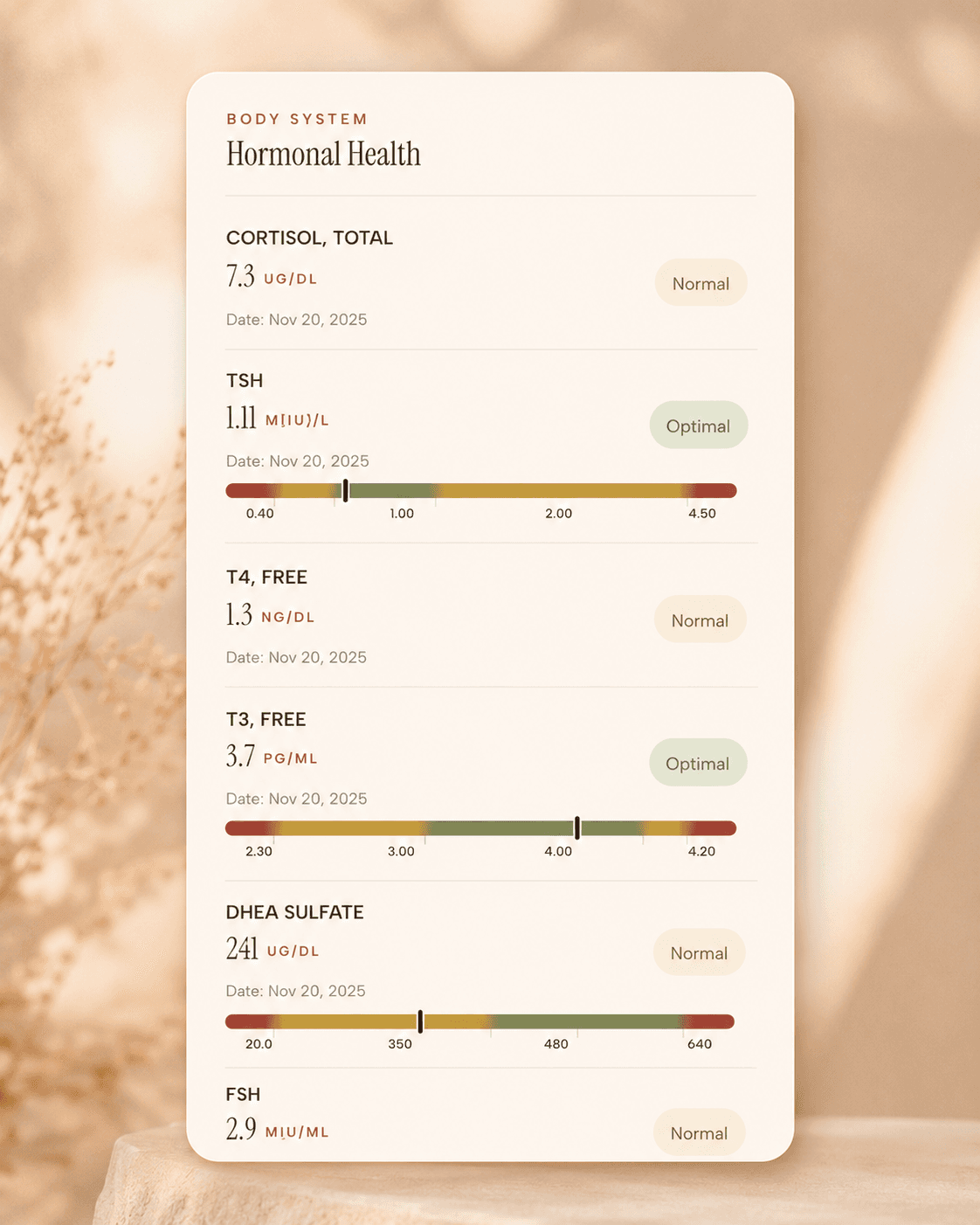
If thyroid testing shows a problem, the fix is not a supplement “for hair,” it is getting thyroid levels back to your personal steady zone. For many people, a TSH around 1–2 mIU/L is where hair and energy feel best, although the right target depends on your history and whether you are pregnant or postpartum. Once levels stabilize, shedding often improves over 2–4 months, which is frustrating but normal for hair biology.
Reduce breakage during shedding phases
When you are shedding, your hair can look thinner even if follicles are fine, because breakage makes density drop faster. Switch to gentler detangling, avoid tight styles that pull at the hairline, and consider pausing aggressive heat styling for a month. This does not “cure” the cause, but it prevents you from losing extra hair to mechanics while you correct the underlying trigger.
Useful biomarkers to discuss with your clinician
Insulin
Insulin is a master metabolic hormone that regulates glucose uptake, fat storage, and numerous cellular processes. In functional medicine, fasting insulin levels are one of the earliest and most sensitive markers of metabolic dysfunction. Elevated insulin (hyperinsulinemia) often precedes diabetes by years or decades and is central to metabolic syndrome. High insulin levels promote fat storage, inflammation, and contribute to numerous chronic diseases including cardiovascular disease, PCOS, and certain cancers.…
Learn moreFerritin
Ferritin is your body's iron storage protein, reflecting total iron stores in the body. In functional medicine, ferritin assessment is crucial for identifying both iron deficiency and iron overload, conditions that can significantly impact energy levels and overall health. Low ferritin is the earliest sign of iron deficiency, often occurring before anemia develops. This can cause fatigue, weakness, restless leg syndrome, and cognitive impairment. Conversely, elevated ferritin may indicate iron overload, inflamma…
Learn moreTSH
TSH is the master regulator of thyroid function, controlling the production of thyroid hormones T4 and T3. In functional medicine, we use narrower TSH ranges than conventional medicine to identify subclinical thyroid dysfunction early. Even mildly elevated TSH can indicate thyroid insufficiency, leading to fatigue, weight gain, depression, and metabolic dysfunction. TSH levels are influenced by stress, nutrient deficiencies, autoimmune conditions, and environmental toxins. Optimal TSH supports energy, metabolism…
Learn moreLab testing
Check ferritin, TSH, and fasting insulin at Quest
starting from $99 panel with 100+ tests, one visit
No referral needed
About 1 week
Schedule online — results typically within a week
Clear next steps
Guidance included, with follow-up care available
HSA / FSA
Eligible for pre-tax health spending accounts
Pro Tips
Do a 14-day “meal and scalp” log: write what you ate, then note scalp itch or oiliness 0–10 at 1 hour and 4 hours. If the same foods repeatedly light up symptoms, you have a real trigger to work with.
If you suspect blood sugar swings, try the “15-minute walk rule” after your biggest carb meal for a week. A short walk often blunts the spike and crash enough that you can tell whether glucose volatility is part of your hair story.
When you check ferritin, also write down your period pattern, postpartum timeline, and whether you donate blood. Those details often explain low iron better than any supplement label does.
Take progress photos in the same lighting once every two weeks, because day-to-day mirror checks will mess with your head. Hair changes from nutrition or thyroid correction usually show up over 8–12 weeks, not overnight.
If you are shedding heavily, clean your brush and avoid tight ponytails for a month. It sounds small, but reducing traction and breakage can preserve visible density while you fix the underlying driver.
Frequently Asked Questions
Can hair fall out right after you eat?
A meal cannot make a hair follicle eject a hair instantly, because shedding is usually decided weeks earlier in the hair cycle. What can happen right after eating is that your scalp gets oilier or itchier, which makes loose hairs show up more when you touch or wash your hair. If you are seeing sudden clumps or bald patches, take photos and get checked promptly because that pattern is different.
What foods can trigger hair thinning after eating?
Foods that repeatedly cause big blood-sugar swings for you, such as sugary drinks or refined starch-heavy meals, can contribute over time by increasing insulin and inflammation. In other people, the “trigger” is scalp inflammation that flares with certain foods, and the clue is itching, redness, or flakes within hours. The fastest way to identify your pattern is a two-week log paired with one change at a time.
Is hair thinning after eating a sign of diabetes?
Not by itself, but meal-related fatigue, shakiness, or intense cravings can point to blood-sugar instability that sits on the same spectrum as insulin resistance. Fasting insulin, fasting glucose, and A1c help clarify whether you are trending toward prediabetes or diabetes. If you also have increased thirst, frequent urination, or unexplained weight loss, get tested soon.
What ferritin level is too low for hair growth?
Many people start noticing shedding when ferritin drops below about 30 ng/mL, even if the lab report does not call it severe. For hair regrowth, a common practical target is ferritin around 50–100 ng/mL, assuming there is no inflammation or iron overload risk. If your ferritin is low, ask about the cause as well as the supplement plan, because heavy periods and postpartum depletion are common drivers.
How long does it take for hair to thicken again after fixing the cause?
Hair usually needs time to re-enter the growth phase, so visible improvement often takes 8–12 weeks, and fuller density can take 3–6 months. If the trigger was a short-term stressor, shedding often peaks and then tapers, which is called stress shedding (telogen effluvium). Take consistent photos every two weeks and recheck the key labs you are correcting so you can see real progress.