Hair Thinning in Your 30s: What It Usually Means
Hair thinning in your 30s is often from pattern hair loss, low iron stores, or thyroid shifts. Targeted labs available at Quest—no referral needed.





Hair thinning in your 30s is usually either pattern hair loss (your follicles gradually miniaturize), a “shedding phase” after stress or pregnancy, or a correctable issue like low iron stores or thyroid imbalance. The frustrating part is that these can look similar in the mirror, but they behave differently and need different next steps. A few targeted labs can help you figure out which bucket you’re in so you’re not guessing. In your 30s, your hair is also competing with real life: new jobs, new babies, new diets, new medications, and sometimes new health conditions. That is why it can feel sudden even when the biology has been building quietly for months. Below, you’ll learn the most common causes, what helps (and what tends to waste time), and which blood tests are most useful. If you want help matching your pattern to a plan, PocketMD can talk it through with you, and Vitals Vault labs can help you confirm the most treatable causes.
Why hair thinning shows up in your 30s
Pattern hair loss over time
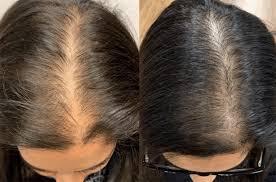
This is the classic “my part is widening” or “my temples are creeping back” situation, and it happens because certain follicles become more sensitive to androgens, which makes each new hair grow in finer and shorter. It usually sneaks up on you, so you notice it most under bright bathroom lighting or in photos. The key clue is that the density changes in specific areas rather than shedding evenly everywhere, which is why early treatment tends to matter more than perfect supplements.
Postpartum or stress shedding
A big life event can push more hairs than usual into the resting phase, and then two to four months later they shed in a wave. It can feel dramatic in the shower and on your brush, but the follicles are often still healthy and capable of regrowth. If your thinning started a few months after childbirth, a high fever, surgery, a crash diet, or a major emotional stressor, your timeline is a clue and patience plus correcting deficiencies is often the real “treatment.”
Low iron stores (ferritin)
Ferritin is your iron savings account, and hair is one of the first places your body cuts back when that account is low. You might not be anemic on a standard blood count, yet you can still shed more and struggle to regrow thickness. If you also get heavy periods, feel unusually winded, or crave ice, it is worth checking ferritin because improving it can make other hair treatments work better.
Thyroid imbalance affecting growth
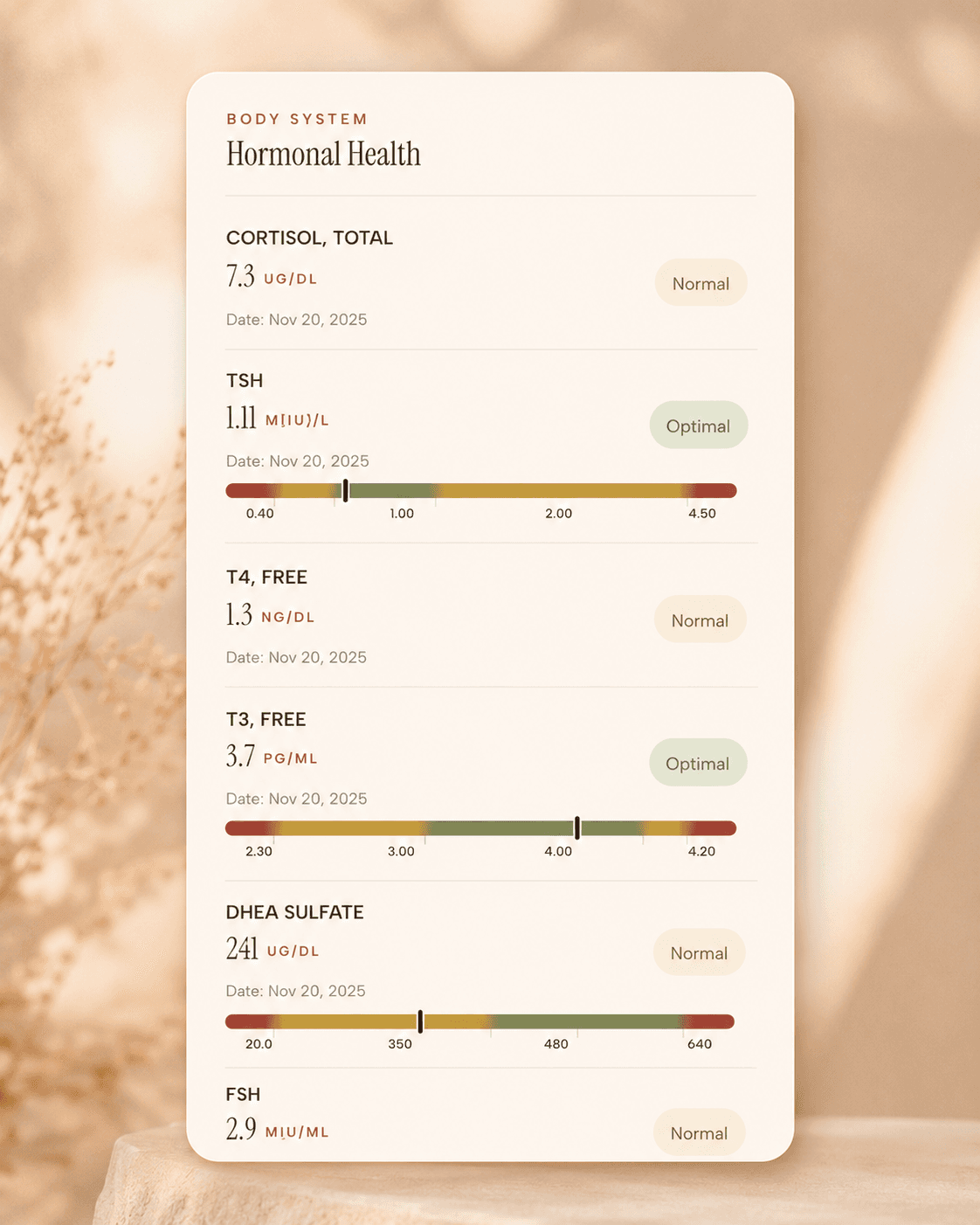
Your thyroid hormones set the pace for how fast cells turn over, including the cells that build hair. When your thyroid is underactive or overactive, hairs can shift into shedding and the texture can change, which often shows up as diffuse thinning rather than a single bald spot. If you have hair thinning plus new fatigue, cold intolerance, anxiety, or unexplained weight change, a simple TSH test is a practical place to start.
Scalp inflammation or dandruff
When your scalp stays irritated, oily, or flaky, the environment around the follicle becomes less friendly for steady growth. You might notice itching, burning, or scale along the hairline, and the shedding can spike during flare-ups. The takeaway is that “hair loss” is sometimes a scalp condition first, so treating dandruff or inflammation consistently for a few months can reduce shedding even before you touch hormones or supplements.
What actually helps hair thinning
Use minoxidil consistently
Topical minoxidil helps keep follicles in the growth phase longer, which is why it is one of the most reliable options for pattern thinning. The catch is that it works slowly, so you usually judge it at the 4–6 month mark, not after two weeks. If you stop, you tend to lose the gains, so it helps to decide up front whether you can make it part of your routine.
Correct low ferritin on purpose
If ferritin is low, “more spinach” rarely moves the needle fast enough, especially if you have heavy periods. Iron supplementation can help, but the right dose and schedule depends on your level and your stomach tolerance, and it can take a few months to see hair changes because hair grows slowly. A practical goal many clinicians use for hair is getting ferritin into a healthier reserve range rather than barely normal.
Treat the scalp like skin
If you have dandruff, itch, or greasy scale, using an anti-dandruff shampoo with ketoconazole or zinc pyrithione a few times a week can calm inflammation and reduce shedding triggers. You want the lather to sit on your scalp for several minutes before rinsing, because contact time matters more than the brand. This is one of those boring steps that pays off when you stick with it for 6–8 weeks.
Protect hair from breakage
Sometimes what looks like thinning is actually breakage from heat, tight styles, bleaching, or aggressive brushing, which makes the ends look sparse and frizzy. Switching to looser styles, lowering heat, and using a gentle detangling routine can make your hair look fuller within weeks even though it does not change follicle biology. If you see lots of short snapped hairs rather than full-length hairs with a tiny white bulb, think breakage.
Get a targeted workup early
Hair loss is one of those symptoms where waiting can turn a fixable issue into a longer project, especially if thyroid or iron is involved. A focused set of labs plus a quick pattern check can tell you whether you should treat shedding, treat pattern loss, or treat a deficiency first. If you are seeing rapid thinning, new bald patches, or scalp pain, it is worth getting evaluated sooner rather than trying five products at once.
Useful biomarkers to discuss with your clinician
Ferritin
Ferritin is your body's iron storage protein, reflecting total iron stores in the body. In functional medicine, ferritin assessment is crucial for identifying both iron deficiency and iron overload, conditions that can significantly impact energy levels and overall health. Low ferritin is the earliest sign of iron deficiency, often occurring before anemia develops. This can cause fatigue, weakness, restless leg syndrome, and cognitive impairment. Conversely, elevated ferritin may indicate iron overload, inflamma…
Learn moreTSH
TSH is the master regulator of thyroid function, controlling the production of thyroid hormones T4 and T3. In functional medicine, we use narrower TSH ranges than conventional medicine to identify subclinical thyroid dysfunction early. Even mildly elevated TSH can indicate thyroid insufficiency, leading to fatigue, weight gain, depression, and metabolic dysfunction. TSH levels are influenced by stress, nutrient deficiencies, autoimmune conditions, and environmental toxins. Optimal TSH supports energy, metabolism…
Learn moreTestosterone, Total, Ms
Total testosterone is the primary male sex hormone responsible for muscle mass, bone density, libido, energy levels, and cognitive function. In functional medicine, we recognize testosterone as a key marker of vitality and aging. Low testosterone (hypogonadism) affects up to 40% of men over 45 and is linked to metabolic syndrome, cardiovascular disease, depression, and reduced quality of life. Optimal testosterone levels support healthy body composition, sexual function, motivation, and overall masculine vitalit…
Learn moreLab testing
Check ferritin, TSH, and vitamin D at Quest
starting from $99 panel with 100+ tests, one visit
No referral needed
About 1 week
Schedule online — results typically within a week
Clear next steps
Guidance included, with follow-up care available
HSA / FSA
Eligible for pre-tax health spending accounts
Pro Tips
Do a quick “part and ponytail” check once a month in the same lighting: take one photo of your center part and one of your ponytail thickness. Hair changes are slow, and consistent photos keep you from chasing day-to-day shedding.
Look at what’s actually falling out: a full-length hair with a tiny white bulb at one end suggests shedding, while lots of short snapped pieces points more toward breakage from styling or friction.
If you recently had a baby, a fever, surgery, or a crash diet, mark the date on your calendar and count forward 8–16 weeks. That window is when stress shedding often peaks, so the timing can keep you from assuming it is “sudden genetics.”
When you start minoxidil, expect a possible temporary shed in the first 2–8 weeks as hairs cycle. It is unsettling, but it can be a sign follicles are switching phases, so try to judge results at 4–6 months instead of quitting early.
If you suspect low iron, do not self-prescribe high-dose iron for months without checking ferritin first. Too much iron can cause stomach misery and, in rare cases, overload, so it is smarter to test, treat, and recheck in about 8–12 weeks.
Frequently Asked Questions
Is hair thinning in your 30s normal or a sign something is wrong?
It can be “normal” in the sense that pattern hair loss often starts in the 20s or 30s, but it is also a common time for correctable triggers like low ferritin or thyroid imbalance to show up. The fastest way to avoid guessing is to look at your pattern and timeline and check a few labs such as ferritin and TSH. If your thinning is rapid or you see bald patches, get evaluated sooner.
How can you tell postpartum shedding from female pattern hair loss?
Postpartum shedding usually starts about 2–4 months after delivery and feels like a sudden increase in hair on your brush, while female pattern loss tends to be slower with a gradually widening part. With postpartum shedding, you often notice shorter “baby hairs” regrowing along the hairline after a few months. If shedding continues past about 9–12 months postpartum, it is worth checking ferritin and thyroid labs and asking about pattern loss.
What ferritin level is too low for hair growth?
Many people start shedding more when ferritin drops below about 30 ng/mL, and many clinicians treating hair aim for ferritin above roughly 50 ng/mL, sometimes higher if symptoms persist. The “normal range” on your lab report can be misleading because hair is sensitive to low reserves. If your ferritin is low, recheck it after about 8–12 weeks of treatment to confirm it is rising.
Does thyroid hair loss grow back once treated?
Often, yes, but it is slow because hair cycles take months. Once thyroid levels are stabilized, shedding typically improves over 2–4 months, and visible density changes can take 6–12 months. Ask your clinician what your TSH target is and whether you need free T4 or thyroid antibodies checked to make sure the underlying issue is addressed.
How long should you try minoxidil before deciding it works?
Give it at least 4–6 months of consistent use, because early weeks can include a temporary shed and regrowth is gradual. The goal is usually reduced shedding first, then thicker-looking hair over time, especially in the crown and part line. If you are not seeing any stabilization by 6 months, it is a good moment to reassess your diagnosis and check labs like ferritin and TSH.