Why Are Your Nails Brittle in Your 30s?
Brittle nails in your 30s often come from iron deficiency, thyroid slowdown, or repeated wet-dry damage. Targeted labs available at Quest—no referral needed.





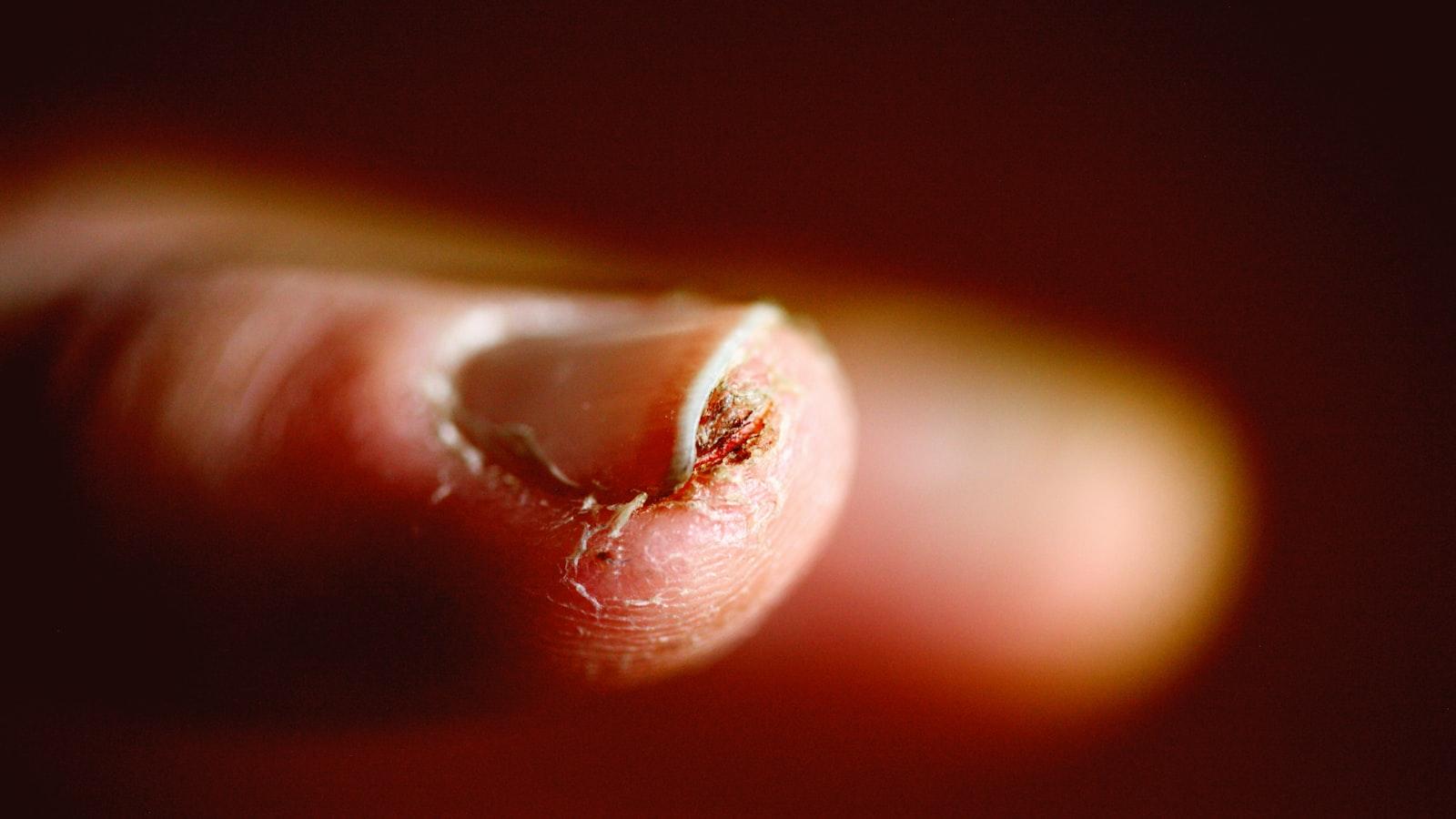
Brittle nails in your 30s are usually caused by repeated wet–dry damage from handwashing and products, low iron stores, or a thyroid slowdown that slows nail growth. The good news is that you can often tell which bucket you’re in by looking at your pattern of breakage and, when needed, checking a few targeted labs. In your 30s, nail changes can feel especially annoying because you’re juggling work, home, and stress, and your hands are constantly “in it.” Nails also grow slowly, which means today’s brittleness can reflect what was happening in your body two to three months ago. This guide walks you through the most common causes, what actually helps, and which blood tests can clarify the picture. If you want help matching your symptoms to the most likely cause, PocketMD is a quick way to talk it through, and Vitals Vault labs can help you confirm nutrient or thyroid issues without a long wait.
Why Are Your Nails Brittle in Your 30s?
Wet–dry cycles and chemicals
Nails are made of layered keratin, and those layers swell when they’re soaked and then shrink as they dry. If you wash hands often, use alcohol sanitizer, clean without gloves, or get frequent gel removals, the layers start to separate, which feels like peeling at the tips and splits that travel sideways. The most useful clue is that the brittleness is worse on your dominant hand and improves when you protect nails from water and solvents for a few weeks.
Low iron stores (ferritin)
Even before you’re anemic, low iron storage can reduce how efficiently your nail matrix builds strong keratin. You might notice nails that bend too easily, break below the free edge, or develop ridges, and you may also feel more winded with workouts or crave ice. If you have heavy periods or donate blood, checking ferritin is often more informative than a basic hemoglobin alone.
Thyroid slowdown (hypothyroidism)
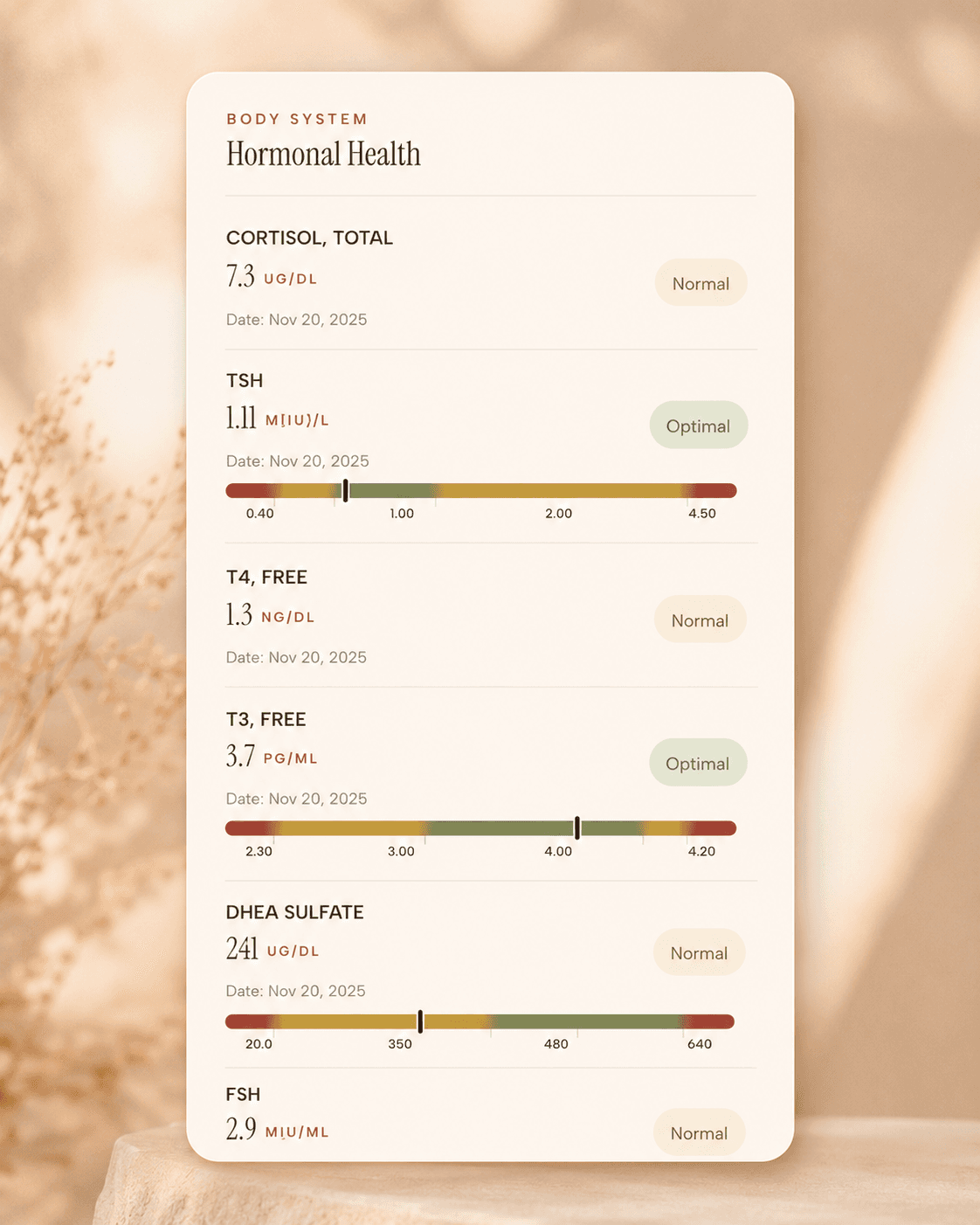
When your thyroid runs low, your whole “growth and turnover” speed slows down, including nail growth. That can lead to dry, rough nails that split, plus cuticles that crack because your skin holds less moisture. If brittle nails show up alongside constipation, feeling cold when others are fine, or unexplained weight gain, a TSH test is a practical first step.
Low B12 from diet or absorption
Vitamin B12 helps your body make healthy red blood cells and supports fast-growing tissues, which includes nails. When B12 is low, nails can become thin and fragile, and you may also notice tingling in your hands or feet or a “brain fog” feeling that is hard to shake. If you eat little to no animal foods, take acid-blocking meds long-term, or have a history of stomach issues, B12 testing is worth considering.
Nail inflammation or fungus
Sometimes the nail is brittle because the nail bed is irritated or infected, not because your body is “missing” something. Nail psoriasis can cause pitting and crumbling, while fungus often thickens and discolors the nail and makes it break in chunks rather than peel in layers. If one or two nails are much worse than the rest, or there is yellowing and debris under the nail, ask for a nail scraping or culture so you treat the right problem.
What Actually Helps Brittle Nails
Protect nails from water exposure
Treat your nails like a paper label: repeated soaking and drying is what makes it lift. Wear gloves for dishes and cleaning, and after handwashing, dry thoroughly around the nail edges instead of letting water sit there. If you do just one thing, do this for four weeks and watch whether peeling slows down.
Use a barrier moisturizer daily
Brittle nails often improve when you keep water out and oils in, which is why thick ointments work better than light lotions. Rub a petrolatum-based ointment or a cuticle oil into the nail plate and cuticle after every handwash and before bed, because that is when the nail loses the most moisture. Consistency matters more than brand, and you should see less splitting by the time a few millimeters of new nail grows out.
Take breaks from gel and acetone
Gel manicures and aggressive removal can thin the top layers of the nail, so the nail behaves like it is “delaminating.” If you love gel, consider a planned eight-week reset where you keep nails short and skip acetone so the damaged portion can grow out. When you return to polish, ask for gentle removal and avoid scraping, because that mechanical trauma is often the real culprit.
Correct iron deficiency thoughtfully
If ferritin is low, the fix is not just “eat spinach,” because plant iron is harder to absorb and your needs may be higher with heavy periods. Many people do well with oral iron taken every other day with vitamin C, which can improve absorption and reduce stomach upset, but dosing should match your labs and symptoms. Recheck ferritin after about 8–12 weeks so you know you’re rebuilding stores rather than guessing.
Treat the underlying thyroid issue
If your TSH suggests hypothyroidism, nails usually improve only when your thyroid levels are brought back to a healthy range, because the nail matrix needs that signal to grow normally. The change is slow, so you’re looking for steadier growth and fewer splits over two to three months, not overnight results. If you’re already on thyroid medication and your nails are still worsening, it’s a good reason to review your labs and dosing with a clinician.
Useful biomarkers to discuss with your clinician
Ferritin
Ferritin is your body's iron storage protein, reflecting total iron stores in the body. In functional medicine, ferritin assessment is crucial for identifying both iron deficiency and iron overload, conditions that can significantly impact energy levels and overall health. Low ferritin is the earliest sign of iron deficiency, often occurring before anemia develops. This can cause fatigue, weakness, restless leg syndrome, and cognitive impairment. Conversely, elevated ferritin may indicate iron overload, inflamma…
Learn moreVitamin B12
Vitamin B12 (cobalamin) is essential for DNA synthesis, red blood cell formation, neurological function, and energy metabolism. In functional medicine, we recognize that B12 deficiency is surprisingly common, especially in older adults, vegetarians, vegans, and those with digestive issues. B12 deficiency can cause irreversible neurological damage if left untreated. The vitamin is crucial for methylation reactions, which affect cardiovascular health, detoxification, and gene expression. Even subclinical deficienc…
Learn moreTSH
TSH is the master regulator of thyroid function, controlling the production of thyroid hormones T4 and T3. In functional medicine, we use narrower TSH ranges than conventional medicine to identify subclinical thyroid dysfunction early. Even mildly elevated TSH can indicate thyroid insufficiency, leading to fatigue, weight gain, depression, and metabolic dysfunction. TSH levels are influenced by stress, nutrient deficiencies, autoimmune conditions, and environmental toxins. Optimal TSH supports energy, metabolism…
Learn moreLab testing
Get ferritin, TSH, and vitamin B12 checked at Quest
starting from $99 panel with 100+ tests, one visit
No referral needed
About 1 week
Schedule online — results typically within a week
Clear next steps
Guidance included, with follow-up care available
HSA / FSA
Eligible for pre-tax health spending accounts
Pro Tips
Do a quick “pattern check” before you buy supplements: if only a couple nails are crumbling or discolored, think local nail disease first rather than a whole-body deficiency.
Keep nails shorter than you think you need for six weeks, because a shorter lever arm dramatically reduces the force that turns a tiny split into a full break.
If you use sanitizer all day, follow it with a pea-sized amount of ointment rubbed over the nail plate and cuticle; alcohol strips oils fast, and replacing them is half the battle.
When you file, use one direction with a fine-grit file and round the corners slightly, because sharp corners catch on fabric and start the peel that keeps traveling.
If you decide to try biotin, stop it 48–72 hours before blood tests that use biotin-based assays, because it can interfere with some lab results; put a reminder in your calendar.
Frequently Asked Questions
What vitamin deficiency causes brittle nails?
Low iron stores (measured by ferritin) are one of the most common nutrition-related reasons nails become weak and peel, especially if you have heavy periods. Low vitamin B12 can also contribute, particularly if you also have fatigue, tingling, or brain fog. If you’re guessing, ferritin and vitamin B12 are two high-yield tests to start with.
Can hypothyroidism cause brittle nails?
Yes. When your thyroid is underactive, nail growth slows and the nail plate can become drier and more prone to splitting. A TSH blood test is the usual first screen, and many people notice nail improvement only after thyroid levels are back in a healthy range for a couple of months. If you have brittle nails plus constipation, feeling cold, or dry skin, it’s worth checking.
How long does it take to fix brittle nails?
Nails grow slowly, so most real improvements take 6–12 weeks, which is the time it takes for healthier nail to grow out from the base. If the main issue is water and chemical damage, you may notice less peeling within 2–4 weeks once you protect and moisturize consistently. If the cause is low ferritin or thyroid issues, expect a slower, steadier change as labs normalize.
Do gel manicures make nails brittle?
They can, especially if removal involves scraping, aggressive buffing, or frequent acetone soaks. That process can thin the top layers of the nail, which makes peeling and splitting much more likely. A practical test is an eight-week break with gentle care and short nails; if brittleness improves, the manicure routine was a big driver.
When should I worry about brittle nails being something serious?
If you see a new dark streak, a nail that is lifting off the nail bed, pain or swelling around the nail, or a single nail that is rapidly changing shape, get it checked sooner rather than later. Those patterns can point to infection, inflammatory nail disease, or (rarely) a growth under the nail that needs evaluation. Take a clear photo and bring it to a clinician or dermatologist so the change is documented.
What Research Says About Brittle Nails
Biotin has evidence for improving brittle nails in some people, but studies are small and benefits take months
Review of brittle nail syndrome highlights the role of repeated wet work and cosmetic trauma as common drivers
American Academy of Dermatology guidance on nail changes and when to seek evaluation for infection or inflammatory disease