Why You Get Dry Skin After Exercise (and What Helps)
Dry skin after exercise is often from sweat stripping oils, hot showers, or eczema flares, but thyroid or iron issues can contribute. Targeted labs—no referral needed.





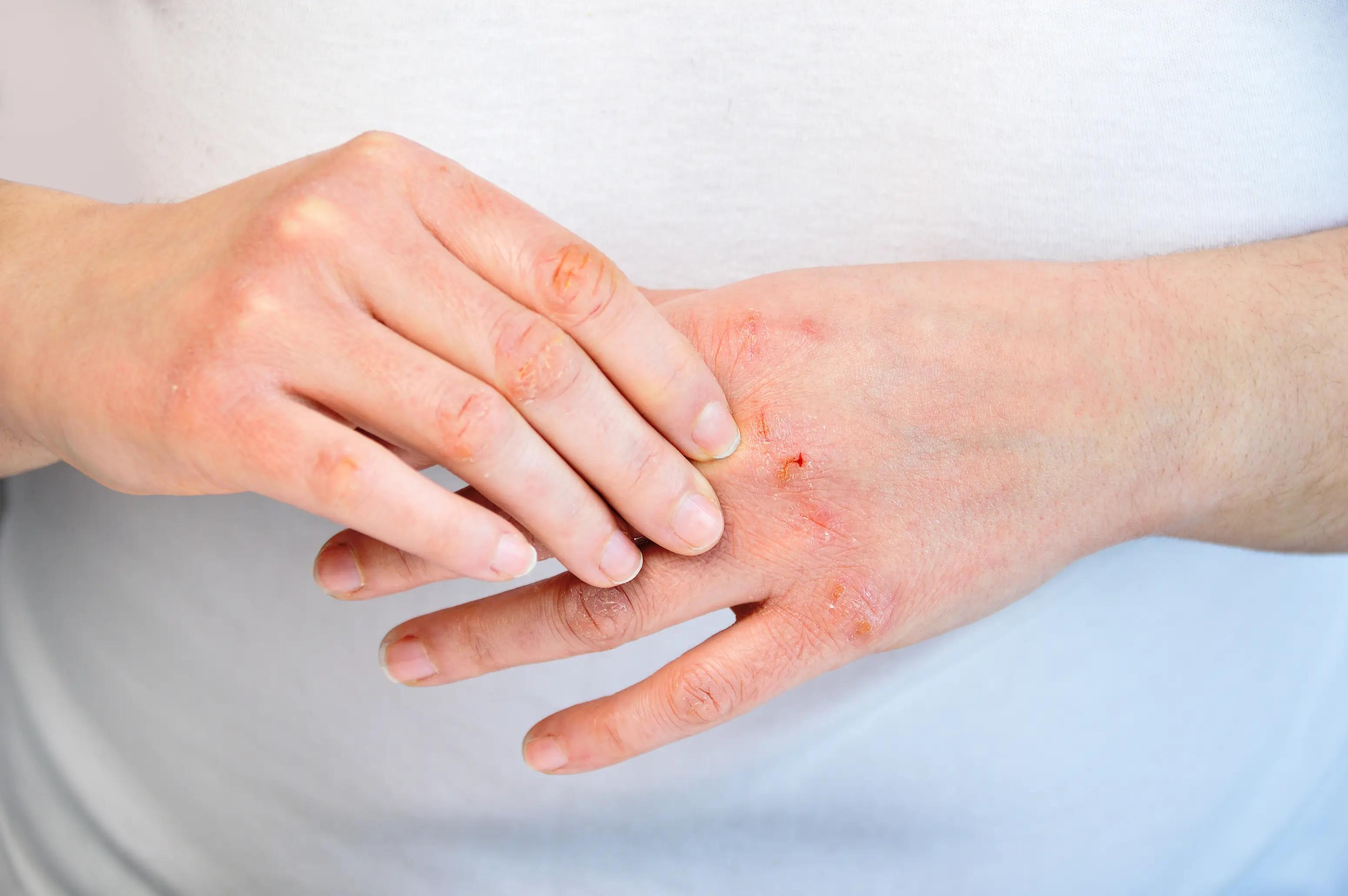
Dry skin after exercise usually happens because sweat and friction disrupt your skin barrier, and then a hot shower or harsh cleanser strips away the oils you need to hold water in. It can also be an eczema flare triggered by heat and sweat, or a sign that something internal like low thyroid function or low iron is making your skin less resilient. A few targeted labs can help you tell the difference, so you stop guessing. This symptom is frustrating because you can be “doing everything right” for fitness and still feel tight, itchy, or flaky afterward. The good news is that most of the time the fix is about timing and technique: how you cleanse, what you put on within minutes, and how you manage sweat on your skin. If you want help matching your pattern to the most likely cause, PocketMD can talk it through with you, and Vitals Vault labs can check common internal contributors without a referral.
Why You Get Dry Skin After Exercise
Sweat disrupts your skin barrier
Sweat is mostly water, but when it sits on your skin and then evaporates, it can leave you feeling even drier than before. Salt and repeated wet-to-dry cycles can irritate the outer “brick wall” layer of skin (your barrier), which is why you may notice tightness and fine flaking around your cheeks, shins, or hands. If this is your pattern, the fastest win is rinsing sweat off sooner and sealing in moisture right after.
Hot showers and strong cleansers
A hot post-workout shower feels amazing, but heat and surfactants wash away the oils that keep water in your skin. That can leave you with that squeaky-clean feeling that quickly turns into itching or ashiness an hour later. Try switching to lukewarm water and a gentle, fragrance-free cleanser, and keep the “real soap” for armpits and groin rather than your whole body.
Friction from clothing and gear
Tight waistbands, sports bras, compression leggings, and even yoga mats can create micro-rubbing that you do not notice until you sweat. Once the barrier is scuffed up, sweat stings and your skin loses moisture faster, which can look like dry patches in the exact outline of your gear. If the dryness maps to where fabric sits, changing to softer, moisture-wicking materials and using a thin barrier layer before training often helps.
Eczema flare from heat and sweat
If you already have sensitive skin, exercise can trigger an eczema flare (atopic dermatitis) because heat and sweat activate itch nerves and inflammation. It often feels like itching that starts during the workout or right after, and then turns into rough, dry, thickened patches over days. The key clue is recurrence in the same areas, especially elbow creases, behind knees, neck, or eyelids, and you may need a specific anti-inflammatory plan rather than “more lotion.”
Low thyroid or low iron
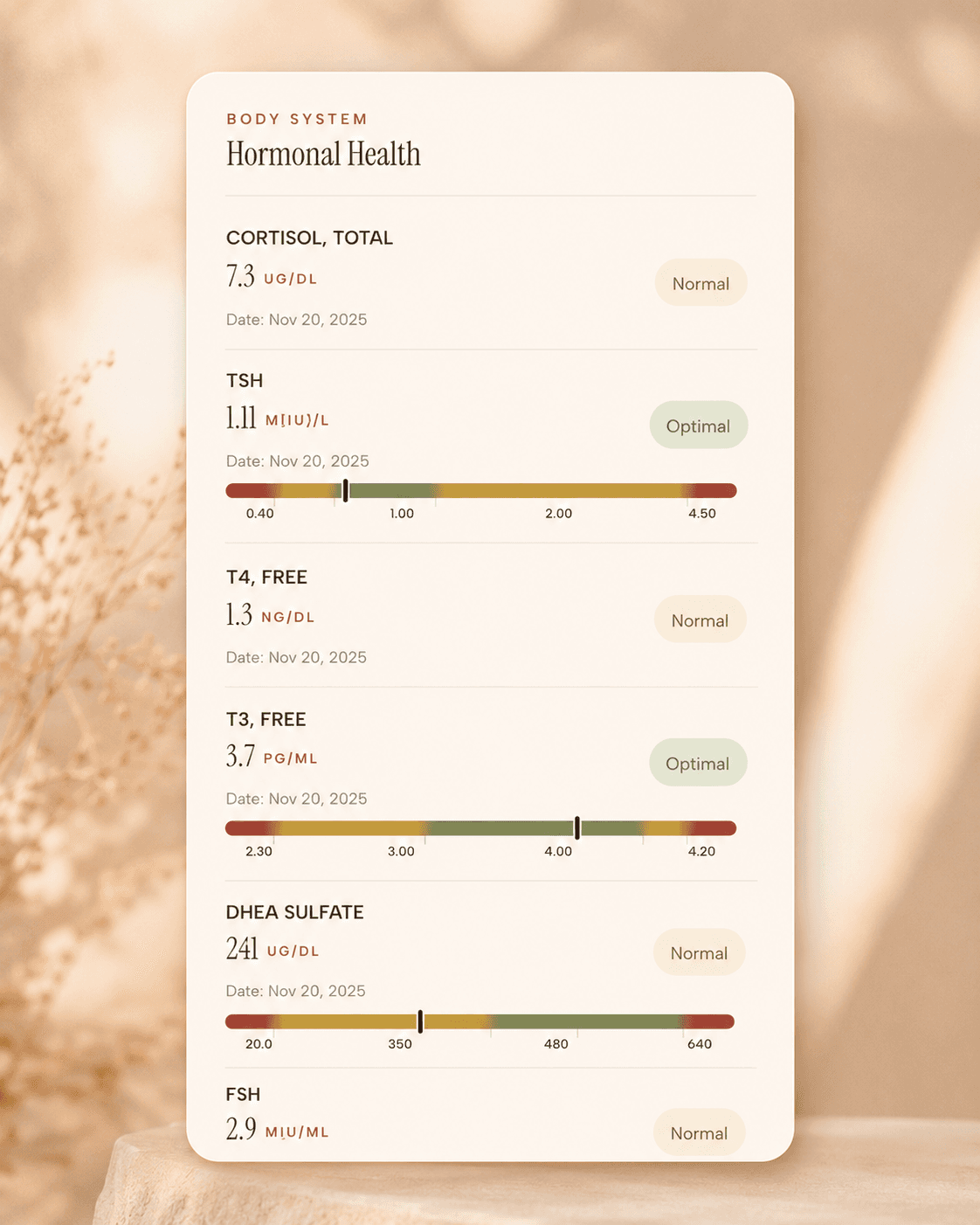
Sometimes exercise is not the true cause; it is just when you notice the dryness because your skin is already running on empty. Low thyroid function can slow oil production and skin turnover, and low iron stores can make skin and hair more brittle and reactive, especially if you also feel cold, tired, or notice shedding. If dryness is persistent even on rest days, or you have other symptoms, checking thyroid-stimulating hormone and ferritin can be surprisingly clarifying.
What Actually Helps With Dry Skin After Workouts
Rinse quickly, then moisturize fast
If you cannot shower right away, even a quick rinse of sweaty areas can reduce the wet-to-dry irritation cycle. The real trick is timing: apply moisturizer within 3 minutes of toweling off, while your skin still holds water. This single habit often beats “better products” because it fixes the moisture-loss window that happens right after exercise.
Use a gentle, fragrance-free wash
Look for a cleanser labeled gentle or for sensitive skin, and avoid strong fragrances because they can sting on sweat-irritated skin. You do not need to scrub your whole body after every workout; focus on areas that truly need cleansing and let water do the rest elsewhere. If your skin feels tight immediately after washing, that is your cue to switch.
Seal with a barrier cream
When dryness is stubborn, a simple occlusive layer can make the difference because it slows water loss from the skin. Petrolatum-based ointments or thick ceramide creams work well on shins, hands, and any spots that flake after training. If you hate the feel, use a thin layer only on problem zones and save the heavier application for nighttime.
Change sweat and fabric contact
If your skin dries out exactly where clothing rubs, treat it like a friction problem first. Swap out rough seams, wash workout clothes with fragrance-free detergent, and change out of damp gear as soon as you can. For long runs or cycling, a small amount of anti-chafe balm on hot spots can prevent the barrier damage that turns into dryness later.
Treat eczema flares, not just dryness
If you are getting itchy, inflamed patches that linger for days, you may need a short course of an anti-inflammatory cream rather than layering moisturizer forever. Many people do best with a “maintenance” moisturizer daily and a flare plan that you use early, before the itch-scratch cycle takes over. If you are unsure whether it is eczema, a clinician can confirm it quickly, and you can also bring photos of the rash right after workouts.
Useful biomarkers to discuss with your clinician
TSH
TSH is the master regulator of thyroid function, controlling the production of thyroid hormones T4 and T3. In functional medicine, we use narrower TSH ranges than conventional medicine to identify subclinical thyroid dysfunction early. Even mildly elevated TSH can indicate thyroid insufficiency, leading to fatigue, weight gain, depression, and metabolic dysfunction. TSH levels are influenced by stress, nutrient deficiencies, autoimmune conditions, and environmental toxins. Optimal TSH supports energy, metabolism…
Learn moreFerritin
Ferritin is your body's iron storage protein, reflecting total iron stores in the body. In functional medicine, ferritin assessment is crucial for identifying both iron deficiency and iron overload, conditions that can significantly impact energy levels and overall health. Low ferritin is the earliest sign of iron deficiency, often occurring before anemia develops. This can cause fatigue, weakness, restless leg syndrome, and cognitive impairment. Conversely, elevated ferritin may indicate iron overload, inflamma…
Learn moreIron, Total
Serum iron measures the amount of iron circulating in your blood at the time of testing. In functional medicine, we recognize that serum iron alone provides limited information about iron status, as it fluctuates throughout the day and is affected by recent iron intake, inflammation, and diurnal variation. However, when combined with other iron studies, it helps assess iron metabolism and transport. Iron is essential for oxygen transport, energy production, DNA synthesis, and immune function. Optimal serum iron…
Learn moreLab testing
Check thyroid and iron markers that can worsen dryness
starting from $99 panel with 100+ tests, one visit
No referral needed
About 1 week
Schedule online — results typically within a week
Clear next steps
Guidance included, with follow-up care available
HSA / FSA
Eligible for pre-tax health spending accounts
Pro Tips
Do a one-week “lukewarm shower experiment.” Keep showers under 10 minutes, skip body wash on non-sweaty areas, and see if the tight, papery feeling after workouts drops by at least half.
If you get dry shins after running, apply a thick cream or ointment before you leave the house, not only after. Pre-coating reduces friction and sweat sting, which means less barrier damage to repair later.
Treat your moisturizer like part of your gym bag. A travel-size fragrance-free cream used right after you rinse is often more effective than a fancy product you only remember at bedtime.
If itching starts during the workout, rinse the salty sweat off the itchy area as soon as you can and cool it for 5 minutes. Cooling calms itch nerves, which helps you avoid the scratch cycle that turns into days of dryness.
Take two phone photos when it is bad: one right after exercise and one the next morning. The timing and pattern help a clinician tell sweat irritation from eczema, contact dermatitis, or a fungal rash.
Frequently Asked Questions
Why does my skin feel tight and itchy after I work out?
Most often, sweat evaporating off your skin plus friction from clothing disrupts your skin barrier, and then a hot shower strips away protective oils. That combination can feel like tightness, stinging, or itch within an hour. Try rinsing sooner and applying moisturizer within 3 minutes of drying off, and see if the pattern improves over a week.
Is dry skin after exercise a sign of dehydration?
It can be, but it is usually not the main reason your skin feels dry right after a workout. Skin dryness is more about barrier function than total body water, so you can be well-hydrated and still feel flaky if sweat and cleansing are irritating your skin. If you also have dark urine, dizziness, or headaches, increase fluids and electrolytes and reassess.
What is the best moisturizer to use after a workout shower?
The best one is the one you will use immediately, because timing matters more than the brand. If you are very dry, choose a thicker ceramide cream or a petrolatum-based ointment on problem areas to slow water loss. Apply it within 3 minutes of toweling off for the biggest payoff.
Can exercise trigger eczema even if I do not have a rash?
Yes. Heat and sweat can trigger itch and inflammation before you see obvious redness, and repeated scratching can turn into rough, dry patches over time. If symptoms recur in the same spots and last for days, treat it like an eczema pattern and consider discussing a flare plan with a clinician. Taking photos right after workouts makes diagnosis much easier.
Which blood tests are worth checking for persistent dry skin?
If dryness is ongoing even on rest days, TSH can screen for low thyroid function and ferritin can check iron stores, both of which can make skin less resilient. A 25-hydroxy vitamin D level can be useful if you have an eczema pattern or get worse in winter. If any result is abnormal, use it as a starting point for a targeted plan rather than guessing supplements.