Why Your Nails Feel Brittle After Eating
Brittle nails after eating often reflect iron deficiency, thyroid slowdown, or poor absorption from gut issues. Targeted labs available—no referral needed.





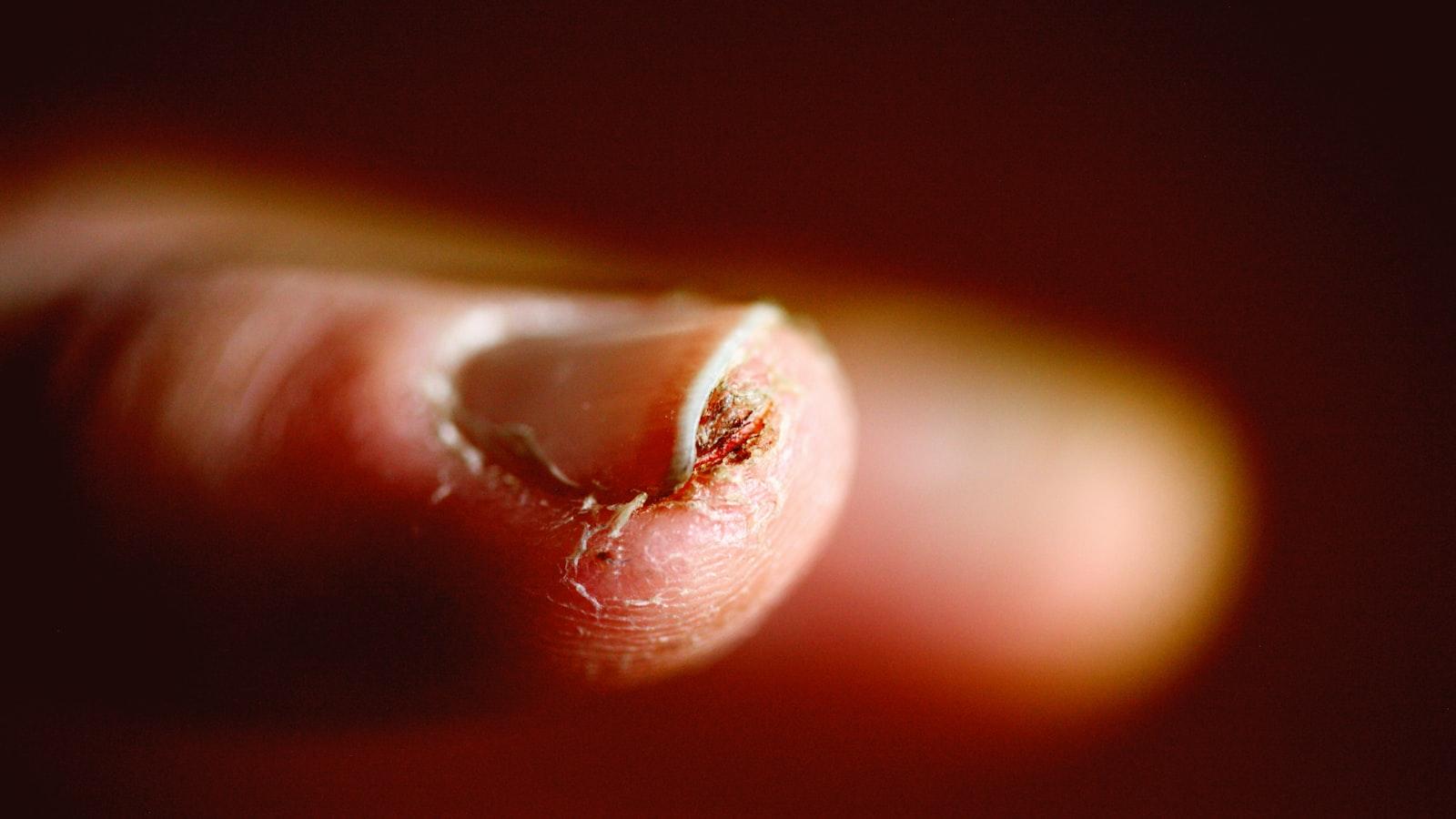
Brittle nails after eating usually is not about the meal itself “damaging” your nails in real time. It is more often a clue that your body is struggling with iron stores, thyroid function, or absorbing key nutrients, and meals are when you notice the pattern. Blood tests can help you figure out which of those is most likely in your case. Nails grow slowly, so changes you see today reflect what has been happening for weeks to months. That is why this symptom can feel confusing: you connect it to eating because you notice peeling or splitting when you wash dishes after dinner, remove polish, or feel your nails snagging later in the day. The useful move is to treat “after eating” as a timing clue, not the cause. If you want help sorting your personal pattern, PocketMD can talk it through with you, and targeted labs through VitalsVault can confirm whether iron, thyroid, or absorption is the main driver.
Why your nails feel brittle after eating
Low iron stores (low ferritin)
Iron is not just about energy; it also supports fast-growing tissues like your nail matrix, where new nail is made. When your iron stores (ferritin) run low, nails can become thin, peel at the edges, or split easily, and you may notice it most after meals because fatigue, cold hands, or cravings also show up around that time. A practical clue is heavy periods, frequent blood donation, or a mostly plant-based diet without iron planning. The most useful next step is checking ferritin, because a “normal” hemoglobin can still hide low iron stores.
Thyroid slowdown (hypothyroidism)
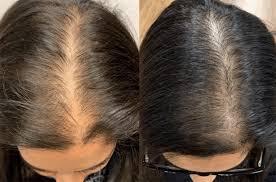
When your thyroid is underactive, your whole growth-and-repair pace slows down, including how quickly your nails grow and how well they hold moisture. That can leave nails dry, ridged, and prone to splitting, and you might connect it to eating because constipation, bloating, and post-meal sleepiness often travel with thyroid issues. If you are also noticing hair thinning, a puffy face, or feeling cold when others are fine, this cause moves up the list. A TSH test is a good starting point, and it is even more informative when paired with your symptoms and medication history.
Celiac-related poor absorption
If gluten triggers an immune reaction in your small intestine (celiac disease), you can absorb fewer nutrients even if you eat “healthy.” Nails can become brittle because iron, zinc, and protein do not get in reliably, and meals can be when you notice bloating, loose stools, or brain fog that makes the connection feel obvious. Some people have celiac with minimal stomach symptoms, so nails and fatigue can be the first loud clue. A tissue transglutaminase IgA blood test is the usual screen, but it works best if you are still eating gluten most days.
Blood sugar swings after meals
A big spike and drop in blood sugar after eating can leave you feeling shaky, sweaty, irritable, or suddenly exhausted, which makes you pay attention to your body and notice nail problems you have been ignoring. The blood sugar swings do not directly crack your nails, but they can signal a diet pattern that is low in protein and minerals or high in ultra-processed carbs, which makes nutrient gaps more likely over time. If you regularly crash one to three hours after eating, that is a useful data point. Stabilizing meals can reduce the “after eating” pattern and make it easier to see what is truly going on.
Frequent wet work after meals
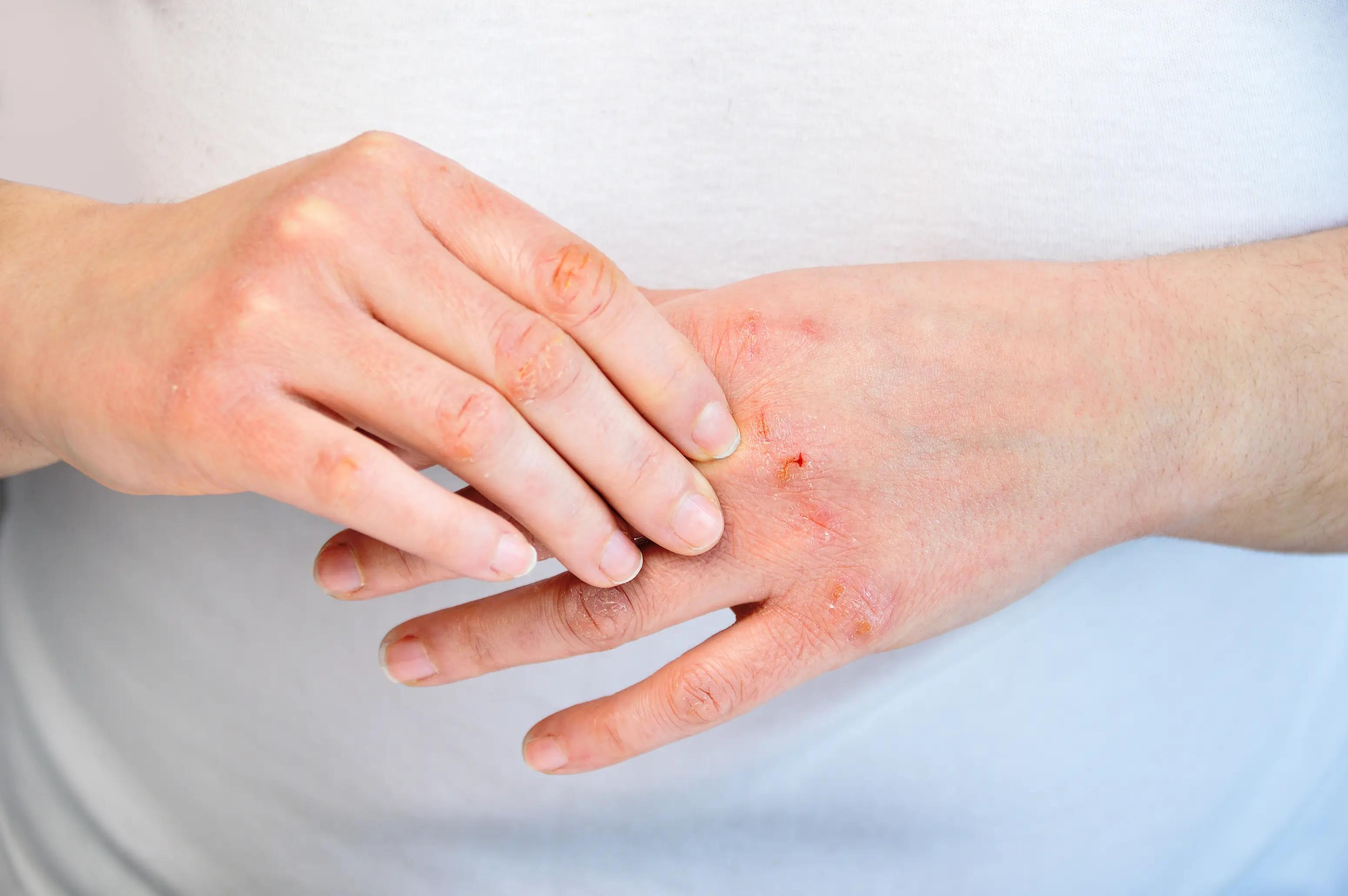
Sometimes the timing is mechanical: you wash dishes, wipe counters, or wash your hands more after eating, and repeated wet-dry cycles make nails swell and shrink. That movement creates tiny splits, especially if you also use hot water, soap, or alcohol sanitizer, and it can look like your nails “react” to food. This cause matters because it is one of the fastest to improve once you change the trigger. If your nails peel most at the tips and you see more damage on your dominant hand, treat water and detergents as the main suspect.
What actually helps your nails recover
Aim for ferritin in a healthy zone
If your ferritin is low, nails often improve only after your iron stores are rebuilt, which can take two to three months because nails grow slowly. Many clinicians aim for ferritin around 50 ng/mL or higher when symptoms like brittle nails, hair shedding, or restless legs are present, even if the lab range starts lower. Iron supplements can upset your stomach, so taking them with food or every other day is sometimes easier to tolerate while still working. The key is to recheck ferritin rather than guessing, because too much iron is not harmless either.
Build “nail-friendly” meals
Your nails are made mostly of protein, so each meal needs a real protein anchor, not just a side of it. Pair that with iron-rich foods and a vitamin C source, because vitamin C helps you absorb plant-based iron. If you eat mostly plant-based, it is worth being intentional with lentils, tofu, pumpkin seeds, and fortified foods rather than hoping you “get enough.” This is less about perfection and more about consistency for eight to twelve weeks.
Protect nails from water and soap
If your nails peel after dinner because you do dishes, wear gloves for wet work and keep water lukewarm instead of hot. After washing, pat your hands dry and rub a thick moisturizer or cuticle oil into the nail plate and the skin around it, because that is where cracking often starts. This works best when you do it every time, not once a day. If you want a simple rule: gloves plus moisturizer beats any fancy supplement when water exposure is the main driver.
Treat thyroid issues, don’t chase symptoms
If labs and symptoms point to an underactive thyroid, the fix is getting thyroid treatment dialed in, not cycling random nail products. When thyroid hormone is too low, nails can stay brittle no matter how “clean” your diet is, because the growth signal is missing. If you already take thyroid medication, timing matters because taking it with iron, calcium, or coffee can reduce absorption. Ask your clinician about your target TSH and whether your dose timing could be sabotaging you.
If you suspect celiac, test first
It is tempting to cut gluten immediately, but if you stop before testing, the blood test can turn falsely negative and you lose a clear answer. If brittle nails come with chronic bloating, diarrhea, unexplained iron deficiency, or a strong family history, get screened while you are still eating gluten most days. If the screen is positive, the next step is confirmatory evaluation, and a strict gluten-free diet can be genuinely life-changing for nutrient absorption. The practical takeaway is simple: test, then change your diet with confidence.
Lab tests that help explain brittle nails after eating
Ferritin
Ferritin is your body's iron storage protein, reflecting total iron stores in the body. In functional medicine, ferritin assessment is crucial for identifying both iron deficiency and iron overload, conditions that can significantly impact energy levels and overall health. Low ferritin is the earliest sign of iron deficiency, often occurring before anemia develops. This can cause fatigue, weakness, restless leg syndrome, and cognitive impairment. Conversely, elevated ferritin may indicate iron overload, inflamma…
Learn moreTSH
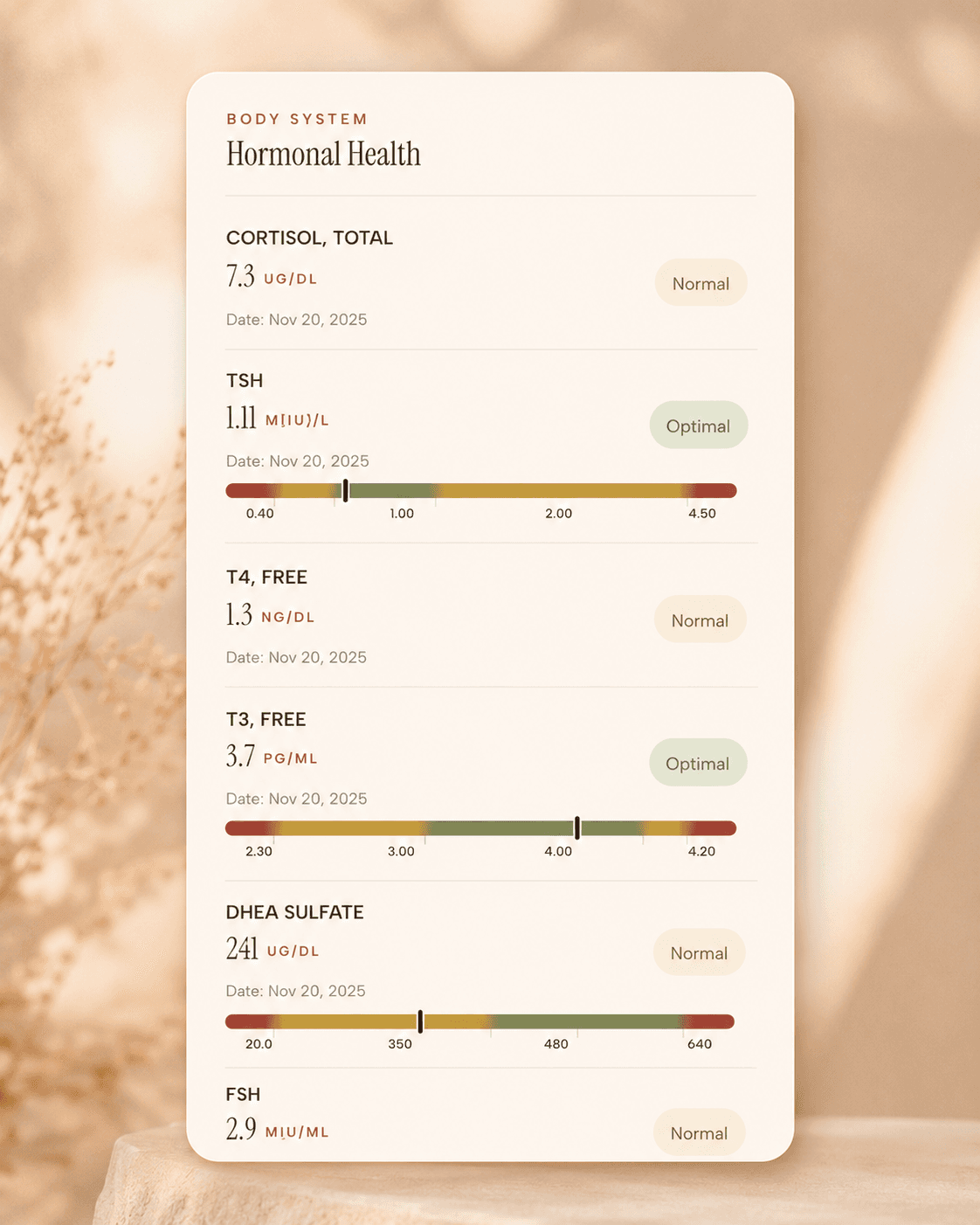
TSH is the master regulator of thyroid function, controlling the production of thyroid hormones T4 and T3. In functional medicine, we use narrower TSH ranges than conventional medicine to identify subclinical thyroid dysfunction early. Even mildly elevated TSH can indicate thyroid insufficiency, leading to fatigue, weight gain, depression, and metabolic dysfunction. TSH levels are influenced by stress, nutrient deficiencies, autoimmune conditions, and environmental toxins. Optimal TSH supports energy, metabolism…
Learn moreZinc
Zinc status affects immune function, growth and development, reproductive health, and cognitive function. Deficiency is common worldwide and can impair wound healing, taste perception, and immunity. Adequate zinc is essential for thyroid function, testosterone production, and skin health. Zinc is an essential trace mineral involved in over 300 enzymatic reactions in the body. It plays crucial roles in immune function, wound healing, protein synthesis, DNA synthesis, and cell division.
Learn moreLab testing
Check ferritin, TSH, and tissue transglutaminase IgA at Quest
starting from $99 panel with 100+ tests, one visit
No referral needed
About 1 week
Schedule online — results typically within a week
Clear next steps
Guidance included, with follow-up care available
HSA / FSA
Eligible for pre-tax health spending accounts
Pro Tips
Do a two-week “nails and meals” log where you note what you ate, whether you did dishes or used sanitizer afterward, and whether nails peeled that day; the pattern often points to water exposure versus a nutrient issue.
If you suspect iron is involved, look at your periods honestly: soaking through a pad or tampon every 1–2 hours, passing large clots, or needing double protection is a strong reason to check ferritin rather than just buying supplements.
When you moisturize, don’t just hit the cuticles; rub a thin layer of ointment or oil over the whole nail plate after handwashing, because the nail itself loses water and becomes more brittle.
If you want to try biotin, treat it like a time-limited experiment for 8–12 weeks and tell your lab or clinician, because biotin can interfere with some blood tests and create confusing results.
If brittle nails come with bloating after bread or pasta, keep eating gluten until you are tested; it is frustrating, but it prevents you from losing the chance at a clear celiac answer.
Frequently Asked Questions
Can eating sugar make your nails brittle?
Sugar does not usually make nails brittle overnight, but frequent high-sugar meals can crowd out protein and minerals that nails need to grow strong. If you also crash one to three hours after sweets, that pattern suggests blood sugar swings and a meal balance issue. Try adding 25–35 g of protein to the meal and see if both the crash and the “after eating” awareness improve over two weeks.
What vitamin deficiency causes brittle nails?
The most common deficiency linked to brittle nails is low iron stores, which you see on a ferritin test. Other nutrients can matter, but ferritin is the one that most often explains peeling and splitting when you also have fatigue, heavy periods, or hair shedding. A practical target many clinicians use for symptom improvement is ferritin around 50 ng/mL or higher, then they recheck to confirm it is rising.
Can hypothyroidism cause brittle nails even if you eat well?
Yes. When thyroid hormone is low, your nail growth slows and the nail plate tends to dry out, so nails can split even with a solid diet. A TSH test is the usual starting point, and many symptomatic people feel best when TSH is roughly 0.5–2.5 mIU/L, depending on your situation. If you take levothyroxine, make sure you are not taking it with iron or calcium, which can block absorption.
How do you know if brittle nails are from celiac disease?
You cannot tell from nails alone, but brittle nails plus unexplained low ferritin, chronic bloating or diarrhea, or a family history makes celiac worth screening for. The usual blood test is tTG-IgA, and it is often paired with total IgA so the result is interpretable. The key detail is that you need to be eating gluten regularly for the test to be reliable, so test first and then change your diet.
How long does it take for brittle nails to improve?
Because fingernails grow about 3 millimeters per month, meaningful improvement usually takes 8–12 weeks, and full replacement of a nail can take 4–6 months. If the cause is water and detergent exposure, you may notice less peeling within two weeks once you use gloves and moisturize after every wash. If the cause is low ferritin or thyroid issues, improvement tracks with correcting the underlying problem and confirming it on repeat labs.