

Peptides for brain, focus and sleep
The brain peptide with the most human trials behind it has the least convincing results, and the reason is worth knowing before you try any of them.
Free to join · One email when peptide care opens · Most lab results in 3–5 business days
The answer, in short
The brain peptides people ask about most are Semax, studied for stroke recovery and focus, Selank, studied for anxiety, DSIP for sleep, Dihexa for memory, and Cerebrolysin, a pig-brain peptide mix used for stroke and dementia abroad. Semax and Selank have small Russian trials, DSIP showed weak sleep effects, Dihexa has none in people, and Cerebrolysin’s largest trials were neutral.
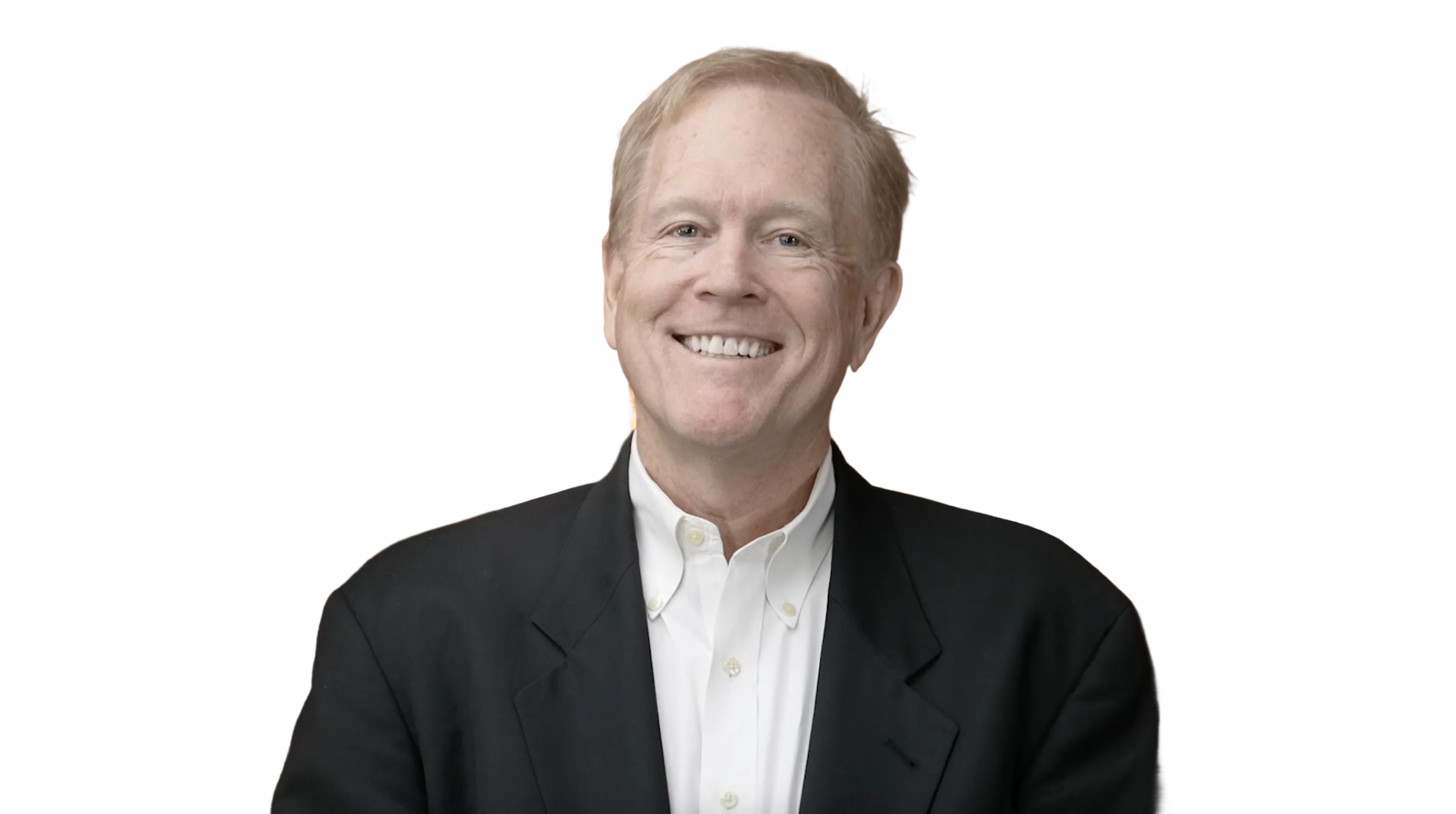
Medically reviewed by Robert Lufkin, MD (opens in a new tab)
Chief Medical Officer, Vitals Vault · Updated · 28 sources
Where brain fog actually comes from
It is mid-afternoon and the sentence you are reading has lost you twice. You slept, sort of. You had coffee. The search history afterward is predictable, from nootropics to brain fog causes to, eventually, peptides for focus. The interest is understandable, because the brain runs on peptide signals and several of these molecules come from the brain’s own chemistry.
Focus is an output of the whole system. A brain that thinks clearly needs steady fuel from blood sugar, enough thyroid hormone to set its pace, B vitamins for its wiring, a calm enough stress system to pay attention, and sleep. Sleep does real work for the brain. In a 2013 study in mice, natural sleep expanded the space between brain cells by 60%, letting fluid wash through and clear beta-amyloid, a waste protein linked to Alzheimer’s disease, faster than during waking.
That systems view matters for peptides. Each one in this chapter acts on one thread, a growth signal, an anxiety circuit, a sleep stage, and none of them can make up for a thread that is broken somewhere else.1
How brain peptides act
The brain peptides in this chapter fall into three families. Two of them borrow their sequence from a hormone and trim away the parts that act on the body, keeping the part that acts on the brain.36
- 01
Growth signals
Semax raises BDNF, a growth factor for brain cells, and activates its receptor in the rat hippocampus. Cerebrolysin is thought to mimic the brain’s growth factors.317
- 02
Calming circuits
Selank slows the breakdown of enkephalins, the body’s own calming peptides, and shifts GABA-related genes in rats.67
- 03
Synapse building
Dihexa was engineered from angiotensin IV to reach the brain by mouth and grew new synapses in rats.14
- 04
Sleep
DSIP was named for deep, slow-wave sleep, though no receptor has been found and its mechanism is still unknown.10
Brain peptides compared
Read across the rows and two things stand out. Most of the human data come from Russia and from groups close to the developers, and the trials with the cleanest designs tend to find the smallest effects.
| Peptide | How it works | Best evidence | Evidence level |
|---|---|---|---|
| Semax | ACTH fragment without hormone activity; raises BDNF | 110-person stroke study; brain imaging in healthy volunteers | Human trials |
| Selank | Tuftsin-based; slows enkephalin breakdown, GABA effects | 62-person trial against a benzodiazepine for anxiety | Human trials |
| Cerebrolysin | Pig-brain peptide mix thought to mimic growth factors | 1,070-person stroke trial, neutral; Cochrane reviews | Human trials |
| DSIP | Unknown; no receptor found | 16-person double-blind insomnia trial, weak effects | Early human data |
| Dihexa | Angiotensin IV analogue; synapse growth in rats | Rat and mouse memory studies only | Early research |
Semax and Selank, the Moscow siblings
Semax and Selank came out of the same Moscow research tradition and share a trick. Each takes a short natural peptide and adds a Pro-Gly-Pro tail so it lasts longer in the body. Semax starts from a fragment of ACTH, the pituitary stress hormone, keeping the piece that affects the brain and leaving out the hormone action. Selank starts from tuftsin, a tiny immune peptide.
Semax is the better studied of the two. One nasal dose raised BDNF in the rat hippocampus up to 1.4 times, along with better learning. In people it has been used in Russian stroke wards since the 1990s, and in a 2018 study of 110 stroke patients it raised blood BDNF and sped recovery of daily activities. In 24 healthy volunteers, a placebo-controlled imaging study saw changes in the brain’s default mode network within 20 minutes, which measures brain activity rather than thinking performance.
Selank is studied for anxiety. In a 62-person Russian trial it gave anxiety relief similar to the benzodiazepine medazepam, with less fatigue and more alertness, and adding it to phenazepam in a 70-person trial brought faster relief and fewer sedative side effects. Neither trial had a placebo group, and both came from developer-linked teams.
Selank has also kept its immune roots. In a 2008 lab study, it switched off the gene for IL-6, an inflammatory messenger, in blood cells from people with depression and anxiety, and left cells from healthy people alone. That fits a growing view that mood and low-grade inflammation are linked, though a gene change in a dish is a long way from feeling calmer.3458919
DSIP and Dihexa, two promises still waiting
DSIP was isolated from rabbit blood in Basel in 1977 and named for delta sleep, the deepest stage. A 1981 report in The Lancet described better sleep in people with insomnia. The controlled trials that followed were less kind. In a double-blind crossover study, DSIP added light stage 2 sleep and left deep sleep unchanged, and a 16-person double-blind trial found slightly better sleep efficiency with no change in how well people felt they slept. Nearly fifty years on, no gene, protein or receptor for it has been found.
DSIP was also tried in withdrawal. In 1984, 107 inpatients coming off alcohol or opiates improved rapidly on it, according to their clinicians, but the study had no control group, and withdrawal symptoms ease with time and care on their own.
Dihexa is a younger story with a sharper twist. Researchers at Washington State University cut an angiotensin IV analogue down to three capped amino acids so it would survive digestion and reach the brain, and in rats with memory loss it improved maze learning and grew synapses. The 2014 paper proposing how it works, through the HGF/MET growth-factor system, was retracted in 2025. A different drug aimed at the same system, fosgonimeton, then missed its goals in a 287-person Alzheimer’s trial. Dihexa itself has never been tested in a person.1011121320141516
Cerebrolysin and the problem of a big trial
Cerebrolysin is a mixture made by digesting pig brain proteins, given by intravenous infusion for stroke and dementia in Russia, Eastern Europe, China and elsewhere. When one internet-bought sample was analyzed, it held 638 distinct peptides, mostly from structural proteins such as tubulin, actin and myelin basic protein, and no known growth-factor fragments.
It also has more human trials than anything else in this chapter. CASTA, run in Asia, enrolled 1,070 people with acute stroke and found no difference on its main outcome. The 2023 Cochrane review of seven trials and 1,773 people found little or no difference in death, and more non-fatal serious adverse events. For vascular dementia, a 2019 Cochrane review found small gains in thinking, based on very low-quality evidence. An exploratory rehabilitation trial did report better arm and hand function at three months.
Even safety depends on which trials you count. A 2021 meta-analysis of twelve trials and 2,202 stroke patients found no significant safety difference from placebo, while the Cochrane review, drawing on a different set, found more non-fatal serious adverse events. When careful reviewers reach different answers from overlapping data, the honest reading is that the question is still open.182223242521
Why the bigger the trial, the smaller the effect
Line up the evidence in this chapter by trial quality and a pattern jumps out. DSIP looked promising in an early report and faded in double-blind trials. Dihexa’s best mechanism paper was withdrawn. Cerebrolysin, with more than a thousand patients in a single trial, landed on neutral. Semax and Selank have the most encouraging human results, and they are also the smallest, open or without placebo, and from teams close to the developers.
The same pattern shows up across brain research. Brain outcomes such as anxiety, focus, sleep quality and recovery after stroke move with expectation, attention from staff and natural recovery, so small open studies tend to find more than large blinded ones. A trial without a placebo group cannot separate the peptide from the hope.
The practical lesson is to read a brain peptide claim by asking who ran the study, whether there was a placebo and how many people took part. On those three questions alone, most of the chapter sorts itself. The second lesson comes from Semax’s own stroke study. Early rehabilitation raised BDNF without any peptide, the same growth signal Semax is prized for, and a 2015 meta-analysis of 29 studies found that a single session of exercise raises BDNF in people with a moderate effect, larger in those who train regularly.12131522842
What else moves the same system, and the labs to check
The brain’s growth signals answer to movement, as the BDNF data show. Sleep is the brain’s cleaning shift. And the stress system that Selank and Semax nudge is also shaped by daylight, caffeine timing and alcohol, each of which costs nothing to adjust.
Labs catch the common, fixable causes of fog before anyone reaches for a nootropic. Vitamin B12 deficiency and an underactive thyroid both slow thinking and are easy to miss. HbA1c shows whether swings in blood sugar are part of the afternoon slump. Homocysteine reflects B vitamin status and blood vessel health, both tied to the aging brain. A clean panel makes any peptide trial easier to interpret, and an abnormal one may make it unnecessary.217
Where brain peptides stand in 2026
Of the five, only Semax is covered by FDA’s October 29, 2026 enforcement discretion, which NCPA reported lets 503A pharmacies compound it with a prescription while final rulemaking is pending. Selank, Dihexa and DSIP, listed by FDA as emideltide, appear on FDA’s compounding safety page, which notes missing human safety data. FDA’s advisers voted in July 2026 against adding emideltide to the compounding list. Cerebrolysin is not an FDA-approved drug, and none of the five is approved for any use.262728
What this means for you
Brain peptides are some of the most interesting molecules in this guide and some of the least proven. Semax and Selank have real, small human trials. DSIP and Dihexa are still promises. Cerebrolysin shows what happens when a promising peptide meets a large, blinded trial.
Start with the threads you can check, which are sleep, movement, blood sugar, thyroid and B12. If fog persists after that, the question for a clinician is concrete. What is this peptide supposed to change, how would we measure it in me, and what did the placebo group in its best trial experience?4823
Start with your labs
A blood test before you start and a retest after shows what actually changed for you. It is how Vitals Vault approaches every treatment.
- TestA baseline panel at Quest Diagnostics.
- DecideA licensed clinician reviews your history and results.
- RetestThe same markers again, side by side.
- Vitamin B12Low B12 is a common, fixable cause of poor memory, low mood and tingling nerves.
- TSHAn underactive thyroid slows thinking and energy. TSH is the first screen.
- HbA1cYour average blood sugar over about three months.
- HomocysteineA marker tied to B vitamin status and blood vessel health, both of which matter for the aging brain.

Questions
What is the best peptide for brain fog?
No peptide has been proven for brain fog in a large placebo-controlled trial. Semax has the most human data for focus and recovery, from small Russian studies. Checking sleep, thyroid, B12 and blood sugar first often finds a cause that is easier to fix.
What is the difference between Semax and Selank?
Both are Russian peptides with a Pro-Gly-Pro tail. Semax comes from a fragment of ACTH and is studied for stroke recovery, memory and focus. Selank comes from tuftsin, an immune peptide, and is studied for anxiety. Only Semax is covered by FDA’s October 2026 compounding policy.
Do peptides help with anxiety?
Selank is the peptide most studied for anxiety. In small Russian trials it gave relief similar to benzodiazepines with less fatigue, but those trials had no placebo group. No large independent trial has tested it.
Does DSIP help you sleep?
Not much, on current evidence. Despite its name, double-blind trials in insomnia found weak effects and no change in deep sleep, and the authors of two trials judged the benefit weak or of little clinical significance. Its mechanism is still unknown.
Is Dihexa safe?
Nobody knows. Dihexa has never been tested in people, FDA has identified no human exposure data, and the paper explaining how it works was retracted in 2025. It is not FDA-approved and is not covered by FDA’s compounding policy.
Does Cerebrolysin work?
Its largest stroke trial, with 1,070 people, found no difference on the main outcome, and a 2023 Cochrane review found little or no effect on death. Dementia evidence is very low quality. An exploratory trial reported better arm and hand recovery with rehabilitation.
How can I raise BDNF naturally?
Exercise is the best-studied way. A meta-analysis of 29 human studies found a single session raises BDNF, and regular training strengthens the effect. In a stroke study, early rehabilitation raised BDNF without any peptide.

Peptides, prescribed and measured
Vitals Vault is opening peptide care that starts with your blood work, is prescribed by licensed US clinicians and ends with a retest. Join the waitlist to hear first.
- Prescription only
- Licensed US clinicians
- Quest Diagnostics labs
Keep reading
Full Peptide Guide- SemaxA seven-amino-acid nasal peptide used in Russia for stroke, studied for memory, focus and BDNF.

- SelankA seven-amino-acid peptide built on tuftsin, developed in Russia and studied for anxiety.

- DSIPA nine-amino-acid peptide first isolated in 1977 and named for sleep, with thin human evidence.

- DihexaA lab-made angiotensin IV analogue studied in animals for memory, with no human trials and a retracted mechanism paper.

- CerebrolysinA mixture of peptides and amino acids from pig brain, used in some countries for stroke and dementia, with weak evidence in Cochrane reviews.

- HumaninA peptide coded in your mitochondrial DNA, studied for brain protection, insulin sensitivity and healthy aging. Levels fall with age.
- FDA peptide update 2026What FDA’s October 2026 decision on six peptides means for you.
Sources
- 1. Xie L, et al. Sleep drives metabolite clearance from the adult brain. Science. 2013 (opens in a new tab)
- 2. Szuhany KL, et al. A meta-analytic review of the effects of exercise on brain-derived neurotrophic factor. J Psychiatr Res. 2015 (opens in a new tab)
- 3. Dolotov OV, et al. Semax regulates BDNF and trkB expression in the rat hippocampus. Brain Res. 2006 (opens in a new tab)
- 4. Gusev EI, et al. The efficacy of Semax in patients at different stages of ischaemic stroke. Zh Nevrol Psikhiatr Im S S Korsakova. 2018 (opens in a new tab)
- 5. Lebedeva IS, et al. Effects of Semax on the default mode network of the brain. Bull Exp Biol Med. 2018 (opens in a new tab)
- 6. Zozulya AA, et al. The inhibitory effect of Selank on enkephalin-degrading enzymes as a possible mechanism of its anxiolytic activity. Bull Exp Biol Med. 2001 (opens in a new tab)
- 7. Volkova A, et al. Selank administration affects the expression of some genes involved in GABAergic neurotransmission. Front Pharmacol. 2016 (opens in a new tab)
- 8. Zozulia AA, et al. Efficacy and possible mechanisms of action of a new peptide anxiolytic selank in the therapy of generalized anxiety disorders and neurasthenia. Zh Nevrol Psikhiatr Im S S Korsakova. 2008 (opens in a new tab)
- 9. Medvedev VE, et al. Optimization of the treatment of anxiety disorders with selank. Zh Nevrol Psikhiatr Im S S Korsakova. 2015 (opens in a new tab)
- 10. Kovalzon VM, et al. Delta sleep-inducing peptide (DSIP): a still unresolved riddle. J Neurochem. 2006 (opens in a new tab)
- 11. Schneider-Helmert D, et al. Synthetic delta-sleep-inducing peptide improves sleep in insomniacs. Lancet. 1981 (opens in a new tab)
- 12. Monti JM, et al. Study of delta sleep-inducing peptide efficacy in improving sleep on short-term administration to chronic insomniacs. Int J Clin Pharmacol Res. 1987 (opens in a new tab)
- 13. Bes F, et al. Effects of delta sleep-inducing peptide on sleep of chronic insomniac patients. A double-blind study. Neuropsychobiology. 1992 (opens in a new tab)
- 14. McCoy AT, et al. Evaluation of metabolically stabilized angiotensin IV analogs as procognitive/antidementia agents. J Pharmacol Exp Ther. 2013 (opens in a new tab)
- 15. Benoist CC, et al. Retraction notice to "The procognitive and synaptogenic effects of angiotensin IV-derived peptides are dependent on activation of the hepatocyte growth factor/c-Met system". J Pharmacol Exp Ther. 2025 (opens in a new tab)
- 16. Porsteinsson AP, et al. Fosgonimeton in mild-to-moderate Alzheimer’s disease. J Alzheimers Dis Rep. 2025 (opens in a new tab)
- 17. Rejdak K, et al. Modulation of neurotrophic factors in the treatment of dementia, stroke and TBI: effects of Cerebrolysin. Med Res Rev. 2023 (opens in a new tab)
- 18. Gevaert B, et al. Peptide profiling of Internet-obtained Cerebrolysin using high performance liquid chromatography - electrospray ionization ion trap and ultra high performance liquid chromatography - ion mobility - quadrupole time of flight mass spectrometry. Drug Test Anal. 2015 (opens in a new tab)
- 19. Uchakina ON, et al. Immunomodulatory effects of selank in patients with anxiety-asthenic disorders. Zh Nevrol Psikhiatr Im S S Korsakova. 2008 (opens in a new tab)
- 20. Dick P, et al. DSIP in the treatment of withdrawal syndromes from alcohol and opiates. Eur Neurol. 1984 (opens in a new tab)
- 21. Strilciuc S, et al. Safety of Cerebrolysin for neurorecovery after acute ischemic stroke: a systematic review and meta-analysis of twelve randomized-controlled trials. Pharmaceuticals (Basel). 2021 (opens in a new tab)
- 22. Heiss WD, et al. Cerebrolysin in patients with acute ischemic stroke in Asia: results of a double-blind, placebo-controlled randomized trial. Stroke. 2012 (opens in a new tab)
- 23. Ziganshina LE, et al. Cerebrolysin for acute ischaemic stroke. Cochrane Database Syst Rev. 2023 (opens in a new tab)
- 24. Cui S, et al. Cerebrolysin for vascular dementia. Cochrane Database Syst Rev. 2019 (opens in a new tab)
- 25. Muresanu DF, et al. Cerebrolysin and Recovery After Stroke (CARS): a randomized, placebo-controlled, double-blind, multicenter trial. Stroke. 2016 (opens in a new tab)
- 26. NCPA. FDA grants enforcement discretion for compounding six peptides. October 29, 2026 (opens in a new tab)
- 27. FDA. Certain bulk drug substances for use in compounding that may present significant safety risks (current as of April 22, 2026) (opens in a new tab)
- 28. FDA. Bulk drug substances used in compounding under section 503A (opens in a new tab)