Why You Wake Up Tired in Perimenopause (Even After 8 Hours)
Waking up tired in perimenopause is often from hormone-driven sleep fragmentation, iron deficiency, or sleep apnea. Targeted labs available—no referral needed.






Waking up tired in perimenopause usually means your sleep is getting fragmented, not that you are “bad at sleeping.” Shifting estrogen and progesterone can make you wake more often, trigger night sweats, and lower your tolerance for stress, while issues like iron deficiency or sleep apnea can quietly drain your energy even if you get 7–8 hours. A few targeted labs can help you sort out which bucket you are in so you stop guessing. This symptom is frustrating because you can do “everything right” and still feel like you got hit by a truck in the morning. Perimenopause can change your sleep architecture, your breathing during sleep, and even how wired you feel at night, which means the fix is not always “go to bed earlier.” Below, you will see the most common causes, what tends to help in real life, and which tests are worth considering. If you want help connecting your exact pattern (night sweats, early waking, snoring, heavy periods, anxiety) to a plan, PocketMD can walk you through it, and Vitals Vault labs can help confirm what your body is doing.
Why you wake up tired in perimenopause
Hormone shifts fragment your sleep
In perimenopause, progesterone and estrogen can swing week to week, and that can make your sleep lighter and easier to interrupt. You might not fully “wake up” long enough to remember it, but your brain can keep popping you out of deeper sleep, which is the part that makes you feel restored. A useful clue is when you wake up tired even after a calm day and a normal bedtime, because the issue is often sleep quality rather than effort.
Night sweats and hot flashes
When your brain’s temperature control center (hypothalamus) becomes more sensitive, you can overheat at night and wake up sweaty, thirsty, or suddenly wide awake. Even a brief sweat episode can break a sleep cycle, so you get enough hours but not enough deep sleep. If this is you, keeping the bedroom cooler and tracking whether symptoms cluster in the second half of the night can help you see the pattern clearly.
Sleep apnea you don’t suspect
Sleep apnea is not just a “middle-aged man” problem, and it can show up in perimenopause even without loud snoring. Hormone changes and weight distribution shifts can make your airway more collapsible, which leads to tiny oxygen drops and micro-awakenings all night long. If you wake with a dry mouth, morning headaches, or you feel sleepy while driving, it is worth asking about a home sleep test because treating apnea can be a game-changer fast.
Low iron from heavier periods
If your periods have gotten heavier or closer together, you can slowly drain your iron stores and still have a “normal” hemoglobin. Low iron stores show up as low ferritin, and it can feel like morning exhaustion, brain fog, and a body that never quite recharges. The takeaway is simple: if you are bleeding more than you used to, ferritin is often more informative than a basic blood count alone.
Thyroid slowing down your mornings
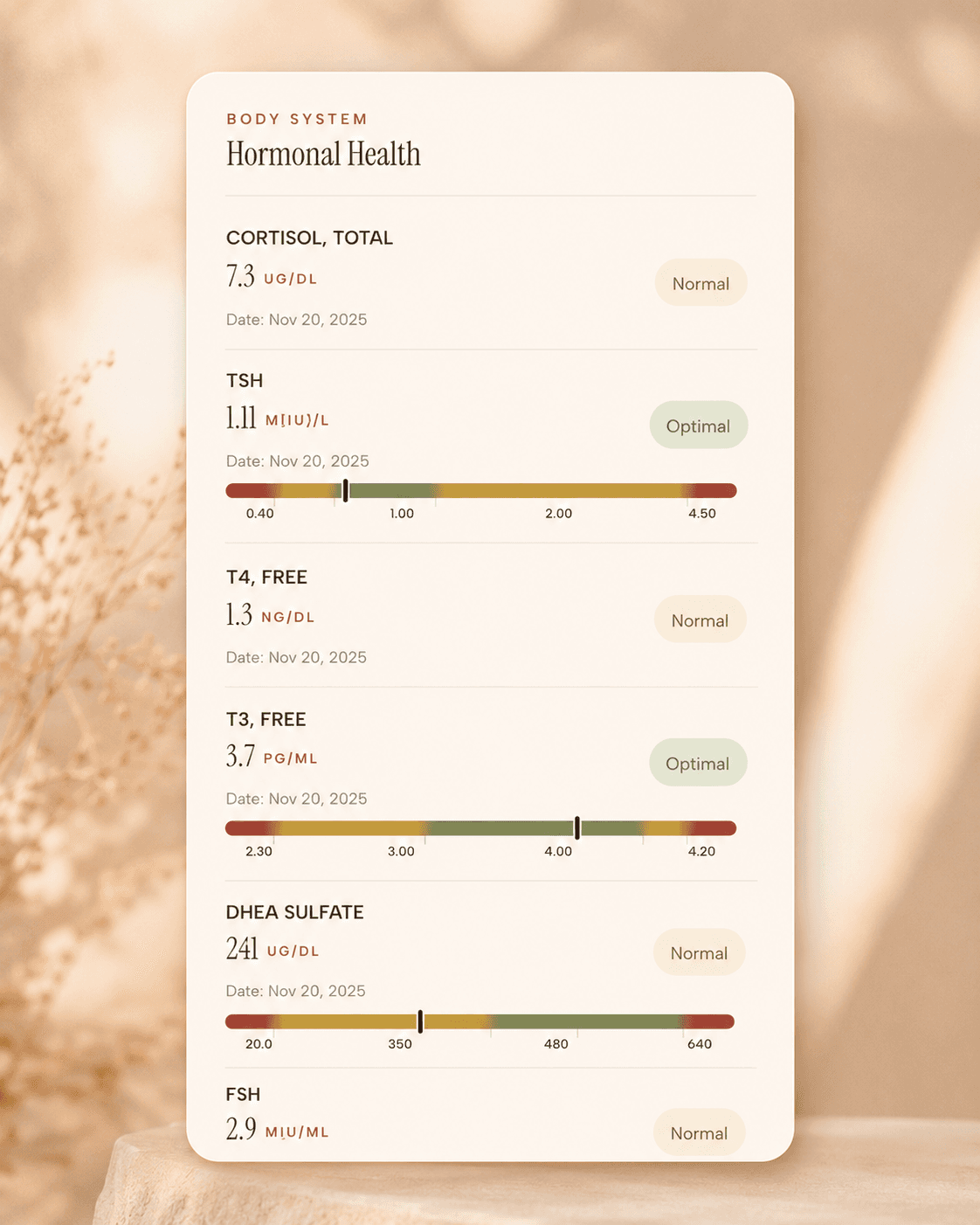
A sluggish thyroid can make you feel like you are moving through mud, and it can also worsen sleep by causing aches, mood changes, or feeling cold and uncomfortable at night. In midlife, thyroid issues can overlap with perimenopause symptoms, which is why people often miss it. If you also notice constipation, dry skin, or unexplained weight gain, checking TSH is a practical way to rule in or rule out this contributor.
What actually helps you wake up rested
Treat night sweats like a trigger
If heat wakes you, focus on lowering the “temperature spikes” rather than forcing yourself to sleep through them. Try a cooler room, breathable bedding, and a quick reset plan for 2 a.m. awakenings, such as a sip of water and slow breathing in dim light instead of scrolling. If sweats are frequent and disruptive, talk with a clinician about menopause hormone therapy or non-hormonal options, because reducing awakenings is often the most direct path to feeling rested.
Screen yourself for sleep apnea
A simple screening step is to notice whether you snore, wake up gasping, or feel sleepy in the afternoon even after “enough” sleep. If any of that fits, ask about a home sleep apnea test, because you cannot out-habit an airway problem. Treatment can be as straightforward as CPAP, a dental device, or targeted weight and nasal strategies, and the payoff is usually better mornings within weeks.
Rebuild iron stores if ferritin is low
If ferritin is low, the goal is to restore iron stores, not just to “eat more spinach.” Many people do better with an iron supplement taken every other day, because it can improve absorption and reduce stomach side effects, but dosing should match your labs and your bleeding pattern. Also, if your periods are very heavy, addressing the bleeding is part of fixing the fatigue, otherwise you are bailing water from a leaking boat.
Use light to reset your clock
Perimenopause can make your sleep timing drift, especially if you fall asleep fine but wake too early and cannot get back down. Getting outside light within an hour of waking tells your brain when “daytime” starts, which helps consolidate sleep the next night. Keep the routine consistent for two weeks before judging it, because circadian changes are slow but real.
Protect deep sleep from alcohol
Alcohol can make you feel sleepy at first, but it often causes a rebound in the second half of the night, which is exactly when many perimenopause awakenings happen. That rebound can look like 3 a.m. wide-awake anxiety, a racing heart, or vivid dreams followed by a groggy morning. If you want a clean experiment, take a two-week break and see whether your “I slept but I’m tired” mornings improve.
Useful biomarkers to discuss with your clinician
Ferritin
Ferritin is your body's iron storage protein, reflecting total iron stores in the body. In functional medicine, ferritin assessment is crucial for identifying both iron deficiency and iron overload, conditions that can significantly impact energy levels and overall health. Low ferritin is the earliest sign of iron deficiency, often occurring before anemia develops. This can cause fatigue, weakness, restless leg syndrome, and cognitive impairment. Conversely, elevated ferritin may indicate iron overload, inflamma…
Learn moreHemoglobin
Hemoglobin is the iron-containing protein in red blood cells that actually carries oxygen throughout your body. In functional medicine, hemoglobin is considered one of the most important markers of oxygen-carrying capacity and overall vitality. Low hemoglobin (anemia) significantly impacts energy levels, cognitive function, exercise tolerance, and quality of life. Even mild decreases can cause fatigue and reduced performance. Hemoglobin levels are influenced by iron status, vitamin B12, folate, protein intake, a…
Learn moreProgesterone
While primarily known as a female hormone, progesterone plays important roles in men including neuroprotection, sleep quality, and as a precursor to other hormones. In functional medicine, male progesterone assessment helps evaluate overall hormone synthesis pathways and stress response. Low progesterone in men may indicate chronic stress or adrenal dysfunction, while optimal levels support brain health and sleep quality. Progesterone in men supports neurological health, sleep quality, and serves as a building b…
Learn moreLab testing
Get TSH, ferritin, and vitamin B12 checked at Quest
starting from $99 panel with 100+ tests, one visit
No referral needed
About 1 week
Schedule online — results typically within a week
Clear next steps
Guidance included, with follow-up care available
HSA / FSA
Eligible for pre-tax health spending accounts
Pro Tips
Do a two-week “wake-up tired” log that tracks one thing you can act on: how many times you remember waking, whether you sweated, and whether you drank alcohol that evening. Patterns usually show up faster than you expect.
If you suspect sleep apnea, record 30 seconds of your breathing with your phone (or ask a partner what they notice) on two different nights. A pattern of loud snoring, pauses, or gasps is useful information to bring to a clinician.
If your periods are heavier, set a practical threshold: soaking through a pad or tampon in an hour, passing large clots, or bleeding longer than 7 days is not something you should just “push through.” Getting that evaluated can directly improve your energy.
Try a “no bright light after wake-ups” rule for one week. Use a dim lamp, keep your phone off, and do a boring reset like counting breaths, because bright light teaches your brain that 3 a.m. is morning.
If you rely on caffeine to function, move your first dose to 60–90 minutes after waking for a week. That small delay can reduce the afternoon crash and make it easier to fall into deeper sleep the next night.
Frequently Asked Questions
Can perimenopause make you tired even if you sleep 8 hours?
Yes. Perimenopause often causes more micro-awakenings from hormone swings, night sweats, or anxiety, so you get enough hours but not enough deep, restorative sleep. If you wake up tired most mornings for more than a few weeks, it is reasonable to look for a specific driver such as sleep apnea or low ferritin rather than blaming willpower. A short symptom log plus a few targeted tests can narrow it down.
How do I know if it’s sleep apnea or just hormones?
Hormone-related sleep problems often come with night sweats, a “wired” feeling at bedtime, or early-morning waking, while sleep apnea often adds snoring, dry mouth, morning headaches, or daytime sleepiness. The tricky part is you can have both, especially in perimenopause. If you have any breathing-related clues or you feel sleepy while driving, ask about a home sleep apnea test.
What ferritin level causes fatigue in women?
There is no single magic number, but fatigue and low stamina are common when ferritin is below about 30 ng/mL, especially if you have heavy periods. Some people report better energy when ferritin is closer to 50–100 ng/mL, even if their hemoglobin is normal. If your ferritin is low, talk through iron dosing and the reason for blood loss so the fix actually sticks.
Should I get my thyroid checked for morning exhaustion?
If you are waking up tired for weeks and you also notice constipation, feeling cold, dry skin, hair changes, or unexplained weight gain, checking TSH is a practical next step. Thyroid symptoms can overlap with perimenopause, so testing helps you avoid guessing. If TSH is abnormal, your clinician may add free T4 and thyroid antibodies to clarify what is going on.
What is the best first step to stop waking up exhausted?
Pick the most likely “bucket” and test it with a focused experiment for two weeks: cool the bedroom and address night sweats, or remove alcohol, or get morning outdoor light, or pursue sleep apnea testing if you have breathing clues. The goal is fewer awakenings and more consistent deep sleep, not just more time in bed. If you want faster clarity, ferritin, TSH, and vitamin B12 are common labs that can explain persistent morning fatigue.
What the research says
North American Menopause Society (NAMS) position statement on hormone therapy and symptom management
AASM clinical practice guideline for diagnostic testing for adult obstructive sleep apnea
USPSTF recommendation statement on screening for obstructive sleep apnea in adults (context for when testing is still appropriate)