Why You Wake Up Tired At Night (Even After “Enough” Sleep)
Waking up tired at night is often from sleep apnea, insomnia-driven hyperarousal, or low iron. Targeted blood tests available at Quest—no referral needed.






Waking up tired at night usually means your sleep is getting fragmented, even if you’re in bed for 7–8 hours. The most common culprits are breathing interruptions during sleep (sleep apnea), a “wired-but-tired” stress response that keeps your brain on alert, and body issues like low iron that reduce how restorative sleep feels. A few targeted labs and the right screening questions can help you figure out which one fits you. This symptom is frustrating because it messes with your whole next day, and it can make you feel like you’re doing everything “right” while your body refuses to recharge. Sometimes the fix is behavioral, like changing how you handle wake-ups, but sometimes it’s medical, like treating sleep apnea or correcting iron deficiency. If you want help sorting your pattern, PocketMD can walk through your symptoms with you, and Vitals Vault labs can help you check the most common fatigue-related drivers without guesswork.
Why You Wake Up Tired At Night
Sleep apnea breaks up sleep
With obstructive sleep apnea, your airway narrows during sleep, your oxygen dips, and your brain briefly “rescues” you with tiny awakenings you may not remember. You can still log 8 hours, but it’s like trying to charge your phone with the cord constantly unplugging. If you snore, wake with a dry mouth, or feel sleepy while driving, ask for a sleep study because treating apnea often changes everything.
Your brain stays on alert
Sometimes you wake up tired because your nervous system is running in high gear at night, even when you’re exhausted. This is the wired-but-tired pattern of insomnia, where your body releases stress signals and you drift into lighter sleep that doesn’t restore you. A clue is waking around the same time with a busy mind or a jolt of anxiety, so focusing on how you respond to wake-ups can be more effective than adding more time in bed.
Low iron drains sleep quality
Iron is not just about anemia; it also supports brain chemicals that help you feel calm and steady during sleep. When your iron stores are low, you may get restless legs, frequent micro-awakenings, and that heavy, unrefreshed feeling even after a “full” night. If you have heavy periods, follow a vegetarian diet, or donate blood often, checking ferritin can be a high-yield next step.
Blood sugar swings overnight
If your blood sugar drops or spikes during the night, your body can respond with adrenaline and cortisol, which can wake you up and leave you tired and shaky. Some people notice vivid dreams, night sweats, or waking hungry, especially if dinner is late or very high in refined carbs. It helps to watch for a pattern between evening alcohol or sweets and 2–4 a.m. wake-ups, because stabilizing your evening routine can reduce these jolts.
Thyroid imbalance disrupts sleep
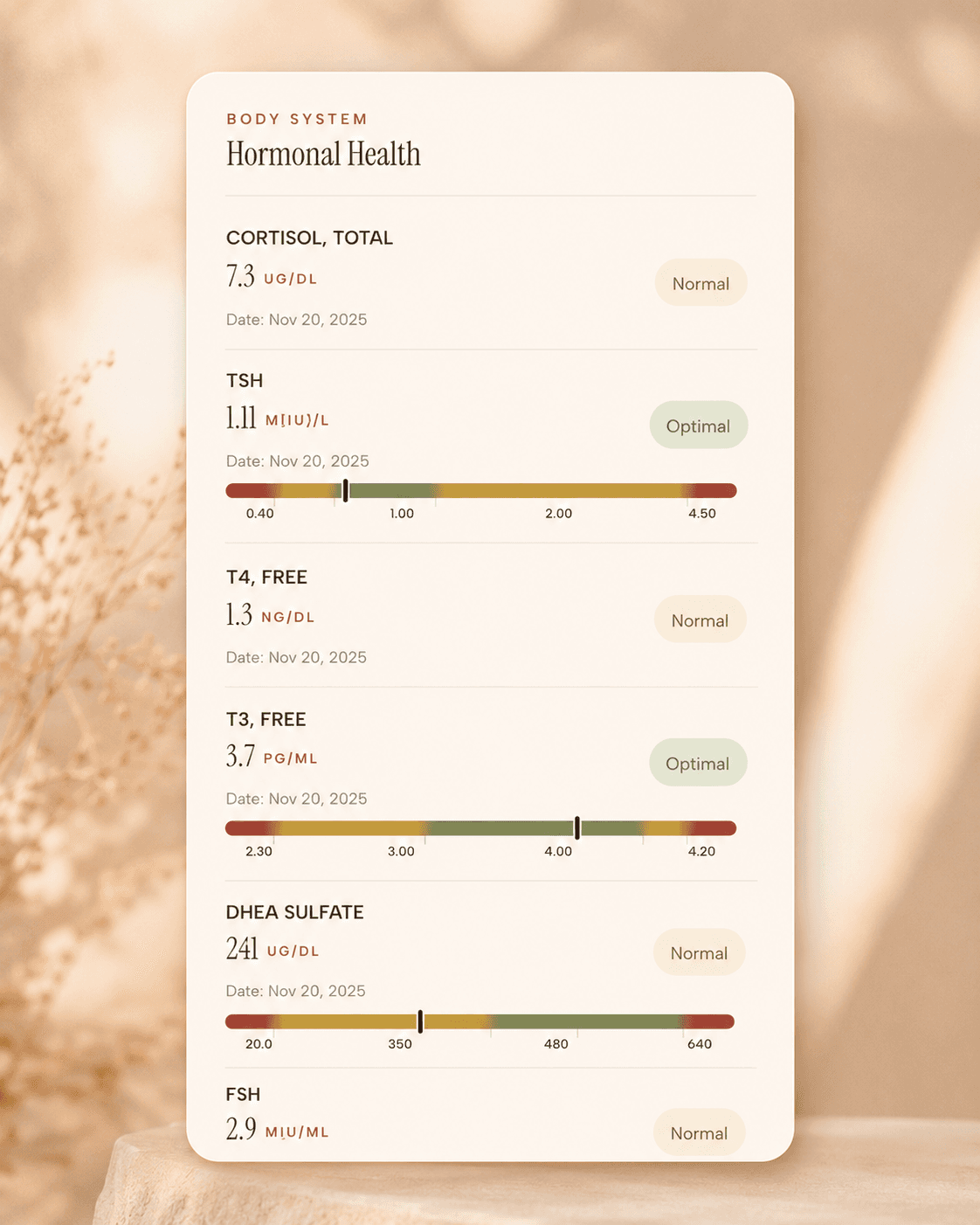
Your thyroid hormone sets your body’s “idle speed,” so when it’s off, your sleep can feel wrong in opposite ways. Too much thyroid activity can make you restless with a racing heart, while too little can leave you sluggish and foggy even after sleep. If your tired nights come with new constipation, hair shedding, heat intolerance, or palpitations, a TSH test can help you decide whether thyroid is part of the story.
What Actually Helps You Sleep Deeper
Screen yourself for sleep apnea
If you snore, wake gasping, or feel sleepy in the daytime, treat this like a real lead, not a personality flaw. Try a quick STOP-Bang screen and bring the results to your clinician, because it helps justify a sleep study. If you already use CPAP, a simple mask leak or wrong pressure can keep you tired, so checking your device data can be as important as “trying harder.”
Use a wake-up script
When you wake at night, your goal is to keep your brain from turning it into a threat. Pick a short script such as “This is a normal wake-up; my job is to rest,” and pair it with one low-stimulation action like slow breathing for 3 minutes. If you’re awake longer than about 20–30 minutes, get out of bed and do something boring in dim light, because staying in bed frustrated trains your brain to associate the bed with being alert.
Fix the sleep window, not bedtime
If you spend too long in bed, your sleep becomes lighter and more broken, which can make you wake up tired at night and in the morning. For two weeks, set a consistent wake time and limit time in bed to your average sleep time plus about 30 minutes, then adjust slowly as sleep consolidates. This is the core idea behind CBT-I (cognitive behavioral therapy for insomnia), and it often works better than chasing supplements.
Change the evening inputs
Alcohol can knock you out early but it fragments the second half of the night, which is exactly when you want deeper sleep. Caffeine can also linger longer than you think, especially if you’re sensitive or under stress, so moving your last caffeine to before noon is a clean experiment. If you suspect blood sugar dips, try a balanced dinner with protein and fiber and keep late-night sweets as an occasional treat rather than a nightly habit.
Treat the underlying deficiency
If labs show low ferritin or thyroid problems, the “sleep hygiene” conversation is not enough, because your body is missing a key ingredient for restorative sleep. Iron repletion can take weeks to months to change how you feel, and it works best when you also address the reason your iron got low in the first place. For thyroid issues, the right treatment is individualized, so use your symptoms and your TSH trend to guide follow-up rather than a one-time result.
Useful biomarkers to discuss with your clinician
Iron, Total
Serum iron measures the amount of iron circulating in your blood at the time of testing. In functional medicine, we recognize that serum iron alone provides limited information about iron status, as it fluctuates throughout the day and is affected by recent iron intake, inflammation, and diurnal variation. However, when combined with other iron studies, it helps assess iron metabolism and transport. Iron is essential for oxygen transport, energy production, DNA synthesis, and immune function. Optimal serum iron…
Learn moreFerritin
Ferritin is your body's iron storage protein, reflecting total iron stores in the body. In functional medicine, ferritin assessment is crucial for identifying both iron deficiency and iron overload, conditions that can significantly impact energy levels and overall health. Low ferritin is the earliest sign of iron deficiency, often occurring before anemia develops. This can cause fatigue, weakness, restless leg syndrome, and cognitive impairment. Conversely, elevated ferritin may indicate iron overload, inflamma…
Learn moreGlucose
Fasting glucose is a fundamental marker of glucose metabolism and insulin function. In functional medicine, we recognize that even 'normal' glucose levels in the upper range may indicate early insulin resistance. Optimal fasting glucose reflects efficient glucose regulation and insulin sensitivity. Elevated fasting glucose suggests the body's inability to maintain normal glucose levels overnight, indicating hepatic insulin resistance or insufficient insulin production. This marker is essential for early detectio…
Learn moreLab testing
Check ferritin, TSH, and HbA1c at Quest
starting from $99 panel with 100+ tests, one visit
No referral needed
About 1 week
Schedule online — results typically within a week
Clear next steps
Guidance included, with follow-up care available
HSA / FSA
Eligible for pre-tax health spending accounts
Pro Tips
Do a 10-night “wake-up log” where you write down the time you woke, what you remember (dream, bathroom, heart racing), and how long you were awake. Patterns like 2–3 a.m. spikes or alcohol-linked wake-ups usually show up fast.
If you suspect sleep apnea, try sleeping on your side with a pillow behind your back for one week and see if your wake-ups and morning headache improve. It is not a cure, but it is a useful clue to bring to a sleep evaluation.
Set a hard rule that the bed is for sleep and sex only, which means no scrolling when you wake up. Even a few minutes of bright, interesting content can teach your brain that nighttime is “thinking time.”
If restless legs might be part of this, notice whether the urge to move your legs is worse at night and relieved by walking. If that pattern fits, ask specifically for ferritin and aim for a plan to raise it if it is low.
Try a 7-day caffeine reset where your last caffeine is before noon and you keep the dose consistent. If your night awakenings drop, you have your answer without needing to debate whether you are “sensitive.”
Frequently Asked Questions
Why do I wake up tired even after 8 hours of sleep?
Because sleep quality can be poor even when sleep quantity looks fine. The most common reasons are sleep apnea causing repeated micro-awakenings, insomnia-related hyperarousal that keeps you in lighter sleep, and issues like low ferritin that make sleep less restorative. If you snore or feel sleepy during the day, prioritize a sleep apnea screen and consider checking ferritin and TSH.
Is waking up tired at night a sign of sleep apnea?
It can be, especially if you also snore, wake with a dry mouth, or have morning headaches. Sleep apnea often causes brief arousals that you do not remember, but your body still pays the price in fatigue and brain fog. A STOP-Bang score and a sleep study are the most direct next steps if your risk is moderate to high.
What labs should I get for unrefreshing sleep and fatigue?
A practical trio is ferritin for iron stores, TSH for thyroid signaling, and HbA1c for metabolic stability. Low ferritin can drive restless legs and fragmented sleep, abnormal TSH can disrupt sleep and energy, and a higher HbA1c can hint at blood sugar swings that wake you up. If any result is off, follow up with the next-layer tests your clinician recommends rather than repeating the same basics.
Can low iron make you wake up at night?
Yes, low iron stores can contribute to restless legs and periodic limb movements that repeatedly pull you into lighter sleep. You might not fully wake up each time, but you can still feel exhausted and “unrested” the next day. Ask for ferritin, and if it is low, work with a clinician on iron replacement and on finding the reason it dropped.
When should I worry about waking up tired at night?
Take it seriously if you have loud snoring with choking or gasping, severe daytime sleepiness, or you are nodding off while driving, because untreated sleep apnea raises cardiovascular risk. Also get prompt help if fatigue comes with chest pain, fainting, or new severe shortness of breath. Otherwise, if this has lasted more than 2–4 weeks, start with a symptom log and a sleep apnea screen, then consider targeted labs like ferritin, TSH, and HbA1c.