Waking Up Tired After Eating: What It Means and What Helps
Waking up tired after eating often comes from blood sugar swings, sleep apnea, or reflux disrupting sleep. Targeted labs available—no referral needed.






Waking up tired after eating usually means your sleep is getting disrupted after meals, or your blood sugar is swinging in a way that leaves you drained. Common culprits are a “crash” after a high-carb dinner, reflux that wakes you up in tiny bursts, and sleep apnea that gets worse when you go to bed full. A few targeted labs and the right questions about your sleep can help you figure out which one is driving your mornings. This symptom is frustrating because you can do everything “right” on paper—sleep 7–8 hours, go to bed on time—and still feel like you never fully powered down. The good news is that patterns around food are often very fixable once you spot them. Below, you’ll learn the most likely causes, what to try first, and which blood tests can clarify whether blood sugar, thyroid, or iron issues are part of the story. If you want help connecting your specific meal timing, symptoms, and sleep clues, PocketMD can help you think it through in plain language, and Vitals Vault labs can help you confirm what your body is doing.
Why you wake up tired after eating
A blood sugar crash overnight
If dinner is heavy on fast carbs or sugary drinks, your blood sugar can spike and then drop later while you’re asleep. That drop triggers stress hormones that nudge you toward lighter sleep, which means you “slept” but didn’t restore. A simple experiment is to swap one week of high-carb dinners for a protein-and-fiber dinner and see whether you wake up clearer before you change anything else.
Sleep apnea worsens after big meals
When you go to bed full, your airway can be more likely to collapse, especially if you also drink alcohol or sleep on your back. You may not remember waking, but your brain keeps getting pulled out of deep sleep to reopen the airway, so you wake up exhausted and reach for caffeine. If you snore, wake with a dry mouth, or your partner notices pauses in breathing, ask for a sleep apnea evaluation because treating it can be life-changing.
Nighttime reflux (GERD) micro-wakes
Acid reflux [gastroesophageal reflux] doesn’t always feel like heartburn; sometimes it’s a sour taste, throat clearing, coughing, or a sudden “jolt” awake. Lying down after eating makes it easier for stomach contents to move upward, and those tiny arousals add up to unrefreshing sleep. Your clue is timing: if fatigue is worse after late dinners, spicy meals, or alcohol, reflux is high on the list.
Histamine sensitivity after certain foods
Some foods naturally contain histamine or trigger your body to release it, and histamine is a wake-promoting brain chemical. That can look like falling asleep fine but waking too early, waking wired, or waking with a stuffy nose or itching. If this fits, try a short, structured trial where you avoid the usual high-histamine suspects at dinner for 10–14 days and watch whether your sleep becomes deeper.
Low iron or thyroid slowdown
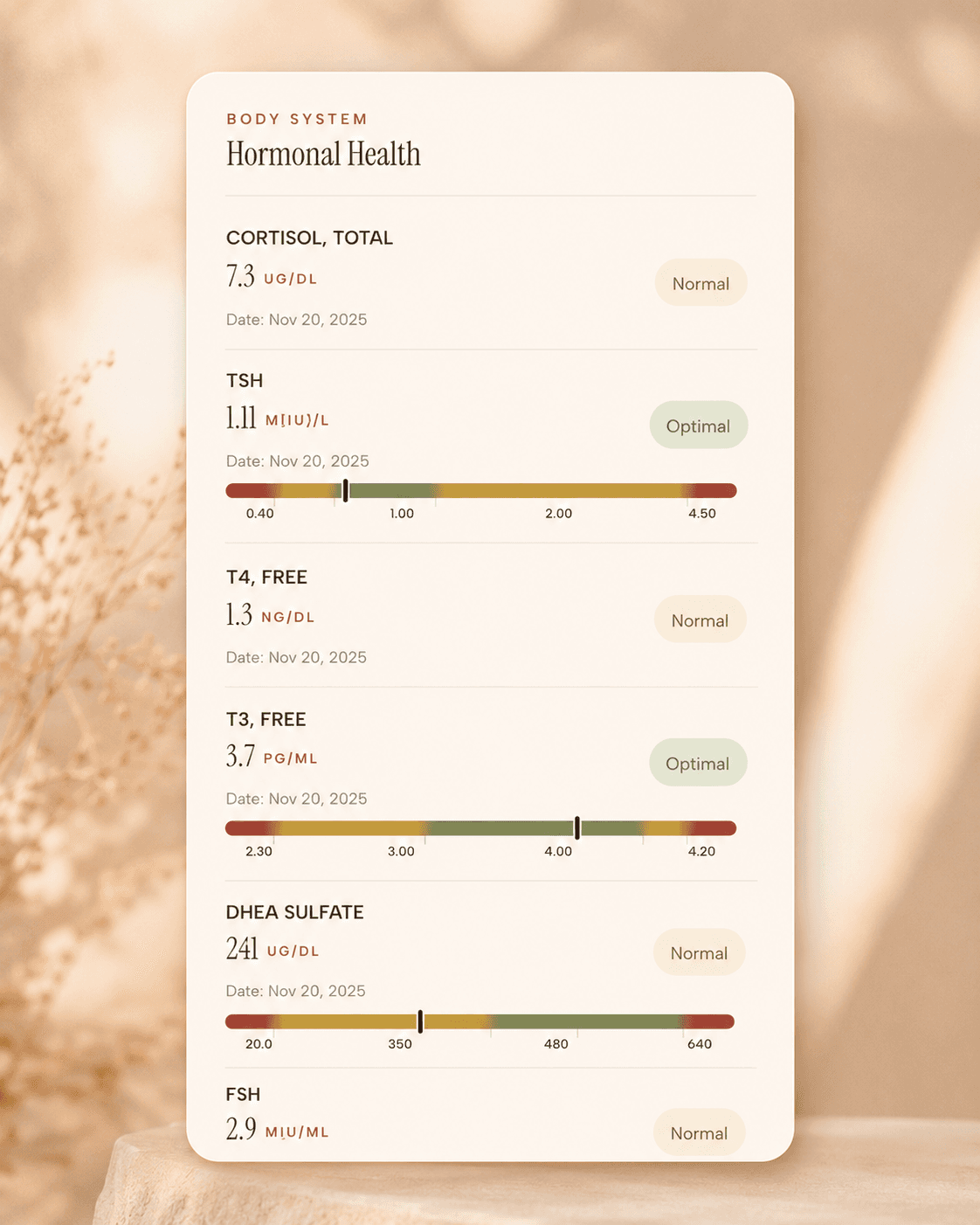
Sometimes meals are not the cause so much as the moment you notice the problem, because fatigue is already simmering underneath. Low iron stores (ferritin) can make sleep feel shallow and leave you wiped out in the morning, while an underactive thyroid can slow your metabolism and make you feel heavy and foggy. If you’re also cold, constipated, losing hair, or craving ice, it’s worth checking ferritin and TSH rather than assuming it’s “just food.”
What actually helps you feel rested
Build a “steady” dinner plate
Aim for a dinner that keeps blood sugar stable: a palm-sized protein, a big serving of non-starchy vegetables, and a smaller portion of starch. This matters because stable blood sugar makes it easier to stay in deeper sleep instead of bouncing into lighter stages. If you want a quick test, keep your dinner carbs the same but add 25–35 g of protein and see if morning grogginess improves within a week.
Move dinner earlier by 2–3 hours
Your stomach and your sleep compete for resources, so going to bed right after eating often means lighter sleep and more reflux. Shifting dinner earlier gives your body time to digest before you lie flat, which can reduce micro-wakes you never remember. If evenings are busy, even moving the biggest meal to lunch and keeping dinner lighter can make mornings feel different.
Try left-side sleep and head elevation
If reflux is part of your pattern, sleeping on your left side and slightly elevating the head of your bed can reduce how much acid reaches your throat. That can translate into fewer coughs, fewer “half-wakes,” and a more refreshed morning. Use a wedge pillow or bed risers rather than stacking pillows, because stacking often bends your neck and makes sleep worse.
Screen for sleep apnea, not just snoring
Sleep apnea is treatable, but it’s easy to miss if you assume it only affects older people or only happens with loud snoring. A home sleep test is often enough to diagnose it, and treatment (like CPAP or an oral appliance) can reduce morning fatigue within days to weeks. If you wake with headaches, need naps despite enough hours, or have high blood pressure, make sleep apnea a priority rather than tweaking supplements.
Use caffeine strategically, not desperately
If you’re using caffeine to “undo” a rough morning, it can backfire by delaying sleep pressure and making the next night lighter. Try a hard cutoff 8–10 hours before bedtime, and keep the morning dose consistent so you can actually judge whether food changes are helping. If you feel shaky or anxious after caffeine, that’s another clue your blood sugar and stress hormones may be swinging after meals.
Useful biomarkers to discuss with your clinician
Glucose
Fasting glucose is a fundamental marker of glucose metabolism and insulin function. In functional medicine, we recognize that even 'normal' glucose levels in the upper range may indicate early insulin resistance. Optimal fasting glucose reflects efficient glucose regulation and insulin sensitivity. Elevated fasting glucose suggests the body's inability to maintain normal glucose levels overnight, indicating hepatic insulin resistance or insufficient insulin production. This marker is essential for early detectio…
Learn moreHemoglobin A1C
Hemoglobin A1C (HbA1c) reflects average blood glucose levels over the past 2-3 months by measuring the percentage of hemoglobin proteins that have glucose attached. In functional medicine, HbA1c is a cornerstone marker for metabolic health, insulin sensitivity, and diabetes risk assessment. Optimal levels (4.6-5.3%) indicate excellent blood sugar regulation and reduced risk of metabolic disease. Levels above 5.4% but below 5.7% suggest early metabolic dysfunction and increased cardiovascular risk, even before pr…
Learn moreCortisol, Total
Cortisol is the primary stress hormone that regulates metabolism, immune function, and blood pressure. In functional medicine, cortisol assessment is crucial for understanding stress response and its impact on overall health. Chronic elevation suppresses testosterone production and immune function, while low cortisol indicates adrenal insufficiency. Optimal cortisol rhythm supports energy, mood stability, and hormone balance. Cortisol orchestrates the body's stress response and daily energy rhythms. Balanced cor…
Learn moreLab testing
Check HbA1c, TSH, and ferritin at Quest
starting from $99 panel with 100+ tests, one visit
No referral needed
About 1 week
Schedule online — results typically within a week
Clear next steps
Guidance included, with follow-up care available
HSA / FSA
Eligible for pre-tax health spending accounts
Pro Tips
Run a 7-day “dinner timing” test: keep your foods similar, but finish eating at least 3 hours before bed, and write down whether you wake up clearer or still feel hit by a truck.
If you suspect a blood sugar crash, try a bedtime snack only if dinner was early: something small with protein and fiber (like Greek yogurt or a handful of nuts) and see whether you stop waking at 2–4 a.m.
Use your phone’s audio recorder for one night and place it across the room; if it captures loud snoring, choking sounds, or long quiet pauses, that’s a strong reason to pursue a sleep apnea test.
If reflux seems likely, do a two-week “reflux reset” where you avoid late-night alcohol and keep spicy or fatty dinners earlier; the goal is to reduce micro-wakes, not to be perfect forever.
Track one simple morning score for two weeks—“How refreshed do I feel from 0–10?”—because your brain forgets patterns, but the score will show you whether a change is actually working.
Frequently Asked Questions
Why do I feel exhausted the morning after a big dinner?
A big dinner can worsen reflux and can also make sleep apnea more likely, both of which cause tiny awakenings that ruin sleep quality even if you don’t remember them. If the meal is high in fast carbs, you can also get a delayed blood sugar drop overnight that pushes you into lighter sleep. Try finishing dinner 3 hours before bed for a week and see if your morning energy changes.
Can blood sugar problems make you wake up tired after eating?
Yes. If your blood sugar spikes after dinner and then drops later, your body releases stress hormones to bring it back up, and that can fragment sleep and leave you groggy. HbA1c is a useful starting lab because it reflects your average blood sugar over 2–3 months; many people feel best when it’s roughly 5.0–5.4% rather than near the top of “normal.” If you can, pair the lab with a week of steadier dinners to see if symptoms track.
Is waking up tired after eating a sign of sleep apnea?
It can be, especially if you snore, wake with a dry mouth, get morning headaches, or feel sleepy during the day despite enough hours in bed. Going to bed full and sleeping on your back can make airway collapse more likely, which means more sleep disruption and worse morning fatigue. A home sleep test is often the fastest way to confirm or rule it out.
How do I know if reflux is ruining my sleep even without heartburn?
Reflux can show up as coughing, throat clearing, a sour taste, hoarseness, or sudden awakenings rather than classic burning pain. If your sleep is worse after late meals, alcohol, or spicy foods, that timing is a big clue. Try left-side sleeping and earlier dinners for 10–14 days and see whether you wake up more refreshed.
What labs are most useful if I keep waking up tired?
For this specific pattern, HbA1c can flag blood sugar instability, TSH can screen for thyroid slowdown, and ferritin can reveal low iron stores that cause unrefreshing sleep and daytime fatigue. “Normal” ranges are broad, so it helps to interpret results with symptoms—for example, ferritin near 15–30 ng/mL may be technically normal but still correlate with fatigue in some people. If your results are off or your symptoms are severe, bring the numbers to a clinician and ask what the next step should be.
Research worth knowing about
AASM clinical practice guideline for diagnosing obstructive sleep apnea (home sleep apnea testing and polysomnography)
ACG guideline on diagnosis and management of GERD (reflux that can fragment sleep)
Consensus report on interpreting HbA1c and glucose measures for diabetes and prediabetes (helps frame “blood sugar swings” risk)