Slow Metabolism in Perimenopause: Causes, Fixes, and Lab Tests
Slow metabolism perimenopause is often from estrogen shifts, muscle loss, or thyroid slowdown. Targeted labs available at Quest—no referral needed.





Slow metabolism in perimenopause is usually a mix of shifting estrogen and progesterone, gradual muscle loss that lowers your daily calorie burn, and sometimes a true thyroid slowdown. It can feel like your body is “ignoring” the same diet and workouts that used to work, even though your biology has changed underneath you. Simple labs can help you tell the difference between normal midlife changes and fixable problems like hypothyroidism or insulin resistance. Perimenopause is messy because your hormones do not decline smoothly. They swing, which can change appetite, sleep, stress hormones, and how your body stores fat from month to month. That is why you can be doing “everything right” and still feel puffy, tired, colder than everyone else, or stuck at the same weight. This page walks you through the most common drivers, what tends to help in real life, and which blood tests are worth your time. If you want help connecting your exact symptoms to a plan, PocketMD can talk it through with you, and Vitals Vault labs can help you confirm what is going on.
Why your metabolism feels slower in perimenopause
Less muscle, lower daily burn
As you move through your 40s and 50s, you tend to lose muscle unless you actively train to keep it. Muscle is “expensive” tissue, which means it burns more energy all day than fat does, so losing it can quietly drop your resting calorie needs. The takeaway is not to eat less and suffer; it is to protect muscle with progressive strength training and enough protein so your body has a reason to hold onto it.
Hormone swings change appetite signals
In perimenopause, estrogen and progesterone can spike and crash, and those swings affect hunger hormones and cravings. When estrogen dips, you may feel hungrier and less satisfied after meals, which makes it easier to overshoot calories without realizing it. If your “willpower” feels worse right before a period that is now irregular, it is often biology, so planning higher-protein meals and pre-decided snacks during that window can prevent the spiral.
Poor sleep raises stress hormones
Hot nights, early waking, or anxiety can raise your stress hormone (cortisol), which nudges your body toward storing energy and reaching for quick carbs. You also move less the day after bad sleep, even if you still do your workout, and that drop in everyday movement can be the difference between losing and maintaining. If your slow metabolism story includes 3 a.m. wake-ups, treating sleep like a medical issue—not a luxury—often unlocks progress.
Thyroid slowdown (hypothyroidism)
Sometimes the issue is not “aging” at all—it is an underactive thyroid, which can show up as fatigue, constipation, dry skin, hair shedding, and feeling cold when others are fine. Even mild thyroid under-function can make weight loss feel unfair because your baseline energy use drops and your workouts feel harder. If this sounds like you, checking TSH and free T4 is a practical first step, especially if thyroid disease runs in your family.
Insulin resistance makes fat loss harder
Insulin is the hormone that helps move sugar from your blood into your cells, but when your cells stop responding well, your body makes more insulin to compensate. Higher insulin levels can keep you in “storage mode,” and you may notice belly weight gain, intense carb cravings, and energy crashes after meals. The actionable move is to test for it (HbA1c and fasting insulin are helpful) and then build meals around protein and fiber first so your blood sugar rises more gently.
What actually helps you feel “unstuck”
Train for muscle, not just sweat
If you only do cardio, you can burn calories but still lose muscle over time, which makes your metabolism feel slower each year. Aim for full-body strength training two to four times per week, and make it progressive by adding a little weight, reps, or sets over time. If you are new, start with machines or dumbbells and focus on big moves like squats, rows, presses, and deadlift patterns.
Hit a protein “floor” daily
Protein helps preserve muscle and keeps you fuller after meals, which matters when perimenopause makes hunger louder. A practical target for many people is about 25–35 grams per meal, and you can use a simple check: you should see a clear protein source on your plate, not just “a little.” If you are struggling, add a protein-forward breakfast for two weeks and see if cravings and afternoon snacking calm down.
Build meals to flatten glucose spikes
You do not need to fear carbs, but you do want to stop the roller coaster that drives cravings and fatigue. Start meals with protein and vegetables, then add carbs you actually enjoy, and consider a 10–15 minute walk after dinner to help your muscles use glucose. If you track anything, track how you feel 1–3 hours after meals, because that is where insulin resistance often shows itself.
Treat sleep like a fat-loss tool
When sleep is short or fragmented, your appetite rises and your daily movement drops, even if your motivation feels the same. Pick one sleep anchor for two weeks: a consistent wake time, a 30–60 minute wind-down, or keeping the bedroom cool and dark. If snoring, gasping, or morning headaches are part of your story, ask about sleep apnea, because treating it can improve energy and weight control dramatically.
Use labs to target the fix
Guessing leads to extremes, like cutting calories too low or overtraining, which often backfires in perimenopause. If your labs point to hypothyroidism, treatment can restore energy and make your efforts work again; if they point to insulin resistance, nutrition and sometimes medication choices change. The point is not to “biohack” hormones on your own, but to use data to have a smarter conversation with your clinician.
Useful biomarkers to discuss with your clinician
TSH
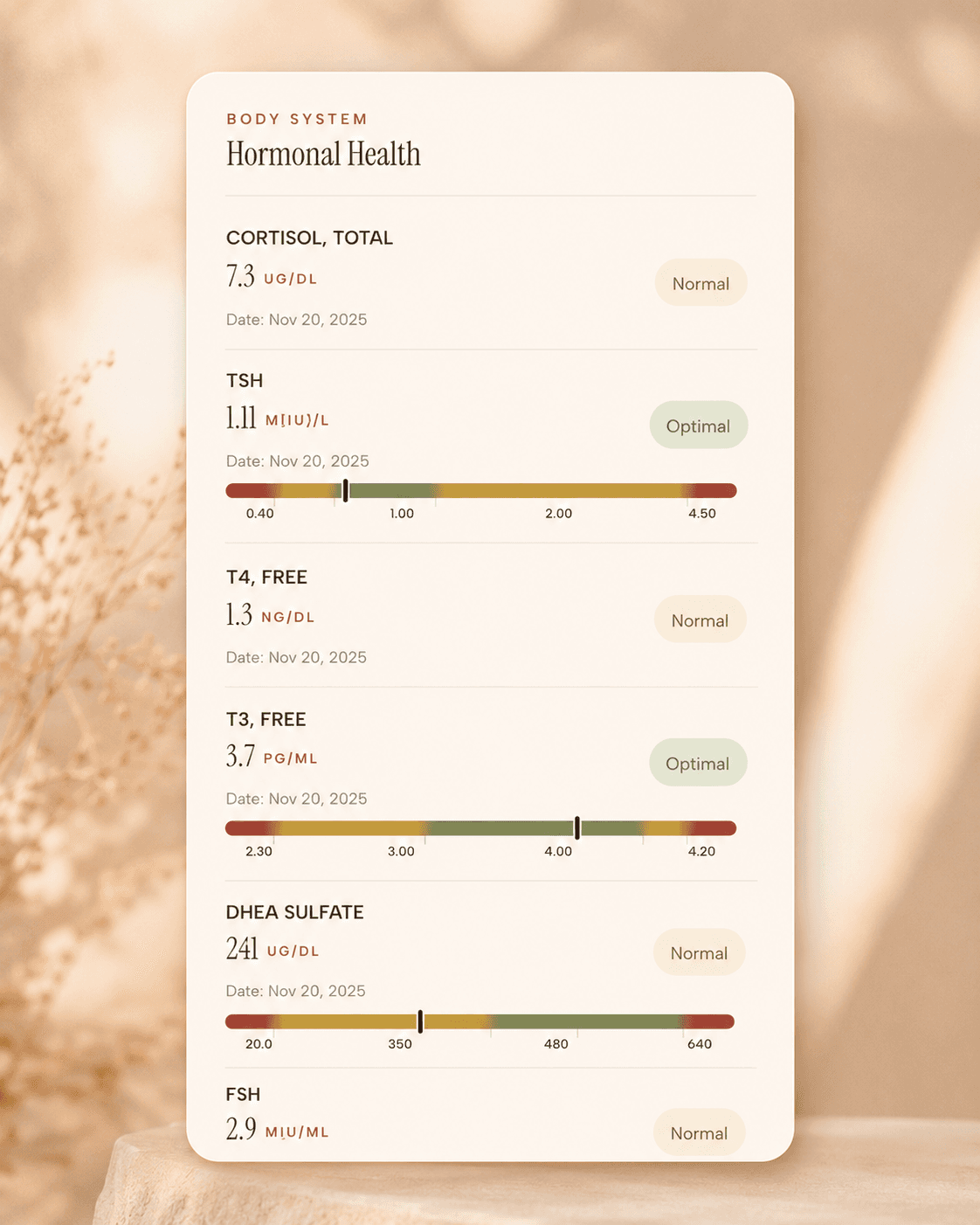
TSH is the master regulator of thyroid function, controlling the production of thyroid hormones T4 and T3. In functional medicine, we use narrower TSH ranges than conventional medicine to identify subclinical thyroid dysfunction early. Even mildly elevated TSH can indicate thyroid insufficiency, leading to fatigue, weight gain, depression, and metabolic dysfunction. TSH levels are influenced by stress, nutrient deficiencies, autoimmune conditions, and environmental toxins. Optimal TSH supports energy, metabolism…
Learn moreEstradiol
Estradiol in men is produced from testosterone via aromatase enzyme. In functional medicine, we recognize that men need optimal estradiol levels for bone health, cognitive function, and cardiovascular protection. However, excessive estradiol can suppress testosterone production and cause feminizing effects. The testosterone-to-estradiol ratio is crucial for male health, with optimal balance supporting vitality while preventing estrogen dominance. Balanced estradiol levels in men support bone health and cognitive…
Learn moreInsulin
Insulin is a master metabolic hormone that regulates glucose uptake, fat storage, and numerous cellular processes. In functional medicine, fasting insulin levels are one of the earliest and most sensitive markers of metabolic dysfunction. Elevated insulin (hyperinsulinemia) often precedes diabetes by years or decades and is central to metabolic syndrome. High insulin levels promote fat storage, inflammation, and contribute to numerous chronic diseases including cardiovascular disease, PCOS, and certain cancers.…
Learn moreLab testing
Get TSH, free T4, HbA1c, and fasting insulin checked at Quest
starting from $99 panel with 100+ tests, one visit
No referral needed
About 1 week
Schedule online — results typically within a week
Clear next steps
Guidance included, with follow-up care available
HSA / FSA
Eligible for pre-tax health spending accounts
Pro Tips
Run a 14-day “maintenance audit” before you slash calories: keep your usual eating the same, but weigh portions for just two meals a day and track steps. Many people discover their intake drifted up or their steps drifted down without noticing.
Use a step “minimum” that you can hit even on tired days, like 7,000–8,000, and then treat anything above that as a bonus. This protects the everyday movement that often drops in perimenopause even when your workouts stay consistent.
If you feel hungrier in the late luteal phase (the week or so before bleeding, when you still have cycles), plan for it instead of fighting it. Add 200–300 calories from protein and high-fiber carbs and you are less likely to rebound with a binge.
Try a simple post-meal rule for two weeks: after your biggest carb meal, walk for 10 minutes at an easy pace. It is boring, but it is one of the most reliable ways to improve post-meal energy and reduce cravings later.
If you suspect thyroid issues, write down three non-weight symptoms you have noticed (like cold intolerance, constipation, hair changes) and bring them to your appointment with your TSH and free T4 results. It helps the conversation move beyond “your labs are normal.”
Frequently Asked Questions
Does perimenopause actually slow your metabolism?
Perimenopause can make your metabolism feel slower because hormone swings affect appetite, sleep, and where you store fat, and because muscle tends to decline with age unless you train for it. Your resting calorie burn may drop a bit, but the bigger effect is often less daily movement and more hunger. If you also feel cold, constipated, or unusually fatigued, check TSH and free T4 to rule out hypothyroidism.
Why can’t I lose weight in perimenopause even with diet and exercise?
The most common reasons are that your body composition is shifting toward less muscle, your sleep and stress hormones are working against you, or you have insulin resistance that makes hunger and cravings louder. That is why the same plan that worked at 35 can stall at 45. Consider checking HbA1c (and ideally fasting insulin) and adjusting training toward progressive strength work.
What thyroid labs should I ask for if my metabolism feels slow?
A practical starting point is TSH and free T4, because together they show how hard your body is pushing the thyroid and how much hormone is actually available. If TSH is high and free T4 is low or low-normal, that supports hypothyroidism as a contributor to fatigue and weight resistance. Bring your symptoms and results to a clinician so treatment decisions match your full picture.
What HbA1c number suggests insulin resistance in perimenopause?
HbA1c of 5.7% to 6.4% meets criteria for prediabetes and strongly suggests insulin resistance, but even 5.4% to 5.6% can be a warning sign if you have belly weight gain and post-meal crashes. HbA1c is an average, so you can still have big spikes even with a “normal” value. If your HbA1c is rising over time, prioritize strength training and a protein-first meal structure.
Should I do more cardio to fix a slow metabolism in perimenopause?
More cardio can help, but it is rarely the missing piece on its own, because your metabolism is strongly influenced by muscle and daily movement. If you add cardio while under-eating, you can feel more tired and still stall. A better base is strength training two to four times per week plus a consistent step goal, and then add cardio in a way you can recover from.